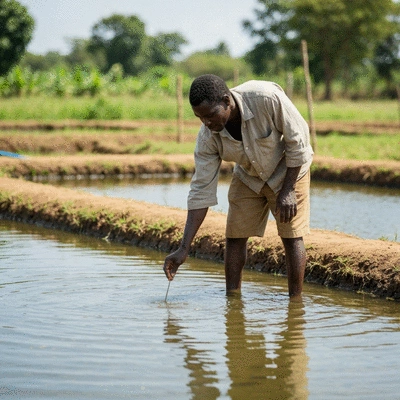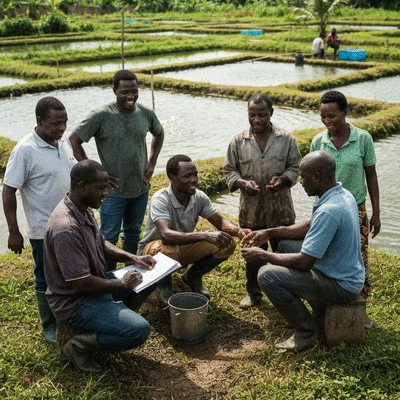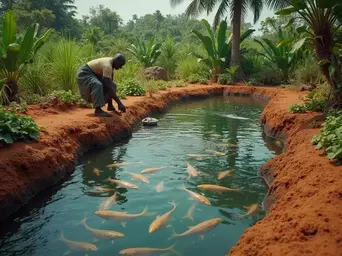

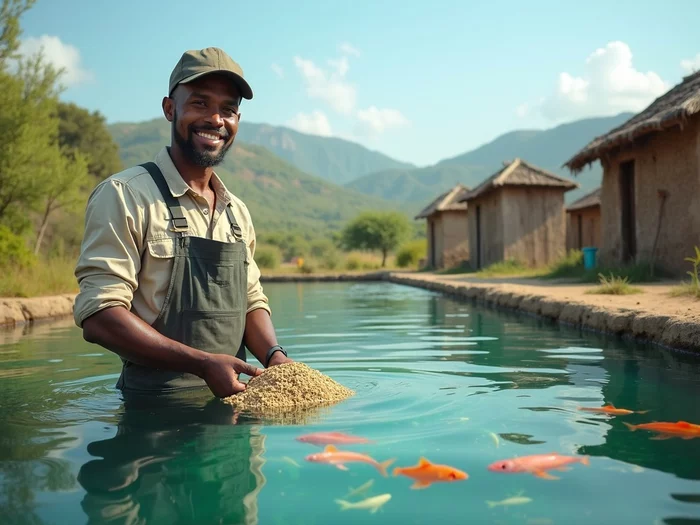
Common Pitfalls Faced by Fish Farmers
- Poor water quality management
- Inadequate feed and nutrition
- Limited access to financing and resources
- Insufficient training and knowledge gaps
Posted on: 2025-10-16
By: Kwame Adom
Did you know that understanding the challenges in African fish farming can transform your approach to aquaculture? Here’s a chance to dive deep into the intricacies of this important industry.
Navigating the complex landscape of African fish farming requires understanding common pitfalls and leveraging effective strategies. Below is a summary of key challenges and the best practices for sustainable success. To gain a deeper understanding of these hurdles, consider exploring how to navigate regulatory hurdles in fish farming.
Fish farming in Africa is a journey filled with both opportunities and challenges. As I’ve witnessed throughout my years in this field, understanding these challenges is crucial for any farmer looking to thrive. The aquaculture landscape varies greatly across the continent, influenced by local regulations, environmental conditions, and cultural practices. To effectively navigate this complex terrain, we need to delve deep into these issues together!
By grasping the unique challenges faced by fish farmers, we can identify effective strategies that have worked for others. This knowledge not only empowers us but also helps build a resilient community of aquaculture practitioners across Africa.
Case studies play a vital role in the development of aquaculture. They provide real-world examples that allow us to learn from the successes and failures of others. This is especially important in a field like fish farming, where practical insights can lead to improved practices. For inspiring examples, delve into the inspiring journeys of African fish farmers.
By analyzing case studies, we can adopt the best practices and innovate solutions tailored to our unique environments. This collaborative approach fosters growth and enhances our ability to tackle common obstacles in the aquaculture sector.
As a fish farmer, I’ve encountered several pitfalls that can derail even the most promising ventures. Acknowledging these challenges is the first step toward overcoming them. Here are some of the most common issues I've seen:
Recognizing these pitfalls allows us to put preventative measures in place, ensuring we are better prepared to face any hurdles that come our way. With the right insights, we can transform these challenges into opportunities for growth!
When it comes to fish farming in Africa, tilapia and catfish stand out as key species for aquaculture ventures. Their popularity is not just a trend; it’s backed by several factors that make them ideal for farming:
These species offer promising returns on investment, making them an excellent choice for both new and established fish farmers. As you consider which species to cultivate, think about how tilapia and catfish could fit into your farming plans!
As we explore the challenges and opportunities in fish farming, we want to know your thoughts! What do you consider the biggest hurdle in your aquaculture journey? Share your experiences below:
As we delve into the world of fish farming across Africa, it’s essential to reflect on the invaluable insights gained from various case studies. These real-life examples highlight not just the challenges but also the innovative solutions implemented by farmers across the continent. By understanding these experiences, we can craft a roadmap for success in aquaculture.
In my journey as an aquaculture expert, I've found that analyzing success stories and challenges can be a powerful tool for aspiring farmers. The common threads in these narratives often reveal best practices that can be adopted widely. Let’s explore some key takeaways from the case studies we've examined.
Each case study emphasizes several crucial lessons that can guide our approach to fish farming:
Implementing these best practices can enhance productivity and sustainability in our aquaculture ventures. I encourage you to reflect on your unique circumstances and see how these lessons can be tailored to fit your farming journey!
To ensure long-term success in fish farming, it’s important to adopt a proactive approach. Here are some strategies that can help in maintaining and enhancing your aquaculture business:
By focusing on these areas, we can build resilient fish farming businesses that thrive despite challenges. Remember, each step you take contributes to the growth of the aquaculture sector in Africa!
Now that we've summarized the insights gained from various case studies, let’s focus on actionable steps you can take as a fish farmer. There are numerous resources and recommendations that can help you address common challenges in aquaculture.
With the right guidance and support, you can overcome obstacles and thrive in this field. Here are some practical suggestions to get you started:
As a farmer, you may face several challenges that can impact your success. Here are some practical guides that can help:
These guides serve as a foundation for addressing typical issues encountered in fish farming. Remember, every challenge is an opportunity to learn and grow!
Building strong ties with local communities can be incredibly beneficial. Here’s how you can engage effectively:
Community engagement not only strengthens your network but also promotes sustainable practices within the aquaculture sector.
Investing in education is vital for your success. Here are some educational resources to consider:
Continued education empowers you to make informed decisions and stay ahead in the ever-evolving world of aquaculture.
Understanding market dynamics is crucial for the profitability of your fish farming business. Here are some steps to explore:
With a clear understanding of market trends, you can successfully navigate the fish market landscape, paving the way for a profitable venture! For more insights into market opportunities, explore fish market trends in Africa.
Here are some common questions about fish farming in Africa, based on the insights discussed:
African fish farmers often face challenges such as poor water quality management, inadequate feed and nutrition, limited access to financing, insufficient training, regulatory hurdles, and market access issues.
Tilapia and catfish are key species due to their fast growth rates, high market demand, adaptability to various environments, and rich nutritional value, making them profitable and sustainable choices for farmers.
Case studies provide real-world examples of successful and unsuccessful farming practices, highlighting effective strategies and solutions to specific challenges. They foster knowledge-sharing and help farmers adapt best practices to their unique environments.
Key best practices include community engagement, adopting innovative solutions, sound financial planning, and environmental awareness. These practices ensure fish health, ecosystem well-being, and long-term business viability.
Resources include practical guides on water quality management, nutritional guidelines, financial management, and regulatory compliance. Additionally, engaging with local communities and participating in education and training programs like workshops and online courses can be highly beneficial.
Here is a quick recap of the important points discussed in the article:
Yomi Adisa Lead Researcher
Yomi Adisa is the lead researcher at Fish Farming Business, where he studies what makes aquaculture ventures profitable across Africa. His research focuses on market patterns, buyer preferences, and the business decisions that determine success or failure in fish farming.