
Innovative Techniques Elevate Profitability for South African Fish Farmers
Posted on: 2025-11-21
By: Yomi Adisa
In South Africa, fish farming is a promising venture, yet many farmers are grappling with the challenge of profitability. Are you one of those facing this struggle? Hidden costs, shifting consumer preferences, and the reluctance to embrace modern techniques can seriously hinder your success.
This blog post explores how innovative approaches are transforming the landscape of fish farming in South Africa. From adopting alternative fish species to integrating sustainable practices, these success stories highlight how farmers are turning challenges into opportunities. Join us as we delve into practical strategies that can make your fish farming business not just viable but thriving. Your future in aquaculture may depend on the insights shared here.
What You Will Learn
- How to identify and manage hidden costs in your fish farming operations
- Strategies for adapting to evolving consumer preferences and market trends
- The benefits of innovative techniques like recirculating aquaculture and aquaponics
- Insights from successful farmers on building effective market access
- Ways to enhance sustainability and contribute to local food security
Why Most Fish Farmers in South Africa Struggle with Profitability
You start your fish farming venture with high hopes and solid production knowledge. You know how to maintain water quality, feed your fish properly, and prevent disease outbreaks. Yet six months later, you're barely breaking even whilst watching your neighbour's maize farm generate consistent profits. The problem isn't your fish—it's everything else you didn't account for.
Most South African fish farmers focus entirely on production whilst ignoring the business fundamentals that actually determine profitability. You can produce the healthiest tilapia in KwaZulu-Natal, but if you don't understand your true costs, market timing, or consumer preferences, you'll struggle to make money. The farmers who thrive aren't necessarily the best at raising fish—they're the ones who understand the complete business equation.
Understanding financial mistakes that hurt profitability is crucial for your success. You need to master both production and business strategy to build a sustainable operation that generates consistent returns.
The Reality Check
Profitable fish farming requires mastering both production and business strategy. You need to understand:
- Your actual cost per kilogram (not just feed costs)
- Market demand patterns in your specific region
- Consumer preferences that drive premium pricing
- Seasonal fluctuations that affect profitability
The Hidden Costs You Never Considered
You calculate your feed costs, factor in fingerlings, and estimate your electricity bill. Then reality hits. Your water pump fails during a heatwave, costing you R15,000 in emergency repairs plus R8,000 worth of fish losses. Your transport costs double when fuel prices spike. The municipal water supply gets contaminated, forcing you to truck in clean water at R500 per load.

These aren't exceptional circumstances—they're normal business realities that successful farmers plan for. You need to understand your true cost structure, not just your obvious expenses. A farmer in Mpumalanga discovered his actual production cost was R28 per kilogram, not the R18 he'd calculated. He'd forgotten to include equipment depreciation, insurance, labour during harvest periods, and the cost of his own time.
The most dangerous hidden cost is opportunity cost. Every rand you invest in fish farming could earn returns elsewhere. You need to factor in what economists call your "cost of capital"—the return you're giving up by choosing fish farming over other investments. If you can earn 8% annually in a money market account, your fish farm needs to generate more than 8% to justify the investment and risk.
| Cost Category | Often Overlooked Items | Annual Impact |
|---|---|---|
| Equipment | Depreciation, maintenance, emergency repairs | R2-4 per kg |
| Labour | Harvest periods, weekend monitoring, sick leave | R3-6 per kg |
| Utilities | Peak demand charges, backup power, water treatment | R1-3 per kg |
| Risk Management | Insurance, emergency funds, mortality losses | R2-5 per kg |
Consumer Trends: Are You Keeping Up?
You assume fish is fish, but South African consumers are becoming increasingly sophisticated. Urban buyers in Johannesburg pay premium prices for organically raised fish, whilst rural communities in Limpopo prioritise affordability over production methods. Restaurant chains want consistent sizing and reliable delivery schedules. Export markets demand specific certifications and traceability systems.
Consumer preferences shift faster than production cycles. The rise of health consciousness has increased demand for omega-3 rich species, but many farmers are still focused on traditional catfish production. Social media influences buying decisions—consumers want to know where their food comes from and how it's produced. You need to understand these trends before you stock your ponds, not after you're trying to sell your harvest.
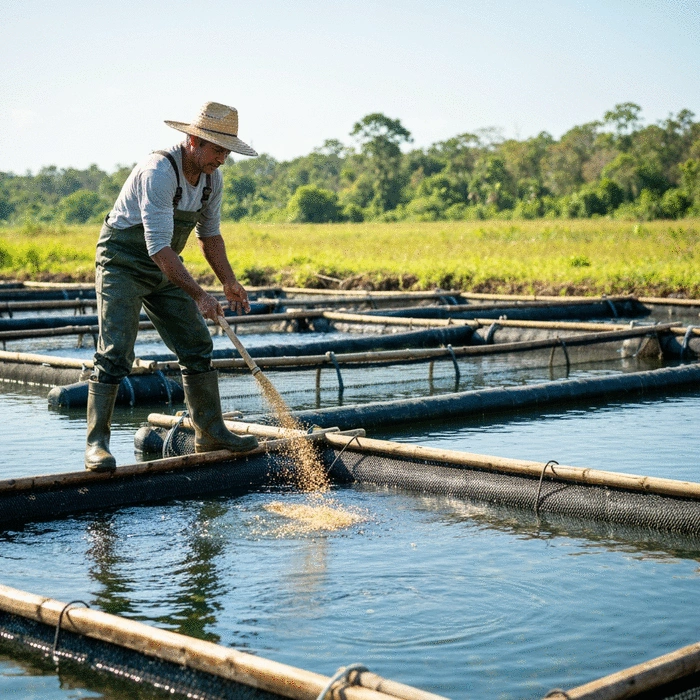
A farmer near Durban missed the boat on the sushi-grade fish trend. Whilst he was perfecting his catfish operation, restaurants started paying R180 per kilogram for properly handled yellowtail. By the time he pivoted, three competitors had already captured the market. Understanding market trends helps you position your production decisions today to determine your market position in eight months.
The most successful farmers don't just follow trends—they anticipate them. They talk to chefs, visit restaurants, study import data, and monitor social media discussions about food preferences. You need to become a student of consumer behaviour, not just fish behaviour.
The Dangers of Sticking to Tradition
Traditional fish farming methods worked when competition was limited and consumers had fewer choices. Today's market rewards innovation and punishes complacency. You can't rely on the same techniques your father used whilst expecting different results in a transformed marketplace.
The biggest danger isn't dramatic failure—it's gradual obsolescence. Your traditional pond system might produce healthy fish, but recirculating aquaculture systems produce more fish per litre of water whilst using less electricity. Your manual feeding schedule might work, but automated systems reduce labour costs and improve feed conversion ratios. You're not competing against yesterday's farmers—you're competing against tomorrow's technology.
Resistance to change often stems from fear of initial investment costs. A farmer in the Western Cape spent R200,000 upgrading to solar-powered aeration systems. His neighbours called it wasteful spending. Two years later, his electricity costs were 60% lower, and his fish mortality dropped from 15% to 3%. The "expensive" upgrade paid for itself in 18 months whilst positioning him for long-term profitability.
The cost of staying current is always less than the cost of becoming obsolete. You need to evaluate new techniques not just for their immediate benefits, but for their competitive advantages over time. The question isn't whether you can afford to innovate—it's whether you can afford not to.
Learning about RAS versus traditional pond systems can help you make informed decisions about upgrading your infrastructure. The farmers who embrace modern technology position themselves for sustainable long-term success.
| Key Points | Details |
|---|---|
| Profitability Challenges | Farmers often overlook hidden costs and market dynamics affecting their profitability. |
| Understanding Costs | True costs include more than just feed and basic expenses; opportunity costs are critical. |
| Consumer Trends | Market preferences are shifting towards sustainable and alternative fish species. |
| Innovative Techniques | Techniques like RAS and aquaponics are enhancing production efficiency and sustainability. |
| Networking and Market Access | Building connections with local co-ops and understanding market channels can improve sales. |
| Social and Environmental Impact | Sustainable practices contribute to food security and local economic development. |
How Innovative Techniques Are Revolutionising Your Fish Farm
You need to understand that adopting innovative techniques can significantly enhance your operations. Many farmers are finding success through methods that not only increase yield but also reduce costs. Let's explore some of these transformative techniques.
What Happens When You Adopt Recirculating Aquaculture Systems
You might be wondering how to manage water use effectively while boosting your output. Recirculating aquaculture systems (RAS) can provide a solution. These systems allow you to reuse water and maintain optimal conditions for fish growth.
For example, a farmer in the Eastern Cape switched to RAS and saw his production double within a year. He reduced his water consumption significantly, allowing him to conserve resources while meeting market demand more efficiently.
Key Benefits of RAS
- Efficient water use
- Improved fish health and growth rates
- Ability to control environmental variables
- Reduced risk of diseases
The Unexpected Benefits of Going Solar
Consider the long-term savings that solar energy can bring to your fish farm. A farmer in Limpopo invested in solar panels and significantly reduced his electricity bills. Beyond cost savings, he also contributed to environmental sustainability.
In just two years, he recouped his initial investment and enjoyed lower operational costs, allowing him to reinvest in expanding his farm. You should evaluate whether switching to solar could benefit your bottom line.
Aquaponics: Are You Overlooking This Game-Changer?
Integrating plant cultivation into your fish farming through aquaponics can open new revenue streams. You're not just growing fish; you can cultivate vegetables or herbs simultaneously, maximising your production space.
A farm in Gauteng adopted this model and began selling both fish and fresh produce at local markets. This diversification helped them reach more customers, enhancing profitability.
Consider These Advantages of Aquaponics
- Dual income from fish and plants
- Reduced water and nutrient waste
- Enhanced product appeal to health-conscious consumers
- Opportunities for direct sales at markets
Your Guide to Understanding Profitability Factors
To thrive in fish farming, you must grasp the factors influencing profitability. Successful farmers often share common strategies and insights that help them navigate challenges and seize opportunities.
What Successful Farmers Are Doing Differently
You want to learn from those who have successfully navigated the waters of aquaculture. Some farmers focus on building strong relationships with buyers, ensuring consistent demand for their products.
For instance, a farmer in the Free State prioritised communication with local restaurants. By understanding their needs and preferences, he tailored his production to supply exactly what they required, leading to steady sales and profits.
Why Market Access Is Key to Your Success
Understanding distribution channels can make or break your business model. You need reliable access to markets where your fish can be sold at competitive prices.
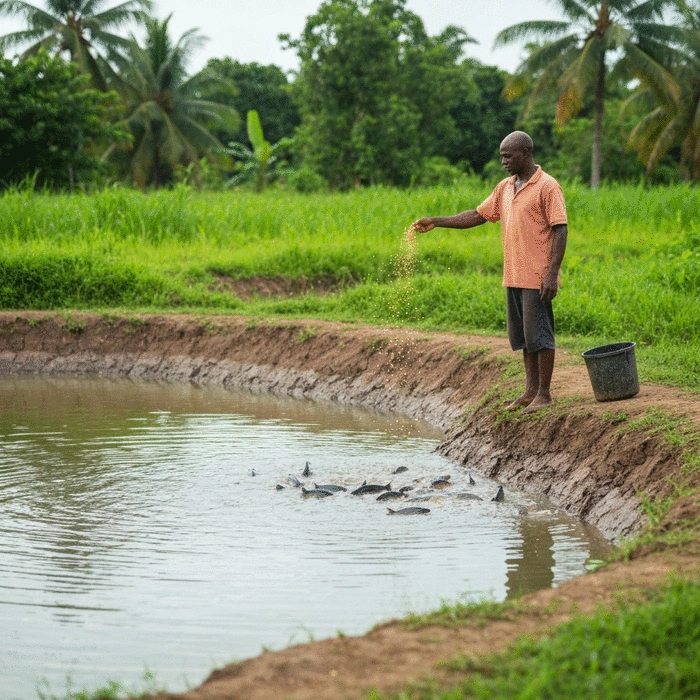
A farmer in the Western Cape struggled initially due to weak distribution networks. After partnering with local co-ops, he managed to reach more customers and boost his sales significantly.
| Market Access Strategy | Benefits |
|---|---|
| Partnering with Local Co-ops | Expanded reach and improved pricing |
| Direct to Consumer Sales | Higher profit margins |
The Role of Technology: Is Your Farm Keeping Up?
You need to ask yourself whether your farm is leveraging technology effectively. Many successful farms now use modern software for managing feed, tracking growth, and forecasting market trends.
A farmer in Mpumalanga adopted a management system that improved his feed conversion ratio and reduced waste. Automated reporting saved him time and allowed for better decision-making.
Inspiring Success Stories from South African Fish Farmers
Hearing about successes can motivate and inform your own journey. Let's look at some inspiring narratives that demonstrate resilience and innovation in fish farming.
How One Farm Turned Adversity into Opportunity
A farmer in KwaZulu-Natal faced severe drought conditions that threatened his production. Instead of giving in, he adapted by investing in water-saving technologies and drought-resistant fish species. Now, he's not only surviving but thriving, providing a model for others in similar situations.
Urban Fish Farming: The Hidden Heroes of Food Security
In urban areas, fish farming initiatives are proving essential for food security. One project in Johannesburg has transformed vacant lots into productive aquaculture sites, supplying fresh fish to local communities. This model is gaining traction, highlighting the importance of innovation in food production.
Key Takeaways
- Urban farming addresses food scarcity.
- Innovative use of space can yield results.
Breaking Barriers: Women and Youth Leading the Charge
Women and young entrepreneurs are increasingly taking charge in the fish farming sector. A young woman in the Eastern Cape started her own catfish farm, leveraging social media to market her produce. She's not only succeeded financially but also inspired others in her community to consider fish farming as a viable option.
Why You Can't Ignore the Social and Environmental Impact
As you build your fish farming enterprise, consider the broader impacts of your work. Sustainable practices can enhance your reputation and profitability.
Addressing Food Security: Your Role as a Farmer
You have the potential to contribute significantly to local food security. Your fish farm can provide essential protein sources to communities struggling with access to healthy food. By adopting sustainable practices, you can ensure that your business supports rather than depletes local resources.
Job Creation: The Ripple Effect of Your Business
Your farm can also create jobs in your community. As you expand your operations, you can hire local workers, providing them with income and stability. This not only supports your business but strengthens the local economy.
Consider This
- Your farm's growth can uplift your community.
- Investing in people fosters loyalty and retention.
What You Need to Know about Environmental Sustainability
Practices that protect the environment ensure your farm's longevity. Implement measures for water management and pollution control to safeguard local ecosystems.
For example, a farmer in the Western Cape used water filtration systems that reduced runoff into surrounding areas. This proactive approach preserved local biodiversity and enhanced his farm's reputation.
The Challenges You Face and How to Navigate Them
Every business has its challenges, and fish farming is no exception. Understanding these hurdles helps you prepare for them.
Understanding the Regulatory Landscape: Are You Compliant?
Navigating the regulatory environment can be daunting. You need to stay informed about local laws and regulations affecting fish farming. Non-compliance can lead to fines and lost business opportunities.
A farmer in Limpopo faced challenges due to inadequate knowledge of licensing requirements. By seeking advice from local agricultural departments, he managed to align his operations with regulations, avoiding penalties and enhancing his credibility.
What You Need to Know About Exporting Your Fish
If you're considering exporting, you must be aware of the associated challenges. The process often involves stringent quality standards and certifications.
A farmer in Gauteng who aimed to export his fish learned the importance of meeting international standards. This preparation allowed him to enter lucrative export markets successfully, significantly increasing his revenue.
Where Do You Go from Here?
Your future in fish farming hinges on the choices you make today. Embracing change and innovation is crucial for long-term success.
The Choices That Will Define Your Future in Fish Farming
You need to evaluate your current practices critically. Ask yourself if you're ready to implement modern techniques and adapt to market demands. Your willingness to learn and adapt will significantly impact your profitability.
Building Your Network: Resources to Tap Into
Connect with local organisations, agricultural extension services, and funding bodies. Networking can provide insights, training, and financial support to enhance your operations.
A farmer who actively engaged with local cooperative societies found new market opportunities and resources that improved his farm's efficiency.
Embracing Change: Your Key to Sustainable Profitability
Finally, remember that the best farmers are those who continually seek improvement. Make a commitment to learning about new methods, understanding market trends, and connecting with peers. Your proactive approach could be the key to securing your farm's future.
What You Need to Know About the Changing Face of Aquaculture
You're operating in a market that's shifting faster than most farmers realise. The fish that dominated South African tables five years ago aren't necessarily the ones driving profits today. Consumer preferences are evolving, climate patterns are changing production cycles, and what worked for your neighbour last season might leave you struggling this year.
Most farmers stick to familiar species because that's what they know how to raise. But knowing how to produce fish and knowing which fish will actually sell at profitable prices are two completely different skills. The gap between these skills determines whether you're building wealth or just staying busy.
Your success depends on understanding these market shifts before your competitors do. Here's what's reshaping aquaculture in South Africa and what it means for your bottom line.
The Surprising Rise of Alternative Fish Species
You've probably noticed more tilapia and catfish appearing in local markets, restaurants, and even supermarket freezers. This isn't coincidence—it's a fundamental shift in consumer behaviour that smart farmers are capitalising on. These species are becoming household names because they solve specific problems that traditional marine fish can't address.
Tilapia offers consistent supply when ocean catches become unpredictable. A farmer in KwaZulu-Natal switched from attempting marine species to tilapia production and now supplies three restaurants year-round at R45 per kilogram. The restaurants prefer the reliability over the price fluctuations of wild-caught alternatives.
Why Alternative Species Are Gaining Ground
You need to understand what's driving this shift:
- Consistent availability when ocean fishing faces restrictions
- Predictable sizing that restaurants and retailers prefer
- Lower price points that appeal to budget-conscious consumers
- Faster growth cycles that improve your cash flow
- Better survival rates in controlled environments
Catfish demand has grown particularly strong in urban areas where consumers want affordable protein options. The fish adapts well to local conditions and reaches market size quickly. But you can't just decide to farm catfish tomorrow—you need to understand which varieties perform best in your specific region and what sizes your target buyers actually want.
Understanding Local Preferences: What Your Customers Really Want
You might assume all fish buyers want the same thing, but regional preferences vary dramatically across South Africa. What sells well in Cape Town might struggle in Johannesburg. What works in rural KwaZulu-Natal might fail completely in urban Gauteng. These differences aren't just cultural—they're economic opportunities if you understand them correctly.
Urban consumers increasingly favour convenience and consistent quality over traditional preferences. They want fish that's easy to prepare, available year-round, and priced predictably. Rural consumers often prioritise value and familiar preparation methods. A farmer who supplies both markets needs completely different approaches for each.
| Market Type | Primary Preferences | Key Considerations |
|---|---|---|
| Urban Retail | Consistent size, clean presentation, reliable supply | Premium pricing for convenience |
| Rural Markets | Value pricing, familiar species, bulk options | Price sensitivity, traditional preparation |
| Restaurant Trade | Specific portion sizes, consistent quality, regular delivery | Relationship-based, credit terms expected |
You also need to consider seasonal preferences that affect demand patterns. Holiday seasons, religious observances, and cultural celebrations all influence what fish people buy and when they buy it. Understanding these patterns helps you time production cycles for maximum profitability rather than hoping your harvest coincides with strong demand.
The Impact of Climate on Fish Farming Success
You can't control the weather, but you can prepare for how climate patterns affect your operation. South Africa's changing rainfall patterns, temperature fluctuations, and extreme weather events are reshaping what works in aquaculture. Farmers who adapt their practices to these realities maintain consistent production while others struggle with unpredictable results.
Water availability has become the critical factor in many regions. You need backup plans for drought conditions and strategies for managing excess water during heavy rainfall periods. Temperature control becomes more challenging when seasonal patterns become less predictable. These aren't just production issues—they're business planning challenges that affect your profitability.
Climate Adaptation Strategies You Need
Your farm needs resilience against climate variability:
- Water storage systems for drought periods
- Temperature management for extreme weather
- Species selection based on climate tolerance
- Flexible production schedules that account for weather delays
- Insurance and risk management for weather-related losses
Smart farmers are choosing species and production methods based on climate resilience, not just market prices. A species that grows quickly in ideal conditions might perform poorly when temperatures fluctuate unpredictably. You need to balance market demand with production reliability under changing climate conditions.
The farmers succeeding long-term are those who view climate adaptation as a competitive advantage rather than just a cost of doing business. They're investing in systems that maintain production consistency regardless of weather patterns, which allows them to supply markets reliably when competitors can't.
In conclusion, navigating the challenges of fish farming in South Africa requires a keen understanding of both market dynamics and innovative techniques. By recognising hidden costs, adapting to consumer preferences, and utilising modern practices like aquaponics and solar energy, you can improve your farm's profitability.
You've seen inspiring success stories from your fellow farmers who have turned challenges into opportunities. These examples highlight the importance of embracing change and staying informed about the latest trends and technologies in aquaculture.
As you move forward, consider what steps you can take to enhance your own operations. Engage with local networks, invest time in market research, and remain open to exploring new methods. By doing so, you can not only boost your profitability but also contribute positively to your community and the environment. Remember, continuous improvement is key to your sustainable success in fish farming.
Frequently Asked Questions
What are the most common hidden costs that affect fish farming profitability in South Africa?
The most overlooked costs include equipment depreciation, emergency repairs, labour during harvest periods, and opportunity costs. Many farmers also forget to factor in peak electricity charges, water treatment costs, insurance, and the value of their own time invested in the operation.
Why are alternative fish species like tilapia and catfish becoming more popular than traditional options?
These species offer consistent availability when ocean fishing faces restrictions, predictable sizing for restaurants, and faster growth cycles that improve cash flow. They also adapt better to controlled environments and have lower mortality rates, making them more reliable for commercial production.
How do recirculating aquaculture systems (RAS) improve profitability compared to traditional pond systems?
RAS systems allow you to reuse water efficiently, maintain optimal growing conditions year-round, and achieve higher stocking densities. They reduce water consumption, lower disease risks, and enable better control over environmental variables, leading to improved survival rates and faster growth.
What should I consider when choosing between urban and rural markets for selling my fish?
Urban markets typically pay premium prices for convenience, consistent quality, and reliable supply, whilst rural markets prioritise value pricing and familiar species. You need different approaches for each market, considering factors like presentation, delivery schedules, and payment terms that suit each customer base.
How can climate change affect my fish farming operations and what should I prepare for?
Climate variability affects water availability, temperature control, and seasonal production patterns. You should prepare backup water storage systems, temperature management solutions, and choose climate-resilient species. Consider flexible production schedules and insurance to manage weather-related risks effectively.

Yomi Adisa Lead Researcher
Yomi Adisa is the lead researcher at Fish Farming Business, where he studies what makes aquaculture ventures profitable across Africa. His research focuses on market patterns, buyer preferences, and the business decisions that determine success or failure in fish farming.