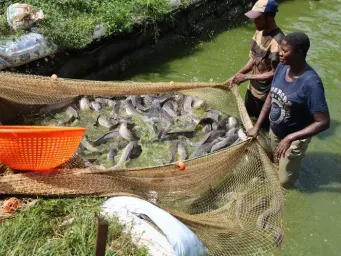

Top Financial Mistakes That Hurt Profitability in Fish Farming

Posted on: 2025-10-18
By: Kwame Adom
Fish farming can be a rewarding venture, but financial missteps can quickly erode your profits. Are you aware of the common pitfalls that could undermine your success? Many fish farmers underestimate operational costs, misjudge market demands, and fail to maintain proper budgeting practices.
In this article, we’ll explore the financial mistakes that often catch farmers off guard. From hidden expenses to the importance of market research, understanding these elements can make the difference between a thriving business and one that struggles to break even. If you want to ensure your fish farming venture remains profitable, it's crucial to identify and address these issues head-on. Let's dive in.
What You Will Learn
- How to identify and manage hidden operational costs in fish farming.
- The importance of accurate market research for setting competitive prices.
- Strategies for effective budgeting to maintain cash flow and avoid pitfalls.
- How stocking density affects your profitability and fish health.
- Ways to enhance market access and build relationships with local buyers.
- The role of financial risk management and contingency planning in safeguarding your venture.
Financial Mistakes That Undermine Your Profitability in Fish Farming
Why Most Fish Farmers Underestimate Operational Costs
You want to keep your fish farm profitable, but many farmers underestimate their operational costs. They often focus on production and overlook the expenses that can silently erode your profits. Here’s why understanding these hidden costs is crucial for your success.
The Hidden Expenses You Never See Coming
Operational costs can sneak up on you. Items like equipment maintenance, utilities, and unexpected repairs add up quickly, often without you realising it. You should ask yourself:
- What are the ongoing maintenance costs for my equipment?
- How much do I spend on electricity and water each month?
- Am I budgeting for potential emergencies or repairs?
A farmer in Ibadan once faced a shocking reality when his water pump broke down unexpectedly. He had to spend over 150,000 naira on repairs, which cut deeply into his profits for the month. This kind of financial blow is avoidable if you prepare ahead, perhaps by crafting a comprehensive fish farming plan that includes emergency funds.
What Happens When You Ignore Feed Costs
Feed is often one of your largest expenses, yet many farmers fail to track it meticulously. You need to calculate feed conversion ratios and ensure you’re not overfeeding or underfeeding your fish. The consequences can be dire:
- Overfeeding leads to wasted feed and increased costs.
- Underfeeding can stunt fish growth, delaying your return on investment.
- Monitoring feed costs allows you to adjust your pricing strategies.
If you can't manage feed costs effectively, your entire operation can suffer. You want to establish a system for tracking feed usage and costs to maintain profitability.

The Financial Burden of Environmental Regulations
Every fish farming operation must comply with local environmental regulations, which can come with costs. You need to factor in expenses such as:
- Permits and licences required by local authorities.
- Costs associated with waste management and compliance.
- Investments needed for sustainable practices to avoid penalties.
Ignoring these regulations can lead to fines or even shutdowns. You want to stay informed about local laws to ensure your farm runs smoothly without incurring unnecessary costs.
Key Point Title
- Monitor hidden expenses related to equipment and utilities.
- Track your feed costs to prevent wastage.
- Stay compliant with local environmental regulations to avoid fines.
By recognising and managing these costs, you can significantly enhance your farm's profitability. Failing to do so might leave you scrambling to make ends meet when unexpected expenses arise.
Now that you understand the importance of operational costs, your next job is to assess your current practices. Are there areas where you can tighten your budget, or do you need to invest in better tracking systems? Ignoring these questions could lead to financial difficulties down the line.
| Key Points | Details |
|---|---|
| Underestimating Operational Costs | Farmers often neglect hidden expenses like maintenance and utilities, which can erode profits. |
| Ignoring Feed Costs | Mismanagement of feed can lead to overfeeding or underfeeding, impacting growth and costs. |
| Compliance with Environmental Regulations | Failure to comply can result in fines and additional costs, highlighting the importance of staying informed. |
| Market Research and Pricing Strategy | Understanding local market demands and pricing is vital to avoid financial losses. |
| Budgeting Practices | Effective budgeting is essential to prevent cash flow issues and ensure operational sustainability. |
| Stocking Density Management | Both overcrowding and understocking can lead to financial losses and reduced profitability. |
| Market Access and Relationships | Limited access to markets can restrict revenue; building relationships with buyers is crucial. |
| Financial Risk Management | Investing in insurance and creating a contingency fund are key to mitigating financial risks. |
The Consequences of Poor Budgeting in Fish Farming
You need to grasp that effective budgeting is at the heart of your fish farming venture. Poor budgeting can lead to cash flow issues, leaving you unable to meet operational costs. Here’s what you must consider.
What Your Financial Statements Really Reveal
Your financial statements tell a story—if you take the time to read them. They reveal where your money is going and highlight areas needing attention. You should ask:
- Am I tracking my income and expenses regularly?
- What recurring costs can I reduce?
- How does my profit margin compare with industry standards?
A farmer in Delta State overlooked his financial reports until he realised that utility costs had spiralled. This oversight led him to make costly decisions based on incorrect assumptions.
How Lack of Recordkeeping Costs You More Than You Think
Neglecting proper recordkeeping can severely impact your profitability. Without accurate records, you miss opportunities for cost-saving and can’t identify trends. You'll want to keep track of:
- Daily operational expenses
- Sales trends over time
- Seasonal fluctuations
A case study from a farmer in Ogun State shows that poor recordkeeping led to unnecessary spending on feed. By not analysing past usage, he ended up over-ordering, which affected his cash flow. This highlights the importance of understanding common production challenges in African fish farming and how good record-keeping can mitigate them.
The Pitfalls of Overlooking Seasonal Variations
Fish prices can vary significantly with the seasons. You need to prepare for these fluctuations and adjust your budget accordingly. Ask yourself:
- When do local festivals peak fish demand?
- How can I adjust my production schedule to match seasonal trends?
- What historical data do I have to inform future budgeting?
A farmer in Accra learned the hard way that ignoring seasonal variations meant he sold his fish at a loss during low demand periods. You must anticipate these changes to avoid pitfalls.
Key Information
- Regularly review your financial statements.
- Maintain diligent recordkeeping.
- Understand and prepare for seasonal market changes.
Why Misunderstanding Stocking Density Can Sink Your Profits
Getting your stocking density wrong can severely impact your fish farming profitability. Both overcrowding and understocking come with hidden costs you need to be aware of.
The Hidden Costs of Overcrowding Your Ponds
Overcrowding can lead to stress among fish, lower growth rates, and higher mortality. You need to calculate the optimal density for your specific species. Consider:
- What is the recommended stocking density for my fish species?
- How does overcrowding affect feed conversion rates?
- What costs might I incur due to increased disease risk?
A farmer in Nairobi faced a significant loss when overcrowding led to disease outbreaks. The costs of treatment and mortality wiped out his profits for the year.
What You Didn't Factor in with Understocking
Understocking can also be detrimental. You might miss out on potential profits. You should evaluate:
- What is the optimal production capacity for my pond?
- How can I better forecast demand to avoid understocking?
- What are the financial implications of lower yields?
A farmer in Kampala experienced reduced income due to understocking, as he failed to meet market demand during peak seasons. This miscalculation cost him significantly.

The Strategies Successful Farmers Use to Get It Right
Successful farmers continuously monitor and adjust their stocking densities based on real-time data. You need to implement strategies such as:
- Conducting regular health assessments of your fish.
- Using data analytics to forecast demand accurately.
- Adjusting stocking levels based on growth rates.
Key Information
- Calculate appropriate stocking levels for your fish.
- Regularly assess fish health and growth.
- Utilise data to make informed stocking decisions.
The Role of Market Access in Your Financial Success
Market access is crucial in determining your profitability. Limited access can severely restrict your revenue streams. Let’s break this down.
How Limited Market Access Can Kill Your Revenue Streams
You want to ensure that your fish reach the right buyers. Limited market access often means lower prices and wasted stock. Consider:
- Where are my closest buyers located?
- What transportation options do I have to reach them?
- How can I diversify my market access?
A farmer from Benin City struggled to sell his fish due to limited transportation options. This resulted in unsold stock and financial loss.
The Importance of Building Relationships with Local Buyers
Building relationships with local buyers can greatly enhance your sales opportunities. You need to focus on networking and communication. Ask yourself:
- Who are my key buyers, and what do they value?
- How often am I engaging with them?
- What feedback can I gather to improve my offerings?
A farmer in Lagos increased sales by actively engaging with local traders, tailoring his production to meet their needs. This proactive approach paid off.
What Happens When You Neglect Supply Chain Management
Navigating your supply chain efficiently is vital for profitability. You need to understand your supply chain thoroughly. Consider:
- Who are my suppliers for feed and materials?
- What are my lead times for ordering supplies?
- How can I optimise my supply chain to reduce costs?
A farmer in Accra faced delays in feed delivery, which directly impacted his production schedule. These delays led to financial strain due to missed sales opportunities. To avoid such issues, you should also consider setting up your fish farm with robust supply chain planning.
Key Information
- Identify and build relationships with local buyers.
- Assess your transportation options for efficiency.
- Manage your supply chain effectively to avoid delays.
The Myths Surrounding Financial Risk Management
Financial risk management is often misunderstood. You need to navigate these misconceptions to safeguard your fish farming venture.
Why You Shouldn’t Skimp on Insurance for Your Fish Farm
Many farmers underestimate the importance of insurance. It can protect you from unexpected losses. You want to consider:
- What types of insurance do I need for my farm?
- How can insurance mitigate financial risks?
A farmer in Zaria regretted not having insurance when a flood devastated his farm. The financial burden was overwhelming without coverage.
The Risks of Not Having a Contingency Fund
Not having a contingency fund can leave you vulnerable to unforeseen circumstances. You should aim to set aside funds for emergencies. Ask yourself:
- How much should I save for unexpected expenses?
- What scenarios would require immediate financial support?
A farmer in Kitale faced sudden expenses from equipment failure, leaving him short-staffed and cash-strapped. A contingency fund could have alleviated this pressure.
How Diversifying Your Revenue Streams Can Protect You
Diversifying your revenue can shield you from market fluctuations. You need to explore additional income sources. Consider:
- What complementary products can I offer?
- How can I tap into different market segments?
A farmer in Dar es Salaam diversified by offering smoked fish alongside fresh produce. This strategy not only increased his income but also reduced reliance on a single market.
Key Information
- Invest in comprehensive insurance coverage.
- Create a contingency fund for emergencies.
- Diversify your revenue streams to cushion against market shifts.
Learning from Others: Case Studies of Financial Woes in Fish Farming
Exploring real-life examples can provide invaluable insights. Here are lessons learned from others' financial missteps.
What a Failed Fish Farm Taught Us About Financial Oversights
A fish farm in eastern Nigeria faced closure due to mismanaged finances. The owner ignored operational costs and failed to conduct basic market research. This resulted in unsold stock and eventual bankruptcy, highlighting the need for thorough financial planning.
The Inspiring Turnaround of a Nigerian Fish Farmer
A farmer in Ondo State turned his business around by embracing financial education. He enrolled in workshops focused on budgeting and market analysis, leading to increased profitability. His story shows that investing in knowledge pays off.
Lessons from Ghanaian Farmers Who Got It Right
Farmers in Ghana have successfully navigated financial challenges by collaborating and sharing insights. They formed groups to discuss pricing strategies and market demands, resulting in better decision-making and improved profits. Your community can be a powerful resource.
Key Information
- Study case studies of financial failures and successes.
- Engage with local farmers to share experiences.
- Invest in personal growth to enhance your business acumen.
Making the Choice: How Will You Alter Your Financial Strategy?
You have the power to shape your financial future. Here’s how to navigate the next steps.
The Impact of Continuous Education on Financial Management
Investing in your financial education is crucial. You should seek out resources to improve your understanding of budgeting, market analysis, and risk management. Ask yourself:
- What workshops or courses can I attend?
- How can I learn from successful peers?
A commitment to ongoing education will help you make smarter financial decisions.
What Your Financial Plan Must Include to Avoid Mistakes
Your financial plan should address all aspects of your business. You want to ensure it covers:
- Detailed budgeting for operational costs.
- Market analysis for pricing strategies.
- Contingency plans for unexpected events.
A comprehensive financial plan can be your roadmap to success.
Resources and Networks That Can Transform Your Business
Identify resources that can provide support. You should consider joining local farming organisations or online communities. These connections can offer:
- Access to valuable market insights.
- Networking opportunities with other farmers.
- Support in navigating challenges.
Key Information
- Commit to continuous education and personal growth.
- Develop a comprehensive financial plan.
- Engage with local networks for support and insights.
Where Do You Go From Here?
You have explored various financial pitfalls that could undermine your fish farming venture. It’s time to reflect and take action.
Assess your current practices and identify areas for improvement. Are you underestimating costs? Are your market strategies aligned with demand? These questions will guide your next steps.
Remember, the journey towards financial stability in fish farming may be challenging, but it is achievable. With the right knowledge, preparation, and community support, you can transform your venture into a successful and profitable business.
What You Need to Know About Market Research
You want to understand that your pricing could be based on misleading data. Many new fish farmers fall into the trap of assuming that the prices they see online or hear about from others reflect the reality of their local market. This oversight can lead to significant financial losses as you calculate your costs and set your selling prices based on inaccurate information.
Ask yourself these key questions:
- What are the top-selling fish species in my area?
- What sizes do buyers prefer?
- What are the current market prices for those species?
- What seasonal trends impact demand in my locality?
- Who are my main competitors, and what prices are they offering?
Without answering these questions, you risk setting prices that are too high or too low, ultimately squeezing your margins or driving potential customers away. For instance, a farmer in Kumasi discovered too late that the market favoured tilapia over catfish, leading them to understock tilapia and lose potential sales. You need to be proactive about distinguishing between perceived value and real demand.
You should also be wary of ignoring local market trends. This is where understanding your community truly matters. The demand for fish can vary dramatically from region to region and even within different neighbourhoods of the same city. Seasonal events, such as festivals or holidays, can significantly boost fish sales, and if you're not aware of these trends, you may miss out on lucrative opportunities.
Research in areas like Lagos shows that fish prices can surge during festive periods, with traders willing to pay up to 1,500 naira per kilo during peak demand. Knowing when to ramp up your production is critical. Consider using a simple calendar to mark these events and plan your production accordingly.
Finally, you must talk to your competitors. It might feel uncomfortable, but collaborating and exchanging insights can be invaluable. Understanding their pricing strategies, how they manage supply chains, and their buyer relationships can inform your own business decisions.
To illustrate, a fish farmer in Nairobi recently shared how discussing pricing with local sellers helped him adjust his own rates, leading to increased sales. Remember, the more informed you are about the market landscape, the better equipped you will be to make smart financial choices.
Key Point
- Identify local buyer preferences
- Monitor competitor prices regularly
- Track seasonal demand patterns
- Engage with local fish traders
- Utilise technology for market data analysis
You need to assess your market knowledge continuously. Without this diligence, you may find yourself struggling to compete or, worse, unable to sell your fish at all. The time you invest in thorough market research today can save you from costly mistakes in the future.
In conclusion, avoiding financial mistakes in your fish farming venture is crucial for enhancing your profitability. From underestimating operational costs to neglecting market research, each misstep can have significant consequences on your bottom line. Understanding the importance of prudent budgeting, stocking density, and market access will position you better in this competitive industry.
Take a moment to reflect on your current financial practices. Are there areas where you can improve? Seek out resources and networks that can support your growth and help you make informed decisions moving with the right knowledge, preparation, and community support, you can transform your venture into a successful and profitable business. forward. Your journey towards a more sustainable and profitable fish farming business starts with understanding and preventing these financial pitfalls.
Frequently Asked Questions
What are the most common financial mistakes new fish farmers make?
New fish farmers often underestimate operational costs, misjudge local market demands, and fail to implement proper budgeting practices. You need to account for hidden expenses like equipment maintenance, unexpected repairs, and the true cost of feed to avoid financial strain.
How can I accurately estimate operational costs for my fish farm?
To accurately estimate operational costs, you need to meticulously track all expenses, including feed, utilities, equipment maintenance, and potential repairs. You should also factor in costs associated with environmental compliance and permits. Regular monitoring and record-keeping are essential.
Why is market research so important for fish farming profitability?
Market research is crucial because it helps you understand local demand, preferred fish species, competitive pricing, and seasonal trends. Without this information, you risk setting incorrect prices, missing out on peak sales opportunities, and ultimately losing potential revenue.
How does stocking density affect my fish farm's finances?
Incorrect stocking density can severely impact your profits. Overcrowding leads to stressed fish, slower growth, increased disease risk, and higher mortality. Understocking, on the other hand, means you are not maximising your pond's capacity and missing out on potential income. You need to find the optimal balance for your species.
What measures can I take to manage financial risks in fish farming?
To manage financial risks, you should invest in comprehensive insurance to protect against unforeseen losses like floods or disease outbreaks. Additionally, creating a contingency fund for emergencies and diversifying your revenue streams can provide a financial cushion against market fluctuations and unexpected challenges.

Yomi Adisa Lead Researcher
Yomi Adisa is the lead researcher at Fish Farming Business, where he studies what makes aquaculture ventures profitable across Africa. His research focuses on market patterns, buyer preferences, and the business decisions that determine success or failure in fish farming.