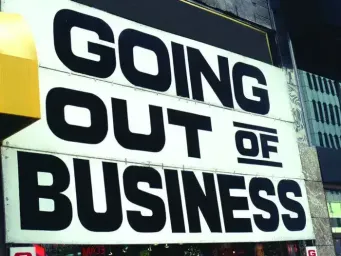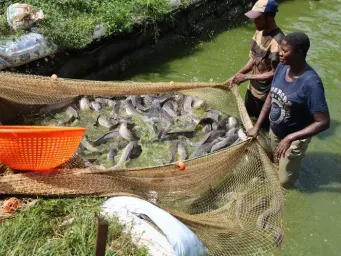

Understanding Why Most Fish Farmers Quit in Their First Year
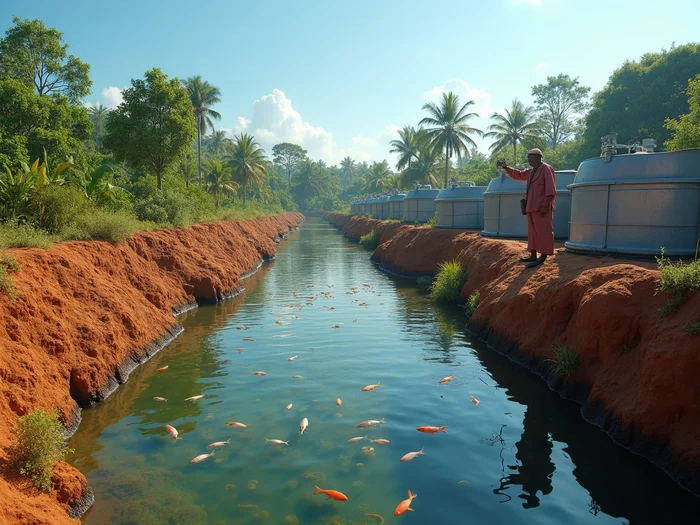
Posted on: 2025-11-21
By: Yomi Adisa
Are you considering starting a fish farming business? The initial excitement can be intoxicating, especially with the rising interest in aquaculture as a solution to food security in Africa. You might envision a sustainable business that not only feeds communities but also offers a profitable venture. However, the reality can often be a far cry from that dream.
Many new fish farmers find themselves facing unexpected hurdles that lead to a heavy toll on their enthusiasm and finances. From technical challenges and financial missteps to regulatory complexities, the first year of fish farming can be a steep learning curve. In this post, we'll explore why so many farmers decide to quit before their dreams can become a reality—and how you can navigate these challenges to succeed in your journey.
What You Will Learn
- The common technical challenges that new fish farmers face and how to address them.
- Essential financial insights to avoid costly mistakes during your first year.
- The importance of water quality management in ensuring fish health and profitability.
- Key regulatory requirements you need to understand before starting your aquaculture venture.
- The value of community support and networking in overcoming farming challenges.
The Allure and Illusion of Fish Farming
You've seen the numbers. Fish consumption across Africa is rising faster than production can keep up. Nigeria alone imports over $1 billion worth of fish annually, whilst Ghana's aquaculture sector grows by 15% each year. You look at these statistics and think: this is my opportunity.
The promise seems straightforward enough. Dig some ponds, stock them with fingerlings, feed the fish for six months, then harvest your profits. The government talks about supporting aquaculture. Development agencies offer training programmes. Your neighbour mentions a farmer in Ogun State who's making good money from catfish.
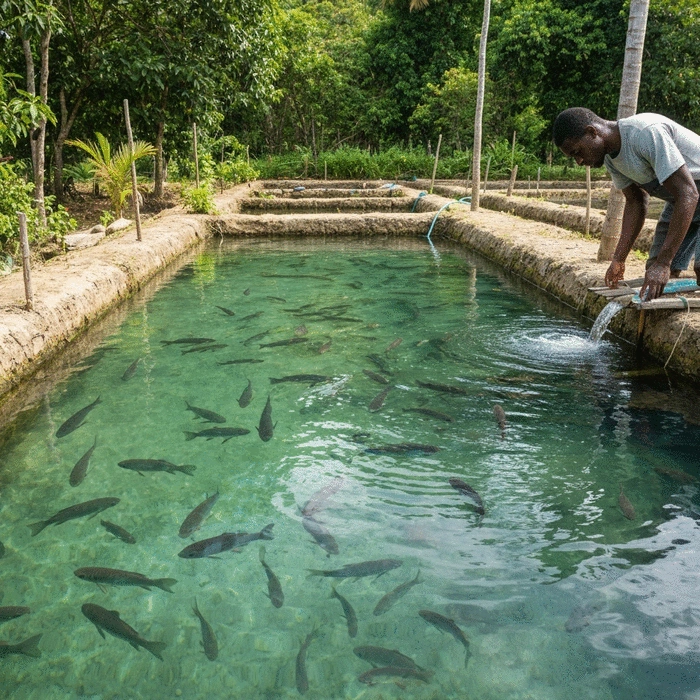
You start calculating potential returns on your smartphone. If tilapia sells for ₦1,200 per kilogram in Lagos markets, and you can produce 2,000 fish averaging 400 grams each, that's ₦960,000 from your first harvest. Subtract your costs—fingerlings, feed, pond construction—and you're looking at what seems like decent profit margins. Understanding market trends in African aquaculture helps you realise the potential of this growing industry.
Your Dream of a Sustainable Business
The vision becomes clearer each day. You imagine steady income flowing from multiple harvest cycles. You picture expanding from one pond to five, then ten. Perhaps you'll supply local restaurants directly, cutting out middlemen and keeping more profit for yourself.
The Numbers That Hook You
Your initial calculations probably look something like this:
- Pond construction: ₦200,000
- 1,000 fingerlings: ₦50,000
- Feed for 6 months: ₦180,000
- Expected harvest value: ₦960,000
- Projected profit: ₦530,000
The problem? These numbers assume everything goes perfectly.
Food security concerns make your venture feel almost patriotic. Africa imports $4 billion worth of fish annually—money that could stay within local economies if more farmers like you succeeded. You're not just starting a business; you're contributing to continental food independence.
The timing feels right too. Urban populations are growing, middle-class incomes are rising, and protein demand is increasing. You're positioning yourself at the intersection of necessity and opportunity.
When Your Reality Hits Hard
Three months into your first cycle, you're standing beside your pond at dawn, watching fish floating belly-up on the surface. The water has a strange smell you don't recognise. Your carefully calculated ₦530,000 profit has just become a ₦200,000 loss, and you still don't understand what went wrong.
This scene plays out across fish farms from Kaduna to Cape Coast. A farmer in Ashanti Region lost 800 fingerlings worth ₦40,000 when his pond's oxygen levels crashed overnight. Another in Rivers State watched his entire stock die during a power outage that lasted three days—his aerator couldn't function, and he hadn't planned for backup power.
| What You Expected | What Actually Happened |
|---|---|
| Steady growth over 6 months | Fish mortality spikes in month 3 |
| ₦1,200/kg market price | Buyers offer ₦800/kg for your size |
| Simple feeding routine | Complex water chemistry management |
| Predictable costs | Hidden expenses everywhere |
The enthusiasm that carried you through pond construction and fingerling stocking starts evaporating. You realise you're not just feeding fish—you're managing a complex biological system that responds to variables you never considered. Water temperature, pH levels, dissolved oxygen, ammonia concentrations—terms that weren't in your original business plan suddenly determine your success or failure.
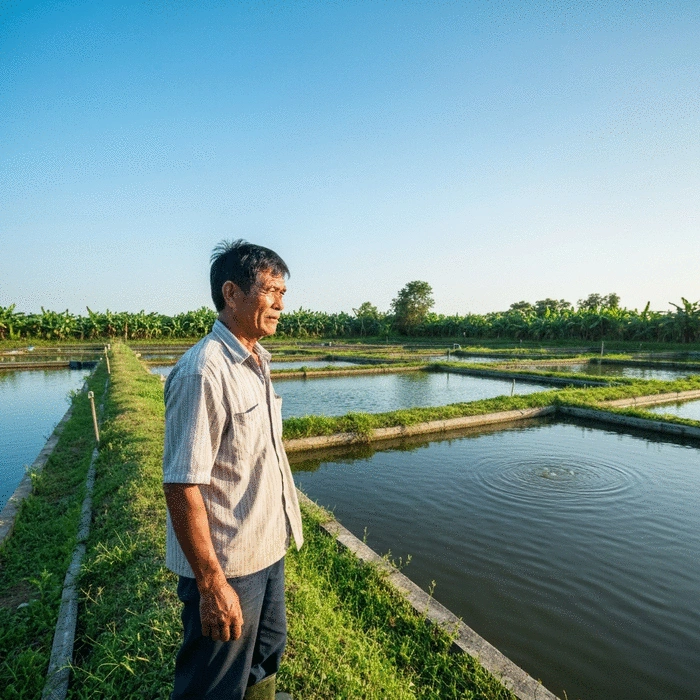
Your phone starts buzzing with calls from suppliers wanting payment for feed you've already used. The fingerling dealer who seemed so helpful during your purchase now takes days to return your calls when you need advice. You're discovering that fish farming isn't just about fish—it's about water chemistry, disease management, market timing, and cash flow management all happening simultaneously. Learning from common fish farming mistakes can help you navigate these challenges more effectively.
The dream of easy profits transforms into a daily struggle to keep your fish alive. Each morning brings new concerns: Are they eating properly? Is the water clear enough? Why are some fish swimming near the surface? You're learning a harsh lesson that thousands of African farmers learn each year: the gap between fish farming theory and fish farming reality is where most dreams die.
| Key Points | Details |
|---|---|
| Initial Excitement vs. Reality | Many fish farmers start with high hopes, but face unexpected challenges that can lead to quitting. |
| Technical Knowledge Gaps | New farmers often lack essential skills in water management, disease recognition, and feeding protocols. |
| Financial Miscalculations | Assumptions about pricing and costs can lead to losses, with unexpected expenses adding pressure. |
| Market Demand Understanding | Farmers often fail to research current market prices, which can affect profitability at harvest time. |
| Regulatory Challenges | Navigating local regulations can be complex, and non-compliance can lead to costly setbacks. |
| Importance of Community Support | Connecting with local networks can provide essential resources and knowledge-sharing opportunities. |
| Resilience and Mental Health | Maintaining a positive mindset and seeking support is crucial for overcoming challenges in farming. |
Navigating Regulatory Quagmires
Navigating the regulatory landscape can feel overwhelming. You enter the fish farming business with dreams of abundance, only to find a maze of compliance requirements waiting for you. The reality is that regulations can influence everything from your operational costs to your market access.
The Compliance Maze You Didn't Sign Up For
You might believe that once your pond is built and your fish are stocked, you can focus solely on farming. However, local regulations often dictate how you operate. A farmer in Lagos faced serious setbacks because he hadn't registered his farm with local authorities.
He missed crucial inspections and faced fines that drained resources he couldn't afford. This is a common mistake; you need to understand the legal requirements before you dive in.
Key Information
Before starting, ensure you understand:
- Required permits for aquaculture
- Health and safety regulations
- Environmental guidelines
Real Stories of Regulatory Setbacks
Many farmers find themselves unprepared for the layers of compliance. A farmer in Ghana had invested heavily in his operation, only to discover that he needed a waste management plan. The absence of this plan led to a temporary shutdown of his farm.
You need to stay informed and proactive about regulations to avoid costly interruptions.
How Compliance Can Make or Break You
On the flip side, there are farmers who turned regulatory challenges into opportunities. One farmer in Kenya embraced compliance by adopting sustainable practices. This not only met regulatory standards but also attracted eco-conscious buyers, allowing him to command premium prices.
Understanding the regulations can provide you with an advantage, positioning your farm as a responsible and sustainable operation. Proper permit management and regulatory compliance can save you from costly setbacks and position your business for long-term success.
Stories of Resilience: What Keeps You Going
In the face of adversity, resilience becomes your most valuable asset. Many farmers encounter challenges but manage to turn their experiences into stories of success.
Learning from the Survivors
You can learn a great deal from those who have persevered through their struggles. A farmer in Nigeria initially faced a series of failures but sought advice from experienced farmers. This led him to implement better water management practices, ultimately transforming his farm into a successful venture.
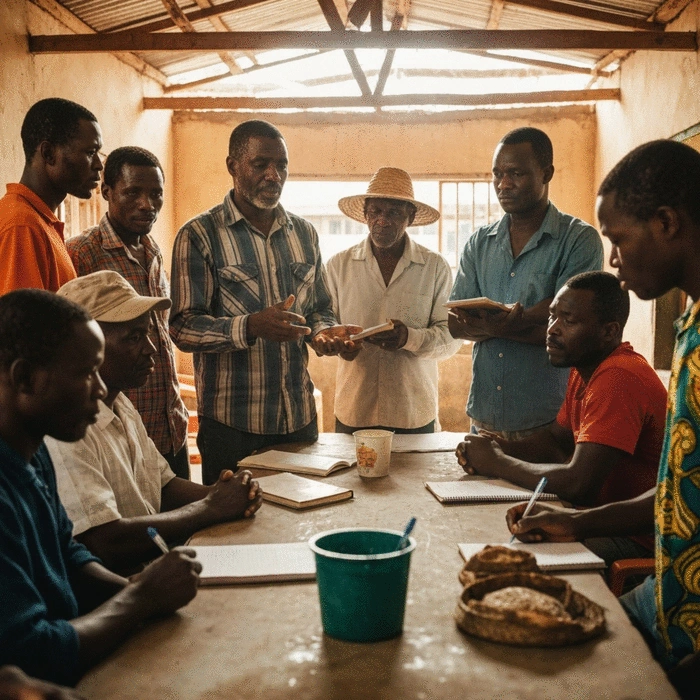
You want to connect with those who have "been there" to learn from their experiences.
Case Studies of Those Who Found Success
Take inspiration from the story of a farmer in South Africa who faced extreme losses but turned it around by diversifying his fish species. Instead of relying solely on tilapia, he introduced catfish and trout, enhancing his market reach. These case studies demonstrate that while the beginning is tough, success is attainable with the right strategies.
The Power of Community Support
You are not alone in this journey. Many farmers have benefitted from engaging with local farming communities. These networks provide valuable insights, resources, and emotional support.
A farmer in Kenya shared how a local cooperative helped him access bulk feed at reduced prices and provided training sessions on disease management. These community ties can make all the difference.
Mindset Matters: The Psychological Battle
The mental challenges of fish farming are often overlooked. You must cultivate resilience to navigate the ups and downs of this demanding industry.
Your Mental Health is Critical
Farming can be isolating, and the pressure may take a toll on your mental well-being. A farmer from Ghana shared that after facing multiple setbacks, he struggled with motivation. He realised the importance of seeking support and focused on self-care, which allowed him to approach his work with renewed energy.
You need to prioritise your mental health to sustain your passion for farming.
Cultivating Resilience in Adversity
Adopting a positive mindset can be transformative. Successful farmers often emphasise the importance of learning from failures rather than fearing them. They encourage you to reflect on setbacks and adapt your strategies.
Consider adopting practices such as journaling your experiences or seeking mentorship. These strategies can help you maintain focus and motivation during tough times.
Where Do You Go From Here?
As you reflect on your journey, acknowledge both the challenges and the opportunities that lie ahead.
Reflecting on Your Journey
You've faced numerous hurdles in your first year, but each experience has provided valuable lessons. Understanding the complexities of fish farming can pave the way for informed decisions moving forward.
Your Choice: Persevere or Pivot?
The decisions you make now can shape your future in fish farming. You might choose to persist, adapting your approach based on what you've learned. Alternatively, you could pivot to explore different aquaculture avenues or related ventures.
Take the time to assess your options, remembering that resilience and adaptability are key to long-term success.
Resources for Your Continued Learning
Investing in your education is a wise move. Knowledge can help you overcome challenges and unlock new opportunities.
Connecting with local farmers and online communities can offer support and knowledge sharing. Consider joining groups on social media platforms or participating in local agricultural fairs. These connections can provide you with essential resources and insights into market trends and best practices.
By seeking knowledge and building supportive networks, you enhance your chances of turning your fish farming venture into a profitable reality.
The Hidden Challenges You Didn't Anticipate
You thought fish farming would be straightforward—build ponds, stock fish, feed them, sell them. Most new farmers enter with this simplified view, only to discover layers of complexity they never imagined. The technical, financial, and environmental challenges hit simultaneously, creating a perfect storm that overwhelms even the most determined beginners.
The farmers who quit in year one aren't lazy or uncommitted. They're simply unprepared for challenges that experienced farmers take for granted. You need to understand what you're really signing up for before you invest your first naira.
The Technical Gaps Most Farmers Overlook
Why Your Skills Might Not Be Enough
You probably know how to dig a pond and buy fingerlings. But do you know how to calculate stocking density for your specific pond size? Can you recognise the early signs of oxygen depletion at 5 AM when fish start gasping?
Most farmers discover these knowledge gaps when it's too late to save their stock.
A farmer in Ogun State lost 2,000 catfish worth ₦400,000 because he didn't understand that overcrowding leads to ammonia poisoning. He had stocked his 10x20-metre pond with double the recommended fingerlings, thinking more fish meant more profit. Within six weeks, his fish were dying daily, and he couldn't understand why his water looked clear and his fish were well-fed.
Critical Skills You Need Before Starting
These technical gaps separate successful farmers from those who quit:
- Water chemistry management and testing procedures
- Proper feeding schedules and quantity calculations
- Disease recognition and treatment protocols
- Pond maintenance and cleaning techniques
- Record-keeping systems for tracking growth and costs
The problem isn't that this knowledge is impossible to acquire. The problem is that most farmers start production before they've mastered these fundamentals. You're essentially learning to drive whilst speeding down a motorway.
Water Quality: The Invisible Enemy
Your fish live in water 24 hours a day, yet most farmers treat water quality as an afterthought. You can't see ammonia levels rising, pH dropping, or oxygen depleting until your fish start showing stress. By then, you're fighting to save what's left rather than preventing problems.
Water parameters change faster than you think. A sudden rainstorm can drop your pond's pH overnight. Overfeeding for just three days can spike ammonia to toxic levels. Hot weather reduces oxygen faster than you can replace it.
You need monitoring systems and response protocols, not just good intentions.
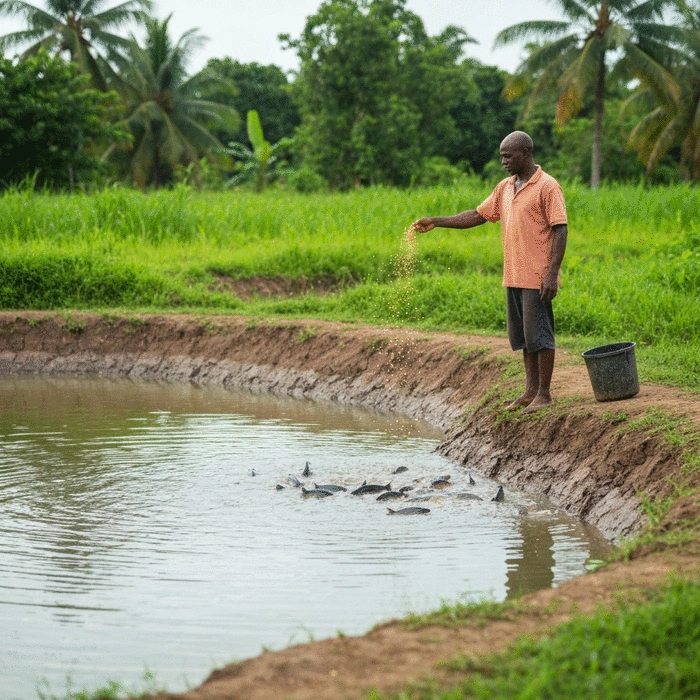
Consider what happens when you ignore water testing for two weeks. Your fish seem fine, eating normally, growing steadily. Then one morning you find 50 dead fish floating on the surface. The survivors are gasping, refusing food, and showing signs of stress.
You've just learned an expensive lesson about invisible water chemistry changes.
Financial Mistakes that Haunt Your First Year
The Market Demand Dilemma
You've calculated your production costs perfectly. You know exactly how much feed, labour, and pond maintenance will cost over six months. But have you confirmed that buyers actually want the size fish you're planning to produce? Do you know what they're willing to pay during your harvest season?
Most farmers build their financial projections on assumptions rather than market research. You assume that 1kg catfish will sell for ₦1,200 because that's what you saw online or heard from a friend. You don't verify current prices in your local market or understand seasonal fluctuations.
| Common Financial Assumption | Reality Check |
|---|---|
| Fish prices remain stable | Prices fluctuate 30-50% seasonally |
| All fish will reach target size | 10-15% mortality is normal |
| Buyers will come to your farm | You need to find and build buyer relationships |
| Feed costs won't change | Feed prices can increase 20% mid-cycle |
The market demand dilemma becomes critical when you're ready to harvest. You've invested six months and ₦500,000 into production. Your fish are healthy and the right size. But the buyers you counted on are offering prices that barely cover your costs, or they want different sizes than what you've produced.
Cash Flow: A Tightrope Walk
Fish farming requires significant upfront investment with no income for months. You need cash for pond construction, fingerlings, feed, labour, and unexpected expenses. Most farmers underestimate how much working capital they need to survive the production cycle.
Your cash flow challenges start immediately. Pond construction costs more than quoted. Fingerlings are more expensive than expected. Feed prices increase mid-cycle. Equipment breaks down.
You need emergency treatments for sick fish. Each unexpected expense strains your budget further.
The real cash flow crisis hits around month four. You've spent most of your initial capital, but your fish are still two months from harvest size. You need money for continued feeding, but you have no income. This is when many farmers make desperate decisions—selling fish too early at low prices or borrowing money at high interest rates.
The Environmental and Ethical Shadows
Fighting Against Fish Diseases
Disease outbreaks can destroy months of work within days. You wake up to find fish swimming erratically, refusing food, or showing visible symptoms you don't recognise. Without proper diagnosis and treatment protocols, you're helpless to stop the spread.
Fish diseases spread faster in crowded conditions, poor water quality, and stressful environments. The same conditions that many new farmers create unknowingly. You stock too many fish, skip water testing, and ignore early warning signs until it's too late to intervene effectively.
Prevention requires constant vigilance and proactive management. You need quarantine procedures for new fish, regular health monitoring, and immediate response protocols when problems appear. Most farmers learn these lessons through expensive losses rather than proper preparation.
The Cost of Neglecting Welfare
Poor fish welfare doesn't just create ethical concerns—it directly impacts your profitability. Stressed fish grow slowly, consume more feed per kilogram of growth, and become susceptible to diseases. You end up spending more money for worse results.
Welfare problems often stem from basic management mistakes. Overcrowding ponds beyond capacity. Irregular feeding schedules that create competition and stress. Poor water quality that forces fish to struggle for survival rather than focusing energy on growth.
These problems compound over time, reducing your final harvest weight and quality.
You might think that cutting corners on welfare saves money initially. The opposite is true. Proper welfare management reduces feed costs, minimises disease treatments, and produces healthier fish that command better market prices. The farmers who ignore welfare typically quit because their operations become unsustainable.
In conclusion, the journey of a fish farmer in their first year is often fraught with unexpected challenges. From the allure of a promising market to the harsh realities of technical know-how, financial management, and regulatory hurdles, it's clear why many choose to step away. You've read about the hidden pitfalls, the importance of understanding local demand, and the need for community support.
Now, it's time to reflect on your own aspirations. Will you choose to persevere through the obstacles, or consider pivoting to a different strategy? Whatever your decision, remember that continuous learning and adapting are crucial to navigating this complex landscape.
As you move forward, explore the resources available, connect with local networks, and stay informed about best practices in fish farming. Your next steps can make all the difference in turning your ambitions into a sustainable reality.
Frequently Asked Questions
What are the most common reasons new fish farmers quit in their first year?
New farmers typically quit due to unexpected technical challenges like water quality management, financial pressures from hidden costs, disease outbreaks that destroy stock, and lack of proper market research leading to poor sales prices. Many underestimate the complexity of managing a biological system and the working capital needed to sustain operations until harvest.
How much working capital should I have beyond my initial setup costs?
You should have at least 30-50% additional working capital beyond your calculated setup costs to handle unexpected expenses. This includes emergency treatments, equipment repairs, feed price increases, and extended production cycles. Many successful farmers recommend having enough cash to cover 8-10 months of operational expenses rather than just the planned 6-month cycle.
What water quality parameters are most critical for fish survival?
The most critical parameters are dissolved oxygen (should be above 5mg/L), pH levels (6.5-8.5 for most species), ammonia (should be near zero), and temperature stability. You need to monitor these regularly because they can change rapidly due to weather, feeding, or fish waste accumulation. Investing in basic testing kits is essential for preventing major losses.
How can I avoid the common mistake of poor market timing?
Research your local market prices throughout the year to understand seasonal fluctuations before you start production. Build relationships with potential buyers early, understand their size preferences, and consider staggered stocking to spread your harvest across different seasons. Don't assume prices will remain constant or that buyers will automatically come to your farm.
What regulatory requirements should I understand before starting?
You need to research local permits for aquaculture operations, environmental compliance requirements, health and safety regulations, and waste management protocols. Contact your local agricultural extension office or fisheries department early in your planning process. Non-compliance can lead to fines, shutdowns, or restrictions that make your operation unprofitable.

Yomi Adisa Lead Researcher
Yomi Adisa is the lead researcher at Fish Farming Business, where he studies what makes aquaculture ventures profitable across Africa. His research focuses on market patterns, buyer preferences, and the business decisions that determine success or failure in fish farming.