
Navigating Fish Farming in Nigeria: Challenges and Opportunities
Posted on: 2025-11-22
By: Yomi Adisa
Fish farming in Nigeria holds significant promise, but it's not without its hurdles. As you dive into this sector, you may find yourself questioning why many fish farmers fail to thrive despite the growing demand for fish. Are you aware of the critical factors that impact profitability, beyond just knowing how to raise fish?
In this blog post, we'll explore common pitfalls like inadequate market research, escalating feed costs, and limited access to capital. We'll also highlight hidden opportunities, from local fish feed production to governmental funding avenues that could be game-changers for your business. Understanding these challenges and opportunities is essential for transforming your fish farming venture from a survival activity into a profitable enterprise.
What You Will Learn
- How to conduct effective market research to align your fish production with consumer demand.
- The critical factors influencing feed costs and strategies to manage them effectively.
- Ways to access funding and government initiatives that support fish farming growth.
- Insights into overcoming infrastructure challenges to enhance operational efficiency.
- The importance of continuous education and skills development for successful aquaculture.
Fish Farming in Nigeria: Challenges and Opportunities
You're standing at the edge of one of Africa's most promising agricultural sectors, but the path ahead isn't as straightforward as most guides suggest. Nigerian fish farming represents a ₦800 billion opportunity, yet countless farmers struggle to capture even a fraction of that potential. The difference between those who thrive and those who barely survive often comes down to understanding challenges that aren't obvious until they hit you.
Most farmers enter this business thinking production knowledge is enough—learn to raise healthy fish, build proper ponds, manage water quality, and profits will follow. That's only half the equation. The other half involves navigating market complexities, infrastructure limitations, and economic realities that can make or break your venture before your first harvest.
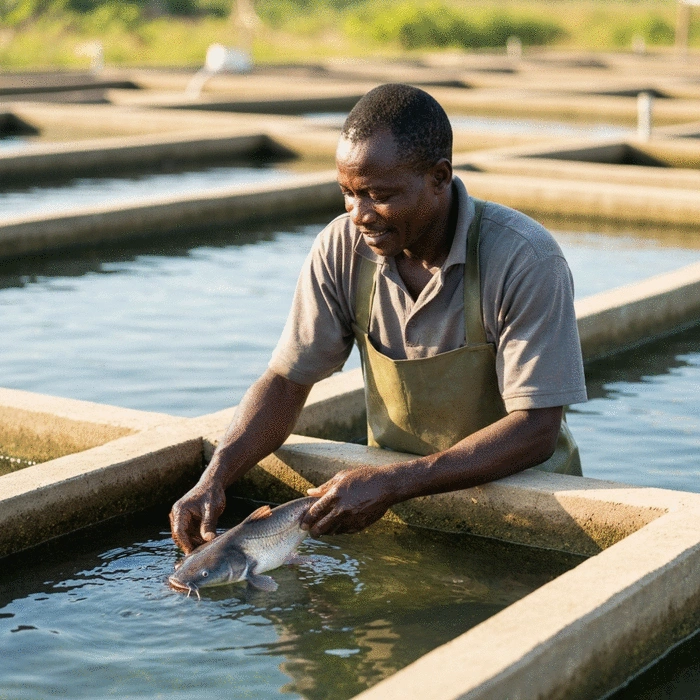
Here's what separates successful fish farmers from those who abandon their dreams after two seasons: they understand that every challenge in Nigerian aquaculture also represents an opportunity for those who know how to respond strategically. Understanding challenges and solutions for fish farming helps you prepare for what lies ahead.
Why Most Fish Farmers Miss the Mark with Their Market Research
You walk into Lagos fish markets expecting to find eager buyers for your premium catfish, only to discover that traders are already oversupplied with the exact size you've been producing for six months. Meanwhile, there's strong demand for smaller fish that you never considered raising. This scenario plays out across Nigeria every week, and it stems from a fundamental misunderstanding of how fish markets actually operate.
Market research in fish farming isn't about asking a few traders what they buy—it's about understanding seasonal demand patterns, regional preferences, price fluctuations, and buyer relationships that determine whether you'll sell at premium prices or struggle to break even. Most farmers skip this crucial step because they assume demand is consistent and universal.
The cost of poor market research compounds over time. You might survive your first harvest selling at whatever price traders offer, but without understanding market dynamics, you're essentially gambling with every production cycle.
The Hidden Costs of Ignoring Market Trends
You need to understand that fish markets in Nigeria operate on complex seasonal and regional patterns that most farmers never discover until it's too late. During Ramadan, demand for certain fish sizes spikes in northern markets while southern demand shifts toward different species entirely. Festival seasons create temporary price premiums that can boost your profits by 40% if you time your harvest correctly.
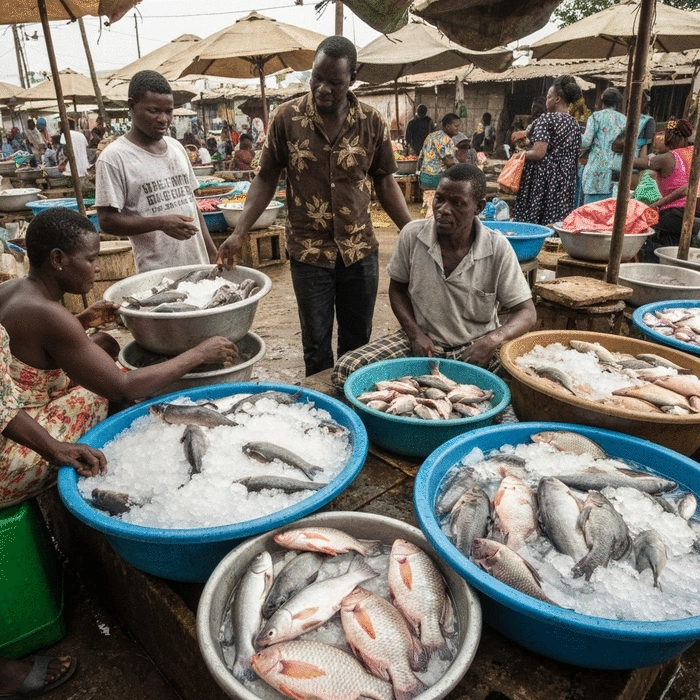
Without tracking these patterns, you're producing fish based on assumptions rather than actual market intelligence. A farmer in Ogun State discovered this when he harvested 2,000kg of catfish in January, expecting strong New Year demand, only to find that traders were still working through December oversupply and offering prices 30% below his break-even point.
Market Research Questions You Need Answers To
Before you stock your next pond, you need specific answers to these questions:
- Which fish sizes sell fastest in your target markets during different seasons?
- What price premiums exist for specific harvest timing?
- How do regional preferences affect demand for different species?
- What relationships do successful farmers maintain with buyers?
- How do festival seasons and religious observances impact pricing?
Tales of Farmers Who Failed to Adapt
You can learn from farmers who discovered market realities the expensive way. Consider what happened to farmers across Kaduna State when imported frozen fish flooded local markets in 2022. Those who had been producing large catfish for restaurant trade watched their profit margins disappear overnight as buyers switched to cheaper imports.
The farmers who survived this market shift had been tracking import patterns and buyer preferences for months. They saw the trend developing and adjusted their production toward sizes and species that couldn't be easily replaced by imports. While others struggled with unsold inventory, these prepared farmers maintained their market positions.
Market adaptation isn't just about reacting to changes—it's about anticipating them. You need systems for monitoring buyer behaviour, tracking competitor activities, and understanding economic factors that influence fish consumption patterns across different regions. Proper market research for fish farming can help you avoid these costly mistakes.
What You Need to Know About Understanding Local Demand
Your local market research needs to go deeper than casual conversations with traders. You need to understand the complete supply chain from your pond to the final consumer, including how fish move through different market levels, what margins exist at each stage, and where opportunities for direct sales might exist.
Successful farmers develop relationships with multiple buyer categories—not just fish traders, but restaurant owners, processing facilities, and even direct consumers through farmers' markets. This diversification protects you from market fluctuations and creates opportunities for premium pricing when you understand what each buyer segment values most.
| Buyer Type | Preferred Sizes | Price Sensitivity |
|---|---|---|
| Market Traders | Mixed sizes for retail | High - focus on margins |
| Restaurants | Consistent large sizes | Medium - value consistency |
| Processing Plants | Uniform medium sizes | Low - volume focused |
The key insight most farmers miss is that different buyers value different attributes beyond just fish quality. Some prioritise consistent supply schedules, others want specific packaging, and many will pay premiums for reliable delivery timing. Understanding these preferences allows you to position your farm as more than just another fish supplier.
| Key Points | Details |
|---|---|
| Market Research Challenges | Inadequate understanding of seasonal demand and market dynamics can lead to poor sales and profitability. |
| Feed Cost Management | Feed constitutes a major expense; fluctuations in prices can impact profit margins significantly. |
| Access to Capital | Limited funding can hinder growth and prevent farmers from purchasing necessary resources. |
| Infrastructure Challenges | Poor infrastructure affects transport and supply chain efficiency, impacting profitability. |
| Skills Gaps | Lack of technical knowledge in aquaculture can lead to lower yields and increased losses. |
| Post-Harvest Losses | Inefficient handling can result in significant losses, affecting overall profitability. |
| Opportunities | Local feed production and access to government funding can enhance business sustainability and profitability. |
| Market Adaptability | Successful farmers anticipate market trends and adapt production accordingly to maintain profitability. |
What Happens When You Underestimate Feed Costs
You walk into your local feed supplier expecting to pay the same price you budgeted three months ago. The dealer quotes you ₦18,000 per 25kg bag—up from ₦14,000 when you started planning your farm. Your carefully calculated profit margins just evaporated, and you haven't even stocked your first pond yet.
Feed represents 60-70% of your total production costs in fish farming. When feed prices spike unexpectedly, farmers who didn't plan for volatility find themselves choosing between feeding their fish properly or watching their investment die slowly. You need to understand that feed costs aren't just another line item—they're the difference between profit and bankruptcy.
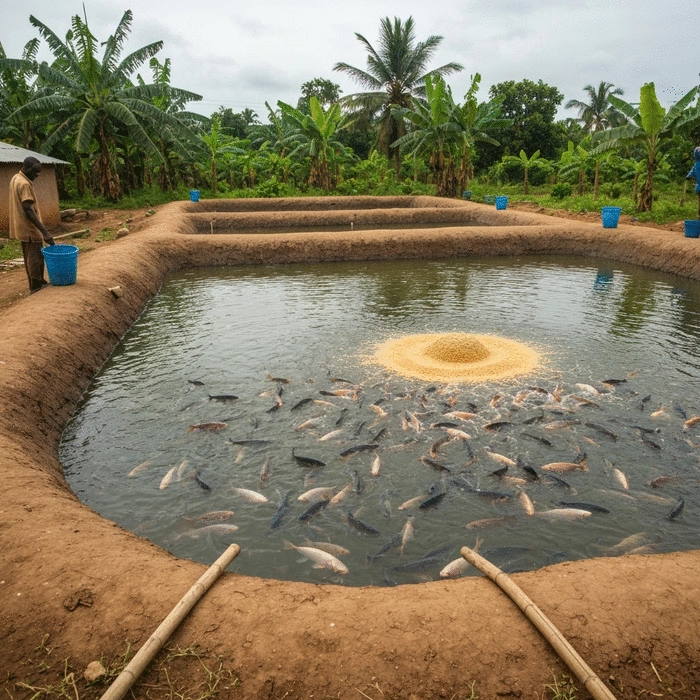
Most farmers focus on pond construction and fingerling sourcing while treating feed as an afterthought. This backwards approach has destroyed more fish farming businesses than disease outbreaks and poor water quality combined. You want to master feed cost management before you stock your first fish, not after you're already committed to feeding them. Understanding feed management for growth is crucial for your success.
The Shocking Truth About Fish Feed Prices
Feed prices in Nigeria can fluctuate by 30-40% within a single production cycle. You might budget ₦15,000 per bag in January and face ₦21,000 per bag by June when your fish are approaching harvest size. These aren't gradual increases you can plan around—they're sudden jumps that catch unprepared farmers completely off guard.
The volatility stems from multiple factors you need to monitor constantly. Import duties on feed ingredients change with government policy shifts. Currency devaluation makes imported soybean meal and fish meal more expensive overnight. Seasonal demand from poultry farmers drives up prices for shared ingredients like maize and soybean cake.
Feed Cost Variables You Must Track
Your feed costs depend on factors that change independently of your farming decisions:
- Seasonal availability of local ingredients like maize and soybean
- Import policies affecting fish meal and vitamin premixes
- Competition from poultry industry for shared ingredients
- Transportation costs from feed mills to your location
- Currency exchange rates for imported components
You cannot control these variables, but you can prepare for their impact. Smart farmers build feed cost buffers into their budgets and establish relationships with multiple suppliers. They also monitor commodity markets and government policy announcements that signal upcoming price changes.
Stories of Farmers Who Struggled with Supply Issues
A farmer in Ogun State learned this lesson the expensive way when his primary feed supplier suddenly stopped production due to foreign exchange challenges. His fish were in their final growth phase, consuming maximum feed quantities, when he discovered alternative suppliers were charging 25% more and had three-week delivery delays.
He faced an impossible choice: pay premium prices that eliminated his profit margin, or reduce feeding frequency and watch his fish lose weight just before harvest. He chose to maintain feeding but had to sell his fish at break-even prices to cover the unexpected feed costs. Six months of work generated zero profit because he hadn't secured backup suppliers.
Supply disruptions happen more frequently than price spikes, and they're often more devastating. You need multiple supplier relationships established before you need them, not when your fish are already in the ponds demanding daily feeding.
Why Your Choice of Feed Could Make or Break Your Business
You face a constant tension between feed quality and feed cost, but this isn't a simple trade-off. Cheap feed often contains lower protein levels, poor digestibility, and inconsistent nutrient profiles that slow fish growth and increase your feeding period. What looks like cost savings becomes expensive when you calculate the total cost per kilogram of fish produced.
Premium feeds with higher protein content and better feed conversion ratios can actually reduce your total feed costs per kilogram of fish. A feed that costs ₦2,000 more per bag but improves feed conversion from 1.8:1 to 1.5:1 saves you money over the entire production cycle. You need to calculate total feed costs, not just bag prices.
| Feed Quality | Price per Bag | Feed Conversion | Total Cost Impact |
|---|---|---|---|
| Budget Feed | ₦15,000 | 2.0:1 | Higher total cost |
| Premium Feed | ₦18,000 | 1.5:1 | Lower total cost |
The timing of your feed purchases also affects your profitability significantly. Feed prices typically peak during dry season months when transportation costs increase and ingredient availability decreases. You want to secure feed supplies during lower-price periods and store them properly, rather than buying week-to-week at whatever price the market demands.
Your feed storage capacity becomes a competitive advantage when prices are volatile. Farmers who can store 2-3 months of feed requirements can buy during price dips and avoid panic purchases during supply shortages. This requires proper storage facilities that protect feed from moisture, pests, and spoilage—but the investment pays for itself through reduced feed costs and guaranteed supply availability.
The Consequences of Limited Access to Capital
Capital access can be the deciding factor between growth and stagnation in your fish farming business. Many farmers underestimate the financial requirements needed to scale operations, resulting in missed opportunities. Without sufficient funding, you can find yourself unable to purchase quality feed, invest in infrastructure, or even miss seasonal production windows.
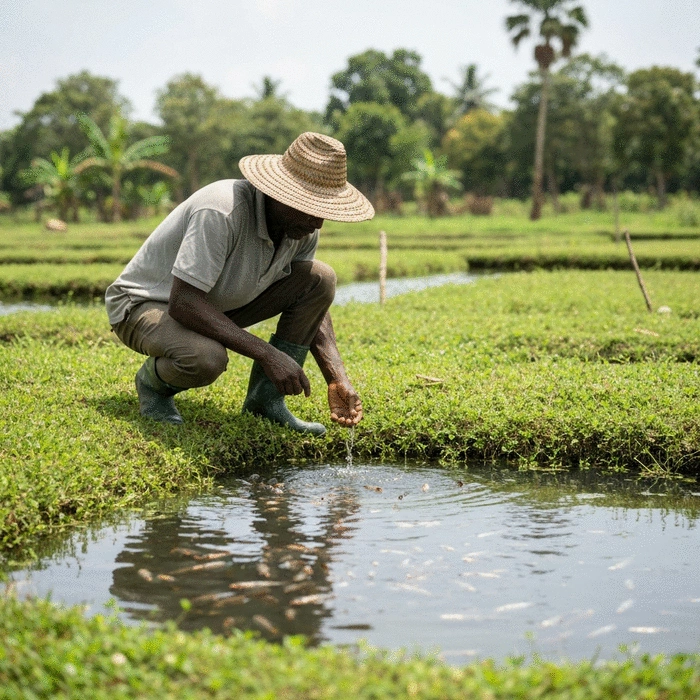
You want to ensure you have a financial plan in place that accounts for both expected and unexpected costs. The reality is that most farmers who struggle do so because they haven't secured adequate capital to make informed decisions.
Real Stories of Farmers Who Couldn't Scale Up
Consider a farmer in Delta State who had a thriving catfish operation. His farm was producing excellent yields, but when he wanted to expand his pond capacity, he found himself unable to secure the necessary funds. Without the ability to scale, he watched as competitors with better access to capital took over the market.
This situation isn't unique. Many farmers face similar obstacles, and the lack of funding can render a successful business model ineffective.
Key Information
Take these steps to improve your access to capital:
- Prepare a solid business plan highlighting your growth potential.
- Explore local and international funding opportunities.
- Build relationships with financial institutions.
How Government Initiatives Can Change Your Future
Government programmes aimed at boosting agricultural output can be a lifeline for fish farmers. Initiatives like the Anchor Borrowers' Programme offer loans with low-interest rates for farmers in Nigeria. Engaging with such programmes can provide the financial backing you need to expand your operations sustainably.
You need to stay informed about available grants and initiatives that could support your business. These resources often come with fewer strings attached compared to traditional loans.
What You Need to Know About Navigating Financial Barriers
Understanding the financial landscape is crucial. You want to familiarise yourself with the requirements for accessing loans and grants. Keep in mind that you may need documentation showing your farm's potential profitability and a solid repayment plan.
Consider leveraging technology to improve your financial literacy. Apps and online platforms can help you manage your finances more effectively, making it easier to prepare for funding applications.
Why Poor Infrastructure Is a Silent Killer for Fish Farms
Infrastructure issues can undermine even the best-planned fish farming ventures. Poor road conditions can hinder your ability to transport fish to market or receive essential supplies, ultimately affecting your profitability.
You want to assess the infrastructure in your area carefully. Farm locations with better access to roads, storage facilities, and markets can make a world of difference in your operations.
The Logistics Nightmare That Costs You Money
Imagine preparing to deliver your fresh fish to a market, only to find that the roads are impassable due to flooding. Time and resources wasted on logistics issues can severely impact your bottom line. It's vital to plan for how you'll manage these challenges.
Always have alternative routes or backup plans for transport. This foresight can save you from costly delays.
Success Stories: Farmers Who Overcame Infrastructure Challenges
A determined farmer in Ogun State faced severe transportation issues due to a lack of proper roads. By collaborating with local community leaders and advocating for infrastructure improvements, he gained access to better routes for transporting his fish. This initiative not only improved his business but set a precedent for other farmers in the region.
You can learn from such examples; active engagement in community development can lead to significant benefits for your own farm.
What You Should Consider When Choosing Your Location
When selecting a location for your fish farm, consider factors such as proximity to major markets, access to quality water sources, and existing infrastructure. Your location can either facilitate or hinder your business growth.
You want to create a checklist to evaluate potential sites. Assess factors like transport links, water quality, and even local demand for fish.
What You Didn't Realise About Skills Gaps in Aquaculture
Skills gaps are often overlooked in the fish farming sector. Understanding aquaculture principles goes beyond just knowing how to raise fish. Technical expertise can significantly impact your yields and overall business performance.
You want to invest in training and education for yourself and your team. This investment will pay off through improved productivity and higher profit margins.
The Impact of Technical Know-How on Your Yields
Without proper training in water quality management, fish health, and feeding practices, you risk lower yields. A farmer in Enugu learned this the hard way when his lack of knowledge led to a disease outbreak that decimated his stock.
You cannot afford to neglect your education in this field. Seek workshops or online courses to fill those knowledge gaps.
Farmers Who Turned Their Businesses Around with Training
Many successful farmers have realised that continuous learning is key. One farmer in Cross River attended a series of workshops on modern aquaculture techniques. After implementing what he learned, he saw a 30% increase in his fish yields.
You should actively look for opportunities to boost your knowledge and skills.
Why Ignoring Education Could Derail Your Plans
Education is not just about theoretical knowledge; it's about practical application. Failing to keep up with best practices in aquaculture can set you back significantly.
You want to make a commitment to lifelong learning. Subscribe to relevant publications or join local farmer associations to stay informed.
How Market Instability Can Steal Your Profits
Market volatility is a reality every fish farmer must face. Prices can fluctuate dramatically based on factors such as supply, demand, and economic conditions. Without the right strategies in place, you risk losing profits.
You want to develop a pricing strategy that accommodates market shifts while ensuring you remain competitive.
The Rollercoaster of Fish Prices You Didn't Expect
Imagine harvesting 500kg of tilapia, only to find that prices have dropped by 40% since your last sale. Such scenarios can leave you feeling helpless. You must anticipate these market changes and plan accordingly.
Regularly monitor market trends and adjust your production cycles to align with demand.
Tales of Farmers Who Adapted to Survive Economic Shifts
A farmer in Lagos adapted his operations to seasonal price changes. By adjusting his harvest schedules based on market demand, he managed to maintain his profit margins despite fluctuating prices.
You should learn from such adaptive strategies to navigate the unpredictable nature of the market.
What You Need to Know About Building a Resilient Business
Building resilience means preparing for uncertainties. You want to create a contingency plan for dealing with unexpected market shifts. This might include diversifying your product range or establishing a network of loyal buyers.
Make resilience a core part of your business strategy to safeguard against potential market downturns.
The Mystery of Post-Harvest Losses and What You Can Do
Post-harvest losses can silently eat into your profits. If you're not managing your supply chain effectively, you risk losing significant quantities of fish before they reach the market.
You want to analyse where losses occur in your supply chain and implement strategies to minimise waste.
Surprisingly High Figures: The Cost of Wasted Fish
Statistics show that up to 30% of fish can be lost post-harvest due to poor handling and transportation methods. This is a staggering amount, and it highlights the need for better management.
You need to invest in proper storage and transportation solutions to preserve your fish quality.
How Innovative Farmers Reduced Waste Significantly
One farmer introduced modern chilling techniques that allowed him to keep his fish fresh longer during transport. As a result, he reduced his post-harvest losses by 25%, translating to higher profits.
Taking similar steps can significantly impact your bottom line.
What You Need to Know About Improving Your Supply Chain
Focus on streamlining your supply chain from farm to market. You want to eliminate inefficiencies, ensure proper handling, and communicate effectively with buyers.
Consider working with logistics experts who can provide insights into optimising your supply chain processes.
The Hidden Opportunities in Local Fish Feed Production
Local production of fish feed can be a game-changer for your business. Not only does it reduce dependence on expensive imported feeds, but it also allows you to tailor nutrition specifically to your farm's needs.
You want to explore the feasibility of setting up a local feed production facility.
Why Investing in Local Feed Can Change the Game
By producing your own feed, you gain control over quality and pricing. A farmer in Akwa Ibom did just this, reducing his feed costs by 20% and increasing his margins significantly.
You should research the investment required and the potential returns of local feed production.
Success Stories of Entrepreneurs Breaking Ground
Several entrepreneurs have successfully launched local feed production businesses. One such entrepreneur in Kano turned his small workshop into a thriving feed mill. By supplying local farmers, he created a sustainable income source for himself and his community.
Consider the potential impact local feed production can have not just on your business but also on the local economy.
What You Should Know About Reducing Your Dependence on Imports
Relying on imported feed can expose you to price fluctuations and supply chain disruptions. You want to assess the ingredients required for fish feed and identify local alternatives.
Start building relationships with local farmers and suppliers to create a more secure supply chain.
What You Need to Know About Government and International Funding
Numerous funding sources are available to fish farmers, both from governmental and international organisations. Securing these funds can provide the boost you need to grow your operations sustainably.
You want to actively seek out and apply for grants and loans that fit your business model.
How Some Farmers Are Accessing Life-Changing Grants
A farmer in Oyo State recently accessed a government grant that funded improvements to his farming infrastructure. This allowed him to double his production capacity.
You should look for similar opportunities and prepare your application to meet necessary requirements.
The Role of Initiatives Like FISH4ACP in Your Success
Programmes like FISH4ACP focus on enhancing aquaculture production and improving fish value chains. Engaging with such initiatives can provide not only funding but also valuable resources and training.
Stay informed about these initiatives and be ready to take advantage of new offerings.
What You Need to Do to Position Yourself for Funding
To maximise your chances of obtaining funding, you want to have a clear business plan that outlines how you will use the funds. Be prepared to demonstrate your business's potential for growth and profitability.
Establish connections with local funding bodies and attend workshops that can help you refine your pitch.
Why Policy Frameworks Will Define the Future of Your Farm
Understanding the policy landscape is essential for fish farmers. Government regulations can significantly impact your operations, from subsidies to fishing quotas.
You want to stay informed about policy changes that may affect your business.
The Policies That Could Open New Markets for You
Recent policies aimed at promoting local sourcing and aquaculture development can create new opportunities. A farmer who understands these policies can leverage them to gain market access.
Research local regulations and engage with agricultural policy forums to stay ahead.
Lessons From Regions Where Policies Boosted Production
In regions where supportive policies exist, fish farming often flourishes. A farmer in Niger State experienced this firsthand when new policies incentivised local fish production, resulting in increased market share.
You should advocate for policies that benefit your business and community.
What You Need to Know About Engaging with Policymakers
Building relationships with local policymakers can help shape the future of your business. You want to attend community meetings and engage in discussions about agricultural policies.
Consider forming or joining coalitions with other farmers to have a stronger voice in advocating for beneficial policies.
How Fish Farming Can Be a Catalyst for Job Creation
Fish farming isn't just a personal business venture; it can also create jobs and support local economies. The potential for employment in aquaculture can change the socio-economic landscape of your community.
You want to consider how your business can create employment opportunities for others.
The Untold Impact of Aquaculture on Local Communities
A fish farm can provide jobs not only on the farm but also in related services such as transport, feed production, and processing. For example, a farmer in Ogun State hired local workers to help with his operations, boosting the local economy.
Think about how your business can contribute to community development.
Case Studies: Farmers Who Made a Difference
Farmers who hire locally often report increased loyalty from their communities. One farmer in Benue provided training to his employees, leading to a skilled workforce that improved his farm's productivity.
You should invest in training your workforce to enhance your operational efficiency and community ties.
Why Supporting Local Fish Farming Matters for Economic Development
Encouraging local fish farming supports food security and reduces reliance on imports. You want to promote the benefits of aquaculture to local stakeholders and engage in community discussions.
Take a proactive role in fostering a supportive environment for fish farming in your area.
What You Should Know About Climate Change and Sustainability
Climate change poses significant risks to fish farming operations. Rising temperatures and changing weather patterns can impact fish health and production.
You want to develop strategies to adapt to these changing conditions.
The Risks of Ignoring Environmental Factors in Your Farm
Failing to consider environmental factors can lead to reduced yields and increased costs. A farmer in Ekiti experienced poor harvests when he neglected to monitor water quality, leading to fish stress and disease.
You need to incorporate environmental monitoring into your management practices.
How Some Farmers Are Innovating to Combat Climate Challenges
Innovative farmers are finding ways to mitigate climate impacts. One farmer in Abia adopted rainwater harvesting techniques, which not only improved water management but also reduced costs.
Look for innovative practices that can enhance sustainability in your farming operations.
What Sustainable Practices Could Mean for Your Profitability
Sustainable practices can lead to long-term savings and improved profitability. By adopting eco-friendly methods, farmers can also attract a growing segment of environmentally conscious consumers.
You want to explore how sustainability can be integrated into your business model for both ethical and financial benefits.
Where Do You Go From Here?
Navigating the complexities of fish farming can seem daunting, but understanding the challenges and seizing the opportunities can set you on the path to success. You want to take actionable steps to address the issues discussed in this article.
The Choices You Face in a Rapidly Evolving Market
The fish farming landscape is changing quickly. You need to decide how you will adapt to these shifts—whether through better market research, improved production methods, or securing funding.
Evaluate your current strategies and make necessary adjustments to stay competitive.
Final Thoughts on Navigating Challenges and Embracing Opportunities
While challenges are abundant, so are opportunities. Your success depends on your willingness to learn, adapt, and innovate in an ever-evolving market.
You must take the initiative to stay informed and proactive in your approach.
A Call to Action: How You Can Make a Difference in Nigerian Aquaculture
Take the insights gained from this post and apply them to your fish farming operations. Engage with your community, invest in education, and remain vigilant about market trends.
Your actions can not only enhance your success but also contribute positively to the future of aquaculture in Nigeria.
In conclusion, navigating the fish farming landscape in Nigeria presents both challenges and opportunities that you should carefully consider. From understanding local market demands to managing feed costs, your ability to adapt and learn can significantly impact your success.
It's essential to recognise the importance of access to capital, infrastructure, and skills training. These factors can determine whether you thrive as a fish farmer or struggle to stay afloat. Moreover, being aware of market volatility and post-harvest losses can help you make informed decisions that protect your profits.
As you reflect on these insights, think about your own fish farming journey. Are there areas where you can improve your understanding or adapt your strategies? Take the time to educate yourself on local production challenges and explore innovative solutions.
Consider reaching out to fellow fish farmers and industry experts for advice. By doing so, you can position yourself to make informed choices that enhance your business's profitability and sustainability. Now is the time to take action and turn these insights into steps that can benefit your fish farming business.
Frequently Asked Questions
What are the main challenges facing fish farmers in Nigeria?
The primary challenges include inadequate market research, volatile feed costs, limited access to capital, poor infrastructure, skills gaps in aquaculture, and significant post-harvest losses. You need to understand these challenges to develop effective strategies for your fish farming business.
How can I manage feed costs effectively in my fish farming operation?
You should monitor feed price fluctuations, establish relationships with multiple suppliers, invest in proper storage facilities, and calculate total feed costs rather than just bag prices. Building feed cost buffers into your budget and timing purchases during lower-price periods can significantly reduce expenses.
What government funding opportunities are available for fish farmers?
Several programmes exist, including the Anchor Borrowers' Programme which offers low-interest loans. You should prepare a solid business plan, research local and international funding opportunities, and stay informed about grants and initiatives that support aquaculture development in Nigeria.
Why is market research crucial for fish farming success?
Market research helps you understand seasonal demand patterns, regional preferences, and price fluctuations that determine profitability. Without proper research, you risk producing fish that don't match market demand, leading to poor sales and reduced profits.
How can I reduce post-harvest losses in my fish farming business?
You should invest in proper storage and transportation solutions, implement modern chilling techniques, and streamline your supply chain from farm to market. Focus on eliminating inefficiencies and ensuring proper handling to preserve fish quality and maximise profits.

Yomi Adisa Lead Researcher
Yomi Adisa is the lead researcher at Fish Farming Business, where he studies what makes aquaculture ventures profitable across Africa. His research focuses on market patterns, buyer preferences, and the business decisions that determine success or failure in fish farming.