


Defining Market Research
Systematic gathering and analysis of data related to fish farming, including consumer behavior, market trends, and competition in Africa.
- Popular fish species
- Pricing strategies
- Consumer preferences
- Competitor activities
Posted on: 2025-10-26
By: Yomi Adisa
In the world of fish farming, understanding your market can be the difference between success and failure. Have you ever considered how vital market research is for your startup? It’s not just about knowing where to sell; it’s about positioning yourself effectively to meet the demands of the industry.
You've decided to start a fish farm. You've researched pond construction, studied water quality management, and calculated feeding costs. Your numbers look good on paper. But here's the question that will determine whether you make money or lose it: Who's going to buy your fish, and at what price?
Most new fish farmers skip this step entirely. They build their ponds, stock their fingerlings, and assume the market will be there when they're ready to harvest. After all, everyone eats fish, right? The demand must be there.
Then reality hits.
You arrive at the market with beautiful, healthy fish—six months of hard work swimming in your buckets. Traders glance at them and quote prices that are half what you expected. You try another market. Same story. By the end of the day, you're selling at prices that barely cover your costs, watching your expected profits evaporate.
Or worse: buyers don't want the species you've raised at all. "We only buy tilapia on Tuesdays," one trader tells you. "Come back then." Your catfish sit stressed in buckets whilst you scramble to find anyone who'll buy them.
This happens every single day to fish farmers across Africa. And it's completely avoidable.
Let me tell you about a farmer in Ogun State. Smart guy—he'd done his homework on production. He spent six months raising 2,000 catfish. Everything went right. Proper feeding schedule. Good water quality. Minimal disease. His fish were healthy and market-sized at 1.2kg each.
He calculated his costs carefully: fingerlings, feed, labour, pond maintenance. Based on the prices he'd heard other farmers mention, he needed 1,000 naira per kilogramme to make the profit he was targeting. At that price, his first harvest would repay his initial investment and leave him with decent profit.
Harvest day came. He was confident. His fish looked great.
At the first market, traders offered him 800 naira per kilogramme. He thought they were trying to cheat him, so he tried a different market. 850 naira. Another market the next day? 820 naira.
He ended up selling at 850 naira per kilo—barely breaking even after transport costs and the time spent driving between markets. Six months of work for almost no profit.
What went wrong? His production was perfect. His calculations were accurate. But he'd made one critical mistake: he never researched his market before stocking his ponds.
If he had, he would have discovered some uncomfortable truths:
Market research would have told him to delay his harvest, target different buyers, or adjust his production size. Instead, he learnt an expensive lesson.
You don't want to learn this lesson the expensive way.
Here's what proper market research tells you before you invest a single naira in fingerlings:
Species demand in your specific area - Not what's popular nationally, but what buyers in YOUR local markets actually want and will pay premium prices for. This varies dramatically by region.
Size preferences that command best prices - Every market has a sweet spot. Produce fish too small or too large, and you'll struggle. Hit the exact size range buyers want, and you'll have them competing for your supply.
Seasonal price patterns - Fish prices aren't constant. They fluctuate based on festivals, weather, import cycles, and local events. Knowing when prices peak means you can time your harvests for maximum profit.
Volume opportunities - How much can you actually sell? Is your local market already oversupplied, or is there unmet demand? This tells you whether to start small or scale up quickly.
Buyer preferences beyond just the fish - Some buyers want live fish. Others want them killed fresh. Some need delivery. Others collect from farms. Some pay immediately. Others pay weekly. These details determine which buyers are actually profitable for you to work with.
Competition gaps - What are other fish farmers in your area NOT providing that buyers desperately want? These gaps are where you can position yourself for premium prices and loyal customers.
Real prices vs. hopeful prices - The difference between what you've heard farmers can get and what buyers actually pay in your area. This gap can make or break your business model.
Without this information, you're gambling. You might get lucky. More likely, you'll join the countless farmers who produce good fish but struggle to make good money.
When you’re diving into the world of fish farming, market research is your lifeline! Market research in aquaculture refers to the systematic gathering, analysis, and interpretation of data related to fish farming.
You want to understand the dynamics of the aquaculture industry in the country that you are planning to do business in. By knowing your market, you can make informed decisions that align with local demands and trends, which is crucial for your startup's success. This includes understanding consumer behavior, market trends, and competition.
In Africa, the fish farming sector is burgeoning, and having solid market intelligence can provide you with a competitive edge. This is vital to avoid common market research mistakes that can hinder your progress.
By focusing your research on these aspects, you can tailor your offerings and marketing strategies to better meet consumer needs. This groundwork is vital for any aspiring fish farmer.
Systematic gathering and analysis of data related to fish farming, including consumer behavior, market trends, and competition in Africa.
Helps identify market gaps, forecast demand, and make informed decisions for profitability and sustainability.
So, why is market research essential for your fish farming business?
It offers several benefits that can significantly impact your success!
Firstly, it helps you identify market gaps where you can position your farm effectively.
Secondly, it assists in forecasting demand, ensuring that you produce the right amounts at the right times.
When you invest time in understanding the market, you equip yourself to make decisions that lead to greater profitability and sustainability in your fish farming venture. Remember, knowledge is power!
Market research isn't complicated, but it is specific. You need answers to questions like:
About your buyers:
About species and sizing:
About pricing:
About timing:
About competition:
These aren't casual questions you ask one person and move on. You need systematic answers from multiple sources, documented properly, so you can make intelligent decisions.
I hear this all the time: "Fish farming must be profitable—everyone eats fish!"
That's like saying "everyone wears shoes, so opening a shoe store must work." The logic seems sound until you realise:
Demand isn't general—it's specific. And the specifics are what determine whether you profit or struggle.
Consider two farmers in the same town:
Farmer A produces 1,000kg of catfish and struggles to sell them at 900 naira per kilo. He drives between markets, drops prices to move stock, and barely breaks even.
Farmer B produces 1,000kg of catfish and sells out in two days at 1,200 naira per kilo to three regular buyers who are already asking when his next harvest will be ready.
Same town. Same species. Same production quality. Dramatically different results.
The difference? Farmer B did his market research. He knew exactly who wanted his fish, what size they wanted, when they wanted it, and what they'd pay. He built those relationships before he harvested. He timed his production to match demand peaks.
Farmer A just raised fish and hoped for the best.
Have you considered conducting surveys or interviews with potential customers? Engaging directly with your target audience can uncover valuable insights about their preferences and expectations. This approach not only strengthens your market research but also builds relationships that can benefit your business in the long run.
Here's what thorough market research actually involves:
Talking to potential buyers - Not casually mentioning you're starting a fish farm. Systematic conversations where you ask specific questions and write down the answers. Multiple buyers across different categories.
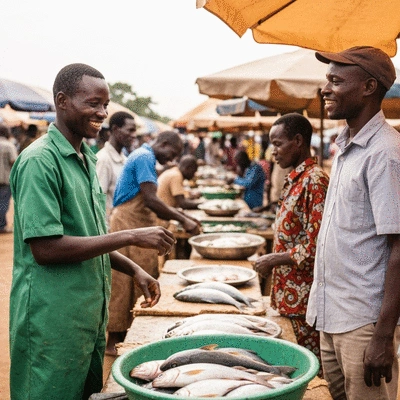
Visiting markets repeatedly - Not one quick trip. Multiple visits on different days, different times, watching what actually sells, noting real prices throughout the day, observing patterns.
Tracking seasonal changes - Talking to traders who've been in the market for years, asking about price patterns, demand fluctuations, festival impacts, import cycles.
Researching competition - Finding out who's already supplying your target market, what they're producing, who they're selling to, what gaps exist in current supply.
Testing assumptions - Actually trying to sell small batches before building major infrastructure, validating that buyers will really pay what they said they would.
Documenting everything - Writing down answers, tracking prices over time, creating a clear picture of your market before making big investments.
Most farmers skip all of this. They ask one or two people casual questions, make assumptions about demand, and start building ponds.
Then they're surprised when the market doesn't behave the way they assumed it would.
The Ogun State farmer I mentioned earlier? He's not unique. This pattern repeats constantly:
Scenario 1: You produce the wrong species. Your local market is oversupplied with catfish but desperate for tilapia. You spend six months raising catfish because that's what you know, then struggle to find buyers whilst watching tilapia farmers sell out immediately.
Scenario 2: You produce the wrong size. Buyers in your area want 0.8kg fish for household consumption. You raise yours to 1.2kg because you think bigger means more money. But you spent extra on feed to grow them past the size buyers want, reducing your profit margin whilst making your fish harder to sell.
Scenario 3: You harvest at the wrong time. You time your production for a November harvest, not knowing that's when imported frozen fish floods your local market and crashes prices. If you'd researched seasonal patterns, you would have aimed for December when festival demand spikes prices by 40%.
Scenario 4: You target the wrong buyers. You assume you'll sell at the local market, but market traders only pay bulk prices and want to negotiate hard. Meanwhile, three restaurants in your area are desperate for reliable suppliers and would pay premium prices for consistent deliveries—but you never talked to them.
Scenario 5: You produce without understanding volume. You build capacity for 5,000 fish, thinking bigger is better. But your local market can only absorb 2,000 fish per month at decent prices. You either flood the market and crash your own prices, or you end up with fish getting too large whilst you wait to sell them.
Each of these scenarios is completely avoidable. Market research reveals these issues before they cost you money.
Let's talk numbers. Say you invest 500,000 naira in building ponds, buying equipment, and stocking fingerlings. You do everything right production-wise. Your fish grow well.
Without market research:
Your expected 40% profit margin? Gone. You might barely break even, or even lose money. That 500,000 naira investment returns 450,000 naira. You've just paid for an expensive education.
With market research:
Same 500,000 naira investment now returns 850,000 naira. That's a 70% return instead of a loss.
The difference? A few weeks of market research before you started.
I know what you might be thinking: "If market research is so important, why don't more farmers do it?"
Good question. Here's why:
It feels less urgent than production - Building ponds and stocking fish feels like real progress. Talking to buyers and visiting markets feels like... just talking. But that "just talking" determines whether your production actually makes money.
It requires admitting you don't know - You have to ask questions that reveal you're new to this. That feels uncomfortable. But buyers respect farmers who ask smart questions before starting. It shows you're serious.
It takes time away from "getting started" - There's excitement in jumping in and doing. Research feels like delay. But spending two weeks on research before starting can save you six months of producing fish nobody wants at prices that don't work.
You assume you can figure it out as you go - Maybe you can. Or maybe by the time you figure it out, you've already invested money in the wrong production model and now you're stuck with it.
You hear stories about other farmers succeeding - "My neighbour started fish farming and he's doing fine!" Yes, but do you know his margins? Do you know which buyers he's selling to? Do you know if he researched his market first? Survivor bias is real—you hear about successes, not the quiet failures.
Market research for fish farming answers these critical questions:
These answers turn fish farming from a gamble into a calculated business decision.
Market research for fish farming isn't complicated—it just requires systematic effort. The farmers making consistent money aren't necessarily better at raising fish. They're better at understanding their market and matching their production to actual demand.
Your market research doesn't need to be perfect. It needs to be thorough enough that you understand:
With that knowledge, you can design your fish farming business to serve real demand rather than hoping demand appears when you're ready.
Do the research before you build the ponds. Talk to buyers before you stock fingerlings. Understand your market before you invest in production.
That's how you turn fish farming into a profitable business instead of an expensive experiment.
The choice is yours: spend a few weeks researching your market now, or spend six months producing fish you'll struggle to sell profitably later.
Most farmers choose the second option without realising it. Smart farmers choose the first deliberately.
Which one will you be?
Market research is crucial for identifying local demands, consumer preferences, and competitive landscapes specific to the African aquaculture industry. It helps inform strategic decisions, reduce risks, and ensure the profitability and sustainability of your venture.
Key components include defining market research (systematic data gathering on consumer behavior, trends, and competition), understanding its importance (identifying market gaps, forecasting demand), and utilizing tools like SWOT analysis.
SWOT analysis evaluates Strengths, Weaknesses, Opportunities, and Threats, allowing you to leverage advantages (e.g., quality, experience), address limitations (e.g., funding, knowledge), capitalize on opportunities (e.g., demand, partnerships), and mitigate threats (e.g., imports, regulations).
A well-understood and managed supply chain, from sourcing fish stock and feed to efficient distribution, is vital for operational efficiency, profitability, and customer satisfaction. It involves establishing reliable supplier relationships and effective logistics.
After market research, focus on actionable steps such as detailed market analysis, engaging with local communities, establishing supplier and distributor relationships, and developing a comprehensive business plan based on your findings.
As you embark on your journey in fish farming, it’s crucial to recognize the value of comprehensive market research. This research provides a solid foundation for your business, helping you understand not just the market dynamics but also the needs and preferences of your potential customers. By gathering insights about local demand, competition, and pricing strategies, you position yourself for greater success.
Let's break down the key elements that make market research indispensable:
With this information, you can tailor your offerings to meet local demands effectively. Remember, knowledge is power in aquaculture, and the more informed you are, the better your chances of building a thriving business.
Now that you understand the importance of market research, what comes next? Here are some actionable next steps to get your fish farming startup off the ground:
Taking these steps will help you formulate a clear path forward. I recommend allocating time each week to research and network. This dedication will pay off as you build connections and gain insights in the aquaculture industry.
Here is a quick recap of the important points discussed in the article:
This Article Was Written by: Yomi Adisa Lead Researcher
Yomi Adisa is the lead researcher at Fish Farming Business, where he studies what makes aquaculture ventures profitable across Africa. His research focuses on market patterns, buyer preferences, and the business decisions that determine success or failure in fish farming.
Business strategy and production guides. Choose your path:
📚 12-Week Learning Path 🗺️ Browse All ArticlesStep-by-step technical guides for your species:
🐟 Tilapia Farming (Complete Guide) 🐟 Catfish Farming (Complete Guide)Complete production education





)