

Your Guide to Essential Infrastructure and Equipment for Fish Farms in Africa
Posted on: 2025-10-18
By: Kwame Adom
Fish farming, also known as aquaculture, plays a vital role in enhancing food security and economic stability across Africa. As you explore this thriving industry, you'll discover how fish farming can provide a sustainable source of protein and income for many communities.
The growth of aquaculture in Africa has been remarkable, with increasing interest from both small-scale and commercial farmers. By examining current trends and statistics, you will gain insights into the significant potential for expansion in this sector.
Understanding the importance of proper infrastructure and equipment is key to your success. The right facilities and tools not only enhance productivity but also contribute to the long-term sustainability and profitability of your fish farming venture. Throughout this article, you will find a comprehensive checklist to guide you in setting up a fish farm tailored to your specific needs and local context.
What You Will Learn
- Understanding the different types of fish farming systems suitable for Africa.
- How to choose the right infrastructure based on environmental conditions and resources.
- The basics of selecting essential equipment for optimal fish health and productivity.
- How to assess water quality and its importance in aquaculture.
- Understanding the significance of site selection in enhancing farm success.
- How to manage costs effectively for both initial setup and ongoing operations.
- Strategies for engaging with local communities and markets to support your fish farming venture.
Introduction to Fish Farming in Africa
What is Fish Farming?
Fish farming, also known as aquaculture, involves the breeding, rearing, and harvesting of fish in controlled environments. This practice is significant for enhancing food security and contributing to the economic stability of communities across Africa. By producing fish in a sustainable manner, farmers can meet the growing demand for protein while providing livelihoods for themselves and their families.
The Growth of Aquaculture in Africa
The growth of aquaculture in Africa has been remarkable over the last few decades. According to the Food and Agriculture Organization (FAO), the continent's aquaculture production has seen a steady increase, with countries like Nigeria, Ghana, and Egypt leading the way. For example, Nigeria alone produced over 1 million tonnes of fish in 2021, showcasing the potential for expansion in this sector. With increasing population and urbanisation, the demand for fish is expected to rise, making aquaculture a vital part of Africa's agricultural landscape. You can learn more about opportunities in African fish farming to understand this growing trend better.
Why Infrastructure and Equipment Matter
Proper infrastructure and equipment are crucial for the success of fish farming operations. They play a significant role in productivity, sustainability, and profitability. Adequate facilities ensure that fish are raised in optimal conditions, which leads to healthier stock and higher yields. For instance, well-constructed ponds or tanks can maintain suitable water quality, while efficient feeding systems can optimise growth rates. By investing in the right infrastructure and equipment, you are setting the foundation for a successful fish farming venture.
Key Definition
Aquaculture refers to the farming of aquatic organisms, including fish, molluscs, crustaceans, and aquatic plants in controlled environments.
| Topic | Key Points |
|---|---|
| Introduction to Fish Farming | Overview of aquaculture's role in food security and economic stability. |
| Fish Farming Systems | Classification of systems: Pond, Tank, Cage, and RAS with their advantages. |
| Essential Equipment | Key tools include aeration systems, feeding equipment, and water pumps. |
| Site Selection | Importance of location, water quality, and land characteristics. |
| Cost Considerations | Understanding initial setup and ongoing operational costs for budgeting. |
| Operational Challenges | Identifying challenges new farmers might face, such as market access. |
| Maintenance Best Practices | Importance of regular maintenance and troubleshooting for sustainability. |
| Community Engagement | Benefits of building relationships with local farmers and organisations. |
Essential Equipment for Fish Farms
Introduction to Fish Farm Equipment
Selecting the right equipment for your fish farm is essential for ensuring efficient operations and optimal fish health. The equipment you choose will depend on your specific farming practices, the scale of your operation, and the species of fish you intend to cultivate. Proper tools not only enhance productivity but also contribute to the sustainability of your aquaculture efforts.
In Africa, where resources may vary, understanding which equipment is most suitable for your local conditions can make a significant difference. For example, a small-scale farm in Uganda may require different equipment compared to a larger commercial operation in Nigeria. By evaluating your needs, you can invest in equipment that aligns with your budget while facilitating effective farm management.
Aeration Systems
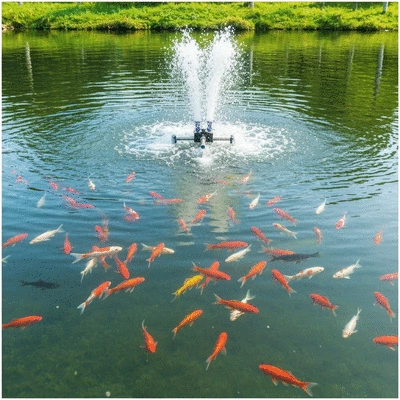
Aeration is critical in fish farming as it helps maintain adequate dissolved oxygen levels in the water, which is essential for the health and growth of fish. There are various types of aeration systems available, including surface aerators, diffusion systems, and mechanical aerators. Each type functions differently and has its own pros and cons.
Surface aerators are typically the most used in earthen ponds, as they agitate the water surface, increasing oxygen transfer. Conversely, diffusion systems introduce air at the bottom of ponds or tanks, which can be more efficient in maintaining oxygen levels, especially in densely stocked environments. An example is the use of paddlewheel aerators in catfish farming in Nigeria, where they help improve water circulation and oxygen distribution effectively.
Feeding Equipment
Feeding your fish correctly is vital for their growth and overall health. The type of feeding equipment you choose will depend on your farming method and the species of fish you are raising. Automated feeders are popular in larger operations as they can save time and ensure consistent feeding schedules. Manual feeders may be more suitable for smaller farms where budget constraints exist.
Consider the nutritional requirements of your fish species when selecting feeding equipment. For instance, tilapia and catfish have different feeding habits, which will dictate the type of feed and feeding system you implement. Proper feed management practices, such as monitoring feed conversion ratios, will also help you optimise growth rates and reduce waste. To learn more about efficient methods, consider exploring fish farming techniques for entrepreneurs.
Water Pumps and Filters
Maintaining water quality is paramount in fish farming. Water pumps are essential for circulating water within your systems, ensuring proper aeration and distribution of nutrients. Depending on the design of your farm, you may need submersible pumps, centrifugal pumps, or solar-powered pumps to meet your specific water movement needs.
Filters play a crucial role in maintaining clean water. Mechanical filters remove solid waste, while biological filters promote beneficial bacteria that help break down ammonia and other harmful substances. A well-maintained filtration system can prevent diseases and promote healthy fish growth, making it a necessary investment for your aquaculture operation.
Nets and Harvesting Equipment
Efficient harvesting methods are vital for reducing stress on fish and ensuring a high-quality product. Nets are one of the primary tools used for capturing fish. Depending on your farming system, you may require different types of nets, such as cast nets for ponds or specific mesh sizes for cages.
In addition to nets, consider harvesting equipment like fish pumps or scoops, which can facilitate the process in larger operations. For example, the use of fish pumps in commercial tilapia farms in Kenya has improved the efficiency of harvesting while minimising handling stress on the fish.
Weighing Scales
Monitoring the growth of your fish is essential for assessing the success of your farming practices. Weighing scales allow you to track the growth rates and overall health of your stock. Choose scales that can handle the specific weights and sizes of the fish you are farming, whether they are for small fingerlings or larger market-ready fish.
Regularly weighing your fish can also provide insights into feed efficiency and market readiness. For instance, a farmer in South Africa may weigh catfish every two weeks to ensure they reach optimal market size, thus aligning with buyer expectations and maximising profit margins. This also helps in avoiding market research mistakes for fish farms.
Maintenance Tools and Supplies
Regular maintenance of your farming infrastructure and equipment is crucial for longevity and efficiency. Essential maintenance tools may include hand tools like shovels, rakes, and wrenches for manual upkeep, as well as more specific tools for repairing aeration systems or filtration units.
Keep a supply of spare parts on hand to minimise downtime when equipment needs repairs. By ensuring that you have the necessary tools and supplies, you can maintain a smooth operation and address issues promptly, contributing to the overall success of your fish farming venture.
Site Selection for Fish Farms
Importance of Site Selection
Choosing the right site for your fish farm is fundamental to its success. Factors such as location, accessibility to water sources, and local environmental conditions can all impact farm productivity. A well-chosen site not only supports efficient operations but also enhances your ability to manage resources sustainably.
In Africa, site selection can involve assessing both urban and rural areas. For instance, a site near Lake Victoria could provide abundant natural resources for fish farming, while a rural area may offer lower land costs. Understanding how these factors influence your farm can guide you in making informed decisions that align with your business goals.
Water Quality Requirements
Water quality is one of the most critical factors in aquaculture. Key indicators include temperature, pH, dissolved oxygen, and ammonia levels. Testing local water sources before establishing your farm will allow you to evaluate their suitability for your chosen fish species.
You may need to invest in water quality testing kits and conduct regular monitoring to maintain optimal conditions. For example, a farmer in Ghana who cultivates tilapia should ensure that the water pH remains between 6.5 and 8.5 for ideal growth. Being proactive about water quality management can lead to healthier fish and better yields.
Land Characteristics
The land you select for your fish farm must be conducive to the type of farming system you plan to implement. Assessing topography, soil types, and drainage characteristics will inform your decisions on pond or tank construction. Additionally, understanding how these factors affect water retention and movement can help you optimise your farm layout.
For example, flat land with clayey soil can be ideal for constructing earthen ponds, as it retains water efficiently. Conversely, sandy soils may require lined ponds to prevent water loss. Evaluating these characteristics will enable you to choose a site that supports effective aquaculture practices.
Environmental Compliance
Before establishing your fish farm, it's essential to understand local regulations and environmental compliance requirements. This includes obtaining the necessary permits, conducting environmental impact assessments, and adhering to sustainable farming practices.
Each country in Africa may have different regulations governing aquaculture, so it's crucial to stay informed. Engaging with local authorities early in the planning process can help you identify any potential challenges, ensuring your farm operates within legal guidelines while promoting sustainability.
Cost Considerations and Budgeting
Initial Setup Costs
When starting a fish farm, understanding the initial setup costs is vital for effective budgeting. These expenses typically include land acquisition, infrastructure development, equipment purchases, and the cost of fingerlings or broodstock. Creating a detailed budget will help you identify the total investment required before operations begin.
For example, a small-scale tilapia farm in Nigeria may incur costs for pond construction, aeration systems, and initial feed, amounting to several hundred thousand naira. Assessing these costs upfront will enable you to make informed decisions about financing and resource allocation, minimising the risk of financial strain later.
Operational Costs
Ongoing operational costs are another consideration that can impact your farm’s profitability. These typically include feed, labour, utilities, maintenance, and health management. Monitoring these expenses closely will allow you to make adjustments as needed to maintain profitability.
For instance, a catfish farmer in South Africa could budget monthly for feed and utilities, ensuring they have a clear understanding of their break-even point. By analysing these costs regularly, you can identify areas for potential savings and ensure your farm remains economically viable throughout its operation.
Cost-Effective Solutions
For small-scale farmers, exploring cost-effective solutions can be key to sustainability. This could involve opting for local materials in construction, seeking used equipment in good condition, or implementing low-cost farming methods.
Community co-operatives may also offer shared resources, minimising individual investment while promoting collective growth. For example, a group of farmers in Kenya might pool resources to purchase a water pump, reducing costs for each participant while enhancing productivity across their farms.
Cost Estimation Table
| Expense Type | Estimated Cost (NGN) |
|---|---|
| Land Acquisition | 200,000 - 500,000 |
| Infrastructure Development | 150,000 - 350,000 |
| Equipment Purchases | 100,000 - 250,000 |
| Fingerlings or Broodstock | 50,000 - 150,000 |
| Feed and Maintenance (Monthly) | 40,000 - 100,000 |
Operational Challenges and Innovative Solutions in African Fish Farming
Common Challenges Faced by New Farmers
New fish farmers in Africa often encounter several challenges that can affect their operations. These challenges can include a lack of technical knowledge, limited access to quality inputs, and difficulties in market access. Understanding these potential obstacles early in your fish farming journey will help you develop strategies to address them effectively.
For instance, many farmers may struggle with disease management due to insufficient information on biosecurity practices. Additionally, fluctuating market prices can create uncertainty when selling their fish. By identifying these challenges, you can seek out resources and training that focus on best practices and market trends.
Innovative Solutions for Smallholder Farmers
Innovative solutions can significantly enhance the productivity and sustainability of smallholder farmers. These may include adopting low-cost technologies, participating in training programmes, and engaging with agricultural extension services.
For example, mobile applications that provide real-time market information can empower farmers to make informed selling decisions. Community support systems can also provide valuable knowledge sharing, helping farmers learn from each other's experiences and successes.
Environmental and Regulatory Challenges
Navigating environmental regulations can be complex for fish farmers. Best practices for compliance include conducting environmental impact assessments and engaging with local regulatory bodies to ensure adherence to guidelines.
Additionally, implementing biosecurity measures can help mitigate environmental risks and promote sustainability. For instance, a farmer in Tanzania may employ practices such as integrated pest management and responsible feed sourcing to maintain compliance and minimise their ecological footprint.
Maintenance and Troubleshooting for Infrastructure
Regular Maintenance Schedule
Creating a regular maintenance schedule is essential for the longevity of your farm's infrastructure and equipment. Key tasks may include inspecting aeration systems, cleaning filters, and monitoring water quality. Establishing a clear routine helps ensure that all components operate efficiently and reduces the risk of costly breakdowns.
For instance, a farmer in Uganda might schedule monthly maintenance checks for their aeration systems to ensure optimal performance, thus preventing oxygen depletion in their ponds. Documenting maintenance activities can also provide insights into the effectiveness of various systems.
Troubleshooting Common Issues
Being able to troubleshoot common operational problems is crucial for maintaining a successful fish farm. Familiarise yourself with potential issues, such as water quality fluctuations or malfunctioning equipment, and develop strategies for addressing them.
For example, if you notice a sudden drop in dissolved oxygen levels, consider checking your aeration systems for blockages or malfunctions. Regular training on troubleshooting techniques can empower your team to address issues effectively and minimise downtime.
Best Practices for Sustainable Farming
Integrating sustainable practices into your operations can enhance productivity while preserving natural resources. These best practices may include implementing responsible feeding strategies, minimising waste, and promoting biodiversity within your farming systems.
For instance, using organic feed sources and natural water filtration methods can reduce environmental impacts. Engaging with local agricultural organisations can provide additional insights into sustainable practices that are well-suited for your specific region.
Practical Considerations for Your Fish Farm Setup
Choosing the Right Infrastructure
When selecting infrastructure for your fish farm, consider your specific farming practices and environmental conditions. The type of system you implement—whether ponds, tanks, or cages—should align with your budget, goals, and available resources.
For instance, if you live in an area with fluctuating water levels, a recirculating aquaculture system may provide greater stability. Understanding your local context and resources will help you make informed decisions that support effective operations and contribute to long-term sustainability.
Local Market Considerations
Understanding local market dynamics is essential for successful fish farming. Familiarise yourself with the demand for various fish species, size preferences, and pricing trends to ensure your production aligns with market needs.
For example, a farmer in Nigeria may find that larger catfish are in high demand during festive seasons, influencing their production schedules. Being aware of these factors allows you to position your fish effectively in the market, maximising sales and profitability.
Community Engagement and Support
Engaging with your local community can provide valuable support and resources for your fish farming venture. Building relationships with other farmers, local buyers, and agricultural organisations can facilitate knowledge sharing and create opportunities for collaborative efforts.
For example, participating in local farmer association meetings can help you stay informed about market trends and best practices. Establishing a network can also provide access to resources, training, and technical assistance, further enhancing your potential for success.
Understanding Fish Farming Systems
Overview of Fish Farming Systems
You need to understand that fish farming systems can be classified into different types based on their structure, management practices, and environmental impact. Each system has unique advantages and requirements that can influence productivity and profitability. Let me explain the main types of aquaculture systems available to you.
Fish farming systems typically include:
- Pond Systems (Earthen and Lined)
- Tank Systems (Concrete and Fibreglass)
- Cage Systems (Floating and Submerged)
- Recirculating Aquaculture Systems (RAS)
Each of these systems is designed to optimise fish production while considering the environmental conditions and resources available.
Earthen Ponds
Earthen ponds are one of the most common fish farming systems used across Africa, particularly in rural areas. These ponds are excavated in the ground, with water sourced from nearby rivers, lakes, or boreholes. Typically, an earthen pond can be anywhere from 0.1 to 1 hectare in size and can be up to 2 metres deep.
Advantages of Earthen Ponds:
- Cost-effective to construct, requiring minimal investment
- Natural food production through the growth of algae and microorganisms
- Ability to support a variety of species, including tilapia and catfish
However, you should also consider the challenges involved, such as maintaining water quality and managing pests and diseases. Regular monitoring is necessary to ensure optimal conditions for fish health and growth.
Lined Ponds
Lined ponds are an alternative to earthen ponds and are particularly useful in areas with poor soil quality or high water permeability. These ponds are constructed by lining the bottom and sides with materials such as polyethylene, concrete, or clay to prevent water loss.
Benefits of Lined Ponds:
- Better control over water quality since they are less prone to contamination
- Reduced evaporation rates, making them suitable for water-scarce regions
- Enhanced management of fish populations due to improved water conditions
For instance, a lined pond in Nairobi might use a high-density polyethylene liner to create a stable environment for fish growth, drastically reducing water loss during dry seasons.
Concrete Tanks
Concrete tanks are becoming increasingly popular for fish farming, especially in urban areas where space is limited. These tanks are durable and can be easily integrated into existing structures, such as warehouses. They provide excellent control over water quality and can be designed for specific species.
Advantages of Concrete Tanks:
- High space efficiency allows for vertical stacking and multi-tiered systems
- Easy to maintain and clean, reducing disease risks
- Capability to manage water temperature and quality through advanced filtration systems
However, the initial cost of setting up concrete tanks can be significantly higher compared to earthen ponds, so assessing your budget is crucial.
Cage Systems
Cage systems involve floating or submerged cages that are anchored in natural water bodies such as lakes or rivers. This method allows fish to grow in their natural environment while still being managed by the farmer.
Overview of Cage Systems:
- Floating Cages: Ideal for areas with stable water levels, they provide easy access and monitoring.
- Submerged Cages: Used in deeper water bodies, they are less affected by weather conditions but require more complex management.
Cage farming is particularly common in countries like Ghana, where farmers raise species like tilapia in floating cages on Lake Volta. This method can yield high production rates with proper management.
Recirculating Aquaculture Systems (RAS)
Recirculating Aquaculture Systems (RAS) represent the cutting edge of fish farming technology. These systems filter and reuse water, allowing for high-density fish production in a controlled environment.
Benefits of RAS:
- Highly efficient use of water resources, making them suitable for arid regions
- Significant reductions in environmental impact due to minimal water discharge
- Flexibility in species selection and growth cycle management
However, RAS requires a substantial initial investment and technical expertise to manage effectively. For example, a RAS setup in South Africa might cost over $50,000 but can produce up to 10 tonnes of fish per year, making it a worthwhile investment for dedicated farmers.
In summary, understanding these fish farming systems will help you choose the one that aligns with your resources, goals, and environmental conditions. By selecting the appropriate system, you can optimise your fish farming operations for better productivity and profitability.
Frequently Asked Questions
What are the most common fish farming systems in Africa?
The most common fish farming systems in Africa include earthen ponds, lined ponds, concrete tanks, cage systems, and Recirculating Aquaculture Systems (RAS). Earthen ponds are widely used in rural areas due to their cost-effectiveness, while concrete tanks are popular in urban settings for their space efficiency. Cage systems are common in natural water bodies, and RAS offers advanced, water-efficient production in controlled environments.
How important is water quality to fish farming success?
Water quality is paramount to the success of any fish farming operation. Key parameters such as temperature, pH, dissolved oxygen, and ammonia levels directly impact fish health, growth, and survival. Regular monitoring and management of these parameters are crucial. Poor water quality can lead to stress, disease, and reduced yields, making it a critical factor for profitable and sustainable aquaculture.
What essential equipment should a new fish farmer consider?
New fish farmers should consider essential equipment such as aeration systems to maintain oxygen levels, feeding equipment for efficient nutrient delivery, water pumps and filters for water quality management, and nets/harvesting tools for efficient fish collection. Additionally, weighing scales are vital for monitoring growth. The specific equipment needed will depend on the scale of the operation and the chosen farming system.
How can I manage initial setup costs for a fish farm in Africa?
Managing initial setup costs involves careful budgeting for land acquisition, infrastructure development (ponds/tanks), equipment purchases, and the cost of fingerlings or broodstock. To reduce costs, you can explore using local materials for construction, seeking out used equipment in good condition, and implementing low-cost farming methods. Community co-operatives can also help pool resources, thereby minimising individual investment.
Why is site selection crucial for a fish farm?
Site selection is crucial because factors like location, access to water sources, land characteristics, and environmental conditions significantly impact a farm's productivity and sustainability. A well-chosen site ensures adequate water supply, suitable soil types for pond construction, and compliance with local environmental regulations. Proper site selection helps optimise operations and enhances resource management, contributing to long-term success.
Conclusion and Next Steps
Summary of Key Points
In this article, we explored the essential infrastructure and equipment needed to establish a successful fish farm in Africa. Key considerations included site selection, cost management, and the importance of appropriate equipment. By understanding these factors, you can make informed decisions that contribute to the sustainability and profitability of your aquaculture venture.
Resources for Further Learning
To support your ongoing education in fish farming, consider exploring various resources such as books, online courses, and local organisations. Engaging with knowledgeable sources can provide you with valuable insights and best practices to enhance your operations.
Call to Action
As you embark on your fish farming journey, take the time to research and engage with local aquaculture initiatives. By actively seeking knowledge and connecting with fellow farmers, you can set the foundation for a successful and thriving fish farming business.

This Article Was Written by: Yomi Adisa Lead Researcher
Yomi Adisa is the lead researcher at Fish Farming Business, where he studies what makes aquaculture ventures profitable across Africa. His research focuses on market patterns, buyer preferences, and the business decisions that determine success or failure in fish farming.