

How to Choose the Best Fish Species for Your Profitable Fish Farm

Posted on: 2025-11-08
By: Yomi Adisa
Choosing the right fish species for your farm isn't just about what grows fastest or looks most appealing—it's the single decision that determines whether you'll earn ₦500,000 profit or struggle to break even after six months of hard work. A farmer in Lagos recently shared how switching from tilapia to catfish doubled his profit margins, simply because he understood what his local market actually wanted.
The species you stock determines everything: your feed costs, stocking density, disease risks, harvest timing, and most importantly, the price buyers will pay.
Get this decision wrong, and you'll spend months raising healthy fish that nobody wants to buy at profitable prices. Get it right, and you'll have buyers competing for your harvest.
In this guide, you'll discover how to evaluate fish species based on real profitability factors—not just production ease. You'll learn to assess growth rates against feed costs, understand which species command premium prices in your region, and identify the characteristics that separate highly profitable species from barely-breaking-even options.
You'll walk through the financial considerations that matter most, from initial investment costs to long-term operational expenses, plus the tools successful farmers use to make data-driven species decisions. By the end, you'll know exactly how to choose species that align with your market, climate, and profit goals.
What You Will Learn
- How to evaluate fish species based on market demand and profitability factors
- Key characteristics that make certain fish species more profitable
- Financial considerations including feed costs, stocking density, and operational expenses
- Strategies for assessing local market preferences and pricing variations
- Tools and resources to aid in making informed species selection decisions
Understanding the Most Profitable Fish Species
You cannot build a profitable fish farm without understanding what makes certain species more valuable than others. Profitability isn't just about how fast fish grow—it's about the relationship between growth speed, feed costs, market demand, and the prices buyers actually pay. A species that reaches harvest size in four months means nothing if local traders only pay ₦800 per kilogram when your production costs are ₦750.
The most profitable species share specific characteristics that directly impact your bottom line. They convert feed efficiently, meaning less money spent on expensive protein feeds. They tolerate local water conditions without requiring costly treatments or specialised equipment. Most importantly, they match what your target market wants to buy at prices that generate real profit margins.
Understanding these characteristics helps you avoid the common mistake of choosing species based on farming ease rather than market reality. You want species that balance production efficiency with strong market demand—fish that grow well in your conditions while commanding prices that justify your investment.
Characteristics of Profitable Species
Growth rate determines how quickly you can turn your investment into cash flow, but it must be measured against feed consumption. Catfish in Nigerian farms typically reach 1kg in 4-5 months with proper feeding, but they require high-protein feeds costing ₦280-320 per kilogram. Fast growth means nothing if feed costs consume your profit margins.
Feed conversion ratio (FCR) tells you how efficiently fish convert feed into body weight. A species with an FCR of 1.5 means 1.5kg of feed produces 1kg of fish—significantly more profitable than species requiring 2.5kg of feed for the same weight gain. This difference can mean the gap between ₦200,000 profit and barely breaking even on a 1,000-fish harvest.
Key Profitability Indicators
- Market price stability: Species that maintain consistent prices year-round
- Local demand strength: Fish that buyers actively seek rather than reluctantly accept
- Size flexibility: Species profitable at multiple harvest weights
- Disease resistance: Hardy fish that don't require expensive treatments
- Climate adaptability: Species that thrive in your local water conditions
Market demand varies dramatically by region and season. In Kumasi markets, tilapia commands premium prices during festival seasons, reaching ₦1,400 per kilogram compared to ₦900 during regular periods. However, catfish maintains more stable pricing year-round, making cash flow planning easier for farmers who need consistent income.
Hardiness directly affects your operational costs and stress levels. Species that tolerate water quality fluctuations, temperature changes, and handling stress require fewer interventions, medications, and emergency measures. A farmer in Ogun State calculated that switching to more resilient species reduced his monthly treatment costs from ₦45,000 to ₦12,000.
Popular Species for Profit
Catfish dominates profitable farming across West Africa because it combines rapid growth with strong market acceptance. African catfish (Clarias gariepinus) reaches 1-1.2kg in 4-5 months, tolerates crowded conditions, and sells consistently at ₦1,000-1,200 per kilogram in most Nigerian markets. The species survives in lower-quality water and can be harvested at various sizes depending on market demand.
Tilapia offers different advantages, particularly in markets where consumers prefer its taste and appearance. Nile tilapia grows to 400-600g in 6 months, commands higher prices in upscale markets (₦1,200-1,500 per kilogram), but requires better water quality management. The species works well for farmers targeting restaurants and hotels rather than general market traders.
| Species | Growth Period | Market Price Range | Key Advantage |
|---|---|---|---|
| African Catfish | 4-5 months to 1kg | ₦1,000-1,200/kg | Hardy, fast growth |
| Nile Tilapia | 6 months to 600g | ₦1,200-1,500/kg | Premium market appeal |
| Heterobranchus | 5-6 months to 1.5kg | ₦1,100-1,300/kg | Large size potential |
Heterobranchus (hybrid catfish) appeals to farmers wanting larger fish for specific market segments. These fish can reach 1.5-2kg in 5-6 months, attracting buyers who pay premiums for size. However, they require more space and higher feed investments, making them suitable for farmers with adequate pond capacity and capital.
Regional preferences significantly influence profitability. In Kenyan markets, tilapia outsells catfish by substantial margins, while Nigerian consumers show strong preference for catfish. Understanding your local market's species preferences prevents you from producing excellent fish that struggle to find buyers at profitable prices.
Assessing Species for Your Region
Climate compatibility determines whether a species will thrive or merely survive in your location. Tilapia performs best in temperatures between 25-30°C, making it ideal for most tropical African regions but potentially problematic in cooler highland areas. Catfish tolerates wider temperature ranges (20-35°C), offering more flexibility for farmers in varied climatic conditions.
Water quality requirements directly impact your operational costs and management complexity. Species requiring pristine water conditions force you to invest in expensive filtration, aeration, and monitoring systems. Hardy species like catfish tolerate moderate water quality issues, reducing your need for costly interventions while maintaining profitable growth rates.
Local market research reveals which species command the best prices in your specific area. Prices for the same species can vary by ₦200-400 per kilogram between regions, making location-specific research essential. A farmer in Ibadan discovered that local restaurants paid ₦300 more per kilogram for tilapia than general market traders, completely changing his species selection strategy.
You need to evaluate transportation logistics for your chosen species as well. Fish that travel well to distant markets expand your buyer options, while delicate species limit you to local sales. This factor becomes crucial when local market prices drop—having alternative markets can mean the difference between profit and loss during challenging periods.
Evaluating Key Factors for Species Selection
You cannot make profitable species decisions without understanding the operational factors that determine your actual costs and returns. Feed expenses typically consume 60-70% of your total production budget, making feed efficiency more important than growth speed alone. A species that grows 20% faster but requires 40% more expensive feed will destroy your profit margins.
Stocking density affects both your production capacity and fish health, directly impacting profitability per square metre of pond space. Disease susceptibility determines whether you'll spend your profits on treatments and replacements or keep them in your pocket. These factors work together—you need species that balance efficient growth with manageable operational requirements.
Smart farmers evaluate these factors before stocking their first fingerling, not after discovering problems during production. Understanding feed costs, density requirements, and health management needs helps you choose species that match your budget, facilities, and management capabilities while delivering consistent profits.
Feed Costs and Nutritional Requirements
Feed represents your largest ongoing expense, typically accounting for ₦180,000-250,000 of costs when raising 1,000 catfish to market size. Catfish require feeds with 35-40% protein content, costing ₦280-320 per kilogram, while tilapia can thrive on 28-32% protein feeds priced at ₦240-280 per kilogram. This ₦40-80 per kilogram difference compounds significantly over a full production cycle.
Feed conversion ratios (FCR) determine your actual feed costs per kilogram of fish produced. Catfish typically achieve FCRs of 1.3-1.6 under good management, meaning 1.3-1.6kg of feed produces 1kg of fish. Tilapia often requires FCRs of 1.6-2.0, making feed costs per kilogram of harvest 15-25% higher despite cheaper feed prices.
Feed Cost Calculation Example
Catfish (1kg harvest weight):
- Feed needed: 1.4kg (FCR 1.4)
- Feed cost: 1.4kg × ₦300 = ₦420 per fish
- Total for 1,000 fish: ₦420,000
Tilapia (1kg harvest weight):
- Feed needed: 1.8kg (FCR 1.8)
- Feed cost: 1.8kg × ₦260 = ₦468 per fish
- Total for 1,000 fish: ₦468,000
Local feed availability affects both costs and consistency of supply. In Nigeria, catfish feeds are widely available from multiple manufacturers, keeping prices competitive and supply reliable. Specialised tilapia feeds may require ordering from specific suppliers, potentially increasing costs and creating supply disruptions that force you to use suboptimal alternatives.
You must also consider feeding frequency and labour requirements. Catfish can be fed twice daily with minimal waste, while tilapia benefit from three smaller feedings to optimise growth rates. This difference affects your labour costs and management complexity, particularly if you're managing multiple ponds or working with hired help.
Stocking Density and Management Practices
Stocking density directly determines your revenue per pond while affecting fish health and growth rates. Catfish tolerate high densities of 100-150 fish per cubic metre in well-managed systems, allowing maximum use of your pond space. Tilapia require lower densities of 50-80 fish per cubic metre to maintain optimal growth and health, reducing your potential income per pond.
Overcrowding reduces individual fish size and increases disease risk, potentially destroying your profitability. A farmer in Ogun State discovered that increasing catfish density from 120 to 180 per cubic metre reduced average harvest weight from 1.1kg to 850g, while increasing mortality by 15%. The smaller fish sold for ₦200 less per kilogram, eliminating the benefits of higher stocking rates.
| Species | Optimal Density | Space per Fish | Management Level |
|---|---|---|---|
| African Catfish | 100-150/m³ | 7-10 litres | Moderate |
| Nile Tilapia | 50-80/m³ | 12-20 litres | High |
| Heterobranchus | 60-100/m³ | 10-17 litres | Moderate-High |
Water quality management becomes more critical at higher stocking densities, requiring better aeration, filtration, and monitoring. Catfish's tolerance for moderate water quality issues allows profitable high-density farming with basic management systems. Tilapia's sensitivity to water quality problems forces you to invest in more sophisticated management systems, increasing operational costs.
You need to match stocking density with your management capabilities and equipment. High-density systems generate higher revenues but require consistent monitoring, reliable power for aeration, and quick response to problems. Lower-density systems offer more forgiving management requirements but reduce income potential per pond.
Disease Resistance and Health Management
Disease outbreaks can eliminate months of profits within days, making species health characteristics crucial for profitability. Catfish demonstrate strong resistance to common bacterial infections and parasites, typically requiring minimal medical interventions when properly managed. Tilapia show greater susceptibility to stress-related diseases, particularly in crowded or poor-quality water conditions.
Treatment costs vary significantly between species and health issues. Basic bacterial treatments for catfish cost ₦15,000-25,000 per 1,000 fish, while viral or parasitic problems in tilapia can require ₦40,000-60,000 in treatments with no guarantee of success. Prevention through proper species selection often proves more cost-effective than treatment after problems develop.
Biosecurity requirements differ between species, affecting your operational procedures and costs. Hardy species like catfish tolerate moderate biosecurity lapses without immediate health consequences, while sensitive species require strict protocols for water quality, feed handling, and visitor access. These requirements translate into additional labour time and equipment costs.
You must consider your local disease environment when selecting species. Areas with established fish farms may harbour pathogens that affect certain species more severely than others. A farmer in Kaduna learned this lesson when introducing tilapia to an area with endemic bacterial problems—losing 40% of his stock to diseases that barely affected neighbouring catfish farms.
Vaccination and preventive treatment programs add to operational costs but may be essential for certain species in specific environments. Catfish rarely require routine vaccination in most African farming conditions, while tilapia may benefit from preventive treatments costing ₦8,000-12,000 per 1,000 fingerlings in high-risk areas.
Financial Considerations for Species Selection
You cannot build a profitable fish farm without understanding the complete financial picture of your species choice. The cheapest fingerlings often become the most expensive fish to raise, while species requiring higher initial investments frequently deliver superior returns. A farmer in Kano discovered this when his ₦50 catfish fingerlings generated ₦400 profit per fish, while ₦30 tilapia fingerlings barely broke even after six months.
Financial planning for fish farming goes beyond simple cost calculations—you need to understand cash flow timing, risk factors, and return on investment across different species. Feed costs, mortality rates, and market timing all affect your actual profits, often in ways that aren't obvious until you're deep into production.
Smart species selection balances initial affordability with long-term profitability. You want fish that fit your budget constraints while offering realistic paths to strong returns, considering both best-case scenarios and potential problems that could affect your investment.
Initial Investment and Operational Costs
Fingerling costs vary dramatically between species and quality levels, directly affecting your startup capital requirements. Quality catfish fingerlings cost ₦40-60 each from reputable hatcheries, while tilapia fingerlings range from ₦25-45 depending on size and source. However, cheaper fingerlings often carry higher mortality risks that can eliminate any initial savings.
Infrastructure requirements differ significantly between species, affecting your setup costs. Catfish farming can begin with basic concrete ponds and minimal aeration, requiring ₦800,000-1,200,000 for a 1,000-fish capacity system. Tilapia demands better water quality management, potentially adding ₦200,000-400,000 in filtration and monitoring equipment to achieve comparable results.
Startup Cost Comparison (1,000 Fish Capacity)
Catfish Farm Setup:
- Fingerlings: ₦50,000 (1,000 × ₦50)
- Feed (full cycle): ₦420,000
- Basic infrastructure: ₦800,000
- Equipment & supplies: ₦150,000
- Total: ₦1,420,000
Tilapia Farm Setup:
- Fingerlings: ₦35,000 (1,000 × ₦35)
- Feed (full cycle): ₦468,000
- Enhanced infrastructure: ₦1,100,000
- Equipment & supplies: ₦200,000
- Total: ₦1,803,000
Operational costs continue throughout your production cycle, requiring careful cash flow planning. Monthly expenses for a 1,000-fish catfish operation typically run ₦80,000-120,000, covering feed, labour, utilities, and maintenance. Tilapia operations often require ₦100,000-150,000 monthly due to higher feed costs and more intensive management requirements.
You must budget for unexpected expenses that vary by species. Hardy catfish rarely require emergency treatments, but when problems occur, costs can reach ₦30,000-50,000 per incident. Tilapia's sensitivity to environmental changes creates more frequent but smaller intervention costs, averaging ₦15,000-25,000 monthly for preventive treatments and water quality adjustments.

Profit Margins and Return on Investment (ROI)
Profit margins depend on the relationship between your total costs and market prices at harvest time. Catfish typically generate gross margins of 35-45% when managed efficiently, with 1kg fish selling for ₦1,100-1,200 against production costs of ₦650-750. Tilapia can achieve 40-50% margins in premium markets, but only when you secure buyers paying ₦1,300-1,500 per kilogram.
ROI calculations must account for production timing and capital requirements. A catfish operation requiring ₦1,420,000 initial investment and generating ₦400,000 profit every 5 months achieves approximately 68% annual ROI. Tilapia requiring ₦1,803,000 investment but generating ₦500,000 profit every 6 months achieves roughly 55% annual ROI, despite higher per-cycle profits.
| Species | Production Cost/kg | Market Price/kg | Gross Margin | Annual ROI |
|---|---|---|---|---|
| African Catfish | ₦650-750 | ₦1,100-1,200 | 35-45% | 60-75% |
| Nile Tilapia | ₦700-850 | ₦1,300-1,500 | 40-50% | 45-65% |
| Heterobranchus | ₦750-900 | ₦1,200-1,400 | 30-40% | 35-55% |
Market price volatility affects different species differently, impacting your profit predictability. Catfish prices typically fluctuate by ₦100-200 per kilogram seasonally, while tilapia can swing by ₦300-500 per kilogram depending on supply and festival demand. This volatility makes tilapia potentially more profitable during peak periods but riskier for consistent income planning.
You need to factor in scaling potential when evaluating ROI. Catfish operations scale efficiently—doubling production typically increases profits proportionally with minimal additional management complexity. Tilapia scaling requires more sophisticated systems and management, potentially reducing per-unit profitability as you expand beyond optimal management capacity.
Risk Assessment and Mitigation Strategies
Disease risk varies significantly between species, directly affecting your potential losses and insurance needs. Catfish mortality rates typically stay below 10% with proper management, limiting potential losses to ₦100,000-150,000 per cycle. Tilapia can experience 15-25% mortality during disease outbreaks, potentially costing ₦200,000-400,000 in lost fish and treatment expenses.
Market risk depends on buyer diversity and price stability for your chosen species. Catfish enjoys broad market acceptance across income levels, providing multiple sales channels when prices drop in one segment. Tilapia's premium market focus creates higher profit potential but limits your options when upscale buyers reduce purchases during economic downturns.
Environmental risk tolerance differs dramatically between species, affecting your vulnerability to weather and water quality problems. A farmer in Oyo State lost 60% of his tilapia during a three-day power outage that stopped his aeration system, while neighbouring catfish farms experienced minimal losses. This difference can mean ₦300,000-500,000 in additional losses during infrastructure failures.
Risk Mitigation Strategies
- Diversification: Stock multiple species to spread risk across different market segments
- Staged production: Start new batches monthly to avoid total loss scenarios
- Emergency funds: Maintain 15-20% of investment as contingency for treatments and replacements
- Backup systems: Install generator backup for critical aeration and filtration equipment
- Insurance options: Investigate aquaculture insurance where available in your region
Feed price volatility affects species differently based on their nutritional requirements and feed conversion efficiency. Catfish using high-protein feeds face greater cost fluctuations—a ₦50 per kilogram feed price increase costs an additional ₦70,000 per 1,000-fish cycle. Tilapia's lower protein requirements provide some protection against feed price spikes, though their poorer conversion efficiency can offset this advantage.
You should develop contingency plans specific to your chosen species' vulnerabilities. Catfish farmers need backup aeration and emergency treatment protocols for bacterial infections. Tilapia farmers require water quality monitoring systems and relationships with multiple feed suppliers to maintain optimal growing conditions despite external challenges.
Tools and Resources for Decision-Making
You cannot make profitable species decisions based on guesswork or incomplete information. Successful farmers use specific tools and resources to evaluate costs, predict returns, and understand their local markets before investing thousands of naira in fingerlings and infrastructure. The difference between profitable and struggling farms often comes down to the quality of information used in initial planning.
The right tools help you model different scenarios, compare species profitability under various conditions, and identify potential problems before they become expensive mistakes. A farmer in Anambra State credits detailed financial modelling with helping him choose catfish over tilapia, a decision that generated ₦300,000 more profit in his first year than his original plan would have achieved.
These resources range from simple calculators to comprehensive market research methods, each serving specific purposes in your decision-making process. You want tools that provide accurate, locally relevant information rather than generic advice that may not apply to your specific situation and market conditions.
Profit Calculators and Financial Modelling Tools
Profit calculators help you estimate returns for different species under various scenarios, allowing you to compare options before committing resources. These tools factor in fingerling costs, feed expenses, growth rates, mortality estimates, and market prices to project your potential profits. However, you need calculators designed for African conditions rather than generic international tools that may not reflect local costs and market realities.
Financial modelling spreadsheets allow you to adjust variables and see immediate impacts on profitability. You can test different stocking densities, feed prices, mortality rates, and market prices to understand how changes affect your bottom line. A well-designed model shows you break-even points, optimal harvest timing, and sensitivity to cost increases or price drops.
Key Variables for Financial Modelling
- Initial costs: Fingerlings, infrastructure, equipment, working capital
- Operational expenses: Feed, labour, utilities, treatments, maintenance
- Production parameters: Growth rates, feed conversion, mortality rates, harvest timing
- Market factors: Pricing trends, seasonal variations, buyer requirements
- Risk factors: Disease outbreaks, feed price changes, market disruptions
Cash flow projections reveal timing challenges that simple profit calculations miss. Catfish operations generate income every 4-5 months, while tilapia requires 6-month cycles, affecting your ability to cover ongoing expenses and reinvest in new production. These timing differences can determine whether you can afford to expand or must seek external financing for growth.
You need tools that account for local cost structures and market conditions. International calculators may use feed costs of $0.80 per kilogram when you're paying ₦300, or assume market prices that don't exist in Nigerian markets. Look for tools developed specifically for African aquaculture or adapt generic tools with your local data.
Market Research Resources
Local market visits provide the most accurate pricing and demand information for your species selection. You need to visit markets during different days of the week and times of the month to understand price variations and buyer preferences. What traders tell you about species demand and pricing trends often differs significantly from published reports or online information.
Trader interviews reveal specific requirements that affect your profitability, such as preferred fish sizes, quality standards, and payment terms. A trader in Ibadan market explained that customers pay ₦200 more per kilogram for catfish weighing 1.0-1.2kg compared to smaller or larger fish, information that directly affects optimal harvest timing and stocking density decisions.
| Research Method | Information Gained | Time Required | Cost |
|---|---|---|---|
| Market visits | Current prices, demand patterns | 2-3 days/month | Transport only |
| Trader interviews | Quality requirements, seasonal trends | 4-6 hours | Minimal |
| Restaurant surveys | Premium market opportunities | 1-2 days | Transport + meals |
| Farmer networking | Production costs, challenges | Ongoing | Meeting expenses |
Restaurant and hotel surveys uncover premium market opportunities that may not be visible in general markets. Many establishments pay ₦200-500 more per kilogram for specific species and sizes, but they require consistent supply, quality standards, and delivery schedules that affect your production planning. Understanding these requirements helps you decide whether premium markets justify the additional management complexity.
Seasonal demand patterns significantly affect profitability and vary by species and region. Tilapia demand peaks during religious festivals and wedding seasons, while catfish maintains steadier year-round demand. A farmer in Kano discovered that timing tilapia harvests for Eid celebrations increased his average selling price by ₦300 per kilogram, adding ₦300,000 to his annual profits.
Expert Consultation and Networking
Experienced farmers provide practical insights that textbooks and online resources cannot match. They understand local challenges, seasonal patterns, and market realities that affect species selection in your specific area. A successful farmer in your region can tell you which species work best with local water conditions, feed suppliers, and buyer preferences.
Agricultural extension officers offer technical support and access to government programs that may affect your species choice. They know about subsidies, training programs, and regulatory changes that could impact your profitability. Some regions offer fingerling subsidies for specific species or provide free technical support for farmers choosing government-promoted varieties.
Veterinarians specialising in aquaculture help you understand disease risks and treatment costs for different species in your area. They can advise on vaccination programs, preventive treatments, and emergency response protocols that affect your operational costs and risk management strategies. This information proves crucial when comparing species with different health management requirements.
Building Your Advisory Network
- Local farmers: 3-5 successful operations within 50km of your location
- Feed suppliers: Multiple sources for pricing and availability information
- Market traders: Regular contacts in your target markets
- Technical experts: Extension officers, veterinarians, equipment suppliers
- Financial advisors: Banking relationships for expansion financing
Feed suppliers provide crucial information about nutritional requirements and cost trends for different species. They understand which feeds work best for specific fish types and can advise on bulk purchasing opportunities that reduce costs. Many suppliers offer technical support and can connect you with other farmers using similar species and management systems.
You should build relationships with multiple experts rather than relying on single sources of information. Different perspectives help you identify potential problems and opportunities that any individual advisor might miss. Regular contact with your network keeps you informed about market changes, new techniques, and emerging challenges that could affect your species choice and management strategies.
Case Studies of Successful Fish Farms
You can learn more from studying successful farms than from theoretical advice alone. Real farmers face the same challenges you'll encounter—fluctuating feed prices, disease outbreaks, market changes, and cash flow pressures. Understanding how they chose their species and built profitable operations provides practical insights you can apply to your own planning and decision-making process.
These case studies reveal the thinking behind successful species selection, showing how farmers evaluated their options and made decisions that led to consistent profitability. You'll see how local conditions, market access, and management capabilities influenced their choices, plus the specific strategies they used to overcome common challenges.
The patterns that emerge from successful operations help you identify key factors for your own species selection. While every farm faces unique circumstances, profitable operations share common approaches to species evaluation, risk management, and market development that you can adapt to your situation.
Profiles of Profitable Fish Farms
Adebayo Fish Farm in Ogun State demonstrates how catfish specialisation can generate consistent profits through efficient operations and strong buyer relationships. Starting with ₦800,000 capital in 2019, owner Adebayo Ogundimu chose African catfish after researching local market demand and feed availability. His operation now produces 2,400 fish every four months, generating ₦960,000 revenue against ₦600,000 costs for 60% gross margins.
Ogundimu's success stems from three key decisions: choosing hardy catfish that tolerate his area's water quality issues, building relationships with five regular buyers who purchase his entire harvest, and maintaining strict feeding schedules that optimise growth rates. His fish consistently reach 1.1kg in 4.5 months, commanding ₦1,200 per kilogram from buyers who value his reliability and quality standards.
Adebayo Fish Farm Key Metrics
- Species: African catfish (Clarias gariepinus)
- Production cycle: 4.5 months from fingerling to harvest
- Stocking density: 120 fish per cubic metre
- Feed conversion ratio: 1.35 (excellent management)
- Mortality rate: 6% (below industry average)
- Average selling price: ₦1,200/kg
- Annual profit: ₦1,080,000 (three cycles per year)
Mama Kemi Tilapia Farm in Lagos State shows how premium market focus can justify higher production costs and management complexity. Kemi Adeyemi invested ₦1.2 million in 2020 to build a tilapia operation targeting upscale restaurants and hotels. Her fish sell for ₦1,500 per kilogram, generating ₦450,000 profit every six months despite higher operational costs.
Adeyemi's strategy centres on quality and consistency rather than volume. She maintains lower stocking densities (60 fish per cubic metre), uses premium feeds, and implements strict water quality monitoring to produce restaurant-grade tilapia. Her buyers pay premiums for fish that meet their size specifications (500-700g) and quality standards, creating a sustainable competitive advantage.
Musa Integrated Farm in Kaduna State demonstrates successful diversification using multiple species to spread risk and capture different market segments. Musa Ibrahim stocks both catfish and tilapia, adjusting production ratios based on seasonal demand patterns and feed price fluctuations. This approach generated ₦1.8 million profit in 2023 across both species.
Ibrahim's diversified model reduces risk while maximising facility utilisation. During tilapia's slower growth periods, catfish provide faster cash flow. When catfish prices drop seasonally, tilapia sales maintain revenue streams. His operation requires more complex management but provides greater stability than single-species farms during market disruptions.
Key Takeaways from Successful Farmers
Market-first thinking characterises all successful operations—they chose species based on buyer demand rather than production convenience. Each farmer conducted extensive market research before selecting species, understanding pricing patterns, quality requirements, and seasonal variations that affect profitability. They built buyer relationships before harvesting their first fish, ensuring reliable sales channels.
Operational excellence separates profitable farms from struggling ones regardless of species choice. Successful farmers maintain detailed records, monitor key performance indicators, and continuously optimise their feeding, stocking, and harvesting practices. They achieve better feed conversion ratios, lower mortality rates, and more consistent growth than average operations.
| Success Factor | Catfish Specialist | Tilapia Premium | Diversified Model |
|---|---|---|---|
| Market focus | Volume buyers | Premium restaurants | Multiple segments |
| Key advantage | Reliability & scale | Quality & consistency | Risk diversification |
| Management style | Efficient systems | Intensive monitoring | Flexible operations |
| Profit strategy | Volume & efficiency | Premium pricing | Stable cash flow |
Financial discipline enables successful farmers to weather challenges and invest in improvements. They maintain detailed cost records, monitor profit margins closely, and reinvest profits strategically rather than spending them on non-productive assets. This discipline allows them to expand operations, upgrade equipment, and survive temporary market downturns that eliminate less-prepared competitors.
Continuous learning keeps successful farmers ahead of changing conditions and emerging opportunities. They attend training programs, network with other farmers, and stay informed about new techniques, market trends, and regulatory changes. This knowledge helps them adapt their operations and species choices as conditions evolve.
Risk management protects successful operations from catastrophic losses while allowing profitable growth. They diversify buyer relationships, maintain emergency funds, implement biosecurity protocols, and develop contingency plans for common problems. These measures reduce the impact of disease outbreaks, market disruptions, and operational challenges that destroy unprepared farms.
You can apply these principles regardless of your chosen species or scale of operation. The specific techniques may vary, but the underlying approaches—market focus, operational excellence, financial discipline, continuous learning, and risk management—determine success across all profitable fish farming operations.
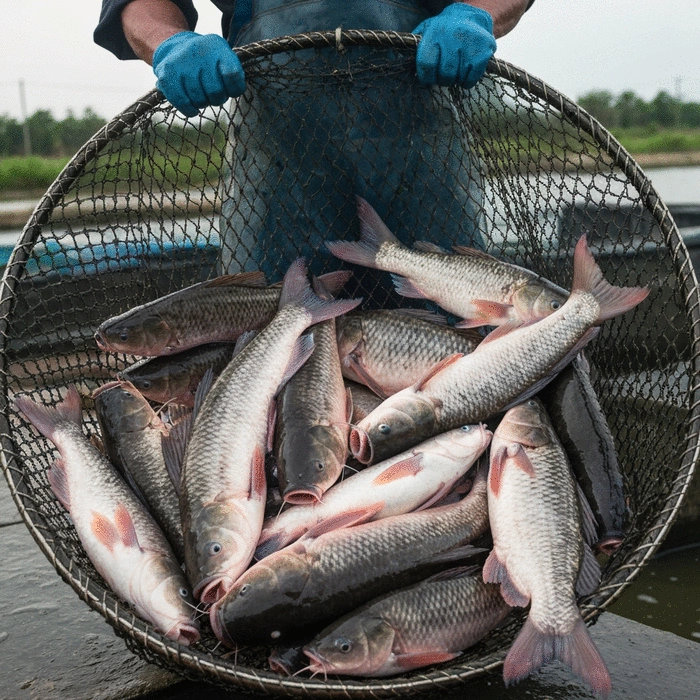
Summary Table
| Key Points | Details |
|---|---|
| Understanding Species Value | Choosing the right fish species can mean the difference between ₦500,000 profit and breaking even. Get this wrong, and you may raise fish that no one wants to buy at good prices. Research local demand before stocking. |
| Characteristics of Profitable Species | Look for species that have fast growth rates, good feed conversion ratios, and strong market demand. A catfish requiring high-protein feed costing ₦280-320/kg might eat into your profits if the market price is only ₦800/kg. |
| Market Demand Variability | Prices can vary by ₦200-400/kg depending on season and market. Failing to understand these fluctuations can lead to unsold stock and losses. |
| Feed Costs Impact | Feed accounts for 60-70% of costs. Ensure you choose species that convert feed efficiently, like catfish with an FCR of 1.4 vs. tilapia at 1.8, which can mean significant savings. |
| Operational Costs | Initial setup costs vary by species. Catfish require around ₦1,420,000 for a 1,000-fish capacity, while tilapia can cost up to ₦1,803,000. Assess costs accurately to avoid cash flow issues. |
| Disease Resistance | Choosing hardy species like catfish can save you ₦15,000-60,000 in treatment costs compared to more fragile species like tilapia which require more intervention. |
| Risk Management | Implement strategies like diversification and emergency funds to mitigate risks associated with market fluctuations and disease outbreaks. This can protect against losing ₦100,000-400,000 in potential profits. |
| Tools for Decision-Making | Utilise profit calculators and market research to make informed decisions. A well-calibrated tool can prevent costly mistakes by revealing the true costs of different species. |
| Case Studies | Analyse successful farms to learn about effective species selection and management practices that led to profitability. They often chose species based on market demand rather than convenience. |
Conclusion
Your species selection determines whether you'll build a profitable business or struggle to cover costs. This decision affects every aspect of your operation—from initial investment requirements to daily management tasks, from feed expenses to harvest revenues.
Successful farmers evaluate species based on complete financial pictures rather than simple growth rates or production ease. They understand feed conversion ratios, market pricing patterns, disease risks, and operational requirements before stocking their first fingerling.
The tools and resources covered in this guide help you make informed decisions based on data rather than guesswork. Financial modelling reveals the true costs and returns of different species under various scenarios. Market research uncovers buyer preferences and pricing trends that affect profitability.
Profitability comes from aligning species choice with market opportunities and operational strengths. Whether you choose catfish for volume markets, tilapia for premium segments, or diversified species for risk management, success requires market-first thinking and operational excellence.
Your species selection sets the foundation for everything that follows in your fish farming journey. Take time to research thoroughly, model different scenarios, and understand your local market before making this crucial decision. The investment in proper planning pays dividends throughout your farming career, while rushed decisions based on incomplete information often lead to expensive lessons and missed opportunities.
Frequently Asked Questions
Why is choosing the right fish species so critical for farm profitability?
Choosing the correct fish species is the single most important decision because it impacts every aspect of your farm, from feed costs and growth rates to disease risks and market prices. A poor choice can lead to significant financial losses even with healthy fish, as they may not meet market demand at profitable prices.
What characteristics make a fish species profitable for farming?
Profitable species typically exhibit efficient feed conversion ratios (FCR), strong tolerance to local water and climate conditions, and high, stable market demand. They should also possess good disease resistance and be adaptable in terms of harvest size to meet varied market preferences.
What is a Feed Conversion Ratio (FCR) and why is it important?
FCR measures how efficiently fish convert feed into body weight. For example, an FCR of 1.5 means 1.5kg of feed produces 1kg of fish. A lower FCR indicates better efficiency, directly reducing your largest operational expense (feed) and significantly boosting your profit margins per kilogram of fish produced.
What are the main financial considerations when selecting a fish species?
You need to assess initial investment costs (fingerlings, infrastructure), ongoing operational expenses (feed, labour, utilities), and projected profit margins and return on investment (ROI). Consider how production timing and market price stability for each species will affect your cash flow and overall financial viability.
Why is local market research more important than general advice for species selection?
Local market research is crucial because demand, preferred sizes, and prices for specific fish species vary significantly by region and even by season. Understanding what local traders and consumers actually want to buy, and at what price, prevents you from producing fish that struggle to find profitable buyers.

This Article Was Written by: Yomi Adisa Lead Researcher
Yomi Adisa is the lead researcher at Fish Farming Business, where he studies what makes aquaculture ventures profitable across Africa. His research focuses on market patterns, buyer preferences, and the business decisions that determine success or failure in fish farming.