
Addressing Common Production Challenges in African Fish Farming
Posted on: 2025-10-18
By: Kwame Adom
In the world of fish farming, particularly across Africa, challenges abound that can significantly impact your production and profitability. Have you ever wondered why some fish farmers seem to thrive while others struggle with unexpected losses? Each story reveals a common thread: the hurdles stemming from health management, resource limitations, and environmental factors.
As climate change alters weather patterns, and diseases spread through communities, you might find yourself grappling with these issues. Understanding these challenges is the first step towards overcoming them. In this blog post, we will explore the common production challenges in African fish farming and provide practical solutions to help you navigate your own journey towards success. Let's dive into the details that matter most for your fish farming business.
What You Will Learn
- Identify the main production challenges faced by fish farmers in Africa.
- Understand the importance of health management to prevent disease outbreaks.
- Explore strategies to mitigate the impacts of climate change on fish farming.
- Recognise the role of resource management in enhancing productivity and profitability.
- Learn about sustainable practices that contribute to long-term success in aquaculture.
Common Production Challenges in African Fish Farming and How to Overcome Them
Why Most Farmers Struggle with Production Challenges
You want to understand why many fish farmers in Africa face significant production challenges. The truth is, unexpected losses can cripple your efforts, especially when you’re just starting. You need to learn from the experiences of others to avoid making the same mistakes and avoid common fish farming mistakes.
The Stories Behind Failed Harvests
Consider the case of a farmer in Kumasi who thought he had everything figured out. He invested in a new breed of tilapia, expecting a bountiful harvest. But when the time came to harvest, he discovered that his yield was barely half of what he anticipated. This unexpected disaster left him with a mountain of debt and a devastated reputation in the local market.
You want to avoid such pitfalls by understanding that success in fish farming is often about more than just the right species. It’s about preparation, awareness, and knowing when to pivot your strategies.
The Hidden Costs of Neglecting Health Management
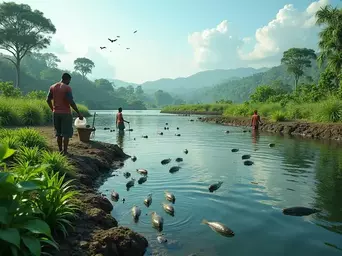
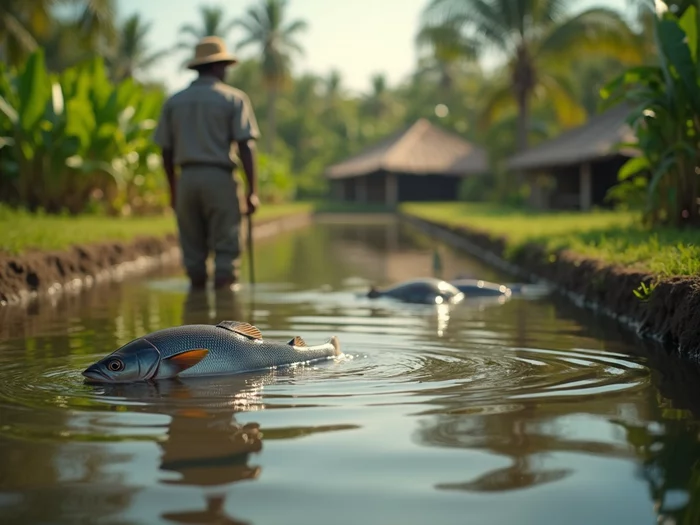
Another scenario involves a communal pond in Lagos where disease spread rapidly among fish populations. A lack of routine health checks led to an outbreak that wiped out 70% of the stock. This incident taught the community a hard lesson: neglecting health management can have dire financial consequences.
You need to implement strict health protocols and monitor your fish regularly. It's not just about keeping fish alive; it's about ensuring they thrive and contribute positively to your bottom line.
What You Don’t See: The Invisible Hand of Climate Change
Climate change is an unfathomable challenge for fish farmers across Africa. A farmer in Nairobi noticed a shift in his local weather patterns, leading to unpredictable rainfall and rising temperatures. This instability affected water levels and water quality in his ponds, causing stress in his fish and reducing overall production.
You want to consider how environmental changes affect your operations. Understanding these shifts will help you adapt your practices, safeguarding your investment and maximising your yield.
Key Points to Remember
- Learn from the experiences of others to avoid pitfalls.
- Implement health management protocols to prevent disease outbreaks.
- Adapt your practices to respond to climate variability.
You have the power to turn these challenges into opportunities. By understanding the root causes and preparing adequately, you can position yourself for success in the competitive world of fish farming. The stakes are high, and the consequences of ignorance can be costly. Choose to be informed and proactive; your future depends on it.
| Key Points | Details |
|---|---|
| Health Management | Implement strict health protocols to prevent disease outbreaks. |
| Resource Limitations | Ensure access to quality inputs and assess transportation options. |
| Knowledge Gaps | Educate yourself on best practices and seek practical training. |
| Environmental Factors | Monitor weather patterns and ensure water quality for fish health. |
| Sustainability and Biosecurity | Implement biosecurity measures and explore sustainable farming methods. |
| Gender Challenges | Support women in aquaculture to foster inclusivity and growth. |
| Innovations | Utilise technology and community engagement to enhance practices. |
Why Knowledge Gaps Can Cost You Your Business
You want to grasp how knowledge gaps can lead to significant setbacks in your fish farming enterprise. Many farmers operate under misconceptions that can be detrimental, especially in a competitive market. Understanding these gaps is key to your success, and a well-thought-out fish farming plan can help you address them.
The Misconceptions That Keep Farmers Stuck
Consider a farmer in Ibadan who believed that simply feeding his fish more would lead to faster growth. Unfortunately, this approach resulted in overcrowding and stunted growth, costing him a substantial part of his investment.
- **What do you believe about fish feeding and growth rates?**
- **Have you researched optimal feeding practices?**
- **Are you aware of the right feed types for your fish?**
Understanding these misconceptions is vital to improving your farm's performance.
What Happens When You Ignore Disease Control
In a small community near Enugu, a farmer ignored signs of disease among his tilapia. By the time he took action, he lost 90% of his fish stock. This costly oversight highlighted the importance of vigilance.
- **How often do you conduct health checks on your fish?**
- **Do you have a plan for disease management in place?**
- **Are you familiar with common diseases affecting your species?**
Regular health assessments can help you avert such losses.
The Impact of Training Programme Shortcomings
A farmer in Ghana attended numerous training programmes but found that the teachings were often theoretical and not applicable to his local context. This disconnect limited his ability to implement effective practices on his farm.
- **Are your training programmes aligned with your specific farming conditions?**
- **What practical skills do you feel you are missing?**
- **Have you sought mentorship from experienced farmers?**
You need to ensure that training meets your operational realities to maximise your growth potential.
Key Considerations
- Identify and correct misconceptions affecting your farm.
- Implement a robust disease management plan.
- Seek training that addresses practical challenges.
You have the opportunity to close these knowledge gaps. By educating yourself and staying informed, you can improve your farm's productivity and resilience.
How Environmental Factors Shape Your Production Experience
You want to recognise the environmental challenges that can influence your fish farming outcomes. Awareness of these factors allows you to adapt your practices and safeguard your investment.
The Unpredictable Nature of Weather
In a coastal area of Kenya, farmers faced severe drought conditions that disrupted their water supply. A farmer there had to adapt by sourcing alternative water sources, which added to his operational costs.
- **How do you monitor weather patterns affecting your area?**
- **What contingency plans do you have for extreme weather events?**
- **Are you prepared to adjust your farming strategy based on climate changes?**
You must stay informed about climate impacts to mitigate risks effectively.
What Poor Water Quality Can Mean for Your Fish
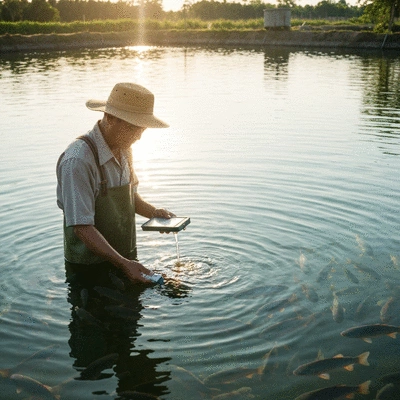
A farmer in Port Harcourt experienced rapid fish mortality due to high levels of pollution in local waterways. This incident underscored the critical importance of monitoring water quality.
- **What measures are you taking to ensure clean water?**
- **How frequently do you test the water in your ponds?**
- **Have you considered filtration or purification options?**
Maintaining high water quality is non-negotiable for your fish's health and survival.
The Need for Thoughtful Environmental Management
Farmers in Tanzania who embraced sustainable practices found that they could improve fish health while also contributing positively to the local ecosystem. This holistic approach fosters long-term viability, and understanding why ignoring sustainable practices dooms fish farming success is crucial for your business.
- **What sustainable practices can you incorporate into your farming?**
- **Are you aware of how your operations impact the local environment?**
- **How can you balance productivity with ecological responsibility?**
You should consider environmental management as a vital element of your success.
Key Insights
- Monitor weather patterns and adapt your strategies.
- Ensure water quality is maintained at all times.
- Implement sustainable practices for long-term benefits.
You can leverage your understanding of environmental factors to enhance your fish farming operations. By being proactive, you can minimise risks and maximise your success.
What You Should Know About Sustainability and Biosecurity
You want to understand the critical role that sustainability and biosecurity play in fish farming. Ignoring these elements can lead to disastrous consequences for your farm’s viability.
The Consequences of Neglecting Biosecurity Measures
A fish farm in Uganda faced a severe biosecurity breach when a new batch of fingerlings brought in diseases that decimated the existing stock. This experience serves as a cautionary tale.
- **What biosecurity measures are currently in place on your farm?**
- **How do you ensure that new stock is disease-free?**
- **Are you conducting regular risk assessments for potential biosecurity threats?**
You can protect your investments by prioritising biosecurity.
How Pollution Affects Your Bottom Line
A farmer near a heavily industrialised area found that water pollution significantly affected his fish health and growth rates. As a result, he faced reduced sales and increased costs.
- **What local environmental regulations affect your operations?**
- **How do you assess and mitigate pollution risks?**
- **Are there partnerships you can form to address these challenges?**
Being proactive about environmental concerns is crucial for your profitability.
What Successful Farmers Do Differently
Farmers who incorporate sustainable practices, such as polyculture or integrated aquaculture, have reported improved yields and reduced costs. This approach ensures better resource use.
- **What sustainable techniques can you experiment with?**
- **How can you diversify your production methods?**
- **Are you exploring alternatives to traditional farming practices?**
You need to assess your current practices and seek opportunities for improvement.
Key Strategies
- Implement rigorous biosecurity measures.
- Monitor and mitigate local pollution sources.
- Explore sustainable farming methods to enhance productivity.
You can make sustainability a priority in your fish farming operations. By focusing on these aspects, you can build a resilient and profitable business.
The Gender Divide: Challenges Faced by Women in Aquaculture
You want to acknowledge the specific challenges faced by women in fish farming across Africa. Understanding these barriers is essential if you aim to create an inclusive and thriving farming community.
The Unseen Contributions of Women Fish Farmers
In many regions, women are the backbone of fish farming. A woman in Ghana, for example, runs a successful tilapia farm and also trains other women to enter the industry, showcasing the immense potential if supported.
- **What roles do women play in your local fish farming community?**
- **How can you support women in aquaculture in your area?**
- **Are there mentorship opportunities for women in your network?**
Recognising these contributions can help foster community development.
How Financial Barriers Hold Women Back
A fish farmer in Nigeria struggled to access credit facilities due to her gender. This financial barrier limited her growth potential and forced her to operate at a smaller scale.
- **What financial resources are available specifically for women?**
- **How can you advocate for better access to funding?**
- **Are there local organisations supporting women in aquaculture?**
You should seek out resources that empower women fish farmers.

Empowerment Strategies That Make a Difference
Successful initiatives have provided training, microloans, and networking opportunities for women in aquaculture. These strategies enhance their skills and business acumen, leading to better outcomes.
- **What empowerment initiatives can you participate in or support?**
- **How can collaboration among women farmers be strengthened?**
- **Are there success stories you can learn from?**
You can play a part in promoting gender equality within the industry.
Key Considerations
- Recognise and support women's contributions in aquaculture.
- Address financial barriers affecting women farmers.
- Participate in initiatives that empower women in the industry.
You can help bridge the gender divide in fish farming. By supporting women and advocating for equal opportunities, you contribute to a more sustainable and equitable industry.
What Innovations Could Change the Game for Fish Farmers
You want to explore the potential innovations that can elevate your fish farming practices. Embracing technology and community initiatives can significantly enhance your productivity.
The Role of Technology in Overcoming Production Challenges
A farmer in South Africa integrated digital tools to monitor water quality and fish health. This proactive approach helped him identify issues early, resulting in improved yield and reduced losses.
- **What technologies can you incorporate into your operations?**
- **How can you leverage data to make informed decisions?**
- **Are there apps or platforms that can support your farming activities?**
Using technology can streamline your processes and improve outcomes.
How Community Engagement Fuels Success
Farmers in a cooperative in Kenya have shared resources and knowledge, leading to collective success. By working together, they’ve tackled common challenges and improved market access.
- **What networking opportunities can you pursue?**
- **How can you contribute to a community of fish farmers?**
- **Are there local cooperatives you could join or form?**
Collaboration can significantly enhance your farming efforts.
The Importance of Adaptive Practices
Farmers who adapt their strategies based on feedback and changing conditions see better results. A farmer who switched to seasonal production methods maximised profits during peak demand periods.
- **What practices can you adapt to suit changing market conditions?**
- **How often do you review your farming strategies?**
- **Are you open to experimenting with new methods?**
You should remain flexible and responsive to changes in your environment.
Key Innovations
- Incorporate technology to enhance monitoring and decision-making.
- Engage with your community for shared learning and support.
- Adapt your practices to respond to market and environmental changes.
You can harness innovations to transform your fish farming business. By staying open to new ideas and collaborating with others, you can improve your success.
Where Do You Go From Here?
You want to consider the next steps that will define your fish farming journey. Making informed choices now can set you up for long-term success.
The Choices That Define Your Future
You must evaluate the decisions you make regarding production, marketing, and resource management. Each choice shapes your path and influences your profitability.
- **What are your current priorities in your farming operations?**
- **How do you plan to address the challenges you've identified?**
- **What resources can you utilise to support your growth?**
These choices will dictate your business trajectory.
How to Start Small and Scale Up
Many successful farmers began with modest operations. A farmer in Mozambique started with a few ponds and gradually expanded as he gained experience and market understanding.
- **What small-scale strategies can you implement now?**
- **How can you test new ideas before scaling?**
- **Are you prepared to invest time in gradual growth?**
Starting small allows you to learn without overwhelming risk.
Seeking Support: What’s Available for You
Resources such as agricultural extension services, local cooperatives, and NGOs can provide valuable support. Engaging with these organisations can facilitate your growth.
- **What local institutions can offer you assistance?**
- **How can you leverage networks for resources and knowledge?**
- **What grants or funding opportunities are available in your area?**
You should actively seek out the support systems around you.
Next Steps
- Evaluate your priorities and set clear objectives.
- Start small and build on your successes.
- Engage with resources and networks for support.
You have the potential to define your future in fish farming. By making informed choices and seeking support, you can create a thriving business.
Frequently Asked Questions
What are the top production challenges in African fish farming?
You should be aware that the primary challenges include disease management, resource limitations, market access, and environmental factors. Understanding these can help you prepare effectively.
How does climate change specifically affect fish farming in Africa?
Climate change can lead to unpredictable weather patterns, higher water temperatures, and altered water quality and availability. You must stay informed about these shifts to adapt your practices accordingly, such as by implementing climate-resilient farming techniques.
What resources exist for capacity building in aquaculture?
There are various resources available, including agricultural extension services, practical training programmes offered by NGOs, and online platforms that provide insights and tools for fish farmers. Engaging with local cooperatives can also offer valuable support and shared knowledge.
How can technology help address common challenges?
Technology can significantly enhance your operations by enabling better monitoring of water quality and fish health, optimising feeding practices for efficiency, and improving market access through data-driven decision-making. Digital tools can also help you predict and respond to environmental changes.
Why is understanding local market access crucial for fish farmers?
Understanding local market access is crucial because it ensures you have ready buyers for your produce, preventing spoilage and financial losses. You need to identify your target markets, build strong connections with potential buyers, and consider reliable transport options to maximise your profitability.
References and Further Reading
Key Reports and Studies on African Aquaculture
You can explore reports from organisations like the Food and Agriculture Organisation (FAO) and local agricultural departments for comprehensive insights into aquaculture trends.
Additional Resources for Aspiring Fish Farmers
Consider visiting online platforms that offer tailored resources for fish farming, including webinars, articles, and community forums where you can exchange knowledge with fellow farmers.
What You Need to Know About Resource Limitations
You want to understand how resource limitations can significantly impact your fish farming business. Many farmers overlook the importance of quality inputs and reliable infrastructure, leading to reduced yields and profitability. Here's what you need to know...
The Realities of Accessing Quality Inputs
You need to consider the availability of quality feed and fingerlings. A farmer in Ogun State spent weeks trying to secure reliable feed, only to find that the available options were of poor quality. This decision cost them a substantial part of their harvest.
- **Where can you source quality feed?**
- **What are the trusted suppliers in your area?**
- **How do you verify the quality of fingerlings?**
Understanding these questions is crucial to prevent setbacks in your production.
How Poor Infrastructure Can Sink Your Profits
You must also acknowledge how infrastructure affects your business. Many fish farmers in Nigeria struggle with transport challenges. For instance, a trader returning from a rural market faced delays due to bad roads, leading to spoiled stock and lost income.
- **What transport options are available for your products?**
- **How does local infrastructure impact your supply chain?**
- **Can you partner with transport services to ensure timely deliveries?**
These factors can either bolster or undermine your profitability.
The Dangers of Overlooking Market Access
You should never underestimate the importance of market access. A farmer in Lagos found themselves with an unsold stock of 500kg of fish due to lack of market connections. They had the produce but no buyers, which resulted in significant losses.
- **What markets are you targeting?**
- **Who are your potential buyers?**
- **How can you expand your market reach?**
These questions will help you navigate the complexities of market access effectively.
Key Considerations
- Evaluate the quality of inputs regularly.
- Build relationships with reliable suppliers.
- Assess transportation options for product delivery.
- Explore local markets and potential buyers.
- Identify infrastructure challenges that could affect operations.
You want to make informed decisions about your resources. Ignoring these realities could mean the difference between a thriving business and one that barely survives. Recognise that each element of resource management plays a critical role in your overall success.
As we’ve explored, the journey of fish farming in Africa is filled with various challenges, from production limitations to market access issues. Understanding these obstacles and learning from the experiences of others can significantly impact your success.
You’ve seen how resource limitations and knowledge gaps can hinder your progress. Equally, environmental factors and sustainability practices play vital roles in shaping your farming experience. Recognising the gender divide is essential, as empowering women in aquaculture can drive meaningful change.
Now that you’re aware of these common challenges, consider how you can apply this knowledge to improve your own operations. Start by evaluating your resources, seeking the right training, and adopting sustainable practices in your fish farming business. Remember, taking small steps towards innovative solutions can lead to long-term growth.
For more insights and support tailored to your needs, explore the resources available at FishFarmingBusiness.com. Your journey towards a profitable and sustainable fish farming business starts now.

Yomi Adisa
Yomi Adisa is the lead researcher at Fish Farming Business, where he studies what makes aquaculture ventures profitable across Africa. His research focuses on market patterns, buyer preferences, and the business decisions that determine success or failure in fish farming.