
Why Ignoring Sustainable Practices Dooms Fish Farming Success

Posted on: 2025-10-17
By: Kwame Adom
Fish farming can seem like a straightforward path to profitability, but many farmers overlook a critical aspect: sustainability. Have you ever wondered what happens when short-term gains overshadow long-term responsibility? Ignoring sustainable practices can set you on a course for failure, impacting not only your business but the entire ecosystem around you.
In this blog post, we’ll explore how neglecting sustainability leads to hidden costs, regulatory challenges, and diminishing returns. Through real stories and scenarios, you’ll see the consequences faced by farmers who failed to consider the environmental impact of their methods. By the end, you’ll understand why sustainability isn't just an option—it's essential for your success in fish farming.
What You Will Learn
- The hidden costs of neglecting sustainable practices in fish farming.
- How poor water quality and fish health can impact profitability.
- The importance of engaging with local communities and regulators.
- Strategies to adapt to climate change and its effects on aquaculture.
- Market dynamics and consumer preferences influencing fish farming success.
How Neglecting Sustainable Practices Leads to Long-Term Failure in Fish Farming
Why Most Farmers Overlook Sustainability
You want to understand why sustainability is often an afterthought in fish farming. Many farmers chase immediate profits, believing that cutting corners will lead to financial success. Yet, this mindset can lead to grave consequences.
Common misconceptions around aquaculture often centre on the idea that as long as fish are growing, everything is fine. You might think that high-density farming will yield more fish for less cost. However, this approach can lead to overstocking, poor water quality, and disease outbreaks—outcomes that can wipe out your profits in no time, and you can learn more about avoiding common fish farming mistakes to safeguard your business.
You need to recognise the hidden costs of ignoring sustainability. When short-term gains drive your decisions, you risk long-term failure. For instance, a farmer in Kumasi, Ghana, focused solely on increasing yield. While this strategy worked for a while, it led to fish health issues and regulatory scrutiny, ultimately driving his operation into the ground.
The Untold Story of Farmers Who Ignored Environmental Impact
You may wonder what happens when environmental impact is disregarded. Neglecting sustainable practices can lead to detrimental effects on local ecosystems, harming not only fish stocks but also the surrounding wildlife and communities. This creates a cycle of degradation that can haunt your business for years.
It's essential to understand that your farming practices have a broader impact. By ignoring sustainable approaches, you risk alienating environmentally conscious consumers. These customers are increasingly demanding responsibly sourced fish, and failure to adapt can leave your business with dwindling market access.
You should be asking yourself:
- What misconceptions do I hold about sustainability in aquaculture?
- How can short-term profits be misleading?
- Am I aware of the environmental impact of my farming practices?
Navigating these questions is crucial for your success in the fish farming industry. Ignoring them could mean watching your business struggle or even fail in the face of changing market demands and environmental regulations.
Key Considerations for Sustainable Fish Farming
- Evaluate your current farming practices for sustainability.
- Assess the long-term economic benefits of eco-friendly methods.
- Understand local regulations that promote sustainable aquaculture.
- Engage with consumers about their preferences.
- Consider the potential risks of unsustainable practices.
As you reflect on these points, remember that your approach to sustainability can define your future in fish farming. You want to be proactive, not reactive. The choices you make today will either set you on a path to long-lasting success or lead you to costly failures down the line.
| Key Points | Details |
|---|---|
| Neglecting Sustainability | Short-term profit focus leads to long-term failure. |
| Hidden Costs | Ignoring sustainability results in poor fish health and declining ecosystems. |
| Regulatory Challenges | Non-compliance can lead to fines and operational issues. |
| Market Expectations | Failure to align production with market demands can result in losses. |
| Climate Change Impact | Rising temperatures and changing conditions can affect fish health. |
| Consumer Demand | Increase in preference for responsibly sourced fish affects market access. |
| Sustainable Practices | Adopting eco-friendly methods can enhance profitability and market access. |
The Human Factor: Stories of Farmers Facing Consequences
You need to recognise that the human element in fish farming can have significant repercussions. When farmers cut corners on sustainability, they often face unexpected consequences. Let's delve into some real stories.
The Reality of Antibiotic Resistance in Local Fish Farms
You might think that antibiotics are a quick fix for health issues in your stock, but this can lead to antibiotic resistance. A farmer in Lagos used antibiotics excessively, believing it would ensure a healthy yield. Unfortunately, this practice led to resistance in bacteria, affecting not just his farm but others in the area.
You should ask yourself:
- Are you over-relying on antibiotics for fish health?
- What alternatives can you explore for disease management?
Fostering a culture of responsible antibiotic use is crucial for your farm's long-term viability.
Lessons from Farmers Who Faced Regulatory Fines
Ignoring regulations can lead to heavy fines and operational shutdowns. A farmer in Ghana faced severe penalties for failing to comply with local environmental regulations. He neglected to report waste discharge, resulting in a costly legal battle that drained his finances, underscoring the importance of navigating regulatory hurdles effectively.
Consider these questions:
- Are you up to date with local regulations?
- How can you ensure compliance in your operations?
Understanding and following regulations helps you avoid financial pitfalls and ensures a sustainable future.
Key Information
- Antibiotic resistance can have long-term effects on fish health.
- Regulatory compliance is essential for avoiding fines.
- Proactive measures can safeguard your farm's future.
Financial Downfalls: The Price of Ignorance
Failing to consider financial implications can lead to your downfall. You need to be aware of the costs associated with ignoring sustainability.
What Happens When You Ignore Market Expectations?
You may think your fish will sell regardless of what buyers expect, but that's a risky assumption. A farmer in Kenya produced a large quantity of tilapia without researching market preferences. When it came time to sell, he found that buyers wanted smaller sizes, leading to unsold stock and wasted resources.
Reflect on these questions:
- Are you aware of current market demands?
- How do you align your production with buyer expectations?
Understanding your market can make the difference between profit and loss.
The Long-Term Impact of Poor Feed Sustainability
Choosing low-quality feed to cut costs can backfire. A farmer in Nigeria opted for cheaper feed that lacked essential nutrients. Over time, his fish grew slower, resulting in lower prices at market.
You need to consider:
- What is the nutritional value of the feed you're using?
- Are you investing in quality that ensures long-term growth?
Prioritising quality feed helps you maintain a healthier stock and ultimately boosts profitability.
Key Takeaways
- Market research is crucial for aligning production with demand.
- Investing in quality feed pays off in the long run.
- Understanding financial implications is key to sustainability.
An Unexpected Decline: The Story of a Once-Thriving Fish Farm
You should be aware that neglecting sustainable practices can lead to an abrupt decline. A farmer in South Africa ran a successful catfish farm, but neglecting pond maintenance led to overgrowth and poor water quality.
He lost a significant portion of his stock, resulting in a financial downturn that he struggled to recover from.
You need to ask:
- Are you regularly assessing the condition of your ponds?
- What preventive measures are in place to ensure sustainability?
Ignoring these factors can lead to severe consequences for your operation.

The Challenge of Adapting to Climate Change
Climate change poses real challenges for fish farmers. You must adapt your practices to stay viable in a changing environment.
How Rising Temperatures Affect Your Fish Farming Operations
You might not realise the impact that rising temperatures can have on fish health. A farmer in Ghana noted that higher water temperatures stressed his fish, leading to lower growth rates and increased disease susceptibility.
You need to consider:
- How are you monitoring water temperatures?
- What strategies can you implement to mitigate these effects?
Understanding these dynamics is crucial for maintaining healthy stock.
The Unseen Threat of Aquatic Diseases in Changing Climates
Changing climates can lead to new disease outbreaks. A farmer in Nigeria faced a sudden spike in diseases due to warmer waters, which he was unprepared for.
You should be asking yourself:
- What diseases are common in warmer temperatures?
- How can you prepare for potential outbreaks?
Being proactive can save you from costly health crises.
Key Information
- Monitor environmental changes continuously.
- Adapt practices to mitigate climate-related risks.
- Prepare for potential disease outbreaks.
Farmers Who Thrived by Embracing Sustainable Practices Amidst Change
There are also stories of farmers who successfully adapted. A cooperative in Kenya began implementing integrated farming techniques, allowing them to diversify and build resilience against climate impacts.
You want to learn from these examples and consider how you can integrate sustainable practices into your own farming strategies.
Navigating the Regulatory Landscape: A Farmer's Dilemma
Regulatory compliance can be daunting, but it’s essential for your farm's success. You need to understand the landscape to navigate it effectively.
The Confusion Around Compliance and Certification
Navigating regulations can feel overwhelming. A farmer in Ghana struggled to comply with new environmental laws, leading to fines and operational disruptions, highlighting the need for a comprehensive guide to mastering legal compliance.
You should ask:
- What are the existing regulations in your area?
- How can you stay updated on changes?
Being informed will protect your business from unnecessary setbacks.
Real Stories of Farmers Who Fell Foul of Regulations
Failure to comply with regulations often results in severe penalties. One farmer in Nigeria faced closure after being found in violation of waste disposal laws.
Consider these points:
- Are you engaging with local regulatory bodies?
- How can you ensure you meet compliance standards?
Engaging with regulatory bodies can help clarify compliance requirements and avoid penalties.
Key Takeaways
- Stay informed about local regulations.
- Engage with regulatory bodies for clarity.
- Proactive compliance helps prevent penalties.
How Community Engagement Can Bridge the Gap
You can improve relationships with local authorities by engaging with your community. A cooperative in Kenya worked closely with local regulators, earning trust and support.
You want to consider:
- How can you involve your community in your practices?
- What benefits can community engagement bring to your farm?
Building strong community ties can create a supportive environment for your farm.
The Path Forward: Redefining Success in Fish Farming
You need to rethink what success means in fish farming. Embracing sustainable practices can redefine your approach.
What You Need to Know About Integrated Multi-Trophic Aquaculture (IMTA)
IMTA is an innovative approach that can benefit your farm. This method involves cultivating different species together to create a balanced ecosystem.
You should explore:
- How can IMTA be implemented on your farm?
- What benefits can it provide?
Integrating IMTA can enhance sustainability and boost profitability.
Success Stories: Farmers Who Turned Their Businesses Around
Many farmers have successfully adopted sustainable practices to revitalise their operations. A cooperative in Ghana turned its fortunes around by implementing eco-friendly methods, increasing their market access and profits.
You need to learn from these examples and consider how similar strategies can work for you.
Key Information
- Explore sustainable aquaculture methods like IMTA.
- Learn from successful farmers who adapted.
- Rethink your definition of success in fish farming.
The Role of Technology in Creating Sustainable Solutions
Technology can offer innovative solutions to sustainability challenges. You should consider how digital tools can enhance your farming practices.
Reflect on:
- What technologies can improve your farm's efficiency?
- How can data help you make informed decisions?
Embracing technology can streamline your operations and create a more sustainable future.
Your Choice: Will You Adapt or Face the Consequences?
The decisions you make today will shape your future in fish farming. You need to consider the path you want to take.
The Economic Benefits of Embracing Sustainability
Sustainability is not just an ethical choice; it’s an economic one. Many farmers who have adopted sustainable practices have seen increased profitability.
You should ask:
- How can sustainability enhance your bottom line?
- What changes can you implement to improve your operations?
Embracing sustainability can lead to long-term financial benefits.
How Consumer Demand is Shaping the Future of Fish Farming
Consumer preferences are changing. More buyers are seeking responsibly sourced fish. A farmer who adapts to these demands can secure a competitive edge.
You need to consider:
- What are your buyers looking for?
- How can you align your practices with consumer expectations?
Understanding market dynamics is crucial for your business.
What You Can Do Today to Ensure Long-Term Viability
You have the power to shape your business's future. Begin by evaluating your current practices and identifying areas for improvement.
Consider taking these steps:
- Conduct a sustainability audit of your farm.
- Engage with your community and local regulators.
- Invest in quality feed and sustainable methods.
By making informed decisions today, you can secure your farm's long-term viability and success.
The Invisible Costs of Unsustainable Practices
You might think that cutting corners in fish farming can lead to quick profits. However, the reality is that ignoring sustainable practices can create serious problems down the line. Understanding the hidden costs associated with poor practices is crucial for your long-term success. Here’s what you need to consider.
What You Need to Know About Water Quality and Fish Health
Water quality is the lifeblood of your fish farm. When you neglect proper management, you’re not just risking the health of your fish; you’re jeopardising your entire operation. Contaminated water can lead to diseases, which can wipe out your stock faster than you can replenish it. You need to monitor parameters like pH, dissolved oxygen, and ammonia levels regularly.
- What are the current water quality standards in your region?
- How often do you conduct water tests?
- What measures do you have in place to improve water quality?
Farmers who have ignored these factors often find themselves facing heavy losses. For instance, a fish farmer in Ogun State lost over 300,000 naira when a sudden drop in oxygen levels led to a complete die-off of his catfish stock.
The Ripple Effect: How Poor Practices Affect Local Ecosystems
It's not just your pond that suffers from unsustainable practices. When you use harmful chemicals or over-fish local waters, the effects can ripple throughout the ecosystem. This can lead to a decline in fish populations outside your farm, affecting local fisheries and communities that depend on them for their livelihoods.
Ask yourself:
- How does your farming practice impact local wildlife?
- Are you aware of any local regulations regarding chemical use?
- How can you implement practices that are beneficial to both your farm and the environment?
Ignoring these questions can result in strained relationships with your community and local authorities. You want to be seen as a responsible farm owner, not one who contributes to ecological degradation.
When Overfishing Becomes a Farmer's Nightmare: A Cautionary Tale
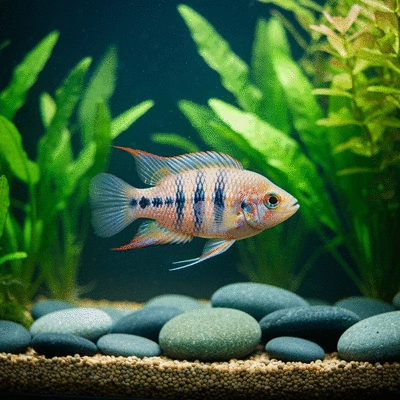
Overfishing is a pressing concern that can lead to your operation's downfall. A farmer in Kenya once focused solely on high-yield fish species without considering ecosystem balance. Soon, local fish stocks dwindled, and with it, the demand for his farmed fish plummeted. He found himself with excess fish and no buyers, eventually leading to a loss of over 500,000 Kenyan shillings.
This situation highlights the importance of sustainable harvesting. You need to ensure that your methods do not deplete local stocks. Engaging with local fisheries can help you understand what’s sustainable and what isn’t.
Key Takeaways
Understanding the invisible costs of unsustainable practices can save your farm from significant losses.
- Monitor water quality regularly to ensure fish health.
- Avoid practices that harm local ecosystems.
- Engage with local communities to ensure your methods are sustainable.
You need to rethink your approach to ensure sustainability is at the heart of your farming practices. The future of your fish farm depends on it. Not taking these factors into consideration could lead you to face severe consequences that threaten your entire operation.
Frequently Asked Questions
Why is sustainability often overlooked in fish farming?
Sustainability is often overlooked because many farmers prioritise short-term profits, believing that cutting corners will lead to faster financial success. This focus can blind them to the long-term environmental and economic consequences that unsustainable practices create for their businesses and the wider ecosystem.
What are the hidden costs of ignoring sustainable practices?
Ignoring sustainable practices can lead to several hidden costs, including poor fish health and disease outbreaks due to inadequate water quality, increased regulatory fines for non-compliance, and dwindling market access as consumers increasingly demand responsibly sourced fish. These issues can significantly impact your profitability and long-term viability.
How can unsustainable feed choices impact a fish farm?
Choosing low-quality feed to cut costs can have severe long-term impacts. It can lead to slower fish growth, lower market prices for your product, and overall reduced fish health. Investing in nutritionally rich feed, despite the higher upfront cost, ensures healthier stock and improved profitability in the long run.
Why is regulatory compliance so important for fish farmers?
Regulatory compliance is crucial because failing to adhere to local environmental laws and standards can result in heavy fines, operational shutdowns, and costly legal battles. Staying informed and engaged with regulatory bodies helps you avoid financial pitfalls, maintain your operating licence, and ensure a sustainable future for your farm.
How can fish farmers adapt to the challenges of climate change?
To adapt to climate change, fish farmers must proactively monitor water temperatures and implement strategies to mitigate heat stress on fish. You should also prepare for potential new disease outbreaks that can arise in warmer waters. Embracing integrated farming techniques and leveraging technology can help diversify operations and build resilience against climate impacts.
Neglecting sustainable practices in fish farming isn’t just an oversight; it can lead to significant long-term failures. You’ve seen how common misconceptions and short-term profit motivations can cloud judgement, ultimately risking not just the environment but also your business's viability. The invisible costs of unsustainable practices often manifest in poor fish health and damaged ecosystems, which can have lasting effects on your operations.
As you consider your own farming practices, remember the real stories of those who have faced dire consequences due to inaction. Financial downfalls can arise from ignoring market expectations and sustainability, leading to an unexpected decline in your business. The challenge of adapting to climate change only adds to these pressures, making it imperative to embrace sustainable methods.
Your choice is clear: adapt your practices to align with sustainability or risk facing the consequences that others have already encountered. Think about the economic benefits that come with this shift and recognise how consumer demand is shaping the future of fish farming.
Take a moment to reflect on what you can do today to ensure the long-term viability of your fish farming business. Whether it’s improving your knowledge of integrated multi-trophic aquaculture or leveraging technology for better sustainability, every step counts. Your journey towards a more profitable and environmentally responsible operation starts now.

Yomi Adisa Lead Researcher
Yomi Adisa is the lead researcher at Fish Farming Business, where he studies what makes aquaculture ventures profitable across Africa. His research focuses on market patterns, buyer preferences, and the business decisions that determine success or failure in fish farming.