
Why Your Record-Keeping System Could Make or Break Your Fish Farm Profits
Posted on: 2025-11-09
By: Yomi Adisa
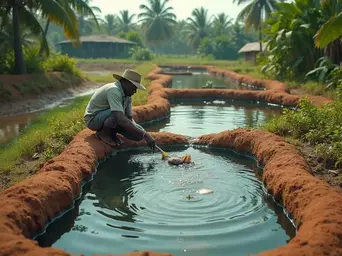
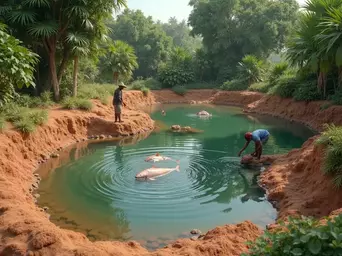
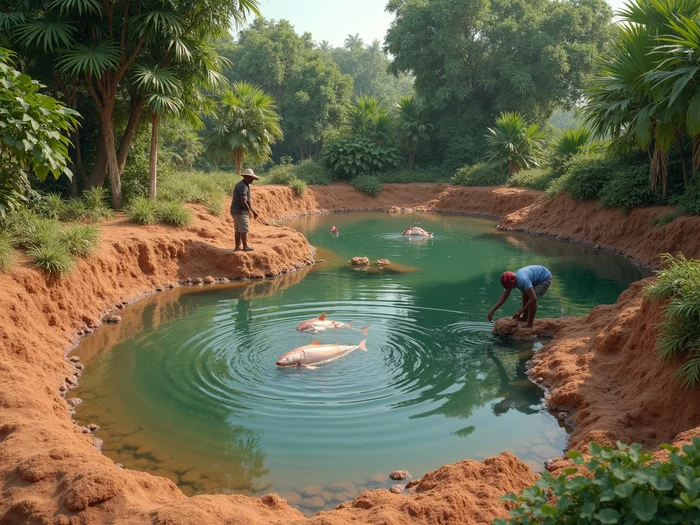
Picture this: you're standing in your pond at 6 AM, watching hundreds of dead catfish floating on the surface. Yesterday they were healthy. Today, you're staring at 200,000 naira worth of lost investment. The water looks fine to you, but your records—if you kept any—might have told a different story three days ago when the pH started dropping.
- Understanding the Role of Record-Keeping in Fish Farm Profitability
- What You Need to Track for Optimal Fish Farm Management
- The Hidden Costs of Poor Record-Keeping
- Who Thrives in Fish Farming Through Effective Record-Keeping
- The Future of Record-Keeping: Embracing Technology
- Your Next Steps: Making Record-Keeping Work for You
This scene plays out across fish farms in Nigeria, Ghana, and Kenya more often than most farmers care to admit. The difference between profitable farms and those barely surviving isn't usually about feeding techniques or pond construction. It's about knowing what's happening in your operation before problems become disasters.
Your record-keeping system isn't just paperwork—it's your early warning system, your profit calculator, and your business insurance all rolled into one.
When Samuel, a catfish farmer in Ogun State, lost his entire stock worth 450,000 naira, he discovered that proper records could have saved him 80% of that loss. He just didn't know what to track or when to act on the information.
The farmers making consistent profits aren't necessarily better at raising fish. They're better at knowing exactly what's happening in their ponds, when it's happening, and what it means for their bottom line. Without this knowledge, you're farming blind—and blind farmers rarely stay profitable for long.
What You Will Learn
- How effective record-keeping can serve as an early warning system for potential problems in your fish farm.
- The essential metrics to track for optimising feeding efficiency and improving growth rates.
- Common mistakes in record-keeping that can undermine your profitability and lead to costly losses.
- How to leverage data to make informed decisions that maximise your farm's profits.
- The impact of digital tools on streamlining your record-keeping processes for better insights.
Understanding the Role of Record-Keeping in Fish Farm Profitability
You walk into your farm each morning with questions you might not even realise you're asking. Are your fish growing as expected? Is your feed conversion improving or getting worse? When did you last change the water, and what were the parameters then? Most farmers answer these questions with gut feelings and rough estimates. The profitable ones answer with precise data.
Record-keeping in fish farming isn't about filling out forms to satisfy some bureaucratic requirement. It's about capturing the story of what's happening in your ponds so you can predict what comes next. Every feeding session, every water test, every mortality count, every expense—these are data points that reveal patterns invisible to casual observation.
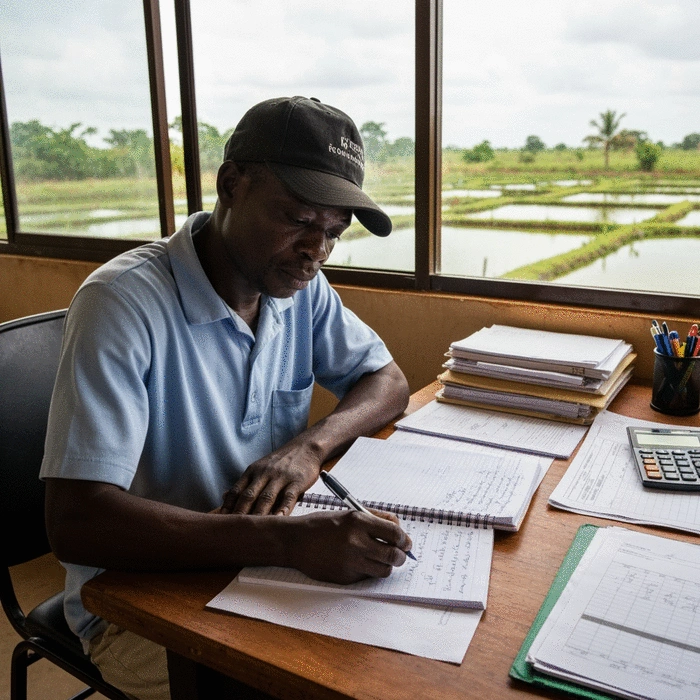
The difference between systematic record-keeping and hoping for the best shows up in your bank account. Farmers who track their operations methodically typically see 20-30% better profit margins than those who rely on memory and intuition. Why does this matter to your profits? Because you can't optimise what you don't measure, and you can't prevent problems you don't see coming.
What is Record-Keeping in Fish Farming?
Record-keeping in fish farming means systematically documenting every significant event and measurement in your operation. You're creating a detailed log of feeding schedules, water quality parameters, fish health observations, growth measurements, mortality rates, and financial transactions. This isn't casual note-taking—it's building a database of your farm's performance.
Think of it as your farm's memory system. Without records, you're starting fresh every day, making decisions based on what you remember from last week or last month. With proper records, you can see trends developing weeks before they become problems. You can identify which feeding strategies work best for your specific conditions, when your fish grow fastest, and what environmental factors correlate with health issues.
The most successful farmers treat their records like a business intelligence system. They don't just write things down—they review patterns, compare periods, and use historical data to make better decisions. When you can tell a buyer exactly when your fish will reach market size, or predict your feed costs for the next three months, you're operating from a position of knowledge rather than hope.
Essential Records Every Profitable Farm Maintains
The farms that consistently outperform their competitors track these core areas:
- Daily feeding records: Amount fed, time, weather conditions, fish response
- Water quality logs: pH, dissolved oxygen, temperature, ammonia levels
- Growth tracking: Regular sampling, weight measurements, size distribution
- Health monitoring: Mortality counts, disease symptoms, treatment records
- Financial documentation: All expenses, sales, cash flow, profit calculations
How Does Effective Record-Keeping Impact Your Bottom Line?
Your records become your profit-protection system when you understand how to read them. Consider feed costs, which typically represent 60-70% of your total production expenses. Without detailed feeding records, you're guessing at optimal feeding rates, missing opportunities to improve feed conversion, and potentially overfeeding by 15-20%. On a farm producing 2,000kg of fish per cycle, that waste could cost you 50,000-80,000 naira per harvest.
Water quality records prevent the kind of disasters that wipe out entire stocks overnight. When you track pH, dissolved oxygen, and ammonia levels consistently, you spot dangerous trends 3-5 days before they become lethal. The cost of daily testing might be 200-300 naira, but it protects investments worth hundreds of thousands. How does this save you money? Because replacing dead stock costs far more than preventing deaths in the first place.
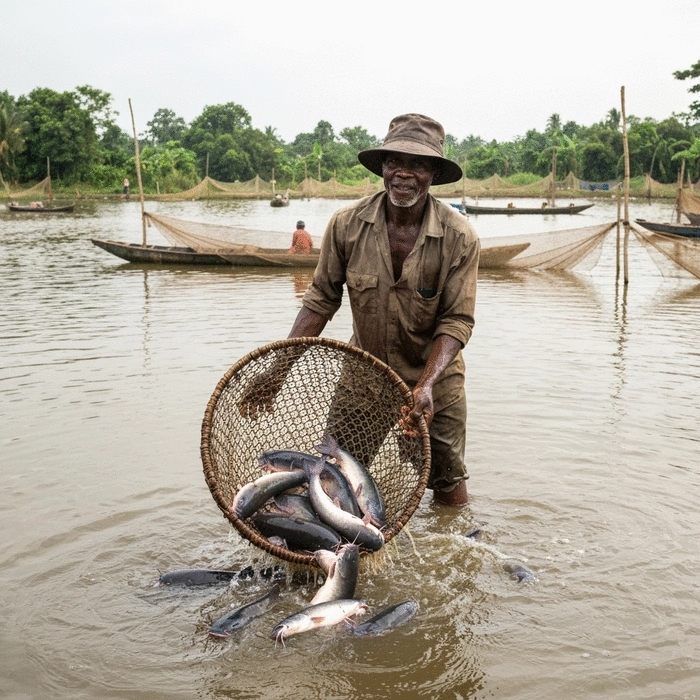
Growth tracking records reveal your farm's true performance and help you time your harvests for maximum profitability. Fish prices fluctuate seasonally—during Ramadan, Christmas, or local festival periods, prices can jump 20-40% above normal rates. When you know exactly how fast your fish grow under different conditions, you can plan stocking dates to hit these premium markets. Farmers who guess at growth rates often miss these opportunities entirely.
Financial records show you where your money actually goes versus where you think it goes. Most farmers underestimate their true production costs by 15-25%, which means they're selling fish at prices that feel profitable but actually generate losses. Detailed expense tracking reveals which costs are fixed, which are variable, and where you have room to optimise. What problem does this solve? It prevents you from working hard while unknowingly losing money.
Common Mistakes in Record-Keeping That Cost You Profits
The most expensive record-keeping mistake isn't keeping bad records—it's keeping no records at all. Farmers operating without systematic documentation make decisions based on incomplete information, miss early warning signs of problems, and repeat expensive mistakes because they can't identify what went wrong. A farmer in Kaduna discovered this when he lost three consecutive batches to the same water quality issue, costing him over 600,000 naira, because he never documented the pattern.
Inconsistent record-keeping creates dangerous gaps in your data. You might track feeding for two weeks, skip a week when you're busy, then resume sporadically. These gaps often coincide with problem periods—when you're stressed and busy dealing with issues is exactly when you need data most. Incomplete records can't reveal trends or help you prevent recurring problems.
Recording the wrong information wastes time without providing value. Some farmers meticulously track irrelevant details while ignoring critical measurements. Recording the colour of the sky when you feed your fish won't help your profitability, but tracking feed conversion rates, water temperature, and fish behaviour will. When do you need to know this? Before you develop habits around tracking meaningless data instead of actionable information.
Many farmers keep records but never review them. Your records only create value when you analyse them for patterns and use those insights to make better decisions. A notebook full of numbers that nobody ever studies is just expensive storage. The profitable farms don't just collect data—they regularly review it, identify trends, and adjust their operations based on what the records reveal.
What You Need to Track for Optimal Fish Farm Management
You can't manage what you don't measure, but most farmers measure the wrong things or measure the right things inconsistently. The difference between farms that thrive and those that struggle isn't the amount of data they collect—it's tracking the specific metrics that directly impact profitability and fish health. When you know what to monitor and how often, your records become a powerful management tool rather than a bureaucratic burden.
The most profitable farms focus their record-keeping efforts on four critical areas: feeding performance, water quality parameters, fish growth patterns, and financial flows. Each area provides different insights, but together they create a complete picture of your operation's health and profitability. Miss any one of these, and you're operating with blind spots that can cost you thousands of naira per production cycle.
Your goal isn't to track everything possible—it's to track everything essential. The farmers making consistent profits have learned to distinguish between data that drives decisions and data that just fills notebooks. They focus their time and energy on records that help them prevent problems, optimise performance, and maximise returns.
Essential Feeding Records: Tracking What Matters
Your feeding records should tell the story of how efficiently you're converting expensive feed into valuable fish. You need to document not just how much you feed, but when you feed, how the fish respond, and what environmental conditions affect their appetite. Feed typically represents 60-70% of your production costs, so improving feed efficiency by even 5% can add 30,000-50,000 naira to your profit per tonne of fish produced.
Track the amount of feed given at each session, the time of feeding, water temperature, weather conditions, and fish response. Did they consume everything within 30 minutes? Did some feed sink uneaten? Were the fish eager to feed or sluggish? These observations reveal patterns that help you optimise feeding schedules and quantities. Why does this matter to your profits? Because overfeeding wastes money while underfeeding slows growth, and both mistakes are preventable with proper records.
Document your feed conversion ratio (FCR) weekly by comparing total feed consumed to fish weight gained. A good FCR for catfish should be around 1.2-1.5, meaning 1.2-1.5kg of feed produces 1kg of fish. If your FCR starts climbing above 1.8, your records should help you identify whether the problem is feed quality, water conditions, fish health, or feeding practices. Without this tracking, you might continue poor practices for months without realising they're destroying your profitability.
Critical Feeding Metrics to Track Daily
- Feed quantity: Exact amount given per pond, per feeding session
- Feeding time: When you fed and how long fish took to consume
- Fish response: Eager, normal, sluggish, or refusing feed
- Environmental conditions: Water temperature, weather, time of day
- Uneaten feed: Estimate percentage that sank unconsumed
Water Quality Monitoring: Why It's Critical for Health and Growth
Water quality changes can kill your entire stock within 24-48 hours, but the warning signs appear in your records days before disaster strikes. You need to track pH, dissolved oxygen, temperature, and ammonia levels at minimum—preferably twice daily during critical periods. The cost of testing supplies might seem high at 300-500 naira per day, but it's insignificant compared to losing 200,000-500,000 naira worth of fish to preventable water quality problems.
Your pH records should show daily fluctuations and longer-term trends. Catfish thrive in pH ranges of 6.5-8.5, but rapid changes are more dangerous than absolute levels. If your pH drops from 7.5 to 6.8 over three days, that trend warns of potential problems even though 6.8 is still acceptable. Without consistent tracking, you miss these early warning signals until fish start dying.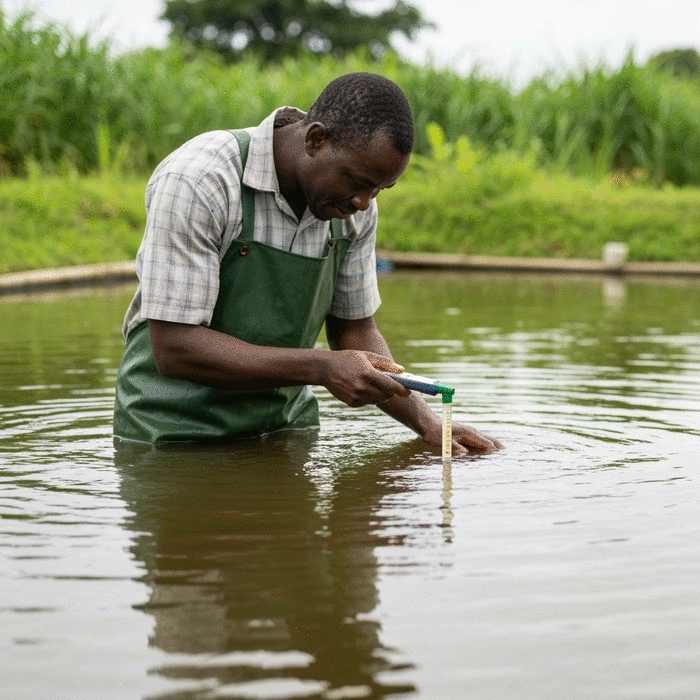
Dissolved oxygen levels tell you whether your fish can breathe properly and grow efficiently. Levels below 4ppm stress fish and reduce feeding, while levels below 2ppm can cause mass mortality. Your records should show how oxygen levels change throughout the day, during different weather patterns, and as fish biomass increases. What problem does this solve? It helps you predict when you need to increase aeration or reduce stocking density before problems become crises.
Temperature and ammonia records work together to predict fish health and growth rates. Higher temperatures increase fish metabolism but also increase ammonia toxicity. Your records should reveal the relationships between these parameters in your specific ponds, helping you make better management decisions. A farmer in Ibadan lost 300 fish worth 180,000 naira because he didn't track ammonia levels during a hot spell—the combination of high temperature and rising ammonia created lethal conditions he never saw coming.
Growth Tracking: Understanding Your Fish's Development
Growth records tell you whether your fish are developing on schedule to hit profitable market windows. You need to sample and weigh fish regularly—weekly for the first month, then bi-weekly as they grow larger. This data helps you predict harvest dates, plan market timing, and identify problems before they impact your entire crop. When you can tell buyers exactly when your fish will reach their preferred size, you command better prices and build stronger relationships.
Track average weights, size distribution, and growth rates under different conditions. Your records should show how growth responds to feeding changes, water quality variations, and seasonal factors. Fast-growing fish reach market size during premium price periods, while slow-growing fish might miss profitable windows entirely. How does this save you money? Because timing your harvest for peak demand periods can increase your revenue by 20-40% compared to selling during low-demand periods.
Document any fish showing unusual size variations or health issues during sampling. Consistent growth patterns indicate good management, while erratic patterns suggest problems with feeding, water quality, or fish health. Your growth records should help you identify which management practices produce the best results in your specific conditions, allowing you to replicate success and avoid repeating mistakes.
| Growth Metric | Tracking Frequency | Why It Matters |
|---|---|---|
| Average weight | Weekly (first month), bi-weekly after | Predicts harvest timing and market readiness |
| Size distribution | Each sampling session | Identifies sorting needs and uniform growth |
| Growth rate | Calculated from weight data | Measures management effectiveness |
| Health observations | Every sampling session | Early disease detection and prevention |
Financial Tracking: Managing Farm Expenses and Income
Your financial records reveal whether you're actually making money or just staying busy. You need to track every expense—feed, labour, utilities, equipment, maintenance—and every source of income. Most farmers think they know their costs, but detailed tracking often reveals they're underestimating expenses by 15-25%. This means they're selling fish at prices that feel profitable but actually generate losses.
Document all expenses by category and date, including small purchases that seem insignificant. Those 500 naira purchases for pond maintenance supplies add up to thousands per month, and forgetting them skews your true production costs. Your records should show both fixed costs (pond construction, equipment) and variable costs (feed, labour, utilities) so you can calculate accurate breakeven points and profit margins.
Track your cash flow patterns to avoid liquidity problems during production cycles. Fish farming involves large upfront investments with income concentrated at harvest time. Your records should show when money goes out, when it comes in, and how much working capital you need to bridge the gaps. When do you need to know this? Before you run out of money to buy feed halfway through a production cycle, forcing you to sell fish prematurely at lower prices.
Income tracking goes beyond just recording sales amounts. Document fish sizes, prices per kilogram, buyer types, and market conditions at the time of sale. This information helps you identify your most profitable market segments and time future harvests for maximum returns. Without detailed sales records, you miss opportunities to build relationships with premium buyers and optimise your marketing strategy.
The Hidden Costs of Poor Record-Keeping
You might think the worst thing about poor record-keeping is missing some data or having messy files. The reality is far more expensive. Poor records don't just create inconvenience—they create cascading failures that can destroy your farm's profitability and even shut down your operation entirely. The farmers who learn this lesson the hard way often discover it when recovery is no longer possible.
The hidden costs of inadequate record-keeping extend far beyond lost paperwork. They include regulatory fines, insurance claim rejections, tax penalties, lost market opportunities, and supply chain disruptions. These costs compound over time, creating financial pressures that force farmers to make desperate decisions—selling fish prematurely, accepting below-market prices, or abandoning farming altogether.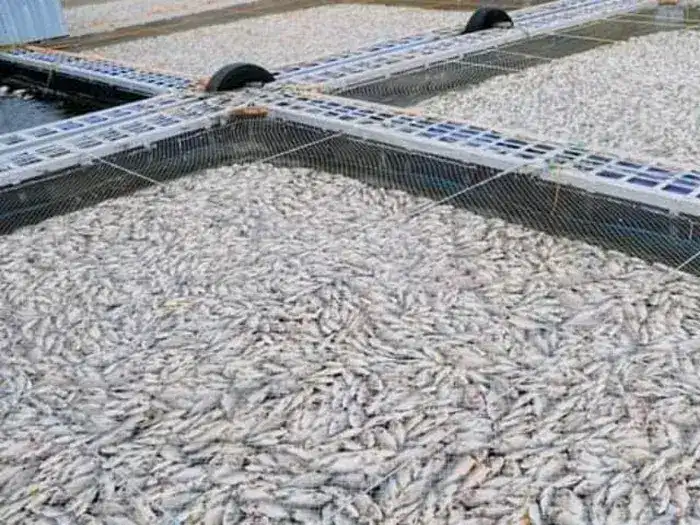
What makes these costs particularly dangerous is that they often remain invisible until they become catastrophic. You might operate for months or even years with poor records before facing a crisis that exposes every weakness in your system. By then, the accumulated damage can be impossible to reverse.
The Disaster that Struck When the Data Was Lost
Emeka ran a successful catfish operation in Anambra State for three years, producing 4,000kg per cycle and earning steady profits of 300,000-400,000 naira per harvest. His record-keeping system consisted of scattered notebooks, loose receipts, and mental notes about feeding schedules and water changes. Everything seemed fine until a fire damaged his office and destroyed most of his records just as government inspectors arrived for a routine compliance check.
Without proper documentation, Emeka couldn't prove his fish were safe for consumption, demonstrate compliance with environmental regulations, or verify his tax payments. The inspectors shut down his operation pending a full investigation. His insurance company refused to cover lost income because he couldn't document his historical production levels or prove his claimed losses. What started as a minor fire became a complete business collapse that took eighteen months and 800,000 naira in legal fees to resolve.
The most painful part wasn't the immediate losses—it was discovering how many problems had been building invisibly in his operation. Without growth records, he couldn't prove his fish met market standards. Without financial records, he couldn't demonstrate profitability to potential investors or lenders. Without water quality logs, he couldn't identify why his recent batches had been growing slower than expected. Poor record-keeping hadn't just made the crisis worse—it had been slowly undermining his business for years.
This scenario repeats across Africa with variations. A farmer in Ghana loses export certification because he can't trace feed sources. A Kenyan operation faces bankruptcy when tax authorities assess penalties based on estimated income rather than actual records. Why does this matter to your profits? Because regulatory compliance isn't optional, and without proper documentation, you're always one inspection away from shutdown.
Regulatory Headaches: The Consequences of Non-Compliance
Government agencies across Africa are tightening oversight of aquaculture operations, requiring detailed documentation of production practices, environmental impact, and food safety measures. You need records that prove your fish are safe, your operations are environmentally responsible, and your business complies with local regulations. Without these records, you're not just risking fines—you're risking your licence to operate.
Food safety regulations require traceability from fingerlings to market. You must document feed sources, medication usage, water quality maintenance, and harvest procedures. If contaminated fish are traced back to your farm, inadequate records can result in criminal liability rather than just civil penalties. The difference between a manageable fine and business-ending prosecution often comes down to whether you can prove you followed proper procedures.
Environmental compliance requires documentation of water usage, waste disposal, and impact on surrounding ecosystems. Many farmers discover too late that their informal arrangements with neighbours or casual waste management practices violate regulations they didn't know existed. When authorities investigate environmental complaints, your records determine whether you face warnings, fines, or forced closure. How does this save you money? Because prevention through proper documentation costs far less than remediation after violations.
Tax compliance becomes exponentially more expensive without proper financial records. Revenue authorities can estimate your income based on industry averages rather than actual performance, often resulting in assessments far higher than your real profits. Appeals require detailed documentation that many farmers simply don't have. A farmer in Lagos faced a tax assessment of 2.3 million naira based on estimated production levels, when his actual profits were less than 800,000 naira—but he couldn't prove it without proper records.
Regulatory Records You Cannot Afford to Skip
- Production logs: Stocking dates, sources, quantities, growth progression
- Feed documentation: Supplier records, batch numbers, usage dates
- Treatment records: Any medications, chemicals, or treatments used
- Water quality data: Regular testing results and corrective actions taken
- Financial documentation: All income, expenses, and tax-related transactions
The Ripple Effect: Unforeseen Impacts on Your Business
Poor record-keeping creates problems that spread throughout your operation like ripples in a pond. Your inability to track feed conversion accurately leads to overfeeding, which increases costs and degrades water quality. Poor water quality records mean you miss early warning signs of problems, leading to fish losses. Fish losses reduce your income, forcing you to accept lower prices from buyers who know you're desperate to sell quickly.
Supply chain disruptions become more severe when you can't document your requirements or track supplier performance. Without detailed records of feed quality and fish performance, you can't identify which suppliers provide the best value or hold them accountable for substandard products. You end up paying premium prices for average quality because you can't prove which feeds produce better results in your specific conditions.
Market relationships suffer when you can't provide buyers with the documentation they need. Premium buyers—hotels, restaurants, export companies—require detailed records proving fish quality, size consistency, and production methods. Without this documentation, you're limited to local markets that pay lower prices and ask fewer questions. What problem does this solve? It prevents you from accessing the most profitable market segments that could increase your revenue by 30-50%.
Insurance claims become nightmares without proper documentation. When disease, weather, or equipment failure causes losses, insurance companies require detailed proof of your normal operations, the extent of damage, and the financial impact. Farmers with poor records often receive settlements far below their actual losses, or have claims rejected entirely. The farmer who can document everything gets full compensation; the farmer with scattered records gets whatever the insurance company feels like paying.
Your ability to expand or improve your operation depends heavily on your historical records. Lenders want to see consistent profitability over multiple cycles before approving loans for expansion. Investors need detailed financial data to assess your operation's potential. Government grants and development programmes require comprehensive documentation of your current operations and improvement plans. When do you need to know this? Before you need capital for growth, because building credible records takes time—usually 2-3 complete production cycles minimum.
Who Thrives in Fish Farming Through Effective Record-Keeping
The farmers making consistent profits aren't necessarily the ones with the biggest ponds or the most expensive equipment. They're the ones who know exactly what's happening in their operations at any given moment. They can tell you their feed conversion ratio from last month, predict when their current stock will reach market size, and explain why their profits increased 40% compared to the previous cycle.
These successful farmers share common traits that separate them from those who struggle. They treat their records as business intelligence rather than bureaucratic requirements. They review their data regularly, spot trends before they become problems, and make decisions based on evidence rather than gut feelings. Most importantly, they understand that record-keeping isn't overhead—it's profit protection.
The difference shows up in their bank accounts. While struggling farmers wonder why their costs keep rising and their margins keep shrinking, successful farmers use their records to optimise every aspect of their operations. They know which feeding strategies work best in different seasons, when to adjust stocking densities, and how to time harvests for maximum profitability.
Case Studies of Successful Record-Keepers
Adebayo operates a 2,000kg capacity catfish farm in Oyo State that consistently generates 35-40% profit margins. His secret isn't superior farming techniques—it's meticulous documentation of every aspect of his operation. He tracks water quality parameters twice daily, documents feeding responses in detail, and maintains comprehensive financial records that show exactly where every naira goes.
His records revealed that his fish grew 20% faster when fed during specific temperature ranges, information that helped him adjust feeding schedules seasonally. When feed prices spiked 30% last year, his historical data showed him exactly how to reduce feeding rates without compromising growth, saving him 180,000 naira per cycle. Why does this matter to your profits? Because optimisation based on data generates savings that compound over multiple production cycles.
Grace runs a tilapia operation in Kenya that supplies premium restaurants in Nairobi. Her detailed growth tracking records allow her to guarantee delivery dates with 95% accuracy, commanding prices 25% above market rates from buyers who value reliability. Her water quality logs helped her identify the optimal conditions for fastest growth, reducing her production time by 15 days per cycle. When you can deliver exactly what buyers need exactly when they need it, you're no longer competing on price alone.
A cooperative of smallholder farmers in Ghana transformed their collective profitability by implementing standardised record-keeping across all member farms. Their combined data revealed which local feed suppliers provided the best value, when seasonal price fluctuations offered selling opportunities, and how different pond management techniques affected outcomes. Individual farmers who had been struggling to break even began generating consistent profits of 200,000-300,000 cedis per cycle once they could benchmark their performance against proven practices.
What Successful Farmers Track Differently
- Profitability per square metre: Not just total profits, but efficiency of space usage
- Seasonal performance patterns: How different times of year affect growth and costs
- Buyer relationship data: Which customers pay premium prices and why
- Problem prediction indicators: Early warning signs that prevent major losses
- Comparative analysis: Performance across different ponds, batches, and time periods
The Common Threads Among Successful Farmers
Successful farmers treat their records as early warning systems rather than historical documents. They don't just write things down—they actively look for patterns that predict problems or opportunities. A slight increase in morning mortality rates alerts them to investigate water quality before losing significant numbers. Declining feed conversion ratios prompt immediate analysis of feed quality, water conditions, and fish health.
They understand that consistency in record-keeping creates reliability in results. You can't identify trends from sporadic data collection, and you can't prevent problems you don't see developing. The farmers who thrive maintain their records even when busy, especially when busy, because that's when problems typically emerge. How does this save you money? Because preventing problems costs far less than fixing disasters.
These farmers also use their records to build stronger relationships with suppliers and buyers. Detailed feed conversion data gives them leverage when negotiating with feed suppliers. Growth tracking records help them commit to delivery schedules that buyers value. Financial documentation supports loan applications and insurance claims. When do you need to know this? Before you need financing, insurance payouts, or premium buyer relationships—because building credible records takes time.
Most importantly, successful farmers view record-keeping as a competitive advantage rather than a burden. While their competitors guess at optimal feeding rates, they know exactly what works in their specific conditions. While others struggle to explain cost increases, they can identify exactly where money goes and how to control it. This knowledge gap translates directly into profit gaps that widen over time.
Learning from Failures: Why Some Farms Didn't Make It
The farms that fail rarely collapse due to single catastrophic events. They typically die from accumulated small problems that proper records could have prevented or minimised. A farm in Kaduna lost three consecutive batches because the owner never documented the relationship between seasonal weather patterns and water quality problems. Each failure cost 400,000-500,000 naira, but the pattern was invisible without systematic records.
Another operation in Rivers State closed after two years because the owner consistently underestimated production costs. Without detailed expense tracking, he priced his fish based on rough estimates that seemed profitable but actually generated losses. By the time he realised the problem, he had accumulated debts exceeding 2 million naira. What problem does this solve? It prevents you from working hard while unknowingly losing money on every fish you sell.
Many failed farms struggled with cash flow management because they couldn't predict their financial needs accurately. Without historical data on expenses, income timing, and seasonal variations, they repeatedly ran short of working capital during critical periods. Some were forced to sell fish prematurely at discounted prices. Others couldn't afford feed for finishing their crops, resulting in partial losses and reduced profits.
The saddest failures involve farms that had the technical knowledge to produce healthy fish but lacked the business intelligence to operate profitably. They could manage water quality, prevent diseases, and achieve good growth rates, but they couldn't answer basic questions about their true costs, optimal market timing, or competitive positioning. Technical competence without business understanding creates farms that work hard but don't make money.
The Future of Record-Keeping: Embracing Technology
The most forward-thinking farmers across Africa are discovering that digital tools can transform their record-keeping from a time-consuming chore into a powerful business advantage. Mobile apps designed for aquaculture allow farmers to input data quickly in the field, automatically calculate key metrics, and generate reports that reveal insights invisible in handwritten logs. The technology exists today to make record-keeping easier, more accurate, and more valuable than ever before.
Digital record-keeping eliminates many problems that plague paper-based systems. You can't lose data to fire, flood, or misplaced notebooks. Calculations happen automatically, reducing errors that skew your understanding of profitability. Cloud storage means your records are accessible from anywhere, allowing you to make informed decisions even when away from the farm. Why does this matter to your profits? Because better data leads to better decisions, and better decisions compound into significantly higher profits over time.
The farmers adopting these tools aren't necessarily tech-savvy—they're business-focused. They recognise that the time saved on data entry and calculations can be invested in activities that directly generate revenue. More importantly, they understand that digital tools can reveal patterns and insights that manual analysis might miss, giving them competitive advantages in an increasingly sophisticated market.
How Digital Tools Can Revolutionise Your Record-Keeping
Digital record-keeping systems automatically calculate metrics that take hours to compute manually. Feed conversion ratios, growth rates, profitability per pond, and cost trends appear instantly as you enter basic data. A farmer in Lagos reduced his weekly record analysis time from four hours to thirty minutes while gaining access to insights he never had with paper records. The time savings alone justified the investment, but the better decision-making generated additional profits worth far more.
Mobile apps allow real-time data entry that captures information while it's fresh and accurate. Instead of trying to remember yesterday's feeding observations or last week's water quality readings, you document everything immediately. This eliminates the errors and omissions that accumulate when relying on memory and delayed data entry. How does this save you money? Because decisions based on accurate, current data prevent costly mistakes that inaccurate or outdated information causes.
Automated alerts and notifications help you stay ahead of problems before they become expensive disasters. Digital systems can warn you when water quality parameters approach dangerous levels, when feed conversion ratios start declining, or when growth rates fall below expected ranges. These early warnings give you time to investigate and correct problems before they impact your entire crop.
Cloud-based systems provide backup security that paper records can't match. Your data remains safe even if your farm experiences fire, theft, or natural disasters. Insurance companies, lenders, and regulatory authorities can access your records remotely when needed, speeding up claims processing and compliance verification. What problem does this solve? It protects years of valuable business intelligence from loss while making it more useful for building relationships with financial partners.
The Transition Story: Moving from Paper to Digital
Chinedu operated a successful catfish farm in Enugu using detailed paper records for five years. His notebooks contained valuable data, but analysing trends required hours of manual calculations, and he often discovered problems weeks after they began. When he decided to digitise his operation, he faced the challenge of converting years of paper records while learning new technology without disrupting his production schedule.
The transition took three months of parallel record-keeping—maintaining his paper system while learning the digital tools. Initially, data entry took longer as he learned the software, but within weeks he was capturing more detailed information in less time. The real breakthrough came when the system automatically flagged a declining feed conversion trend that his manual analysis had missed. Early intervention saved him an estimated 150,000 naira in wasted feed costs.
Six months after the transition, Chinedu's operation was generating 25% higher profits despite using the same production techniques. The digital system revealed seasonal patterns in his historical data that helped him optimise stocking schedules. Automated calculations showed him exactly which ponds performed best under different conditions. Real-time alerts prevented two potential disasters that could have cost him his entire crop. When do you need to know this? Before problems compound into losses, because digital systems spot trends that manual analysis misses.
The most valuable benefit wasn't the time savings or automated calculations—it was the confidence to make bigger, bolder business decisions based on solid data. Chinedu expanded his operation by 50% because his records proved his profitability patterns and helped him secure financing. His digital records provided the business intelligence that transformed him from a cautious farmer into a growth-oriented entrepreneur.
What to Look for in Record-Keeping Software
The best aquaculture software solutions focus on the metrics that actually drive profitability rather than trying to track everything possible. You need systems that make it easy to input daily observations while automatically calculating the key performance indicators that guide business decisions. Look for tools that work offline, since internet connectivity can be unreliable in rural areas, but sync data when connections are available.
User interface design matters more than advanced features for most farmers. Software that requires extensive training or complicated data entry procedures often gets abandoned after a few weeks. The most successful implementations use intuitive designs that make data entry faster and easier than paper records. Why does this matter to your profits? Because systems that don't get used consistently provide no value, regardless of their theoretical capabilities.
Integration capabilities determine how well the software fits into your broader business operations. Can it export data for tax preparation? Does it generate reports that banks accept for loan applications? Can it interface with accounting software? The most valuable systems connect your farm records to your business management needs rather than creating isolated data silos.
Cost considerations go beyond subscription fees to include training time, data migration, and ongoing support. Free software might seem attractive, but hidden costs often make it more expensive than paid solutions. Professional systems typically provide better support, more reliable performance, and features specifically designed for commercial aquaculture operations. What problem does this solve? It prevents you from investing time in systems that don't meet your actual business needs.
Your Next Steps: Making Record-Keeping Work for You
You're at a decision point that will determine whether your farm thrives or merely survives. Every day you delay implementing systematic record-keeping is another day of operating blind, missing opportunities, and accumulating risks that could destroy your investment. The farmers making consistent profits made this decision months or years ago. The question isn't whether you need better records—it's whether you're ready to invest the time and effort required to build them.
The choice between manual and digital record-keeping isn't just about technology preferences—it's about how seriously you take your business. Manual systems can work if you're disciplined and consistent, but they require more time and provide fewer insights than digital alternatives. Digital systems offer powerful advantages but require initial learning investments and ongoing subscription costs. Both approaches work when implemented properly; neither works when implemented halfheartedly.
Your current record-keeping approach, whether formal or informal, is already determining your profitability. If you can't answer basic questions about your feed conversion ratios, growth patterns, or true production costs, you're making decisions based on incomplete information. Every farmer thinks they know their operation well, but systematic records often reveal surprising gaps between perception and reality.
The Choices You Face: Manual vs. Digital Record-Keeping
Manual record-keeping requires discipline but offers complete control over your data and processes. You need well-designed forms, consistent habits, and regular analysis routines to extract value from handwritten records. The upfront costs are minimal—notebooks, pens, calculators—but the ongoing time investment is substantial. Many successful farmers built profitable operations using nothing but paper records and careful analysis.
Digital systems reduce data entry time and provide automatic calculations, but they require technology investments and learning curves. Monthly subscription fees might seem expensive until you calculate the time savings and improved decision-making they enable. A farmer spending four hours weekly on manual record analysis could save 150+ hours annually with digital tools—time that could be invested in revenue-generating activities worth far more than software costs.
The hybrid approach combines the reliability of paper backup with digital convenience and analysis power. You maintain essential records on paper for security while using digital tools for calculations and trend analysis. This approach provides redundancy against technology failures while capturing most benefits of automated systems. How does this save you money? Because you get the best of both worlds without complete dependence on either system.
Your choice should align with your operation's size, complexity, and growth plans. Small farms with simple operations might thrive with well-organised manual systems. Larger operations or those planning expansion typically benefit more from digital solutions that can scale with growth. The key is choosing a system you'll actually use consistently rather than the most theoretically advanced option.
What You Might Be Overlooking in Your Current Approach
Most farmers focus on production records while neglecting the financial documentation that determines actual profitability. You might track feeding schedules and growth rates meticulously while keeping sloppy expense records that hide your true costs. Without accurate financial data, you can't distinguish between activities that generate profits and those that just keep you busy. When do you need to know this? Before you invest more time and money in practices that don't actually improve your bottom line.
Seasonal patterns often remain invisible without systematic long-term record-keeping. Your fish might grow faster during certain months, feed conversion might improve under specific weather conditions, or market prices might follow predictable cycles. These patterns only emerge from consistent data collection over multiple production cycles. Farmers who recognise seasonal trends can time their operations for maximum profitability while others struggle with unpredictable results.
The relationship between different variables in your operation might be more complex than you realise. Water temperature affects not just fish growth but also feed conversion efficiency, disease susceptibility, and optimal feeding schedules. pH changes influence ammonia toxicity levels and fish stress responses. These interactions become visible only through comprehensive record-keeping that tracks multiple parameters simultaneously.
Your records might be capturing data without generating actionable insights. Collecting information is worthless unless you regularly analyse it for trends, patterns, and decision-making guidance. Many farmers maintain detailed logs but never review them systematically, missing opportunities to optimise their operations based on their own historical performance data.
How to Build a Culture of Record-Keeping in Your Farm
Record-keeping becomes sustainable when it's integrated into daily routines rather than treated as separate administrative tasks. The most successful farmers make data collection part of every feeding session, water quality check, and maintenance activity. They don't set aside special time for record-keeping—they capture information as they work, making it as natural as checking fish behaviour or adjusting feeding amounts.
Staff training and accountability systems ensure consistent data collection even when you're not personally present. Workers need to understand not just what to record but why accurate records matter for farm profitability and their job security. Clear procedures, simple forms, and regular review sessions help maintain data quality standards across your entire operation. Why does this matter to your profits? Because inconsistent records from untrained staff provide misleading information that leads to poor decisions.
Regular review and analysis sessions transform raw data into business intelligence that guides decision-making. Weekly or monthly meetings to discuss trends, identify problems, and plan improvements help everyone understand how records connect to farm performance. These sessions also provide opportunities to refine data collection procedures and ensure you're tracking the most relevant information.
The culture shift happens when everyone on your farm understands that good records protect their livelihoods by preventing disasters and optimising profitability. Workers who see how water quality logs prevent fish kills, or how growth tracking helps time harvests for premium prices, become invested in maintaining accurate records. What problem does this solve? It creates systematic data collection that continues even when you're not personally supervising every activity.
Summary Table
| Key Points | Details |
|---|---|
| Importance of Record-Keeping | Systematic documentation helps predict problems early, enabling timely interventions that can prevent losses of up to 450,000 naira. Knowing what to track optimises operations and profitability. |
| Essential Records to Maintain | Key areas include daily feeding records, water quality logs, growth tracking, health monitoring, and financial documentation. Missing these can lead to losses exceeding 600,000 naira. |
| Impact on Feed Costs | Tracking feeding data can reduce overfeeding by 15-20%, which on a 2,000 kg harvest could save 50,000-80,000 naira. Accurate records allow for better feed conversion ratios. |
| Water Quality Monitoring | Daily tests costing 200-300 naira can prevent devastating fish losses worth 200,000-500,000 naira by catching water quality issues early. |
| Growth Tracking Benefits | Regular weight measurements help time harvests for seasonal pricing spikes, potentially increasing revenue by 20-40% when aligned with peak market demand. |
| Consequences of Poor Record-Keeping | Failing to maintain records can lead to catastrophic losses, regulatory fines, and market opportunities lost, costing farmers millions over time. |
| Digital Record-Keeping Advantages | Digital tools streamline data entry, provide real-time alerts, and protect against data loss, making it easier to spot trends and prevent costly mistakes, ultimately saving significant amounts. |
| Building a Record-Keeping Culture | Training staff to maintain records consistently leads to better data quality, which translates into better decision-making and protects profitability in the long run. |
Who Thrives in Fish Farming Through Effective Record-Keeping
The farmers making consistent profits aren't necessarily the ones with the biggest ponds or the most expensive equipment. They're the ones who know exactly what's happening in their operations at any given moment. They can tell you their feed conversion ratio from last month, predict when their current stock will reach market size, and explain why their profits increased 40% compared to the previous cycle.
These successful farmers share common traits that separate them from those who struggle. They treat their records as business intelligence rather than bureaucratic requirements. They review their data regularly, spot trends before they become problems, and make decisions based on evidence rather than gut feelings. Most importantly, they understand that record-keeping isn't overhead—it's profit protection.
The difference shows up in their bank accounts. While struggling farmers wonder why their costs keep rising and their margins keep shrinking, successful farmers use their records to optimise every aspect of their operations. They know which feeding strategies work best in different seasons, when to adjust stocking densities, and how to time harvests for maximum profitability.
Understanding market trends in Africa becomes much easier when you have detailed records to compare against seasonal patterns. Your data helps you identify the optimal timing for harvests and sales, maximising your revenue potential.
The most valuable insight from successful farmers is that record-keeping transforms from a chore into a competitive advantage. When you can demonstrate consistent quality, predict delivery dates accurately, and prove your profitability patterns, you're no longer just another fish farmer—you're a reliable business partner that buyers and lenders want to work with.
Your journey towards profitable fish farming starts with recognising that avoiding common mistakes requires systematic documentation and analysis. The farmers who thrive have learned that success isn't about working harder—it's about working smarter with better information.
Frequently Asked Questions
What is the primary role of record-keeping in fish farming?
Record-keeping acts as your farm's early warning system, profit calculator, and business insurance. It captures the story of what's happening in your ponds, allowing you to predict and prevent problems before they become costly disasters. Profitable farmers use it to make precise, data-driven decisions rather than relying on guesswork.
Why is tracking feed records essential for my farm's profitability?
Feed typically accounts for 60-70% of your production costs. Detailed feed records help you optimise feeding rates, improve feed conversion ratios (FCR), and avoid overfeeding which wastes money. By tracking feed usage, you can identify strategies that convert expensive feed into valuable fish more efficiently, directly impacting your bottom line.
What are the hidden costs of poor record-keeping in fish farming?
The costs extend beyond misplaced notes to include regulatory fines, insurance claim rejections, tax penalties, and lost market opportunities. Without proper documentation, you risk business shutdown due to non-compliance, inability to prove losses for insurance, or missing out on premium buyers who require detailed traceability records.
Why should I consider digital tools for record-keeping instead of manual systems?
Digital tools, like mobile apps, automate calculations, reduce errors, and provide real-time insights that are difficult to obtain manually. They offer cloud backup, protecting your data from physical loss, and can generate automated alerts for potential problems. This leads to better, faster decision-making and increased efficiency.
What key areas should every profitable fish farm consistently track?
Profitable farms consistently track daily feeding records (amount, time, fish response), water quality logs (pH, dissolved oxygen, temperature, ammonia), growth tracking (regular sampling, weight measurements), and comprehensive financial documentation (all expenses, sales, cash flow). These areas provide a holistic view of your operation's health and profitability.

Yomi Adisa
Yomi Adisa is the lead researcher at Fish Farming Business, where he studies what makes aquaculture ventures profitable across Africa. His research focuses on market patterns, buyer preferences, and the business decisions that determine success or failure in fish farming.