
Hidden Costs That Can Ruin Your Fish Farm: What New Farmers Must Know

Posted on: 2025-11-04
By: Yomi Adisa
You've calculated your pond construction costs, budgeted for fingerlings and feed, and feel ready to start your fish farming venture. But here's what catches most new farmers off guard: the expenses that don't appear in any startup guide—the hidden costs that can quietly drain your profits before you even realise what's happening.
Take Samuel, a new farmer in Ogun State who budgeted ₦800,000 for his catfish operation. Six months later, he'd spent ₦1.2 million and still hadn't sold his first batch. Disease treatments, unexpected pond repairs, regulatory permits, and community relations costs had consumed an extra ₦400,000 he never saw coming.
Hidden costs aren't just surprise expenses—they're the difference between profitable farms and struggling ones. When you can identify and plan for these costs upfront, you protect your margins and avoid the cash flow crises that force many farmers to sell fish at whatever price they can get.
In this guide, you'll discover the hidden expenses that catch new farmers across Nigeria, Ghana, and Kenya by surprise. You'll learn to spot the warning signs of unexpected costs, understand why disease management requires a separate budget line, and see how environmental compliance affects your bottom line. Most importantly, you'll get practical strategies for building these costs into your financial planning from day one.
What You Will Learn
- Identify common hidden costs that can impact your fish farm's profitability.
- Understand the significance of disease management and its budget implications.
- Explore the importance of regulatory compliance and potential financial penalties.
- Learn strategies for building community relations to mitigate operational risks.
- Discover how to integrate hidden costs into your financial planning from the start.
Understanding Hidden Costs in Fish Farming
Most new farmers focus on the obvious expenses—pond construction, fingerlings, and feed—but the real profit killers are the costs you don't see coming. Hidden costs in fish farming aren't just unexpected expenses; they're systematic drains on your profitability that compound over time. Understanding these costs early determines whether you'll build a sustainable business or struggle to break even month after month.
The challenge isn't that these costs are truly "hidden"—experienced farmers know about them. The problem is that most startup guides and training programmes skip over them, leaving new farmers financially unprepared. When you budget only for visible costs, you're essentially planning to fail because you're missing 30-40% of your actual operating expenses.
Definition of Hidden Costs
Hidden costs in fish farming are expenses that don't appear in basic production budgets but directly impact your profitability. These include disease prevention measures, regulatory compliance fees, community relations expenses, emergency repairs, and the opportunity costs of your time and labour. Unlike your feed and fingerling costs, these expenses often arrive without warning and demand immediate payment.
Consider water quality management beyond basic pond preparation. You budget for pond construction, but then discover you need regular water testing, pH adjustment chemicals, and emergency aeration during hot seasons. A basic water testing kit costs ₦15,000, but monthly testing supplies add another ₦8,000 to your operating costs—expenses that weren't in your original calculations.
In Ghana, many farmers discover that community relations require ongoing investment. You might need to contribute to local development projects, provide employment opportunities, or manage complaints about water usage. These "soft costs" can easily add ₦50,000-100,000 annually to your expenses, but they're essential for maintaining your social licence to operate.
Importance of Identifying Hidden Costs
When you identify hidden costs upfront, you protect your cash flow and avoid the desperate decisions that destroy profitability. Farmers who plan for these expenses can weather unexpected challenges without selling fish prematurely or accepting below-market prices. Those who don't often find themselves trapped in cycles of emergency spending and poor financial decisions.
The difference shows up in your profit margins immediately. A farmer who budgets ₦1,000 per kilogramme for production costs but faces ₦200 in hidden costs suddenly needs ₦1,200 to break even. If market prices are ₦1,300, your profit margin drops from 30% to just 8%—barely enough to sustain operations, let alone grow your business.
Financial Impact of Hidden Costs
- Disease management: 10-15% of total production costs
- Regulatory compliance: 5-8% of startup costs
- Emergency repairs: 8-12% of equipment costs annually
- Community relations: 3-5% of gross revenue
- Quality control measures: 6-10% of operational costs
Common Misconceptions About Costs
New farmers consistently underestimate ongoing operational expenses while overestimating one-time startup costs. You might spend weeks researching pond construction prices but give little thought to monthly water quality management, seasonal disease prevention, or the labour costs of daily monitoring. This backwards approach to budgeting creates cash flow problems that persist throughout your farming operation.
Another dangerous misconception is that fish farming requires minimal ongoing investment once your ponds are established. In reality, successful fish farming demands continuous spending on feed quality upgrades, equipment maintenance, health monitoring, and market development. Farmers in Kenya often discover that their second-year costs exceed their first-year expenses as they invest in improvements and expansion.
The most costly misconception involves disease management. Many new farmers budget for fish mortality as a percentage loss but fail to account for the prevention and treatment costs that actually reduce those losses. Spending ₦30,000 on preventive health measures might seem expensive until you realise it prevents ₦200,000 in fish losses—but only if you budget for both the prevention costs and the potential losses from the beginning.
Breakdown of Startup Costs
Your startup budget determines whether you launch with adequate resources or spend your first year scrambling to cover unexpected expenses. Most new farmers underestimate startup costs by 40-60% because they focus on major items like pond construction while overlooking the dozens of smaller expenses that add up quickly. Understanding the complete startup picture helps you secure proper financing and avoid the cash flow crises that force farmers to cut corners on quality.
The key insight about startup costs is that they extend far beyond your initial investment. You need working capital for at least six months of operations, emergency funds for unexpected repairs, and buffer money for market delays. When you budget only for getting started, you're not budgeting for staying in business.
Land and Pond Construction Expenses
Land costs vary dramatically across African regions, but the hidden expenses remain consistent everywhere. In Nigeria, you might pay ₦500,000 per hectare for suitable land, but then discover you need soil testing (₦25,000), environmental impact assessments (₦150,000), and community consultation fees (₦75,000). These pre-construction costs can add 30-50% to your land budget before you break ground.
Pond construction involves more than excavation and lining. You need proper drainage systems, inlet and outlet structures, and access roads for feed delivery and fish harvesting. In Kenya, basic pond construction costs KSh 200,000 per pond, but adding proper water management infrastructure brings the total to KSh 320,000. Many farmers skip these "extras" initially, then spend even more retrofitting their ponds later.
Complete Land and Construction Budget
- Land acquisition: Base cost plus legal fees (add 15-20%)
- Soil testing and surveys: ₦25,000-50,000 per site
- Environmental permits: ₦100,000-200,000
- Community relations: ₦50,000-150,000
- Access road construction: ₦200,000-400,000
- Drainage and water management: 25-30% of pond construction costs
Juvenile Stock and Initial Feed Costs
Fingerling costs seem straightforward until you factor in transportation, acclimatisation, and initial mortality. Quality fingerlings cost ₦15-25 each in Nigeria, but you need to order 20-30% extra to account for transport stress and early losses. Your ₦150,000 fingerling budget suddenly becomes ₦195,000 when you include these realistic survival rates.
Feed costs for the first cycle extend beyond basic nutrition. You need starter feeds, grower feeds, and finisher feeds—each with different protein levels and costs. Many farmers budget based on average feed prices but discover that quality feeds cost 40-60% more than basic options. In Ghana, premium catfish feed costs GHS 180 per bag versus GHS 120 for standard feed, but the growth rates and survival improvements justify the extra expense.
The hidden cost in juvenile stock is the time value of your investment. Your fingerlings need 4-6 months to reach market size, during which you're paying for feed, labour, and utilities without generating revenue. This working capital requirement often catches new farmers unprepared, forcing them to seek emergency funding or sell fish prematurely.
Equipment and Infrastructure Costs
Essential equipment costs multiply quickly when you factor in installation, training, and backup systems. An aerator might cost ₦85,000, but you need electrical connections (₦45,000), installation labour (₦25,000), and a backup generator for power outages (₦150,000). Your ₦85,000 equipment purchase becomes a ₦305,000 infrastructure investment.
Water pumps, feeding equipment, and harvesting tools all require supporting infrastructure that doubles or triples the basic equipment costs. In Uganda, farmers typically spend USh 2,000,000 on basic equipment but need another USh 3,500,000 for proper installation, electrical work, and backup systems. These supporting costs are essential for reliable operations but rarely appear in equipment budgets.
| Equipment Type | Base Cost | Installation & Support | Total Investment |
|---|---|---|---|
| Aerator System | ₦85,000 | ₦220,000 | ₦305,000 |
| Water Pump | ₦65,000 | ₦95,000 | ₦160,000 |
| Feeding Equipment | ₦45,000 | ₦35,000 | ₦80,000 |
| Water Testing Kit | ₦15,000 | ₦8,000 | ₦23,000 |
The most overlooked equipment cost is redundancy and backup systems. When your aerator fails during hot weather, you need immediate replacement options or you'll lose your entire stock within hours. Smart farmers budget for backup equipment from the start, while others learn this expensive lesson during their first equipment failure. The cost of backup systems is always less than the cost of replacing dead fish.
Recurring Operational Costs
Your startup costs get you into business, but recurring operational costs determine whether you stay profitable month after month. These ongoing expenses compound quickly and often exceed your initial investment within the first two years of operation. The farmers who succeed long-term are those who understand that fish farming is an operational business, not just a production activity—every month brings feed bills, labour costs, and maintenance expenses that must be covered regardless of your sales performance.
The challenge with operational costs is their relentless nature. Unlike startup expenses that you pay once, operational costs demand payment every month whether your fish are ready for market or not. When you underestimate these recurring expenses, you create cash flow gaps that force desperate decisions like selling fish early or accepting below-market prices just to cover immediate costs.
Feed and Nutrition Expenses
Feed represents 60-70% of your total production costs, but the real expense goes beyond the price per bag. Quality feed costs more upfront but delivers better growth rates, lower mortality, and higher market prices for your fish. In Nigeria, premium catfish feed costs ₦8,500 per 15kg bag versus ₦6,200 for standard feed, but the premium feed typically produces 20-30% faster growth and 15% better survival rates.
Your feed costs multiply when you factor in storage, handling, and waste management. Proper feed storage requires dry, ventilated facilities that cost ₦200,000-300,000 to construct. Poor storage leads to spoilage, pest infestation, and nutritional degradation that can increase your effective feed costs by 25-40%. Many farmers in Ghana lose ₦50,000-80,000 monthly to preventable feed spoilage because they skimp on storage infrastructure.
Monthly Feed Cost Breakdown (1000 Fish)
- Starter feed (0-6 weeks): ₦45,000-55,000
- Grower feed (6-12 weeks): ₦85,000-105,000
- Finisher feed (12-20 weeks): ₦120,000-150,000
- Storage and handling costs: ₦15,000-25,000
- Waste and spoilage allowance: ₦12,000-20,000
The hidden cost in feed management is the labour time required for proper feeding schedules. Optimal feeding requires 3-4 sessions daily, with careful monitoring of consumption rates and adjustment based on water temperature and fish behaviour. This intensive feeding schedule demands either dedicated labour or significant time investment from the owner—costs that rarely appear in production budgets but directly impact profitability.
Labour Costs and Management
Labour costs extend far beyond basic wages to include training, supervision, and the productivity losses from inexperienced workers. A farm worker in Kenya earns KSh 15,000-25,000 monthly, but you need to add training costs (KSh 10,000), supervision time, and the inevitable mistakes that cost money during the learning period. New workers typically require 3-6 months to become fully productive, during which their effective cost is 40-60% higher than their wages.
The decision between hiring workers and managing the farm yourself involves hidden opportunity costs that many farmers ignore. Self-management saves wages but limits your ability to pursue other income opportunities or expand your operation. In Uganda, successful farmers often discover that hiring reliable workers allows them to manage multiple ponds or develop marketing relationships that generate more income than the labour costs.
Seasonal labour fluctuations create additional cost pressures that catch new farmers unprepared. Harvesting periods require 2-3 times normal labour for 1-2 weeks, but you can't maintain that workforce year-round. Contract labour during harvest costs 50-80% more than regular wages, but the alternative is extended harvest periods that increase mortality and reduce fish quality.
Maintenance and Utility Costs
Equipment maintenance costs accumulate gradually but can devastate your budget when ignored. Aerators require monthly servicing (₦8,000-12,000), water pumps need quarterly maintenance (₦15,000-25,000), and pond linings develop small leaks that become expensive repairs if not addressed promptly. In Nigeria, farmers typically spend 8-12% of their equipment value annually on maintenance, but this percentage doubles when maintenance is deferred.
Utility costs vary dramatically by season and production intensity. Electricity for aeration and pumping averages ₦25,000-40,000 monthly for a medium-scale operation, but hot season costs can reach ₦60,000-80,000 when extended aeration becomes necessary for fish survival. Many farmers in Ghana install solar systems to reduce utility costs, but the initial investment of $3,000-5,000 requires careful financial planning.
| Maintenance Category | Monthly Cost | Annual Impact |
|---|---|---|
| Equipment servicing | ₦15,000-25,000 | ₦180,000-300,000 |
| Pond repairs | ₦8,000-15,000 | ₦96,000-180,000 |
| Utility costs | ₦25,000-60,000 | ₦300,000-720,000 |
| Emergency repairs | ₦5,000-20,000 | ₦60,000-240,000 |
The most expensive maintenance cost is emergency repairs during critical periods. When your aerator fails during hot weather or your water pump breaks during a disease outbreak, you need immediate repairs regardless of cost. Emergency service calls cost 2-3 times normal rates, and equipment failures during critical periods can result in total fish losses worth hundreds of thousands of naira. Smart farmers maintain emergency repair funds equal to 15-20% of their equipment value specifically for these situations.
Hidden Costs of Disease Management
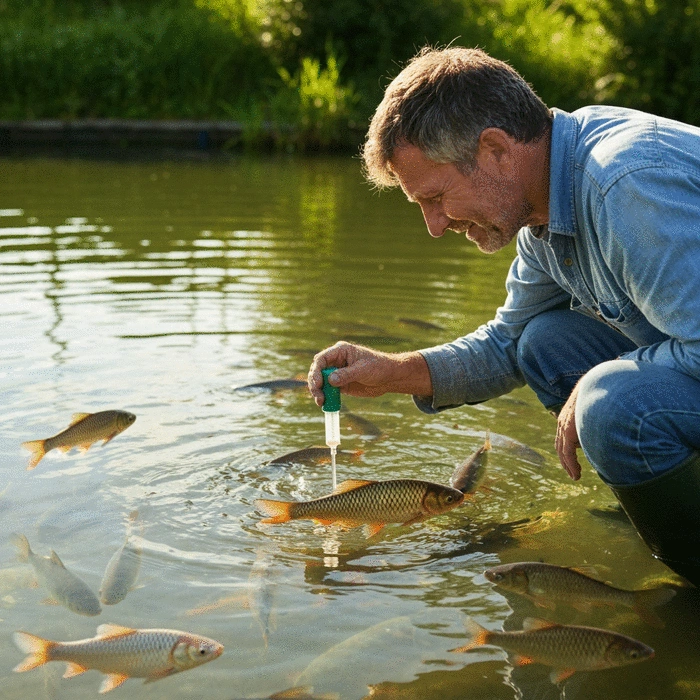
Disease management represents one of the largest hidden cost categories in fish farming, often consuming 15-25% of total production costs when properly implemented. Most new farmers budget for fish mortality as a percentage loss but completely overlook the prevention, treatment, and management costs that actually reduce those losses. The result is either inadequate disease prevention that leads to catastrophic losses, or unexpected treatment costs that destroy profit margins.
The fundamental challenge with disease costs is their unpredictable timing and exponential nature. A minor bacterial infection might cost ₦30,000 to treat early, but the same infection can cause ₦300,000 in losses if it spreads through your entire stock. Understanding disease management as an investment rather than an expense changes how you approach these costs and dramatically improves your long-term profitability.
Preventative Measures and Their Costs
Effective disease prevention requires systematic investment in water quality management, biosecurity protocols, and regular health monitoring. Water testing alone costs ₦8,000-12,000 monthly for basic parameters, but comprehensive testing including bacterial counts and pathogen screening can reach ₦25,000-35,000 monthly. Many farmers in Nigeria view this as excessive spending until they experience their first major disease outbreak.
Biosecurity measures involve ongoing costs that many farmers underestimate. Disinfection protocols require lime, potassium permanganate, and other chemicals costing ₦15,000-25,000 monthly. Quarantine facilities for new stock additions need separate pumps, aeration, and monitoring equipment worth ₦150,000-250,000. Visitor control and equipment sterilisation procedures add labour time and material costs that accumulate to ₦10,000-20,000 monthly.
Vaccination and prophylactic treatments represent another significant cost category. In Kenya, bacterial vaccines cost KSh 8-15 per fish, making vaccination of 1,000 fish a KSh 8,000-15,000 expense. Probiotic supplements and immune boosters add another KSh 20,000-30,000 monthly to feed costs. These preventive measures seem expensive until you calculate that preventing a single disease outbreak saves 10-20 times their cost.
Impact of Disease Outbreaks on Profitability
Disease outbreaks create cascading costs that extend far beyond immediate fish losses. Treatment costs for bacterial infections range from ₦50,000-150,000 depending on the severity and duration of treatment. Viral outbreaks often require complete pond depopulation and disinfection, resulting in total loss of current stock plus 2-3 months of lost production time worth ₦400,000-600,000 in foregone revenue.
The indirect costs of disease outbreaks often exceed direct losses. Extended treatment periods increase feed costs while reducing growth rates, effectively doubling your feed conversion ratios. Labour costs increase as workers spend more time monitoring sick fish and implementing treatment protocols. Market timing suffers as you delay harvests waiting for fish to recover, often missing premium price periods and accepting lower market prices.
A farmer in Ghana experienced a fungal outbreak that killed 30% of his stock—a direct loss of ₵45,000. However, the remaining fish required six weeks of treatment costing ₵25,000, grew 40% slower due to stress, and missed the Christmas premium market. His total economic loss reached ₵120,000, nearly three times the immediate mortality cost. This multiplier effect explains why disease prevention investments always provide positive returns.
Long-term Health Management Strategies
Sustainable health management requires building disease resistance through genetics, nutrition, and environmental management rather than relying solely on treatments. Premium breeding stock with disease resistance costs 40-60% more than standard fingerlings but typically shows 20-30% lower mortality rates and reduced treatment costs throughout the production cycle. The higher initial investment pays for itself through reduced health management costs and improved survival rates.
Nutritional health management involves feeding programmes designed to boost immune function and stress resistance. Immune-enhancing feeds cost ₦1,000-2,000 more per bag but typically reduce disease incidence by 30-50%. Vitamin and mineral supplements add ₦8,000-15,000 monthly to feed costs but significantly improve fish resilience to environmental stresses and pathogen challenges.
Annual Health Management Budget (1000 Fish)
- Water quality testing: ₦120,000-180,000
- Biosecurity materials: ₦180,000-300,000
- Preventive treatments: ₦100,000-200,000
- Emergency treatment fund: ₦150,000-250,000
- Nutritional supplements: ₦96,000-180,000
- Equipment and infrastructure: ₦200,000-350,000
The most effective long-term strategy involves creating redundant health management systems that prevent single points of failure. Multiple aeration systems ensure oxygen levels during equipment failures. Backup power systems maintain critical equipment during outages. Emergency treatment supplies provide immediate response capabilities. These redundant systems cost 20-30% more initially but reduce catastrophic loss risks that can destroy entire production cycles.
Environmental and Regulatory Costs

Environmental and regulatory compliance costs represent some of the most overlooked expenses in fish farming, often adding 10-20% to total operational costs. These expenses aren't optional—they're essential for maintaining your legal right to operate and avoiding costly shutdowns or penalties. Many new farmers discover these costs only when regulatory authorities arrive for inspections or when community complaints force expensive remediation measures.
The complexity of environmental compliance varies by location and scale, but the costs are universal. You need permits, monitoring systems, waste management protocols, and community relations programmes regardless of your farm size. Ignoring these requirements doesn't eliminate the costs—it simply delays them until they become emergency expenses that cost 3-5 times more to address reactively.
Ecosystem Impact Costs
Water management represents the largest environmental cost category, requiring treatment systems for effluent discharge and monitoring programmes for water quality impacts. Settling ponds for waste treatment cost ₦200,000-400,000 to construct and require ongoing maintenance of ₦15,000-25,000 monthly. Water quality monitoring for environmental compliance costs ₦20,000-35,000 monthly, separate from your production monitoring needs.
Waste management extends beyond water treatment to include solid waste disposal and nutrient management. Dead fish disposal requires proper composting facilities or contracted removal services costing ₦8,000-15,000 monthly. Excess feed and organic waste need managed disposal to prevent environmental contamination, adding ₦10,000-20,000 monthly to operational costs. In Kenya, farmers near sensitive ecosystems face additional requirements for nutrient runoff control that can cost KSh 50,000-100,000 annually.
Habitat restoration and biodiversity protection requirements vary by location but consistently add costs that new farmers don't anticipate. Riparian buffer zones reduce usable land area and require native vegetation establishment costing ₦100,000-200,000 initially plus ongoing maintenance. Wildlife protection measures might require fish escape barriers or predator deterrent systems adding ₦50,000-150,000 to infrastructure costs.
Regulatory Compliance Costs
Permit acquisition involves multiple agencies and fee structures that compound quickly. Environmental impact assessments cost ₦150,000-300,000 depending on farm size and location sensitivity. Water use permits require annual fees of ₦25,000-75,000 plus monitoring and reporting costs. Business registration and aquaculture licences add another ₦50,000-100,000 in initial costs plus annual renewal fees.
Ongoing compliance monitoring requires regular reporting, inspections, and documentation that create hidden labour costs. Monthly water quality reports require 8-12 hours of staff time plus laboratory fees of ₦15,000-25,000. Annual compliance audits cost ₦75,000-150,000 including consultant fees and any required remediation measures. Record-keeping and documentation systems require dedicated staff time worth ₦20,000-40,000 monthly.
| Compliance Category | Initial Cost | Annual Cost |
|---|---|---|
| Environmental permits | ₦200,000-400,000 | ₦100,000-200,000 |
| Water use licences | ₦75,000-150,000 | ₦50,000-100,000 |
| Monitoring and reporting | ₦50,000-100,000 | ₦240,000-400,000 |
| Compliance audits | ₦100,000-200,000 | ₦150,000-300,000 |
Non-compliance penalties create the highest regulatory costs, often exceeding total annual compliance expenses in a single violation. Environmental violations in Nigeria can result in fines of ₦500,000-2,000,000 plus mandatory remediation costs. Operating without proper permits risks shutdown orders that cost weeks of lost production plus emergency permit acquisition at premium rates. The cost of compliance is always less than the cost of non-compliance.
Community Relations and Social Responsibility
Community relations require ongoing investment in local development projects, employment opportunities, and conflict resolution mechanisms. Successful farmers typically contribute 2-5% of gross revenue to community development projects, ranging from ₦100,000-500,000 annually depending on farm size and community expectations. These contributions aren't legally required but are essential for maintaining social licence to operate.
Employment obligations extend beyond direct hiring to include training programmes, local procurement preferences, and skills development initiatives. Training local workers costs ₦50,000-100,000 per person but creates community goodwill and reduces labour turnover. Local procurement requirements might increase supply costs by 10-20% but prevent community conflicts that can shut down operations.
Water use conflicts represent the most expensive community relations challenge, often requiring mediation, compensation payments, or infrastructure sharing agreements. A farmer in Uganda spent $8,000 installing a community water point to resolve conflicts over borehole usage—expensive but far less costly than the production losses from community protests. Proactive community engagement costs 3-5% of revenue but prevents conflicts that can cost 20-30% of annual production.
Strategies for Managing Hidden Costs

Managing hidden costs requires systematic planning, continuous monitoring, and proactive adjustment strategies that treat these expenses as integral parts of your business model rather than unexpected surprises. The farmers who build sustainable, profitable operations are those who identify, budget for, and actively manage hidden costs from day one. This approach transforms potential profit killers into manageable business expenses that you can control and optimise over time.
The key insight about hidden cost management is that prevention and preparation cost far less than reactive responses. When you budget for disease management, regulatory compliance, and community relations upfront, you avoid the emergency premium pricing that makes these costs truly destructive. Smart cost management isn't about eliminating hidden costs—it's about controlling when and how you pay them.
Budgeting and Financial Planning
Comprehensive budgeting requires adding 40-60% to your basic production costs to account for hidden expenses across all categories. Your feed budget needs disease management additions, your labour budget requires training and turnover costs, and your equipment budget must include maintenance and replacement reserves. In Nigeria, successful farmers typically budget ₦1,400-1,600 per kilogramme of production when basic calculations suggest ₦1,000 per kilogramme is sufficient.
Cash flow management becomes critical when hidden costs cluster during specific periods. Disease outbreaks often coincide with hot weather when utility costs peak. Regulatory inspections frequently occur during harvest periods when labour costs are highest. Building cash reserves equal to 3-4 months of operating expenses provides the flexibility to handle these cost clusters without compromising production quality or market timing.
Hidden Cost Budget Framework
- Disease management: 15% of total production costs
- Regulatory compliance: 8% of gross revenue
- Community relations: 3% of gross revenue
- Emergency repairs: 10% of equipment value annually
- Environmental management: 5% of operational costs
- Cash flow buffer: 25% of monthly operating expenses
Financial planning tools help track and predict hidden costs before they become cash flow crises. Monthly cost tracking reveals patterns in maintenance expenses, seasonal variations in utility costs, and the true frequency of emergency repairs. Farmers in Ghana who maintain detailed cost records typically identify 20-30% more hidden costs than those who rely on basic bookkeeping, but they also develop more accurate budgets and better cost control strategies.
Cost-Saving Innovations
Technology investments often reduce hidden costs more effectively than they reduce visible expenses. Solar power systems cost $4,000-6,000 initially but eliminate utility cost volatility and reduce monthly operating expenses by ₦30,000-50,000. Automated feeding systems cost ₦200,000-400,000 but reduce labour costs and improve feed efficiency enough to pay for themselves within 18-24 months.
Cooperative arrangements with other farmers can dramatically reduce individual hidden costs through shared resources and bulk purchasing. Equipment sharing reduces individual maintenance costs while providing backup systems during emergencies. Group purchasing of feed, chemicals, and supplies typically reduces costs by 15-25% while improving quality through better supplier relationships. In Kenya, farmer cooperatives often achieve 30-40% cost reductions on regulatory compliance through shared consultant services and group permit applications.
Preventive maintenance programmes represent the highest-return cost management strategy, typically reducing total equipment costs by 40-60% compared to reactive maintenance approaches. Scheduled servicing costs ₦15,000-25,000 monthly but prevents emergency repairs that cost ₦100,000-200,000 per incident. Predictive maintenance using monitoring systems adds ₦50,000-100,000 in initial investment but can reduce total maintenance costs by 50% or more.
Continuous Monitoring and Adjustment
Cost monitoring systems need to track both direct expenses and the leading indicators that predict hidden costs. Water quality trends predict disease management costs 2-4 weeks in advance. Equipment performance metrics indicate maintenance needs before failures occur. Community sentiment monitoring prevents relationship costs from escalating to crisis levels. These early warning systems allow proactive cost management rather than reactive crisis spending.
Monthly cost reviews should compare actual expenses against budgets across all hidden cost categories, but more importantly, they should identify the operational factors that drive cost variations. Understanding why disease costs spiked in March helps prevent similar spikes in future years. Analysing which maintenance activities provide the best cost prevention helps optimise maintenance budgets for maximum effectiveness.
Visual Guide: Hidden Cost Management System
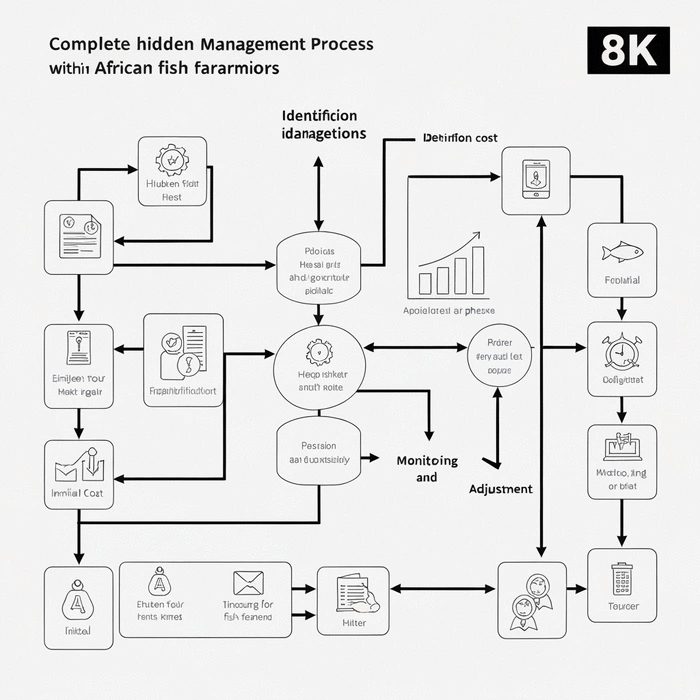
Note: This section will include a professionally designed flowchart showing the systematic approach to managing hidden costs. Below we explain each component:
Key Management Components:
1. Cost Identification Phase
What it involves: Systematic review of all operational areas to identify potential hidden costs before they impact cash flow.
Why it matters to you: Early identification allows budgeting and prevents cash flow crises that force poor business decisions.
What to watch for: Seasonal patterns, equipment age indicators, regulatory changes, and community relationship status.
2. Budget Integration Phase
What it involves: Adding identified hidden costs to operational budgets with appropriate contingency reserves.
Why it matters to you: Proper budgeting ensures adequate cash flow and prevents emergency borrowing at high interest rates.
What to watch for: Underestimating cost clustering periods and failing to account for inflation in multi-year projections.
3. Monitoring and Early Warning Phase
What it involves: Regular tracking of cost drivers and leading indicators that predict hidden cost spikes.
Why it matters to you: Early warning allows proactive management that costs 50-70% less than reactive responses.
What to watch for: Water quality trends, equipment performance metrics, regulatory announcement schedules, and community sentiment indicators.
4. Adjustment and Optimisation Phase
What it involves: Regular review and adjustment of cost management strategies based on actual performance data.
Why it matters to you: Continuous improvement reduces hidden costs over time while improving operational efficiency.
What to watch for: Cost management strategies that aren't delivering expected returns and new cost categories that emerge as operations mature.
Quarterly strategy adjustments allow you to adapt cost management approaches based on seasonal patterns, market conditions, and operational experience. Successful farmers in Uganda typically adjust their hidden cost budgets quarterly, increasing disease management reserves before hot seasons and boosting maintenance budgets before equipment-intensive periods. This dynamic approach to cost management maintains profitability even when individual cost categories exceed original projections.
The most effective monitoring approach involves tracking cost ratios rather than absolute amounts, allowing you to identify when hidden costs are growing faster than production or revenue. When disease management costs exceed 20% of production costs, you need systematic prevention improvements. When regulatory costs exceed 10% of revenue, you need compliance efficiency improvements. These ratio-based triggers provide clear action points for cost management interventions.
| Key Points | Details |
|---|---|
| Understanding Hidden Costs | Hidden costs can consume 30-40% of your operating expenses, negatively impacting profitability. Identifying these costs early helps maintain cash flow and avoid financial crises. |
| Disease Management Costs | Disease management can account for 15-25% of total production costs. Investing ₦30,000 in preventive measures can prevent losses of up to ₦300,000 from disease outbreaks. |
| Regulatory Compliance Costs | Compliance can add 10-20% to operational costs. Failing to comply can lead to fines of ₦500,000-2,000,000, making proactive budgeting essential. |
| Community Relations | Investing 2-5% of gross revenue (₦100,000-500,000) in community relations can prevent conflicts that may disrupt operations and lead to greater financial losses. |
| Recurring Operational Costs | Ongoing expenses like feed (60-70% of production costs) and maintenance must be budgeted accurately. Mismanagement can force early selling at low prices. |
| Budgeting for Hidden Costs | Add 40-60% to your initial budget for hidden costs. Proper planning ensures that you don't face unexpected financial burdens that jeopardise your operation. |
Conclusion
Hidden costs aren't truly hidden—they're simply overlooked by farmers who focus only on obvious expenses like feed and fingerlings. When you budget for disease management, regulatory compliance, community relations, and emergency repairs from day one, you protect your cash flow and avoid the desperate decisions that destroy profitability.
The difference between profitable farms and struggling ones isn't production knowledge—it's financial preparation. Farmers who plan for hidden costs can weather unexpected challenges without selling fish prematurely or accepting below-market prices. Those who don't often find themselves trapped in cycles of emergency spending and poor financial decisions.
Your next step is creating a comprehensive budget that includes 40-60% additional costs beyond your basic production calculations. Add disease management reserves, regulatory compliance funds, and community relations budgets to your financial planning. Build cash reserves equal to 3-4 months of operating expenses to handle cost clusters during critical periods.
Start tracking your actual expenses across all categories immediately, even if you're still in the planning phase. Understanding these cost patterns before you invest helps you secure proper financing and avoid the cash flow crises that force many new farmers out of business within their first two years. Remember, avoiding common financial mistakes is just as important as understanding hidden costs for long-term success.
Frequently Asked Questions
What are "hidden costs" in fish farming, and why are they important?
Hidden costs are expenses not typically included in basic production budgets but significantly impact your profitability, such as disease prevention, regulatory fees, emergency repairs, and community relations. Identifying them upfront is crucial because they can account for 30-40% of actual operating expenses, protecting your cash flow and preventing desperate financial decisions.
Why do new fish farmers often miss these hidden costs in their initial budgeting?
New farmers frequently focus on obvious expenses like pond construction, fingerlings, and feed, while many startup guides and training programmes overlook the less apparent costs. This omission leaves them financially unprepared, leading to significant cash flow problems and difficulty breaking even.
What are some common hidden costs related to land, pond construction, and initial stock?
Beyond land acquisition and basic pond excavation, hidden costs include soil testing, environmental impact assessments, community consultation fees, proper drainage systems, access roads, and legal fees. For juvenile stock, you should budget for transportation, acclimatisation, initial mortality (ordering 20-30% extra fingerlings), and the working capital needed for the first 4-6 months before revenue.
How do disease management and environmental compliance contribute to hidden costs?
Disease management involves ongoing investments in water quality testing, biosecurity protocols, vaccinations, and an emergency treatment fund. Environmental compliance includes permit acquisition (EIAs, water use licences), waste treatment systems, habitat protection measures, and regular monitoring, all of which incur significant initial and recurring expenses.
What is the recommended strategy for budgeting for these hidden costs?
You should add 40-60% to your basic production cost calculations to cover hidden expenses across all categories. This includes setting aside funds for disease management, regulatory compliance, community relations, and emergency repairs. Additionally, maintain cash reserves equivalent to 3-4 months of operating expenses to manage unexpected cost clusters.

Yomi Adisa Lead Researcher
Yomi Adisa is the lead researcher at Fish Farming Business, where he studies what makes aquaculture ventures profitable across Africa. His research focuses on market patterns, buyer preferences, and the business decisions that determine success or failure in fish farming.