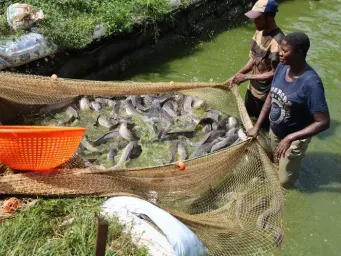

Preventing Disease Outbreaks: Key Health Mistakes in Fish Farms

Posted on: 2025-10-18
By: Kwame Adom
In the rapidly growing aquaculture sector across Africa, disease outbreaks can spell disaster for fish farmers. Have you ever considered how a single misstep in health management could jeopardise your entire operation? More than just a threat to fish, these outbreaks carry hidden financial costs, impacting not only your livelihood but also the local community.
Many farmers hold misconceptions about fish health, often overlooking crucial biosecurity measures and water quality management. By failing to recognise these risks, you may be setting yourself up for significant losses. In this blog post, we’ll explore common health management errors made on African fish farms, providing you with insights and stories that could help safeguard your business. Understanding these pitfalls is essential for ensuring your farm not only survives but thrives.
What You Will Learn
- The financial implications of disease outbreaks in fish farming.
- Common myths surrounding fish health and their impact on management.
- Essential biosecurity measures to protect your fish stock.
- The importance of water quality management for healthy fish.
- Effective disease monitoring strategies to detect outbreaks early.
- The significance of staff training in promoting best practices.
Why Most Farmers Misunderstand Health Management
You want to understand why so many farmers struggle with health management on their fish farms. Ignoring disease outbreaks can wipe out your stock and drain your finances, so knowing the common errors can save you from making the same costly mistakes. It is crucial to develop a robust fish farming business plan that accounts for these risks.
The Real Cost of Disease Outbreaks
Consider a farmer in Nigeria who lost nearly 1,000 catfish to a sudden outbreak. Each fish was worth 1,000 naira, which translates to a staggering loss of 1,000,000 naira in a matter of days. Such outbreaks don't just affect your stock; they can also devastate your cash flow and future plans, making recovery incredibly difficult.
Statistics reveal that over 60% of fish farmers experience serious disease outbreaks every year. Many of these can be avoided with proper health management. However, most farmers don't take the necessary precautions, often leading to dire financial consequences that threaten their entire operation.
The Myths Surrounding Fish Health
You might believe that disease only strikes when fish are stressed or poorly fed. This is a common myth. In reality, diseases can thrive in seemingly healthy environments, and many outbreaks occur despite best practices being followed. This misunderstanding can lead to complacency, causing you to overlook critical health measures.
Another myth is that all fish farmers have equal access to veterinary support. In regions like Ghana, many small-scale farmers lack this support, leaving them vulnerable. You need to recognise these myths to make informed decisions about health management and to assess the true risks to your farm.
Key Points to Consider
- Identify the real costs of disease outbreaks on your farm.
- Challenge common myths that may hinder your health management strategies.
- Understand the resources available to you, including veterinary support.
You need to confront these misunderstandings head-on. Otherwise, you risk serious losses and a farm that struggles to survive. The first step in building a resilient fish farming operation is to acknowledge the reality of health management and its complexities.
| Key Points | Details |
|---|---|
| Misunderstanding Health Management | Farmers often overlook critical biosecurity measures, leading to costly outbreaks. |
| The Real Costs of Outbreaks | Disease outbreaks can lead to significant financial losses and impact local economies. |
| Importance of Biosecurity | Implementing biosecurity measures can protect fish and improve farm productivity. |
| Water Quality Management | Regular testing of water quality is essential to prevent disease outbreaks. |
| Disease Monitoring | Early detection of disease through monitoring can prevent large-scale losses. |
| Staff Training | Proper training for staff can reduce mistakes that compromise fish health. |
| Community Engagement | Collaborative efforts among farmers can enhance disease prevention and management. |
The Trouble with Water Quality Management
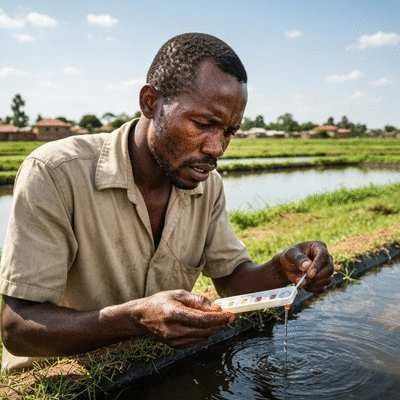
You need to grasp how critical water quality is for the health of your fish. It's not just about filling your ponds with water; it’s about ensuring that water quality meets the specific needs of your fish species. Many farmers only realise there’s a problem when it’s too late, leading to significant losses that could have been avoided.
When Your Fish Are Trying to Tell You Something
A farmer in Ghana discovered the importance of water quality the hard way. After noticing unusual behaviour in his tilapia—such as erratic swimming and poor feeding—he finally tested his water. High levels of ammonia were present, a condition that had already caused the death of several fish. This late realisation resulted in the loss of fish worth thousands of cedis, a setback that could have been avoided with proactive measures like those discussed in setting up a fish farm correctly.
Look out for these signs that indicate something is amiss in your water:
- Unusual fish behaviour, such as gasping at the surface.
- Cloudy or discoloured water.
- Unpleasant odours emanating from the pond.
- Increased mortality rates.
Why You’re Underestimating the Role of Water
Case studies consistently show that poor water quality is a direct contributor to disease outbreaks. A farm in Nigeria reported a 50% increase in fish health after they implemented regular water testing and adjustment protocols. Experts emphasise that managing water quality is not just a task, but a necessity for a thriving fish farming operation.
Key Water Quality Practices
- Conduct regular water quality tests for pH, ammonia, and dissolved oxygen.
- Implement water exchange and filtration systems.
- Monitor and adjust feeding practices to reduce waste.
- Maintain proper stocking densities to prevent overloading your system.
- Educate yourself and staff on water management best practices.
By prioritising water quality, you can prevent many issues before they escalate. Don’t wait for the signs to appear; take proactive steps to safeguard your fish and your investment.
The Pitfalls of Disease Monitoring and Surveillance
You must recognise the vital role of disease monitoring in your fish farming. Ignoring subtle signs can lead to catastrophic outbreaks that could have been prevented. Many farmers overlook this critical aspect, resulting in losses that could be avoided with a more vigilant approach.
What You Didn’t Know About Disease Signs
A farmer in Kenya experienced an outbreak because he failed to notice early warning signs. Fish were lethargic and not feeding, but he attributed it to seasonal changes. Within weeks, a significant portion of his stock was lost to a disease that could have been addressed had he acted sooner. This story is a stark reminder of the importance of keen observation.
Stay alert for these subtle indicators of disease:
- Changes in feeding behaviour.
- Unusual swimming patterns or isolation from the group.
- Physical signs like lesions or discolouration.
Why Your Surveillance System Might Be Costing You
Some farmers rely solely on visual inspections, which can be insufficient. Investing in a proper disease surveillance system can lead to early detection and intervention. For instance, a farm in Ogun State implemented a monitoring programme and saw a 40% reduction in disease incidents, saving them significant costs in lost stock.
Effective Disease Monitoring Strategies
- Establish regular health checks for your fish.
- Train staff to recognise early signs of disease.
- Keep detailed records of fish health and any changes.
- Implement protocols for immediate action upon detecting symptoms.
By enhancing your disease monitoring practices, you protect your fish and ensure the sustainability of your farm. Don’t underestimate the power of vigilance, as it is a cornerstone of successful aquaculture.
How Lack of Staff Training Can Sink Your Business
You cannot afford to overlook the importance of staff training in your fish farming operation. A poorly trained team can lead to mistakes that compromise fish health and your livelihood. Investing in training is crucial for the long-term success of your farm, ensuring everyone understands their role.
The Day a Simple Mistake Led to Disaster
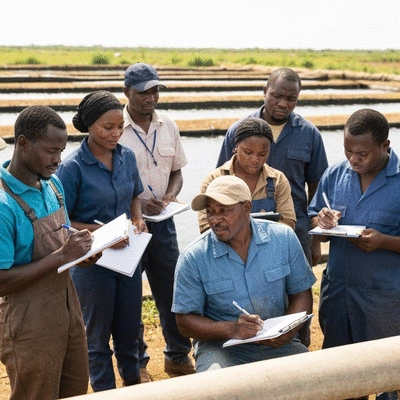
A fish farmer in South Africa faced a crisis due to miscommunication among staff. A new employee misunderstood feeding protocols, leading to overfeeding and subsequent water quality issues. The result was a severe disease outbreak that devastated the farm. This incident could have been prevented with proper training.
You want to ensure that all staff members are well-informed about their responsibilities and best practices. Consider implementing regular training sessions to keep everyone updated on procedures and protocols, fostering a culture of continuous learning.
What Successful Farms Are Doing Differently
Farms that prioritise staff education often see better outcomes. For example, a farm in Ghana invested in training their workers on biosecurity and health management. As a result, they significantly reduced disease occurrences and improved overall productivity, demonstrating the tangible benefits of a well-trained team.
Key Training Practices
- Conduct regular training sessions on best practices.
- Encourage open communication among staff regarding fish health.
- Implement a buddy system for new employees to learn from experienced staff.
- Provide resources for continued education on aquaculture management.
Investing in staff training can transform your farm’s operations. Knowledge shared is knowledge gained—ensure your team is equipped to handle the challenges of fish farming effectively and efficiently.
When Economic Impact Becomes Unbearable
You need to understand how disease outbreaks can economically cripple not just your farm but also the surrounding community. The ripple effect of a disease outbreak extends far beyond your operation, affecting local markets and livelihoods. You must realise the broader implications of neglecting health management.
The Ripple Effect of Disease Outbreaks
A small-scale farmer in Nigeria faced economic ruin after a disease outbreak led to the loss of his entire stock. Unable to provide for his family, he also affected local traders who relied on his produce. This illustrates how your decisions impact others in your community, creating a chain reaction of economic hardship.
Consider the wider economic consequences of disease outbreaks:
- Job losses in aquaculture-related businesses.
- Increased prices for fish due to lower supply.
- Long-term distrust among consumers regarding fish quality.
Community-Led Initiatives That Make a Difference
Some communities have banded together to combat disease outbreaks. For instance, a group of farmers in Ghana formed a cooperative to share resources and knowledge on disease prevention. Their collaborative efforts led to improved health management practices and a reduction in outbreaks, showing the power of collective action.
Ways to Engage Your Community
- Share best practices and resources with neighbouring farmers.
- Organise community workshops on disease prevention and management.
- Establish support networks for farmers facing challenges.
By working together, you can strengthen the resilience of your farming community. Remember, a healthy farm contributes to a healthy community, fostering stability and growth for everyone involved.
Learning from Others: Case Studies of Resilience
You can draw valuable insights from successful fish farms across the continent. Understanding what works for others can help you navigate your own challenges more effectively. It’s crucial to learn from those who have faced similar situations and emerged stronger, adapting their strategies to your own context.
Success Stories from Across the Continent
A farm in Uganda had been struggling with disease control until they adopted a proactive health management approach. They implemented regular health checks and improved biosecurity measures, resulting in a 60% reduction in disease outbreaks. This transformation not only saved their operation but also increased their market presence, demonstrating the power of strategic changes.
These success stories demonstrate that resilience is achievable with the right strategies and a commitment to continuous improvement. You have the power to transform your own farm by applying these lessons.
What You Can Apply to Your Own Farm
Reflect on the strategies that have worked for others and consider how you can adapt them to your situation. For example, if a farm has seen success with certain biosecurity measures, you might want to implement similar practices tailored to your environment, always considering your specific resources and context.
Actionable Insights
- Conduct thorough research into successful practices.
- Network with other farmers to share experiences.
- Be willing to adapt successful strategies to fit your operations.
Learning from others can accelerate your path to success. Embrace the lessons and apply them to your farm to build a more robust and profitable operation.
Where Do You Go From Here?
You must consider the choices you make today and how they affect your farm’s future. Proactive health management can protect your investment and ensure sustainability. Reflect on your current practices and identify areas for improvement to secure your long-term viability.
The Choices You Make Today Could Save Your Farm Tomorrow
Take a moment to assess your health management strategies. Are you implementing biosecurity measures? Are you monitoring water quality effectively? These questions can help you gauge where you stand and highlight areas requiring immediate attention.
The Future of Your Fish Farm Depends on Your Decisions
Now is the time to reassess your approach. Seek resources and support to enhance your health management practices. Remember, the path to a successful fish farming business is built on informed decisions and proactive measures, not reactive responses.
Take charge of your operation today, and you will reap the rewards in the future, ensuring a healthy and prosperous farm.
What Happens When You Neglect Biosecurity Measures
You need to understand the risks of overlooking biosecurity measures in your fish farming operation. A single lapse can lead to devastating outcomes. Imagine waking up to find your entire stock has been compromised because you didn't take the necessary precautions. Here’s a story from a Kenyan farm that faced such a crisis, highlighting the critical nature of these practices.
The Day Everything Went Wrong
A farmer in Kisumu watched in horror as his fish began to die off in droves. He had neglected to properly disinfect equipment brought from another farm. Within days, a disease outbreak swept through his stock, leading to the loss of over 2,000 fish worth nearly 500,000 shillings. This tragedy could have been avoided with simple biosecurity measures, as discussed in avoiding common fish farming mistakes.
What this farmer learned too late is the importance of creating barriers against disease. You want to establish a robust biosecurity plan that includes protocols like disinfecting equipment, controlling access to your farm, and regularly monitoring for signs of disease. These steps are fundamental to protecting your investment.
Why You Can’t Afford to Ignore Biosecurity
With the right biosecurity measures in place, many farms have successfully shielded their fish from diseases. For example, a catfish farm in Ogun State, Nigeria, implemented stringent biosecurity protocols and reported a 30% increase in yield. By restricting access to their facility and employing thorough disinfection processes, they not only protected their fish but also enhanced their reputation in the local market.
Investing in biosecurity isn't just a precaution—it's a long-term strategy that can save you money and resources. Consider these key practices:
Key Biosecurity Practices
- Regularly disinfect all equipment and vehicles.
- Limit access to authorised personnel only.
- Monitor fish health daily for early disease signs.
- Control wildlife access to your farm.
- Implement quarantine procedures for new stock.
The benefits of these practices are clear. They not only protect your fish but also safeguard your investment. Ignoring biosecurity means exposing yourself to risks that could wipe out your entire operation. You want to be proactive rather than reactive, making biosecurity a top priority.
In conclusion, effectively managing health in your fish farm is crucial for avoiding costly disease outbreaks. You’ve seen how misunderstandings around health management can lead to devastating consequences, both financially and for your community. By prioritising biosecurity, understanding water quality, and investing in staff training, you can significantly reduce your farm's vulnerability to disease.
It’s essential to reflect on your current practices and identify areas for improvement. Consider the stories shared here and how they relate to your situation. How can you apply these lessons to enhance your farm's health management strategy?
Take the first step today. Evaluate your operations, educate your team, and implement the necessary changes to safeguard your fish farming business. Your decisions now could protect your investments and contribute to a more resilient future for your farm and community.
Frequently Asked Questions
What are the primary financial risks of disease outbreaks in fish farming?
Disease outbreaks can lead to significant financial losses due to mass fish mortality, increased treatment costs, reduced market value of surviving fish, and potential long-term damage to your farm's reputation. You may also face a devastating impact on your cash flow and future operational plans.
Why is water quality management so crucial for fish health?
Water quality is paramount because it directly affects fish health, growth, and disease resistance. Poor water parameters, such as high ammonia or low dissolved oxygen, stress fish and make them more susceptible to disease. Regular monitoring and adjustment of water quality prevent these issues before they escalate.
What role does staff training play in preventing disease outbreaks?
Well-trained staff are your first line of defence against disease. They can correctly implement biosecurity protocols, recognise early signs of illness, and properly manage feeding and water quality. A lack of training can lead to costly mistakes and compromise the health of your entire fish stock.
What are some common myths about fish health that farmers should avoid?
You should avoid myths such as believing disease only affects stressed fish or that veterinary support is always readily available. Diseases can occur in seemingly healthy environments, and many small-scale farmers lack immediate professional support. Recognising these myths helps you adopt more proactive and realistic health management strategies.
How can community engagement help in managing fish farm diseases?
Community engagement fosters a collaborative environment where farmers can share knowledge, resources, and best practices. By working together, you can establish support networks, organise workshops, and implement collective disease prevention strategies, strengthening the overall resilience of the local aquaculture sector.

Yomi Adisa Lead Researcher
Yomi Adisa is the lead researcher at Fish Farming Business, where he studies what makes aquaculture ventures profitable across Africa. His research focuses on market patterns, buyer preferences, and the business decisions that determine success or failure in fish farming.