
Selecting Fish Species for Aquaculture
Posted on: 2025-10-18
By: Yomi Adisa
Choosing the right fish species for your aquaculture venture is one of the most critical decisions you'll make as a fish farmer. The species you select will determine your production costs, growth rates, market acceptance, and ultimately, your profitability. Get this decision right, and you set yourself up for success; get it wrong, and you'll struggle regardless of how well you manage other aspects of your farm.
Table of Contents
This comprehensive guide will help you understand the factors that influence species selection and provide detailed information about the most successful aquaculture species across Africa.
You'll learn about the characteristics, requirements, and market potential of different fish, enabling you to make an informed choice that suits your specific circumstances.
Whether you're planning your first fish farm or considering diversifying an existing operation, understanding the strengths and limitations of different species helps you align your production with market demand and environmental conditions. To ensure your venture's success from the start, consider crafting a comprehensive fish farming plan that incorporates your species selection strategy.
What You Will Learn
- The key factors that should influence your fish species selection decision
- Detailed characteristics, requirements, and market potential of tilapia
- Why African catfish dominates West African aquaculture and how to farm it successfully
- Other viable species for African aquaculture including Nile perch and ornamental fish
- How to match fish species to your specific environmental conditions and resources
- Market considerations that affect species profitability in different African regions
- Practical steps for getting started with your chosen species
Understanding Species Selection Criteria
Selecting fish species for your aquaculture operation isn't a decision you should make lightly or based solely on what your neighbour is farming. Multiple factors interact to determine whether a particular species will thrive in your specific situation and generate the returns you're seeking. Understanding these selection criteria helps you make informed choices rather than following trends that might not suit your circumstances.
Environmental Compatibility
The first consideration is whether your environment can support the species you're considering. Different fish have different temperature requirements, oxygen needs, and water quality tolerances. Tilapia, for instance, thrives in warm water between 25-30°C and can tolerate a fairly wide range of water quality conditions. Trout, conversely, requires cold water below 18°C and high oxygen levels, limiting it to specific highland areas or farms with access to cold springs.
Your climate largely determines which species you can farm successfully. In tropical lowland areas of West Africa, catfish and tilapia are natural choices. In the Ethiopian highlands or South Africa's mountainous regions, you might consider trout. Coastal areas open possibilities for brackish water or marine species. Evaluate your local temperature ranges throughout the year, as seasonal variations affect fish growth and may require you to adjust stocking and harvesting schedules.
Water Availability and Quality
You need to assess both the quantity and quality of water available to your farm. Some species tolerate lower oxygen levels or higher stocking densities than others. African catfish, with their ability to breathe atmospheric air, can survive in conditions that would stress or kill other species, making them suitable for intensive culture in tanks or small ponds with limited water exchange.
Water chemistry matters significantly. pH, hardness, alkalinity, and the presence of dissolved substances all affect fish health and growth. Tilapia adapts to a wide pH range (6.5-8.5) and even tolerates moderate salinity, whilst other species have narrower tolerance ranges. Understanding your water source characteristics—whether from borehole, river, or rainwater harvesting—helps you identify compatible species.
Market Demand and Acceptance
You can produce the healthiest, fastest-growing fish in the world, but if nobody wants to buy them, your venture fails. Market acceptance varies dramatically by region, culture, and consumer preferences. In Kenya, tilapia commands strong demand and good prices. In Nigeria, catfish dominates the market with consistent consumer preference for fresh fish in pepper soup and other traditional dishes.
Research your local market before committing to a species. Visit fish markets, talk to traders, observe which species sell quickly and which remain unsold. Ask restaurants and hotels what they purchase and in what quantities. Understanding local taste preferences, traditional uses, and price points helps you select species that will find ready buyers.
Production Economics
Different species have different cost structures. Feed requirements vary—carnivorous catfish need high-protein feeds (35-40% protein) that cost more than the feeds suitable for omnivorous tilapia (25-30% protein). Growth rates differ, affecting how long you must invest in feed and management before harvesting. Fingerling availability and cost vary by region and species.
You need to calculate the economics for your specific situation. A species with slower growth but lower feed costs might be more profitable than a fast-growing species with expensive feed requirements. Factor in your local feed prices, fingerling costs, expected market prices, and production duration when comparing species options.
Key Selection Factors Checklist
- Climate Compatibility: Does the species thrive in your temperature range year-round?
- Water Requirements: Can you provide adequate water quantity and quality?
- Market Demand: Is there strong local demand at profitable prices?
- Feed Availability: Can you source appropriate feeds at reasonable costs?
- Fingerling Supply: Are quality fingerlings available reliably?
- Technical Knowledge: Do you have or can you acquire the expertise needed?
- Capital Requirements: Can you afford the infrastructure and inputs this species requires?
Tilapia: East Africa's Aquaculture Staple
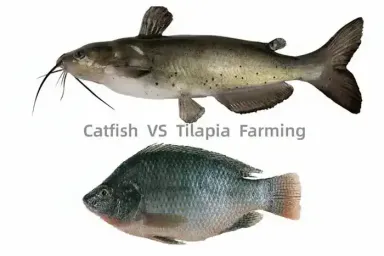
Nile tilapia (Oreochromis niloticus) stands as arguably the most important aquaculture species across East and Southern Africa. If you're starting fish farming in Kenya, Uganda, Tanzania, Zambia, or similar regions, there's a strong likelihood you'll work with this species. Tilapia's popularity isn't accidental—it stems from a unique combination of biological characteristics, environmental tolerance, and market acceptance that makes it exceptionally suitable for African aquaculture.
Biological Characteristics and Advantages
Tilapia possesses several biological traits that make it farmer-friendly, particularly for beginners. The species is remarkably hardy, tolerating water quality conditions that would stress many other fish. You can successfully farm tilapia in conditions ranging from pH 6.5 to 8.5, and the fish even tolerates moderate salinity up to about 15 parts per thousand, opening possibilities for brackish water culture in coastal areas.
Temperature requirements align well with tropical and subtropical African climates. Tilapia grows best between 25-30°C, with feeding and growth slowing significantly below 20°C. In most lowland areas of East Africa, temperatures remain suitable year-round, allowing continuous production. Highland areas with cooler temperatures may experience slower growth during certain months, but tilapia remains viable even in these conditions.
The species' omnivorous feeding habits work strongly in your favour economically. Tilapia accepts a wide range of feeds—from formulated pellets to agricultural by-products like wheat bran, brewery waste, or even fresh vegetation like duckweed. This feeding flexibility allows you to reduce costs by supplementing commercial feeds with locally available materials, though growth rates are optimal with quality formulated feeds containing 25-30% protein.
Growth Performance and Production Cycles
Under good management with proper feeding, tilapia demonstrates impressive growth rates. Starting with fingerlings of 10-15 grammes, you can harvest market-size fish of 300-500 grammes in 5-6 months. In Kenya's warmer regions, farmers regularly achieve growth rates of 2-3 grammes per day when using quality feeds and maintaining optimal stocking densities.
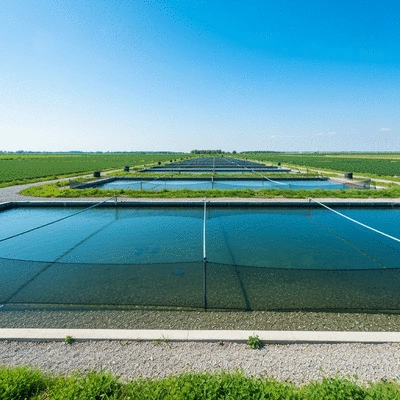
Stocking densities for tilapia vary by system intensity. In earthen ponds with limited aeration, you might stock 1-3 fish per square metre. In more intensive systems with aeration and regular water exchange, densities can increase to 10-20 fish per square metre. Very intensive systems like tanks or raceways with strong water flow and aeration can support even higher densities, though this requires more sophisticated management and infrastructure.
A typical production cycle in a 200-square-metre earthen pond might look like this: stock 2,000 fingerlings at 10 grammes each, feed daily for 5-6 months using approximately 400-600 kilogrammes of feed total, and harvest 600-800 kilogrammes of market-size fish. This assumes some mortality (10-15% is normal) and accounts for the fact that not all fish reach exactly the same size at harvest.
Reproduction Management Challenges
One significant challenge with tilapia is their prolific breeding. A mature female can spawn every 4-6 weeks, carrying 100-2,000 eggs in her mouth depending on her size. If you don't manage reproduction, your pond can quickly become crowded with thousands of small, stunted fish competing for food and space. Instead of growing your stock to market size, you end up with a pond full of undersized fish of no commercial value.
Most commercial tilapia farmers address this through mono-sex culture—stocking only male fish. Males grow 30-40% faster than females since they don't divert energy to egg production. You can obtain all-male populations through several methods: hormone treatment of fry during early development (producing phenotypic males), hand-sexing fingerlings before stocking (labour-intensive but effective), or using genetically male tilapia (GMT) strains that produce predominantly male offspring.
Alternatively, you can stock at such high densities that even if reproduction occurs, the fry don't survive due to competition and predation from larger fish. This approach requires careful management and isn't foolproof, but some farmers use it successfully in intensive systems.
Market Acceptance and Pricing
Tilapia enjoys strong market acceptance across East and Southern Africa. The white, mild-flavoured flesh appeals to diverse consumer preferences, and the fish can be prepared using various cooking methods—frying, grilling, stewing, or baking. In Kenyan markets, fresh tilapia typically sells for 250-400 Kenyan Shillings per kilogramme, with prices varying by location, season, and fish size. Larger fish (400-500g) often command premium prices.
The species also has export potential. Several African countries export frozen tilapia fillets to European and North American markets, though meeting export quality and certification standards requires additional investment and expertise beyond basic production. For most small to medium-scale farmers, the robust local market provides sufficient opportunity without pursuing exports.
| Characteristic | Details for Tilapia |
|---|---|
| Optimal Temperature | 25-30°C (growth slows below 20°C) |
| pH Tolerance | 6.5-8.5 (adaptable to wide range) |
| Feed Protein Requirement | 25-30% protein content |
| Growth to Market Size | 5-6 months (300-500g) |
| Typical Stocking Density | 1-3 fish/m² (ponds) to 10-20 fish/m² (intensive) |
| Market Price Range | 250-400 KSh/kg (Kenya), varies by region |
| Main Challenge | Prolific breeding requires mono-sex culture |
| Best Suited For | East/Southern Africa, warm climates, beginners |
African Catfish: West Africa's Commercial Champion
African catfish (Clarias gariepinus) dominates aquaculture across West Africa, particularly in Nigeria, Ghana, and neighbouring countries. If tilapia is East Africa's staple, catfish holds that position in the west. The species possesses characteristics that make it exceptionally suitable for commercial farming, particularly its ability to tolerate high stocking densities and rapid growth rates that appeal to farmers seeking quick returns on investment.
Unique Biological Advantages
African catfish's most distinctive feature is its accessory breathing organ—a specialized structure that allows the fish to gulp atmospheric air from the water surface. This adaptation enables catfish to survive in water with dissolved oxygen levels that would quickly kill most other fish species. For you as a farmer, this means you can stock catfish at much higher densities than would be possible with species relying solely on dissolved oxygen.
Commercial catfish farmers in Nigeria routinely stock 50-100 fish per square metre in concrete tanks—densities unthinkable for tilapia or most other species. This high-density culture dramatically increases production per unit of space, making catfish farming viable even on small urban or peri-urban plots where land is expensive. A farmer in Lagos operating 15 tanks of 20 square metres each can produce substantial quantities of fish from just 300 square metres of total water surface.
Catfish are hardy and disease-resistant compared to many other species, tolerating water quality fluctuations that would stress more sensitive fish. This resilience doesn't mean you can neglect water quality—you still need to manage it properly—but it provides a margin of error valuable for farmers still learning optimal management practices.
Growth Performance and Feed Requirements
When provided with adequate high-protein feed, African catfish demonstrates extremely rapid growth. Starting with fingerlings of 10-15 grammes, you can harvest fish weighing 800 grammes to 1 kilogramme in just 4-5 months. Some intensive farmers using premium feeds and optimal conditions achieve even faster growth, reaching 1 kilogramme in 3.5-4 months.
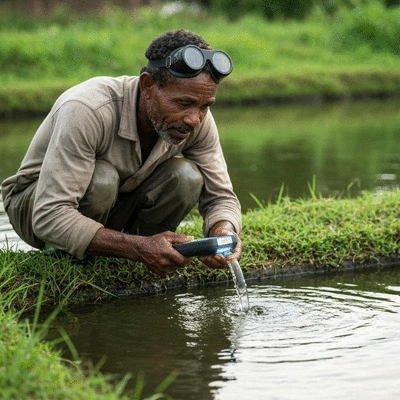
This impressive growth comes at a cost—catfish are carnivorous and require high-protein feeds to achieve optimal performance. Quality catfish feeds contain 35-40% protein, significantly higher than the 25-30% suitable for tilapia. Feed costs represent 60-70% of your total production expenses, and catfish feed typically costs 350-450 Naira per kilogramme in Nigerian markets—a substantial investment.
Feed conversion ratios (FCR) for catfish typically range from 1.2:1 to 1.8:1, meaning you need 1.2-1.8 kilogrammes of feed to produce 1 kilogramme of fish growth. Better quality feeds and optimal management achieve FCRs closer to 1.2:1, whilst lower quality feeds or suboptimal conditions result in FCRs approaching 2:1 or higher. Since feed costs dominate production economics, improving your FCR through quality feeds and proper feeding management directly impacts profitability.
Feeding Management and Growth Optimization
Successful catfish farming requires disciplined feeding management. You typically feed catfish 2-3 times daily at rates of 2-5% of estimated body weight, adjusting as fish grow. When fish are small (under 100g), they may consume 5% of body weight daily. As they grow larger, this percentage decreases to 2-3% for market-size fish.
You need to periodically sample your stock to estimate average weight and adjust feeding rates accordingly. Many farmers sample weekly or fortnightly, catching a representative group of fish, weighing them, calculating the average, and using this to determine how much feed to provide. Overfeeding wastes expensive feed and pollutes water with uneaten material, whilst underfeeding slows growth and extends your production cycle, increasing cumulative costs.
Water quality management is crucial in intensive catfish culture. Despite their ability to breathe air, catfish still depend on water for waste removal, and high stocking densities generate significant waste. You must ensure adequate water exchange—many intensive farmers change 10-30% of tank water daily—and may need mechanical aeration to maintain water quality. Ammonia accumulation in poorly managed systems can stress fish, increase disease susceptibility, and reduce growth rates even if oxygen levels seem adequate.
Market Demand and Commercial Viability
The Nigerian market demonstrates catfish farming's commercial viability. Fresh catfish consistently fetches 800-1,200 Naira per kilogramme in urban markets, with demand reliably exceeding supply, particularly for larger fish (800g-1.5kg) preferred for traditional dishes like pepper soup. Restaurants, hotels, and fish pepper soup spots provide consistent demand for quality fish.
Catfish farming can generate substantial revenue when managed well. Consider a farmer operating 10 tanks, each 20 square metres, stocked with 1,000 catfish per tank. After 4-5 months of feeding, assuming 10-15% mortality and average harvest weight of 900 grammes, each tank yields roughly 850 fish weighing a total of 765 kilogrammes. At 1,000 Naira per kilogramme, that's 765,000 Naira gross revenue per tank, or 7.65 million Naira for all 10 tanks per cycle. After deducting feed costs (typically 50-60% of revenue), fingerlings, labour, and other expenses, profit margins of 25-35% are achievable with good management.
Catfish vs Tilapia: Quick Comparison
| Factor | Catfish | Tilapia |
|---|---|---|
| Feed Protein | 35-40% | 25-30% |
| Time to Market | 4-5 months | 5-6 months |
| Stocking Density | 50-100/m² | 1-20/m² |
| Feed Cost | Higher | Lower |
| Best Region | West Africa | East/South Africa |
Other Important Species for African Aquaculture
Whilst tilapia and catfish dominate African aquaculture due to their proven commercial viability, several other species offer opportunities for farmers with access to specific environments or serving niche markets. Understanding these alternatives helps you identify possibilities beyond the two main species, particularly if you have unique resources or market access.
Nile Perch: Large-Scale Cage Culture
Nile perch (Lates niloticus) represents one of Africa's largest freshwater fish species, with individuals potentially exceeding 50 kilogrammes, though commercial aquaculture typically harvests fish at 2-5 kilogrammes. The species is primarily farmed in cage systems in large water bodies, particularly Lake Victoria, where natural populations also exist.
Nile perch farming presents both opportunities and challenges. The species grows rapidly and commands premium prices, particularly for export markets. European buyers purchase Nile perch fillets, often marketed as "Victoria perch," at prices significantly higher than tilapia or catfish. However, farming Nile perch requires larger cages, more sophisticated management, and longer production cycles (12-18 months to market size) compared to tilapia or catfish.
If you're considering Nile perch, you need access to suitable water bodies with adequate depth (at least 6-8 metres), regulatory permissions for cage placement, and connections to processing facilities and export markets. The species isn't suitable for small-scale pond culture due to its size and predatory nature. Most successful Nile perch farmers operate at relatively large commercial scales with established market linkages.
Ornamental Fish: High-Value Niche Market
Ornamental fish farming—species like goldfish, koi, and various tropical aquarium fish—provides niche opportunities, particularly near urban centres with pet shop demand. Whilst individual fish are small, prices can be substantial. A quality koi might sell for hundreds of dollars, making ornamental farming potentially very profitable per kilogramme of fish produced, though volumes are obviously much smaller than food fish operations.
Ornamental fish farming requires specific knowledge about breeding techniques, colour development, and maintaining disease-free stocks that meet both domestic and export health requirements. The market is more specialised and limited compared to food fish, but competition may also be less intense. South African and Kenyan farmers successfully supply both local aquarium shops and export markets, particularly to European countries with strong aquarium keeping traditions.
If you're interested in ornamental fish, you need to understand which species are most marketable, how to breed them successfully, and how to maintain water quality that produces the vibrant colours buyers demand. The capital requirements can be lower than commercial food fish farming since you're working with much smaller volumes, but the specialized knowledge requirements are higher.
Trout: Cold-Water Specialist Production
Rainbow trout (Oncorhynchus mykiss) serves specialized markets in African countries with suitable cold-water conditions. The species requires water temperatures between 10-18°C, limiting production to highland areas, mountain streams, or farms with access to cold springs. South Africa, Kenya (in highland regions), and Zimbabwe have established trout farming operations.
Trout commands premium prices in upscale restaurants and supermarkets, catering to consumers willing to pay for what's often perceived as a luxury product. The species' environmental requirements mean you face less competition than in tilapia or catfish farming, as most farmers lack suitable conditions. However, those same requirements also limit where you can farm trout and may increase infrastructure and operational costs.
If you have access to suitable cold water, trout farming can be lucrative, particularly if you develop direct relationships with high-end restaurants or retailers. The species requires quality feeds and careful water quality management, but for farmers in appropriate locations with market access, trout represents a viable high-value alternative to more common species.
Indigenous African Species: Emerging Opportunities
Beyond the well-established species, various indigenous African fish have aquaculture potential. Species like the lungfish, walking catfish (different from Clarias gariepinus), and various tilapia species beyond Nile tilapia are being investigated by research centres across Africa. These species might offer advantages in specific environmental conditions or serve particular cultural food preferences.
However, farming these emerging species typically involves more risk since production techniques are less well-established, fingerling supply may be limited or non-existent commercially, and markets may be uncertain. If you're interested in exploring indigenous species, consider partnering with agricultural research institutions that can provide technical guidance and potentially source breeding stock. For more detailed guidance on species selection strategy, explore our article on understanding fish farming fundamentals.
Matching Species to Your Specific Conditions
Selecting the right species isn't about choosing the "best" fish in absolute terms—it's about matching species characteristics to your specific environmental conditions, available resources, and management capabilities. What works excellently for one farmer might struggle in another's circumstances. Understanding how to evaluate this match helps you make sound decisions rather than simply copying what seems successful elsewhere.
Assessing Your Environmental Conditions
Start by thoroughly documenting your environmental conditions. What's your year-round temperature range? In lowland tropical areas, temperatures might remain consistently warm (25-32°C) year-round, suitable for both tilapia and catfish. Highland areas might experience cooler temperatures (18-24°C) that slow growth but still allow tilapia culture, whilst very cool highland regions might only be suitable for trout or require seasonal production adjustments.
Evaluate your water sources carefully. Do you have year-round access to adequate water? What's the water quality—pH, hardness, presence of pollutants? Borehole water often has stable, predictable characteristics but limited flow rates. River water provides abundant volume but may have seasonal quality variations. Rainwater harvesting offers good quality but seasonal availability challenges. Each source suits different species and production intensities.
Consider your soil type if planning earthen ponds. Clay soils hold water well and are ideal for pond construction. Sandy soils require lining with plastic or clay, adding costs. Rocky soils make pond excavation expensive or impossible, pushing you toward tank systems or cage culture if suitable water bodies are accessible. These physical factors significantly influence which production systems—and therefore which species—are viable on your property.
Evaluating Your Resource Availability
Honestly assess the resources you can commit to fish farming. Capital availability determines whether you can afford pond excavation, tank construction, fingerlings, feeds, and operational expenses for 4-6 months before your first harvest. Catfish farming typically requires more capital due to expensive high-protein feeds, whilst tilapia allows lower-cost entry with more flexible feeding options.
Labour availability matters, particularly for intensive systems. Catfish culture at high densities requires daily feeding, regular water quality monitoring, and frequent water changes—labour-intensive management. Extensive tilapia ponds with lower stocking densities demand less daily labour, though you still need regular attention. Consider whether you'll manage the farm yourself, employ workers, or use family labour, and how this affects which species and system intensity you can sustain.
Technical knowledge and learning capacity influence your species choice. Tilapia's forgiving nature makes it excellent for beginners—you can make some management mistakes and still achieve reasonable results. Intensive catfish culture demands more precise management; small errors in feeding or water quality can quickly cause problems. If you're new to fish farming, starting with a more forgiving species allows you to learn fundamental skills before attempting more demanding species or systems.
Matching Production Scale to Species Choice
Different species suit different scales of operation. If you're starting small with 1-3 ponds as a side venture, tilapia's lower input costs and forgiving nature make it accessible. You can start with modest investment, learn through experience, and expand gradually. Small-scale catfish farming is possible but requires more careful management and higher capital commitment relative to production volume.
Medium-scale commercial operations (10-20 ponds or tanks) can succeed with either species, though you'll need stronger business planning and market development. At this scale, feed costs become substantial regardless of species, and you need reliable markets capable of absorbing regular harvests. Most successful medium-scale farmers have established relationships with traders, restaurants, or processing facilities before reaching this production level.
Large-scale industrial operations often favor catfish in West Africa or tilapia in East Africa, depending on regional market preferences. At scales of 50+ tanks or large cage arrays, sophisticated management systems, permanent staff, and professional business operations become necessary. These enterprises typically target specific market segments—supermarket chains, export markets, or food service industries—requiring consistent quality and volume.
Species Suitability Assessment
Answer these questions to guide your species selection:
- What's your average annual temperature range? (Determines if species thrive year-round or seasonally)
- How much water can you access reliably? (Affects which systems and stocking densities are viable)
- What's your available capital for initial setup and 6 months operation? (Determines scale and species)
- How much time can you dedicate to daily farm management? (Intensive vs extensive systems)
- Do you have fish farming experience? (Beginners benefit from forgiving species like tilapia)
- What species do local markets demand at good prices? (Market acceptance is crucial)
- Can you access quality fingerlings and appropriate feeds locally? (Supply chain reliability matters)
Market Considerations for Species Selection
Understanding your market is just as important as understanding your production environment. You can produce the healthiest, fastest-growing fish using optimal techniques, but if nobody wants to buy them or they don't fetch profitable prices, your venture fails. Market considerations should heavily influence your species selection decision from the very beginning.
Researching Local Market Preferences
Different regions, communities, and consumer groups have distinct preferences regarding fish species. These preferences stem from cultural traditions, familiarity, taste preferences, and cooking methods. In many Kenyan communities, tilapia is preferred, often purchased whole and fried or grilled. Nigerian consumers favor catfish, particularly for pepper soup—a spicy traditional preparation that has become synonymous with fresh catfish.
You need to conduct practical market research before committing to a species. Visit local fish markets and observe which species sell quickly and which remain unsold by day's end. Talk to fish traders about their sales—which species do they purchase most? What sizes are most popular? What prices do different species command? These conversations provide invaluable insights into real market demand rather than assumptions.
Visit restaurants, hotels, and canteens that serve fish. What species do they purchase? How often do they buy, and in what quantities? Would they buy directly from local farmers? Building relationships with potential buyers before you begin production ensures you'll have markets when harvest time arrives. Some successful farmers secure purchase agreements or regular customers before stocking their first fingerlings.
Understanding Price Dynamics and Profit Margins
Market prices for fish vary by species, size, location, season, and market conditions. In Nigerian urban markets, catfish typically fetches 800-1,200 Naira per kilogramme for fish in the 800g-1.5kg range. Kenyan markets might offer 250-400 Kenyan Shillings per kilogramme for tilapia of 300-500 grammes. These prices fluctuate based on supply availability, with lower prices when many farmers harvest simultaneously and higher prices during scarcity periods.
However, market price alone doesn't determine profitability—you must consider production costs. Catfish might sell for higher prices than tilapia in some markets, but if feed costs are substantially higher, net margins could be similar or even favor the lower-priced species. Calculate your expected costs per kilogramme produced (fingerlings, feed, labour, utilities, depreciation) and compare against realistic market prices to estimate profit margins.
Size preferences also affect pricing. Larger fish often command premium prices per kilogramme, but they require longer growing periods and more feed investment. In some markets, medium-sized fish sell fastest because they're affordable for individual family meals, whilst larger fish might move more slowly despite higher per-kilo prices. Understanding these market dynamics helps you optimize your production strategy.
Considering Seasonal Demand Patterns
Fish demand often shows seasonal patterns influenced by cultural events, religious observances, and economic cycles. In many African countries, demand peaks during certain festival periods or holidays when families purchase fish for celebrations. Conversely, demand might soften during periods when consumers face financial constraints or when competing protein sources are abundant and cheap.
Planning your production cycles to align with high-demand periods can improve profitability. If you know that demand peaks during certain months, timing your harvest to coincide with these periods potentially allows you to command better prices. However, this requires planning 5-6 months ahead for tilapia or 4-5 months for catfish, accounting for the time from stocking to harvest.
Rainfall patterns can also affect markets. During heavy rains, some rural markets become less accessible, potentially affecting your ability to sell or depressing prices. Conversely, dry seasons when wild fish catches decline might see increased demand and prices for farmed fish. Observing and documenting these patterns over time helps you optimize production timing.
Assessing Competition and Market Saturation
Evaluate existing competition in your target markets. If numerous farmers already produce tilapia in your area, you face more competition but also benefit from established market channels and buyer familiarity. If few farmers produce a particular species despite apparent demand, this might indicate opportunity—or might signal problems like difficult production, poor market acceptance, or supply chain challenges that caused others to avoid that species.
Market saturation can depress prices and make profitable sales difficult. In areas where many farmers harvest simultaneously, prices often crash temporarily as supply exceeds immediate demand. Diversifying your marketing channels—selling to different types of buyers (traders, restaurants, direct consumers) in different locations—provides more resilience against temporary market gluts. To better understand market dynamics, review our guide on market research for fish farming.
Getting Started with Your Chosen Species
Once you've selected your species based on environmental conditions, resources, and market considerations, you need to prepare for successful production. Getting started properly—with adequate planning, appropriate infrastructure, and reliable input sources—significantly improves your chances of achieving the results you're expecting from your chosen species.
Sourcing Quality Fingerlings
Your fish farming success begins with obtaining healthy, quality fingerlings from reliable hatcheries. Poor quality fingerlings—weak, diseased, or wrong species—doom your venture from the start regardless of how well you manage other aspects. Research available hatcheries in your region, asking other farmers about their experiences with different suppliers regarding fingerling health, size uniformity, and survival rates.
Visit potential hatchery suppliers before purchasing. Observe their facilities—are they clean and well-maintained? Do the fingerlings appear active and healthy? Are different size groups kept separate? Reputable hatcheries maintain good biosecurity, keep detailed records, and can provide information about their broodstock genetics and health management.
Plan your fingerling purchases carefully. Order in advance, as quality hatcheries often sell out, particularly during peak seasons. Arrange transportation to minimize stress—fingerlings should be transported in oxygenated bags or tanks, with travel time kept as short as possible. Some hatcheries offer delivery services, charging a premium but ensuring proper handling. When stocking, acclimate fingerlings gradually to your pond or tank conditions, equalizing temperature slowly and adding your water to transport containers over 30-60 minutes before release.
Selecting and Sourcing Appropriate Feeds
Feed quality dramatically affects growth rates, health, and profitability. Different species require different feed formulations—remember that catfish need 35-40% protein whilst tilapia requires 25-30%. Additionally, feed pellet size must match fish size; small fingerlings can't consume large pellets meant for market-size fish. Quality feed manufacturers offer different formulations and sizes for different growth stages.
Evaluate feed suppliers based on several factors: nutritional quality (protein content, ingredient quality), freshness (manufacturing date), storage conditions, price, and reliability of supply. Cheap feed that produces poor growth or contains spoiled ingredients wastes money despite low purchase price. Conversely, extremely expensive premium feeds might produce slightly better results but not enough to justify their cost. Most farmers find that mid-range feeds from reputable manufacturers offer the best value.
Store feed properly to maintain quality. Keep bags in dry, cool, rodent-proof storage, elevated off the ground to prevent moisture absorption. Use feed within 2-3 months of manufacture, as vitamins and nutritional quality degrade over time, particularly in hot, humid conditions. Rotate stock to use older feed first, and avoid purchasing more feed than you'll use within a reasonable timeframe.
Preparing Infrastructure and Systems
Ensure your infrastructure is ready before stocking fish. For pond culture, this means completing excavation, installing inlet and outlet structures, filling with water, and allowing the pond to "mature" for a week or two. This maturation period allows natural pond ecology—beneficial algae, zooplankton, and microorganisms—to establish, creating a healthier environment for fish.
For tank systems, ensure water supply and drainage work properly, test any pumps or aeration systems, and verify water quality parameters before stocking. If using municipal water containing chlorine, you must treat it with dechlorinating chemicals or let it stand for 24-48 hours to allow chlorine to dissipate, as chlorine is toxic to fish.
Have basic equipment ready: nets for sampling and harvesting, buckets for various tasks, water quality testing kits (at minimum, for dissolved oxygen, pH, and ammonia), feed storage containers, and records books for tracking feeding, growth, and observations. Starting with proper equipment and systems prevents scrambling later when problems arise.
Developing a Management Schedule
Create a management routine that ensures consistent care for your fish. Establish feeding times (typically 2-3 times daily for most species), and stick to this schedule as consistency improves feed utilization. Plan for regular sampling to track growth—perhaps weekly or bi-weekly initially, then monthly as fish grow—allowing you to adjust feeding rates based on actual fish weight rather than estimates.
Schedule water quality testing, even if just weekly or twice-weekly initially. Morning dissolved oxygen readings (before sunrise) are most critical, as this is when oxygen levels are lowest. Regular testing helps you identify developing problems before they become crises. Many fish diseases and growth problems trace back to water quality issues that could have been detected and corrected with regular monitoring.
Keep detailed records of all activities: dates of stocking, fingerling numbers and sizes, daily feeding amounts, water quality measurements, observations of fish behavior or health, and mortality numbers if any occur. These records help you understand what's working, identify patterns if problems develop, and improve management in subsequent production cycles. Many successful farmers attribute their improvement over time to maintaining and reviewing detailed production records.
Getting Started Checklist
- Fingerling Source: Identify and contact reliable hatchery suppliers well in advance
- Feed Supply: Locate feed suppliers and calculate quantities needed for full production cycle
- Infrastructure: Complete pond/tank preparation, test all systems before stocking
- Equipment: Assemble nets, buckets, testing kits, and record-keeping materials
- Water Quality: Test initial water parameters and address any issues before stocking
- Management Plan: Establish feeding schedule, sampling routine, and monitoring protocols
- Market Contacts: Develop preliminary buyer relationships before harvest time arrives
- Emergency Plan: Know who to contact for advice if problems arise
Frequently Asked Questions
What is the best fish species for beginners in African aquaculture?
For beginning farmers in Africa, Nile tilapia generally represents the most forgiving and accessible starting point, particularly in East and Southern African regions where it's culturally accepted. Tilapia tolerates wide-ranging water quality conditions (pH 6.5-8.5, moderate salinity, variable oxygen levels), accepts diverse feeds including agricultural by-products to reduce costs, grows to market size in 5-6 months, and has established markets with consistent demand. The species' hardiness means beginners can make some management mistakes and still achieve reasonable results whilst learning fundamental aquaculture skills. African catfish is also suitable for beginners in West Africa, particularly Nigeria and Ghana where market demand is strong, though it requires more careful water quality management and higher feed costs due to its carnivorous nature requiring 35-40% protein feeds compared to tilapia's 25-30% requirement.
How do I choose between tilapia and catfish for my fish farm?
Choosing between tilapia and catfish depends primarily on your location and local market preferences, as these largely determine which species will be more profitable. In East African countries like Kenya, Uganda, and Tanzania, tilapia dominates markets and commands good prices, making it the natural choice. In West African countries like Nigeria and Ghana, catfish enjoys stronger market demand and acceptance, particularly for traditional dishes like pepper soup. Beyond market considerations, evaluate your resources: catfish requires higher-protein feeds (35-40%) costing more than tilapia feeds (25-30%), but grows slightly faster (4-5 months vs 5-6 months to market size). Catfish tolerates higher stocking densities, making it suitable for intensive culture on limited land, whilst tilapia works well in less intensive pond systems. Consider your climate—both species prefer warm water, but tilapia tolerates slightly cooler conditions better. Finally, assess your experience level; tilapia is generally more forgiving for beginners, whilst intensive catfish culture demands more precise management.
Can I farm multiple fish species together in the same pond?
Polyculture—farming multiple species together—is possible and sometimes beneficial, though it requires more sophisticated management than monoculture. Successful polyculture combines species with complementary feeding habits and habitat preferences that don't compete directly for resources. For example, you might combine tilapia (feeding primarily in mid-water and on algae) with catfish (bottom-feeding) and possibly a surface-feeding species, allowing each to utilize different pond zones and food sources. However, polyculture presents challenges: different species have different feed requirements, growth rates, and harvesting times, complicating management. Selective harvesting of one species whilst leaving others is difficult. Disease management becomes more complex as you must consider health threats to multiple species. For beginners, monoculture (single species) is generally recommended until you gain experience with basic fish farming principles. Once you're comfortable managing a single species successfully, you can experiment with polyculture if it offers specific advantages for your situation.
How important is water temperature for fish species selection?
Water temperature is critically important for species selection because it directly affects fish metabolism, growth rates, feeding behavior, disease resistance, and survival. Each species has an optimal temperature range where it thrives and grows efficiently, temperatures below which growth slows or stops, and extreme temperatures that cause stress or death. Tilapia grows best at 25-30°C, with growth slowing significantly below 20°C and stopping below 15°C, making it suitable for tropical and subtropical lowland areas but challenging in cool highland regions. Catfish prefers slightly warmer water, 26-32°C, and is similarly limited to warm climates. Trout, conversely, requires cold water between 10-18°C and cannot survive sustained temperatures above 20-22°C, restricting it to highland areas or farms with cold spring water. You must assess your year-round temperature range—not just average temperatures but seasonal extremes—when selecting species. A location averaging 25°C but dropping to 12°C in winter might struggle with tilapia or catfish production during cold months, whilst trout would be impossible in locations where temperatures exceed 20°C for extended periods regardless of how cool winters might be.
Where can I find quality fingerlings for the species I want to farm?
Sourcing quality fingerlings requires research and establishing relationships with reputable hatcheries in your region. Start by contacting your national or regional fisheries department or aquaculture extension services, as they typically maintain lists of registered hatcheries and may offer recommendations. Ask other fish farmers in your area about their fingerling sources and which hatcheries they trust for healthy, quality stock. Visit potential hatchery suppliers before purchasing to assess their facilities, observe fingerling health and activity levels, and discuss their broodstock management and quality control practices. Look for hatcheries that maintain good biosecurity, keep different size groups separated, can provide information about genetics and health screening, and offer some guarantee on their fingerlings. Quality hatcheries typically charge slightly more than backyard operations but provide healthier, more uniform fingerlings that survive and grow better, ultimately providing better value. Plan your fingerling purchases in advance, particularly during peak seasons when quality hatcheries may sell out. Some government and NGO programmes provide subsidised fingerlings to support aquaculture development, though availability and eligibility vary by country and region. For guidance on planning your entire operation, review our article on crafting a fish farming plan.
Moving Forward with Your Species Selection
Selecting the right fish species for your aquaculture venture is a decision that sets the foundation for everything that follows. By now, you understand that there's no universally "best" species—only species that match or don't match your specific environmental conditions, available resources, management capabilities, and market opportunities. The most successful farmers are those who carefully evaluate these factors before committing to a species, rather than simply copying what others are doing or following the latest trend.
Take time to thoroughly research your options before making final decisions. Visit successful fish farms in your region, observe different species and systems in operation, and talk with experienced farmers about their choices and experiences. Contact potential fingerling suppliers and feed dealers to understand availability and costs. Most importantly, research your local markets carefully—understanding what species local consumers prefer, what prices different species command, and how you'll access markets makes the difference between a profitable venture and a struggling operation.
Remember that fish farming is a learning journey. Your first production cycle will teach you lessons that no amount of reading or training can fully convey. Start at a manageable scale with a species suited to your conditions and capabilities, maintain detailed records, learn from both successes and challenges, and improve continuously. Many of today's most successful commercial fish farmers started small with modest production, gradually expanding as they gained experience and confidence.
The opportunities in African aquaculture are substantial and growing. With population growth driving protein demand, declining wild fish stocks, and increasing recognition of aquaculture's potential, the sector offers genuine prospects for farmers who approach it thoughtfully and professionally. Your species selection decision, made carefully with full consideration of all relevant factors, positions you to capitalize on these opportunities and build a successful, sustainable fish farming enterprise that serves your community whilst generating income for your household.

Yomi Adisa
Yomi Adisa is the lead researcher at Fish Farming Business, where he studies what makes aquaculture ventures profitable across Africa. His research focuses on market patterns, buyer preferences, and the business decisions that determine success or failure in fish farming.