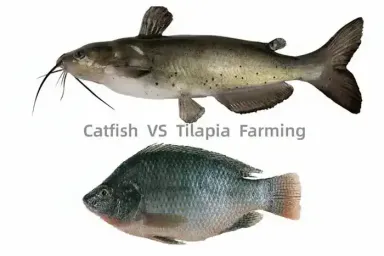

Managing Fish Growth Cycles to Improve Your Fish Farm Cash Flow
Posted on: 2025-11-04
By: Yomi Adisa
You've invested months raising healthy fish, carefully managing water quality and feeding schedules. But when harvest time arrives, your cash flow doesn't match your expectations. The problem isn't your fish—it's timing.
Managing fish growth cycles strategically transforms your farm from a production operation into a profitable business. When you align your stocking, feeding, and harvesting decisions with cash flow needs, you control when money flows in and out of your operation.
Consider a tilapia farmer in Lagos who stocks 5,000 fingerlings every three months instead of once yearly. This staggered approach means harvesting 1,200kg of fish quarterly rather than waiting eight months for one large harvest. The difference? Consistent monthly income of ₦480,000 instead of irregular lump sums that leave you cash-strapped between harvests.
In this guide, you'll discover how to synchronise your fish growth stages with market demand and cash flow requirements. You'll learn to time your stocking decisions, optimise feeding strategies for faster growth, and create financial forecasts that account for species-specific growth patterns.
We'll explore practical tools for tracking growth cycles, examine real case studies from successful African fish farms, and show you how to build cash flow budgets that prevent the feast-or-famine cycle that plagues many operations. By the end, you'll understand how to turn your fish growth cycles into predictable profit cycles.
What You Will Learn
- How to synchronise fish growth stages with your cash flow needs for consistent income
- Effective feeding strategies that accelerate growth and enhance profitability
- Techniques for staggered stocking to create multiple harvest opportunities
- Key financial planning methods that account for the biological rhythms of fish farming
- Practical tools for tracking growth cycles and managing cash flow efficiently
Understanding Fish Growth Cycles
You cannot manage what you don't understand, and fish growth cycles determine everything about your cash flow timing. Most farmers focus on keeping fish alive without considering how growth stages affect their bank account. The difference between profitable farms and struggling ones often comes down to understanding these biological rhythms and their financial implications.
Your fish don't grow at steady rates throughout their lives. They experience distinct phases—each requiring different resources and offering different profit opportunities. A catfish fingerling grows rapidly in its first three months, then slows considerably as it approaches market size. Understanding these patterns helps you predict when to expect returns on your investment.
The cost of ignorance is expensive. When you stock without considering growth cycles, you might find yourself with 2,000kg of fish ready for harvest during a low-price season, or worse, running out of cash during the expensive juvenile feeding phase. Smart farmers align their production cycles with both biological realities and market opportunities.
Definition of Fish Growth Cycles
Fish growth occurs in three distinct stages, each with different cash flow implications for your operation. The larval stage lasts the first few weeks after hatching, when fish are most vulnerable and require specialised feeding. During this period, you're spending money on expensive starter feeds without any income potential—your fish are too small and delicate for market.
The juvenile stage represents your highest investment period. Fish grow rapidly but consume increasing amounts of feed daily. A 50g tilapia fingerling will reach 200g in just two months under optimal conditions, but feed costs during this period can represent 60% of your total production expenses. This is when many farmers run short of cash if they haven't planned properly.
The adult stage begins when fish approach market size—typically 300g for tilapia or 1kg for catfish. Growth slows, but fish become marketable, allowing you to start generating income. Understanding when your specific species transitions between these stages helps you predict cash outflows and plan for income generation. Without this knowledge, you're essentially farming blind, hoping your money lasts until harvest time.
Growth Stage Financial Impact
- Larval Stage (0-4 weeks): High mortality risk, expensive feeds, zero income potential
- Juvenile Stage (1-4 months): Rapid growth, peak feed costs, highest cash outflow period
- Adult Stage (4+ months): Slower growth, marketable fish, income generation begins
Factors Influencing Growth Rates
Water temperature controls your fish's metabolism and directly affects how quickly they convert feed into body weight. Tilapia grows optimally at 28-30°C, but when temperatures drop to 24°C, growth rates can slow by 40%. This means your fish take longer to reach market size, extending your cash outflow period and delaying income.
Your feeding strategy determines both growth speed and production costs. Fish require different protein levels at different growth stages—fingerlings need 35-40% protein feeds, while market-size fish can thrive on 28-32% protein. Feeding juvenile fish adult formulations saves money initially but extends growth cycles by weeks, ultimately costing more in delayed harvests and extended overhead expenses.
Stocking density affects individual fish growth and your overall cash flow timing. When you stock 2,000 fingerlings per 1,000 square metres instead of the recommended 1,500, each fish grows slower due to competition for food and space. Your harvest might be delayed by 3-4 weeks, pushing income further into the future while feed and labour costs continue accumulating.
| Factor | Optimal Range | Cash Flow Impact |
|---|---|---|
| Water Temperature | 28-30°C (Tilapia) | Every 2°C drop extends growth by 2-3 weeks |
| Feed Protein Level | 35-40% (Juveniles) | Wrong protein delays harvest by 4-6 weeks |
| Stocking Density | 1,500 fish/1,000m² | Overstocking adds 3-4 weeks to production cycle |
Species-Specific Growth Characteristics
Tilapia offers the most predictable growth cycle for cash flow planning. Under optimal conditions, fingerlings reach 300g market size in 4-5 months, with most growth occurring in months 2-4. You can expect steady weekly weight gains of 15-20g during peak growth periods. This predictability makes tilapia excellent for farmers who need consistent cash flow timing.
Catfish grows differently, with rapid initial growth followed by a plateau period. A 20g catfish fingerling can reach 200g in just 10 weeks, then requires another 8-10 weeks to reach 1kg market size. The early rapid growth means high feed costs concentrated in the first three months, followed by slower, more economical growth to market size.
Pangasius represents the longest growth cycle but offers the highest individual fish value. These fish require 8-12 months to reach 2-3kg market size, with steady but slower growth throughout. The extended cycle means longer cash outflow periods but potentially higher profit margins per fish. Understanding fish species selection helps you match growth cycles to your financial capabilities.
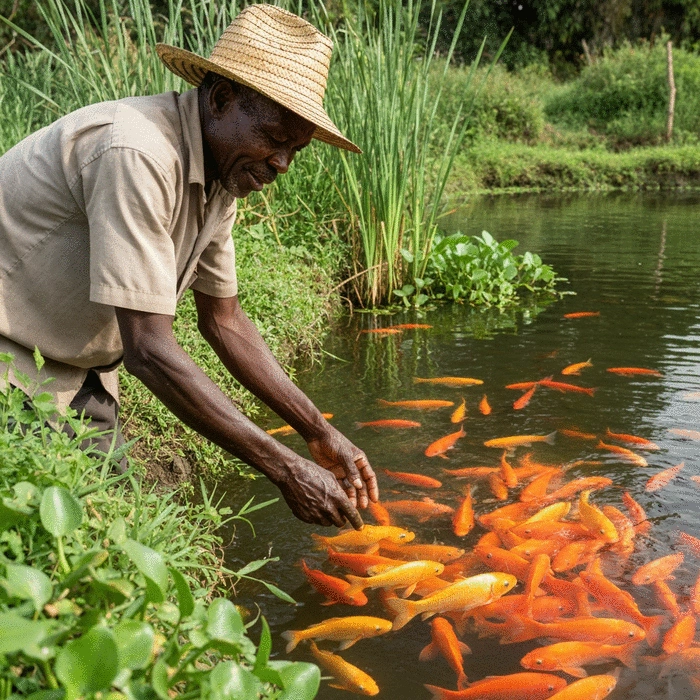
Understanding these species-specific patterns helps you choose fish that match your cash flow capabilities. If you need income within six months, tilapia makes sense. If you can invest for longer periods, pangasius might offer better returns. The key is matching your species choice to your financial reality, not just market prices.
Aligning Growth Cycles with Cash Flow Needs
Your fish don't care about your bills, but your bills won't wait for your fish to grow. The secret to profitable fish farming lies in synchronising biological growth cycles with your financial requirements. Most farmers stock when they have money or when fingerlings are available, then hope everything works out by harvest time.
Smart farmers work backwards from their cash flow needs. If you need ₦500,000 every three months to cover family expenses and farm operations, you must plan stocking and harvesting schedules that deliver this income consistently. This means understanding exactly when your fish will be ready for market and ensuring that timing matches your financial obligations.
The difference between feast-and-famine farming and steady profitability comes down to this alignment. When you stock 2,000 tilapia fingerlings every six weeks instead of 10,000 once yearly, you create multiple harvest opportunities throughout the year. Your cash flow becomes predictable, and you avoid the dangerous periods when you're spending heavily on feed with no income in sight.
Timing Stocking and Harvesting
You need to stock with your harvest date in mind, not just when fingerlings are available. If you need income in December for Christmas expenses, you must stock tilapia fingerlings in July, accounting for the 4-5 month growth cycle. Many farmers stock in September and find themselves with 200g fish in December—too small for premium prices but too large to wait another month without additional feed costs.
Market demand fluctuates throughout the year, and your stocking schedule should reflect these patterns. In Nigeria, fish prices typically peak during festive seasons—Christmas, New Year, and Eid celebrations. A farmer in Kano who stocks catfish fingerlings in March harvests 1kg fish in August, missing the December price premium by four months. Better timing would mean stocking in July for December harvest.
Staggered stocking creates multiple income streams and reduces risk. Instead of stocking 5,000 fingerlings once, stock 1,000 fingerlings every month for five months. This approach means harvesting fish monthly after the initial growth period, providing steady cash flow and reducing the impact of market price fluctuations on your overall income.
Staggered Stocking Benefits
- Consistent Income: Monthly harvests instead of annual lump sums
- Risk Reduction: Disease or market crashes affect only portion of stock
- Cash Flow Control: Predictable income timing for planning expenses
- Market Flexibility: Ability to hold fish longer if prices are poor
Feeding Strategies to Accelerate Growth
Your feeding strategy directly controls how quickly fish reach market size and when you can start generating income. High-protein starter feeds cost more initially but accelerate early growth, reducing the time to harvest. A tilapia fingerling fed 40% protein feed for the first six weeks reaches 50g faster than one fed 32% protein, shortening your overall production cycle by 2-3 weeks.
Feed timing affects growth rates as much as feed quality. Fish utilise nutrients most efficiently when fed small amounts frequently rather than large amounts once daily. Feeding four times daily instead of twice can improve growth rates by 15-20%, meaning your fish reach market size weeks earlier. The labour cost of additional feeding is minimal compared to the value of earlier harvest timing.
Temperature management through feeding schedules optimises growth during peak metabolic periods. Fish digest food most efficiently during warmer parts of the day, typically mid-morning and late afternoon. A farmer in Ibadan increased growth rates by 25% simply by shifting feeding times to match optimal temperature periods, reducing his production cycle from 20 weeks to 16 weeks.
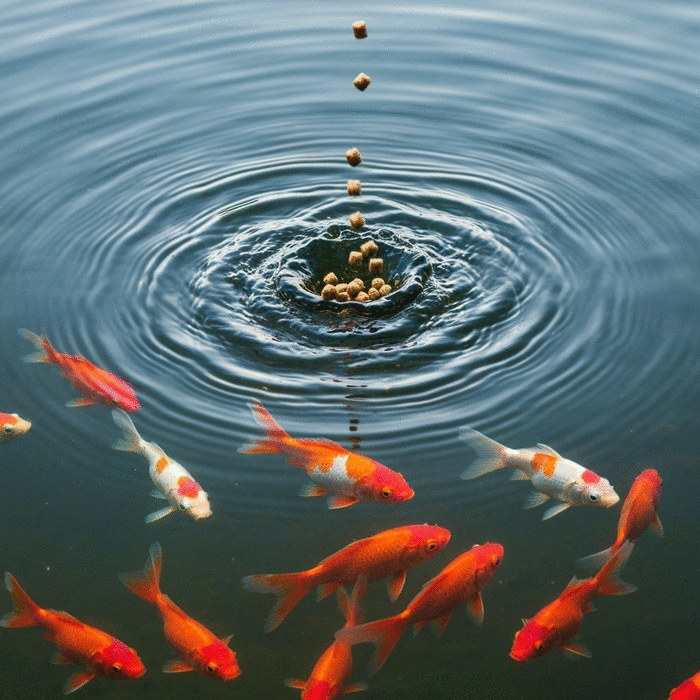
The cost of accelerated growth must be weighed against earlier income generation. Premium feeds might cost ₦50,000 more per production cycle but deliver harvest income four weeks earlier. If that earlier harvest generates ₦400,000 in sales, the additional feed cost represents excellent return on investment through improved cash flow timing.
Managing Stocking Density
Stocking density affects both individual fish growth and your total harvest value, directly impacting cash flow timing and volume. When you stock 2,000 fingerlings in a pond designed for 1,500, each fish grows slower due to competition, but you potentially harvest more total weight. The question becomes whether slower growth and delayed cash flow justify the higher total volume.
Lower stocking densities produce larger individual fish that command premium prices but reduce total harvest weight. A farmer in Ogun State stocks 1,200 tilapia fingerlings per pond and harvests 400g fish selling for ₦800 per kilogram. His neighbour stocks 1,800 fingerlings and harvests 250g fish selling for ₦600 per kilogram. Despite lower total weight, the first farmer often achieves better cash flow due to premium pricing.
Market demand should guide your density decisions. If local buyers prefer smaller fish for household consumption, higher densities producing 200-300g fish might generate better cash flow than lower densities producing 500g fish. Understanding your specific market preferences helps optimise stocking decisions for maximum profitability.
| Stocking Density | Individual Size | Market Price | Cash Flow Impact |
|---|---|---|---|
| 1,200/pond | 400g average | ₦800/kg | Premium pricing, faster growth |
| 1,500/pond | 300g average | ₦700/kg | Balanced volume and price |
| 1,800/pond | 250g average | ₦600/kg | Higher volume, slower growth |
Seasonal adjustments to stocking density can optimise cash flow throughout the year. During cooler months when growth slows, lower densities help maintain individual fish size and market value. During warmer months when growth accelerates, slightly higher densities can maximise pond utilisation without significantly impacting individual fish performance. This flexibility requires understanding both your local climate patterns and market preferences throughout the year.
Financial Planning for Fish Growth Cycles
Your fish growth cycles create predictable patterns of income and expenses, but most farmers treat cash flow like a mystery. The reality is that fish farming follows biological rhythms that translate directly into financial rhythms. When you understand these patterns, you can plan your finances with the same precision you use for feeding schedules.
Financial planning for fish farming isn't about complex spreadsheets or expensive software. It's about matching your money management to your fish's growth stages. You know your tilapia fingerlings will need expensive high-protein feed for the first six weeks, then cheaper grower feed until harvest. This knowledge should drive your cash flow planning, not surprise you when feed bills arrive.
The farmers who struggle financially aren't necessarily bad at raising fish—they're bad at planning for the predictable costs and income timing that fish growth cycles create. When you plan your finances around growth cycles, you avoid the common trap of running out of money during the expensive juvenile feeding phase or being caught unprepared when harvest income arrives.
Creating a Cash Flow Budget
You need a cash flow budget that reflects the reality of fish growth, not generic business templates. Your expenses aren't spread evenly throughout the year—they spike during stocking and juvenile feeding phases, then drop during the final growth period. A proper fish farming cash flow budget accounts for these biological realities.
Start by mapping your production cycle week by week. For tilapia, weeks 1-2 involve stocking costs and expensive starter feeds. Weeks 3-12 represent your highest feed costs as fish grow rapidly. Weeks 13-20 show lower feed costs but preparation for harvest expenses. This weekly breakdown helps you see exactly when money flows out and when it returns.
Your budget must account for the lag between expenses and income. If you stock 2,000 tilapia fingerlings in January, you'll spend ₦180,000 on fingerlings and feed over the first three months but won't see income until May. This four-month gap requires careful cash flow planning to avoid running short during the expensive growth period.
Essential Budget Components
- Stocking Costs: Fingerlings, transportation, initial medications
- Feed Expenses: Broken down by growth stage and protein requirements
- Labour Costs: Daily feeding, pond maintenance, harvest preparation
- Utilities: Water pumping, aeration, lighting for extended feeding
- Harvest Income: Projected sales based on survival rates and market prices
Track your actual expenses against projections weekly, not monthly. Fish farming costs can change rapidly—a disease outbreak might double your medication expenses in one week, or feed price increases might add ₦50,000 to your monthly costs. Weekly tracking helps you spot problems early and adjust spending before cash flow becomes critical.

Forecasting Cash Flow Needs
You can predict your cash flow needs with surprising accuracy once you understand your fish's growth patterns. A 50g tilapia fingerling will consume approximately 3% of its body weight daily, increasing to 2% as it approaches market size. This biological constant allows you to forecast feed costs months in advance.
Market conditions affect your forecasting, but growth cycles provide the foundation. You know your catfish will be ready for harvest in 16-18 weeks regardless of market prices. What changes is the selling price, not the timing. Build your forecasts around the certainty of growth timing, then adjust for market variables.
Seasonal patterns in your local market should inform your cash flow forecasting. In many Nigerian markets, fish prices drop during rainy season when transportation becomes difficult, then rise during dry season festivals. Understanding market trends helps you plan harvest timing around these predictable price cycles.
| Growth Stage | Duration | Cash Flow Pattern | Planning Focus |
|---|---|---|---|
| Stocking Phase | Week 1-2 | High outflow, no income | Ensure adequate starting capital |
| Rapid Growth | Week 3-12 | Peak expenses, no income | Maintain cash reserves for feed |
| Pre-Harvest | Week 13-16 | Lower expenses, prepare for income | Plan harvest logistics and marketing |
| Harvest Phase | Week 17-20 | Income generation begins | Maximise sales and plan next cycle |
Build multiple scenarios into your forecasting—optimistic, realistic, and pessimistic. Your optimistic scenario assumes 90% survival rates and premium market prices. Your pessimistic scenario plans for 70% survival and low market prices. This range helps you prepare for different outcomes while maintaining realistic expectations about cash flow timing.
Risk Mitigation Strategies
You cannot eliminate cash flow risks in fish farming, but you can reduce their impact through strategic planning. The biggest risk most farmers face is running out of money during the expensive juvenile growth phase when fish are consuming maximum feed but generating no income. Building cash reserves equal to two months of peak feeding costs provides a crucial buffer.
Diversifying your production cycles reduces cash flow concentration risk. Instead of stocking all your ponds simultaneously, stagger stocking by 4-6 weeks. This approach means you'll have fish at different growth stages, spreading your cash outflows over time and creating multiple harvest opportunities throughout the year.
Early harvest strategies provide cash flow flexibility when market conditions change. You can harvest tilapia at 250g instead of waiting for 350g if you need immediate cash flow or if market prices are particularly attractive. While individual fish value is lower, the earlier cash flow might be more valuable than waiting for larger fish.
Emergency sale protocols help you respond to unexpected cash flow needs. Identify buyers who purchase smaller fish for processing or local consumption. A farmer in Ibadan maintains relationships with three different buyer types—premium restaurants preferring large fish, local markets accepting medium fish, and processors buying any size. This flexibility allows him to generate cash flow when needed rather than waiting for optimal market conditions.
Tools and Software for Managing Cash Flow
You don't need expensive software to manage fish farming cash flow effectively, but the right tools can save you hours of calculations and help you spot problems before they become crises. Most farmers try to track everything in their heads or on scraps of paper, then wonder why their cash flow surprises them every month.
The key is choosing tools that match your technical comfort level and actual needs. A simple spreadsheet might serve you better than complex farm management software if you're comfortable with basic calculations. Conversely, if you manage multiple ponds with different species and stocking schedules, dedicated aquaculture software might justify its cost through time savings and better insights.
Your tool choice should reflect your farm's complexity and your cash flow management goals. A farmer with two ponds growing tilapia needs different tools than one managing ten ponds with multiple species and staggered production cycles. The best tool is the one you'll actually use consistently, not the most sophisticated option available.
Overview of Cash Flow Management Tools
Spreadsheet applications like Microsoft Excel or Google Sheets provide the most flexible and cost-effective cash flow management for most fish farmers. You can create templates that track weekly expenses, project future costs based on fish growth, and calculate profitability scenarios. The learning curve is manageable, and you can customise everything to match your specific operation.
FarmLogs offers cloud-based record keeping that includes basic cash flow tracking alongside production records. The software costs approximately $3 monthly but provides automatic calculations and mobile access for updating records from your ponds. For farmers managing multiple production cycles, the time savings often justify the subscription cost.
QuickBooks or similar accounting software works well for farmers who need comprehensive financial management beyond just fish production. These tools handle invoicing, expense tracking, and tax preparation alongside cash flow management. The monthly cost ranges from $15-30, making sense for larger operations or farmers with multiple income streams.
Tool Selection Criteria
- Ease of Use: Can you update it quickly during daily pond visits?
- Mobile Access: Does it work on your phone for field updates?
- Cost vs. Value: Will time savings justify subscription fees?
- Data Export: Can you get your data out if you change tools?
- Growth Tracking: Does it handle fish-specific calculations?
Local solutions sometimes work better than international software. In Nigeria, some farmers use simple WhatsApp groups to share daily feeding costs and track expenses with trusted advisors. While not sophisticated, this approach provides accountability and regular cash flow awareness without software costs.
Using Cash Flow Simulators
Cash flow simulators help you test different scenarios before committing money to production decisions. You can model what happens if feed prices increase by 20%, or if market prices drop during your planned harvest period. These simulations reveal potential problems while you still have time to adjust your strategy.
Simple simulators can be built in spreadsheets using basic formulas. Create columns for different growth weeks, input your expected costs and income, then change variables to see how different scenarios affect your cash flow. A farmer in Ogun State uses a simple Excel model to test stocking density decisions, comparing cash flow outcomes for different fingerling quantities.
Online aquaculture calculators provide quick scenario testing without building your own models. Websites like AquacultureHub offer free calculators that estimate feed costs, growth rates, and profitability for different species and management approaches. While not customised to your specific operation, these tools help you understand general relationships between management decisions and cash flow outcomes.
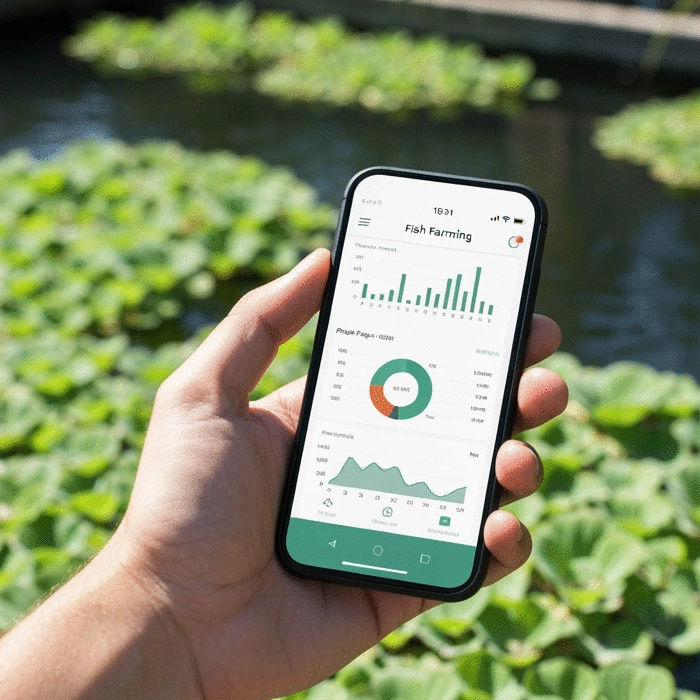
The value of simulation lies in testing assumptions before they cost you money. If your model shows that delaying harvest by two weeks improves profitability by ₦80,000, you can plan accordingly. If it reveals that current feed prices make your planned production cycle unprofitable, you can adjust before stocking fingerlings.
Integrating Tools into Daily Management
Your cash flow management tools only work if you use them consistently. The best approach is integrating data collection into existing daily routines rather than creating separate record-keeping sessions. When you feed fish each morning, record the feed quantities and costs immediately rather than trying to remember them later.
Mobile applications make field data entry practical and immediate. You can update feeding costs, mortality numbers, and growth observations directly from your ponds using smartphone apps. This immediate recording prevents the data gaps that make cash flow tracking unreliable.
Weekly review sessions help you spot trends and problems early. Set aside 30 minutes each week to review your cash flow data, compare actual expenses to projections, and adjust future plans based on current performance. Learning from common financial mistakes helps you identify potential issues before they impact your operation.
Data backup and security protect your financial records from loss. Whether using spreadsheets or specialised software, ensure your cash flow data is backed up regularly and accessible from multiple devices. Losing months of financial records can cripple your ability to make informed decisions about future production cycles.
Real-World Examples of Successful Growth Cycle Management
Learning from farmers who have successfully aligned their growth cycles with cash flow needs provides practical insights you can adapt to your own operation. These examples demonstrate how understanding fish biology and market timing creates predictable profitability rather than hoping for good luck.
The most successful fish farmers treat their operations like manufacturing businesses—they know exactly when raw materials (fingerlings) go in, when production costs peak (juvenile feeding), and when finished products (market-size fish) come out. This predictability allows them to plan cash flow with confidence and avoid the feast-or-famine cycles that plague many operations.
These case studies focus on practical strategies you can implement regardless of your farm size or species choice. The principles of growth cycle management apply whether you're raising 1,000 tilapia in backyard ponds or 50,000 catfish in commercial facilities.
Case Study: Tilapia Farming
A farmer in Ogun State transformed his cash flow by implementing staggered tilapia production across six ponds. Instead of stocking all ponds simultaneously, he stocks one pond every three weeks, creating a continuous harvest cycle that generates income every month after the initial 20-week establishment period.
His system works by maintaining fish at different growth stages across his ponds. When Pond 1 reaches harvest at 20 weeks, Pond 2 is at 17 weeks, Pond 3 at 14 weeks, and so on. This staggered approach means he harvests approximately 800kg of tilapia monthly, generating ₦560,000 in consistent monthly income rather than waiting for large quarterly harvests.
The cash flow benefits extend beyond income timing. His feed purchasing power improved because he buys consistent quantities monthly rather than large amounts sporadically. Feed suppliers offer him better prices for regular orders, reducing his production costs by approximately 8%. Additionally, his labour costs remain steady since he's always feeding fish at different growth stages rather than experiencing periods of intense activity followed by idle time.
| Pond | Stocking Week | Harvest Week | Monthly Income |
|---|---|---|---|
| Pond 1 | Week 1 | Week 20 | ₦560,000 |
| Pond 2 | Week 4 | Week 23 | ₦560,000 |
| Pond 3 | Week 7 | Week 26 | ₦560,000 |
His success required careful planning and discipline. The initial establishment period meant 20 weeks of expenses before any income, requiring substantial working capital. However, once established, the system provides predictable monthly cash flow that allows for better financial planning and reduced stress about meeting monthly obligations.
Case Study: Catfish Production
A catfish farmer in Kaduna State optimised his cash flow by aligning production cycles with seasonal price patterns in northern Nigerian markets. He discovered that catfish prices peak during dry season months (November-March) when transportation from southern farms becomes expensive, creating opportunities for local producers.
His strategy involves stocking catfish fingerlings in July to ensure harvest during November-December peak pricing periods. This timing requires managing the challenging rainy season feeding period, but the 40% price premium during harvest justifies the additional management effort. His 1kg catfish sell for ₦1,400 during peak season compared to ₦1,000 during low-price periods.
The farmer manages cash flow during the expensive growth period by securing feed credit from suppliers based on his harvest contracts with local buyers. This arrangement reduces his working capital requirements while ensuring feed availability during critical growth phases. His buyers provide 30% advance payments in exchange for guaranteed delivery, improving his cash flow during production.
Risk management became crucial for this seasonal approach. Weather delays can push harvest into lower-price periods, significantly affecting profitability. He maintains flexibility by managing two production cycles—his primary cycle targeting peak prices and a secondary cycle providing backup income if timing problems occur with the main harvest.
Adapting to Market Trends
Successful farmers continuously monitor market trends and adjust their growth cycles accordingly. A tilapia farmer in Lagos noticed increasing demand for smaller fish (200-250g) from local restaurants serving individual portions. He adjusted his stocking density and harvest timing to produce these smaller fish, reducing his production cycle by three weeks while meeting specific market demand.
Market trend adaptation requires balancing biological constraints with commercial opportunities. Fish growth cycles cannot be dramatically shortened without affecting fish health, but small adjustments in feeding strategies, stocking densities, and harvest timing can align production with market opportunities. The key is making gradual adjustments rather than dramatic changes that might compromise fish welfare.

Technology helps farmers track market trends and adjust production accordingly. WhatsApp groups connecting farmers with buyers provide real-time market information that influences production decisions. A farmer in Ibadan uses these groups to monitor price trends and adjust his harvest timing by 1-2 weeks to capture better prices.
Market Adaptation Strategies
- Flexible Harvest Timing: Ability to harvest 2-3 weeks early or late based on prices
- Size Diversification: Producing different fish sizes for various market segments
- Buyer Relationships: Multiple buyers providing market intelligence and flexibility
- Seasonal Planning: Aligning production cycles with predictable price patterns
The most adaptable farmers maintain production flexibility while respecting biological constraints. They understand that fish growth follows natural patterns that cannot be dramatically altered, but within those patterns, strategic adjustments can significantly improve cash flow outcomes. Success comes from working with fish biology rather than against it while remaining responsive to market opportunities.
| Key Points | Details |
|---|---|
| Understanding Fish Growth Cycles | Recognising distinct fish growth stages helps anticipate cash flow needs. Ignoring this can lead to high feed costs during low-income periods. Planning around growth stages can save you from cash shortages. |
| Staggered Stocking for Consistent Income | By stocking fingerlings every few weeks, farmers can harvest monthly instead of relying on a single large harvest. This approach generates ₦480,000 monthly instead of uncertain lump sums. |
| Optimising Feeding Strategies | High-quality feeds accelerate growth, leading to faster harvests. Paying an additional ₦50,000 for premium feeds can result in ₦400,000 in earlier income, justifying the cost. |
| Managing Stocking Density | Correct stocking density affects growth rates and market pricing. A farmer with optimal density can sell larger fish at ₦800/kg, increasing cash flow significantly compared to lower-density options. |
| Financial Planning for Fish Farming | Creating a cash flow budget matching fish growth stages prevents financial surprises. Mapping cash flow needs against production cycles avoids running out of money during high-expense phases. |
| Using Tools for Cash Flow Management | Simple spreadsheets can track expenses effectively. Investing in management tools can save time and reveal cash flow issues before they escalate, ensuring better financial health. |
Conclusion
You now understand that fish growth cycles create predictable financial patterns you can plan around. The difference between profitable farms and struggling ones isn't luck—it's aligning biological rhythms with cash flow needs and market timing.
Start with one simple change: track your weekly expenses and map them against your fish's growth stages. This basic step reveals the financial patterns your farm already follows and shows you where improvements will have the biggest impact.
Staggered stocking transforms your cash flow from feast-or-famine cycles into steady monthly income. Even if you only have two ponds, stocking them six weeks apart creates two harvest opportunities instead of one large harvest that might coincide with poor market conditions.
Your feeding strategy directly controls how quickly fish reach market size and when income arrives. The extra cost of high-protein starter feeds pays for itself through shorter production cycles and earlier cash flow generation.
Financial planning isn't about complex software—it's about understanding when your money flows out during expensive growth phases and when it returns during harvest periods. Build cash reserves equal to two months of peak feeding costs to avoid running short during critical growth stages.

Choose tools that match your operation's complexity and your comfort level. A simple spreadsheet tracking weekly expenses often works better than sophisticated software you won't use consistently.
Begin by calculating your current production cycle timing for one pond. Map out exactly when you stock, when feed costs peak, and when harvest income arrives. This exercise reveals opportunities to improve cash flow timing through better planning.
Your next step is implementing one staggered production cycle. Stock your second pond four to six weeks after your first, creating multiple income opportunities throughout the year instead of waiting for one large harvest.
Frequently Asked Questions
What are the key stages of fish growth and their financial implications?
Fish growth occurs in three main stages: larval, juvenile, and adult. The larval stage has high mortality risk and expensive feeds with no income. The juvenile stage is your highest investment period due to rapid growth and peak feed costs. The adult stage sees slower growth but fish become marketable, allowing income generation to begin.
Why is staggered stocking beneficial for fish farm cash flow?
Staggered stocking, such as stocking fingerlings every few weeks or months instead of annually, creates multiple harvest opportunities throughout the year. This approach provides consistent monthly income, reduces risk by spreading your stock across different growth stages, and offers better cash flow control for planning expenses.
How do feeding strategies impact fish growth and cash flow timing?
Your feeding strategy directly controls how quickly fish reach market size. High-protein starter feeds, though initially more expensive, accelerate early growth and shorten the production cycle. Additionally, feeding small amounts frequently rather than large amounts once daily can improve growth rates by 15-20%, leading to earlier harvests and income.
What role does stocking density play in managing cash flow?
Stocking density affects both individual fish growth and total harvest value. Lower densities typically produce larger fish that command premium prices, potentially leading to better cash flow despite lower total weight. Conversely, higher densities can result in more total weight but slower growth and smaller fish, which might fetch lower prices per kilogram, delaying income.
Why is a fish farming-specific cash flow budget essential?
A fish farming-specific cash flow budget is crucial because expenses are not evenly spread throughout the year; they spike during stocking and juvenile feeding phases before dropping. This budget accounts for the unique biological realities of fish growth, helping you avoid running out of money during expensive growth periods and ensuring you're prepared for income when harvest arrives.
Using Tools for Cash Flow Management
Simple spreadsheets can track expenses effectively. Investing in management tools can save time and reveal cash flow issues before they escalate, ensuring better financial health.

Yomi Adisa
Yomi Adisa is the lead researcher at Fish Farming Business, where he studies what makes aquaculture ventures profitable across Africa. His research focuses on market patterns, buyer preferences, and the business decisions that determine success or failure in fish farming.