
Types of Fish Farming Systems You Can Use
Posted on: 2025-10-18
By: Yomi Adisa
When you're planning to start fish farming in Africa, one of your first major decisions is choosing which production system to use. Each system has distinct characteristics, requirements, and advantages that make it suitable for different situations, budgets, and goals. Understanding these options helps you make an informed choice that aligns with your resources and market objectives.
Table of Contents
The system you select influences every aspect of your operation—from initial capital requirements and daily labour needs to the species you can farm and the production volumes you'll achieve.
A simple earthen pond might cost 100,000-200,000 Naira to construct and requires minimal technical expertise, whilst a recirculating aquaculture system demands millions in investment and sophisticated management skills. Neither is inherently better; they serve different purposes and suit different circumstances.
This guide will help you understand the characteristics, requirements, costs, and trade-offs of each major fish farming system used across Africa.
You'll learn when each system makes practical sense, what infrastructure and management they demand, and how to evaluate which approach aligns with your available resources and business objectives.
By understanding these options thoroughly, you can make an informed choice that sets your venture up for success rather than struggling with a system mismatched to your situation.
What You Will Learn
- The fundamental differences between pond, tank, cage, and integrated farming systems.
- How earthen ponds work and why they're the most common system in Africa.
- The advantages and requirements of recirculating aquaculture systems (RAS).
- When cage farming in natural water bodies makes practical sense for your operation.
- How integrated multi-trophic aquaculture creates balanced, productive ecosystems.
- The specific requirements for marine and coastal aquaculture operations.
- Key factors that should guide your system selection decision.
- Practical considerations for implementing each type of system successfully.
Pond-Based Fish Farming Systems
Pond aquaculture represents the most widespread fish farming system across Africa, accounting for the majority of freshwater fish production on the continent. If you're starting out, you'll likely begin with this system.
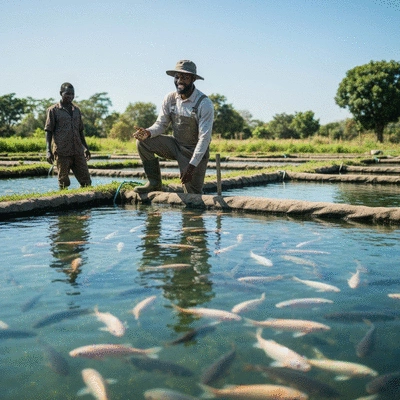
A pond is essentially a shallow excavation filled with water where you stock fish fingerlings, provide supplementary feed, and manage water quality until harvest time arrives.
Earthen Pond Systems
Earthen ponds are the most common type of fish farming infrastructure in Africa. You'll dig a rectangular or square depression in the ground, typically 1-1.5 metres deep, with sloped sides to prevent collapse.
The soil itself forms the pond walls and bottom, though you may need to line it with clay if your soil is too sandy or porous. A typical small-scale pond might measure 10m × 20m and hold around 200 cubic metres of water, sufficient for producing 1,000-2,000 tilapia or 500-800 catfish per cycle.
In Nigeria, earthen pond farming dominates the catfish industry. A farmer in Ibadan might operate 10-15 ponds, staggering their stocking dates so they can harvest continuously throughout the year.
Each pond goes through a cycle: drain and dry the pond, treat the soil with lime to kill parasites and adjust pH, fill with water, stock fingerlings, feed daily for 4-6 months, then harvest and start again. This systematic approach allows for consistent production whilst managing water quality and disease control.
The cost of constructing an earthen pond varies significantly based on soil conditions and labour choices. In Kenya, excavating a 200-square-metre pond might cost 80,000-150,000 Kenyan Shillings depending on whether you use hand labour or machinery.
In Nigeria, similar ponds might cost 300,000-500,000 Naira. Rocky soil dramatically increases costs as excavation becomes more difficult, whilst sandy soil may require lining, adding 100,000+ shillings or naira per pond.
Key Advantages of Earthen Ponds
- Lower initial investment compared to tanks or sophisticated systems
- Natural pond ecology provides supplementary nutrition through algae and microorganisms
- Forgiving of management errors due to larger water volumes
- Scalable - you can start with one pond and expand gradually
- Suitable for multiple species including tilapia, catfish, and carp
Lined Pond Systems
If your soil doesn't hold water well, you may need to line ponds with plastic sheeting or clay. Plastic liners—typically heavy-duty polyethylene or specialised pond liner material—create a waterproof barrier between soil and water. This solution is essential in sandy or porous soils where water would otherwise seep away rapidly.
Plastic liners cost approximately 500-800 shillings or naira per square metre for quality materials, so lining a 200-square-metre pond adds 100,000-160,000 shillings or naira to construction costs. Installation requires care to avoid punctures and ensure proper overlap and sealing at seams. Liners typically last 5-10 years before requiring replacement, so factor this into your long-term planning.
Clay lining is more labour-intensive but potentially more durable. You excavate slightly deeper than your final pond depth, spread a 15-20cm layer of clay, compact it thoroughly using machinery or manual labour, then add a protective layer of soil over the clay before filling. Costs depend on clay availability—if you must transport clay from distant sources, expenses rise quickly.
Concrete and Plastic Tank Systems
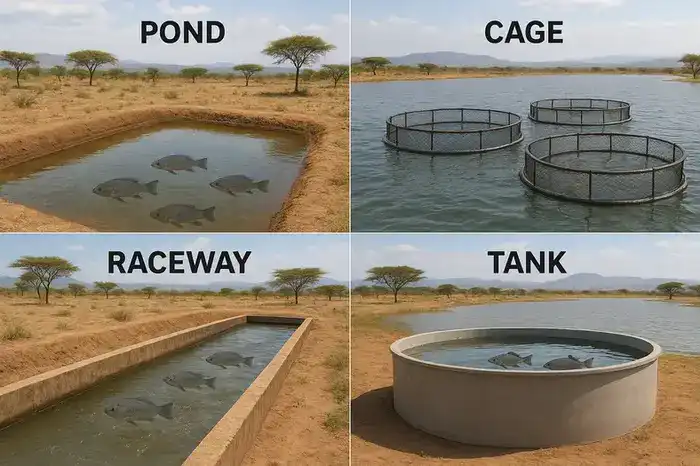
Concrete or plastic tank systems offer more control but require higher initial investment. These are particularly popular in urban or peri-urban areas where land is expensive or soil conditions are poor. You might see rooftop tank farms in Lagos or Nairobi, where entrepreneurs use the space they have available. Tanks allow for higher stocking densities and easier cleaning, but you'll need reliable water sources and must manage waste more carefully since there's no natural soil filtration.
Concrete tanks can be constructed in various shapes—rectangular, circular, or square—with depths of 1-1.5 metres. A 20-square-metre concrete tank might cost 200,000-400,000 Kenyan Shillings or 800,000-1,500,000 Naira including materials, labour, plumbing, and drainage. Circular tanks provide better water circulation and are preferred for intensive culture, but rectangular tanks are simpler to construct and arrange efficiently.
Plastic tanks—large fibreglass or heavy-duty plastic containers—offer portability and faster installation. A 5,000-10,000 litre tank costs 50,000-150,000 shillings or naira depending on quality and supplier. You can begin production quickly with plastic tanks, though they're generally less durable than concrete and may not be cost-effective at larger scales.
The beauty of pond aquaculture is its flexibility. You can start small with a single pond costing perhaps 100,000-200,000 Naira or 50,000-100,000 Kenyan Shillings to construct, then expand as you gain experience and capital. Many successful commercial farmers started with just one or two ponds and gradually built their operations over several years. For guidance on the business planning aspects of your venture, explore our article on crafting a fish farming plan.
Tank and Recirculating Aquaculture Systems (RAS)
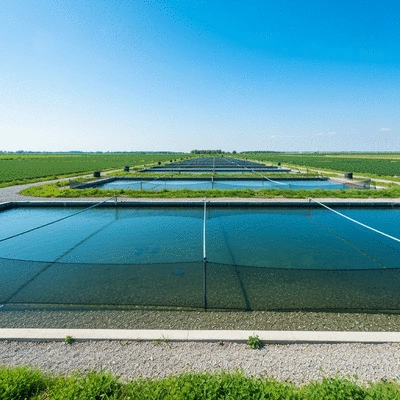
Recirculating Aquaculture Systems, known as RAS, represent the high-tech end of fish farming. In these systems, you grow fish in tanks where the same water is continuously recycled through mechanical and biological filters that remove waste and replenish oxygen. Rather than constantly releasing used water and drawing in fresh water, you're operating a closed-loop system where you might replace only 5-10% of the water daily.
Understanding RAS Technology
RAS technology is particularly valuable where water is scarce or expensive, where you need strict biosecurity control, or where you want to farm in locations far from natural water bodies.
South Africa has several commercial RAS operations producing tilapia and ornamental fish for both local and export markets. These facilities might be located in industrial areas or converted warehouses, looking more like high-tech factories than traditional farms.
The core components of a RAS include fish rearing tanks, mechanical filters that remove solid waste, biological filters where beneficial bacteria break down toxic ammonia into less harmful compounds, oxygen injection systems, and UV sterilisers or ozone systems for disease control.
You'll monitor water parameters constantly—temperature, pH, dissolved oxygen, ammonia, nitrite, and nitrate levels—making adjustments to keep everything in optimal range.
Advantages and Challenges of RAS
The advantages of RAS are significant. You can achieve very high stocking densities—potentially 50-100kg of fish per cubic metre of water compared to 1-5kg in ponds. You have complete environmental control, allowing year-round production regardless of weather. Biosecurity is excellent since you control what enters your system, reducing disease risk. Water consumption is minimal, and you can capture and process waste for use as fertiliser.
However, RAS requires substantial capital investment—often 10-20 times more than equivalent pond capacity. You need reliable electricity, technical expertise to maintain equipment, and backup systems for critical components like pumps and aerators. A power failure lasting just a few hours can kill your entire stock if oxygen levels drop. For these reasons, RAS is generally only viable for commercial operations with secure financing and technical support, though smaller-scale systems are becoming more accessible.
Important Consideration
RAS systems demand technical knowledge and reliable infrastructure. Before investing in RAS, ensure you have access to consistent electricity, technical training, and adequate capital for both setup and ongoing maintenance. Many successful RAS operators started with simpler pond systems to gain aquaculture experience first.
Cage Aquaculture in Natural Water Bodies
Cage farming represents an ingenious way to utilise existing water bodies—lakes, rivers, or coastal areas—without needing to excavate ponds or build tanks. You suspend large net cages in the water, stock them with fish, provide feed, and allow natural water currents to flush away waste and bring in oxygen. It's like creating a floating farm in an existing waterbody.
Cage Farming in African Lakes
Lake Victoria provides Africa's most prominent example of cage aquaculture. In Kenya's Kisumu County, Uganda's Jinja region, and Tanzania's Mwanza area, you'll find hundreds of fish cages dotting the lake's surface. A typical cage might measure 6m × 6m × 6m, holding 15,000-20,000 tilapia. Farmers often group multiple cages together, creating floating platforms where they can walk between cages to feed fish and conduct health checks.
The advantages of cage farming are compelling. You don't need land—just access to a suitable water body and permission to place cages. There's no need to pump water or worry about seepage, as the lake or river provides continuous water exchange. Start-up costs can be lower than pond construction, especially where land is expensive. A single cage setup might cost 300,000-500,000 Kenyan Shillings including the cage structure, anchoring system, and first batch of fingerlings.
Requirements and Regulations for Cage Culture
However, cage farming has specific requirements. You need a water body with good depth (at least 4-6 metres), adequate flow or wave action to prevent oxygen depletion, and freedom from extreme pollution. You must also navigate regulatory requirements—most countries require permits for cage placement to ensure environmental protection and avoid conflicts with other water users like fishermen or boat traffic.
Environmental management is crucial in cage farming. Because fish waste accumulates beneath cages, you can't place too many cages too close together, or you'll create pollution hotspots. Responsible cage farmers monitor water quality regularly, maintain appropriate stocking densities, and rotate cage locations if possible to allow recovery areas to regenerate. Understanding these regulatory and permit requirements is essential before starting cage operations.
Integrated Multi-Trophic Aquaculture (IMTA)
Integrated Multi-Trophic Aquaculture, or IMTA, represents one of the most environmentally sophisticated approaches to fish farming. Instead of farming just one species, you combine several species from different trophic levels to create a balanced ecosystem where the waste from one becomes food for another.
How IMTA Systems Work
In a typical IMTA system, you might farm fish (like tilapia or catfish) as your primary species. The fish produce waste—uneaten feed and excrement—which contains nutrients. Rather than letting these nutrients pollute the water, you introduce filter-feeding organisms like mussels or oysters that consume fine organic particles, and seaweed or aquatic plants that absorb dissolved nutrients. You've essentially created a miniature ecosystem that recycles its own waste.
Whilst IMTA systems are more common in Asia, African farmers are beginning to adopt the concept, particularly in coastal areas. In Mozambique, some innovative farmers combine fish cages with seaweed cultivation, using the nutrient-rich water around fish cages to fertilise seaweed growth. The seaweed can then be harvested for food, animal feed, or processing into useful products, creating an additional income stream.
Land-Based Integration Systems
Integrated farming can also work on land. You might combine fish ponds with vegetable gardening, using nutrient-rich pond water to irrigate crops. Some farmers in Kenya integrate fish farming with poultry, positioning chicken coops over fish ponds so that chicken manure falls into the water, providing natural fertilisation that promotes phytoplankton growth—a food source for tilapia. This integration reduces feed costs whilst making productive use of what would otherwise be waste.
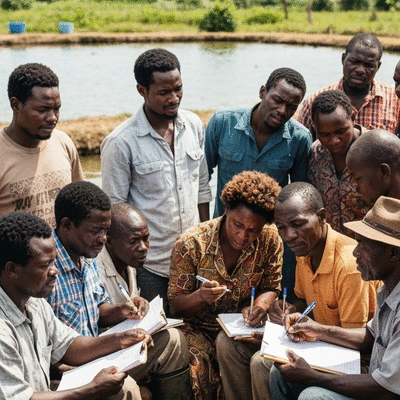
Implementing IMTA requires more knowledge and management skill than single-species farming. You need to understand the biology and requirements of multiple species, balance their stocking ratios, and monitor water quality parameters that affect all organisms in your system. However, when done correctly, IMTA can increase overall productivity, reduce environmental impact, and improve economic returns through diversified outputs.
Marine and Coastal Aquaculture Systems
Marine aquaculture, whilst less common than freshwater farming in most of Africa, plays an important role in coastal regions. This system involves farming species that require saltwater or brackish conditions, such as shrimp, prawns, oysters, and certain fish species like sea bass or bream.
Marine Farming in Southern Africa
South Africa's Western Cape region exemplifies successful marine aquaculture. Along the coast near Saldanha Bay, you'll find farms cultivating mussels on long-line systems—ropes suspended in the water where mussels attach and grow. These operations can produce 1,000-2,000 tonnes annually with relatively low environmental impact. Similarly, abalone farms in the region use land-based tanks with pumped seawater, producing high-value products for export markets, particularly to Asia where abalone fetches premium prices.
Coastal Shrimp Farming
In East Africa, particularly along Tanzania's and Mozambique's coastlines, shrimp farming has developed in brackish water ponds near mangrove areas. These systems typically involve excavating ponds in coastal zones, filling them with a mix of fresh and saltwater, and stocking with tiger prawns or vannamei shrimp. A well-managed shrimp pond might produce 2-4 tonnes per hectare per crop, with 2-3 crops possible annually.
Marine aquaculture requires different expertise than freshwater farming. You'll need to understand tidal patterns, salinity management, and the specific requirements of marine species. The equipment—pumps, aerators, and filtration systems—must resist saltwater corrosion, adding to costs. However, if you're located near the coast and have access to clean seawater, marine farming can be highly profitable, especially for export-oriented species.
How to Choose the Right System for Your Needs
Selecting the appropriate fish farming system requires careful consideration of multiple factors. Your decision should be based on your specific circumstances, resources, and objectives rather than simply copying what others are doing.
Key Selection Criteria
| Factor | Ponds | RAS/Tanks | Cages |
|---|---|---|---|
| Initial Investment | Low to Moderate | High to Very High | Moderate |
| Water Requirements | Moderate to High | Very Low | None (uses lake/river) |
| Technical Skill Needed | Basic to Moderate | High | Moderate |
| Land Requirements | Significant | Minimal | None |
| Best for Beginners | Yes | No | With guidance |
| Stocking Density | 1-5 kg/m³ | 50-100 kg/m³ | 10-30 kg/m³ |
Practical Decision-Making Guidelines
Choose earthen ponds if you have suitable land with good water-holding soil, adequate space, sufficient water supply, and you're starting with limited capital. Ponds are ideal for beginners and extensive to moderate-intensity production. They're forgiving of management errors and allow you to learn the fundamentals of fish farming without overwhelming technical demands.
Consider RAS or tank systems if you're located in urban areas with limited land, have access to reliable electricity and technical expertise, can afford higher initial investment, or need strict biosecurity control. These systems work well for intensive production and situations where water scarcity makes pond farming impractical. Before committing to RAS, compare the advantages with traditional approaches in our guide to RAS vs ponds.
Explore cage farming if you have access to suitable water bodies (lakes, rivers, coastal areas), can obtain necessary permits and permissions, don't have land available for ponds, and understand the environmental management requirements. Cage farming can be profitable but requires navigating regulatory frameworks and environmental considerations.
Consider integrated systems if you're interested in maximising resource efficiency, have knowledge of multiple species, can manage more complex systems, and want to diversify income streams. IMTA requires more sophisticated management but offers environmental benefits and potentially higher overall productivity.
Key Decision Factors to Consider
When choosing your fish farming system, carefully evaluate:
- Available Capital: Match your system choice to your realistic budget, including both setup and ongoing operational costs.
- Water Access: Assess your water source reliability, quality, and quantity before committing to any system.
- Technical Capacity: Be honest about your technical skills and access to training or expert support.
- Market Proximity: Consider how distance to markets affects your system choice and species selection.
- Regulatory Environment: Understand permit requirements and environmental regulations for your chosen system.
- Long-term Goals: Select a system that aligns with your production scale ambitions and growth plans.
Getting Started With Your Chosen System
Once you've selected your fish farming system, the next steps involve detailed planning, site preparation, and careful implementation. Each system has specific setup requirements, but all successful fish farms share common principles: thorough preparation, realistic budgeting, proper training, and commitment to continuous learning.
Start conservatively with your initial setup. Build fewer ponds or tanks than you think you ultimately want, allowing you to perfect your management before expanding. Many successful commercial farmers started with just one or two ponds and gradually built their operations over several years. This approach lets you learn the practical realities of fish farming without overwhelming financial risk.
Seek out training opportunities before you start. Visit operating fish farms in your region, observing different systems and talking with experienced farmers about their choices and experiences. Many farmers are surprisingly generous with advice when approached respectfully. Connect with local farmer associations or cooperatives that can provide peer support, market access, and collective bargaining power for inputs.
Document everything carefully from the beginning. Keep detailed records of costs, stocking rates, feed quantities, water quality measurements, growth rates, and harvest yields. Your records from the first cycle become invaluable reference material for improving subsequent cycles. This data-driven approach helps you identify what works, spot problems early, and make informed decisions about your operation.
Understanding your market is just as important as mastering production techniques. Before you invest heavily in infrastructure, conduct thorough market research to understand local demand, pricing, and buyer preferences. The most productive farm in the world won't succeed if you can't sell your fish profitably.
Remember that fish farming offers genuine opportunities for income generation and food production across Africa. The sector is growing rapidly, driven by increasing demand for fish protein and recognition of aquaculture's potential. Your well-planned and properly executed fish farm can capture a share of this growing market whilst contributing to food security in your community. Take the time to choose the right system, set it up correctly, and commit to continuous improvement, and you position yourself for success in this promising field.
Frequently Asked Questions About Fish Farming Systems
Which fish farming system is best for beginners in Africa?
Earthen ponds are generally the best choice for beginners. They require lower initial investment (80,000-150,000 KSh or 300,000-500,000 NGN for a 200m² pond), are forgiving of management errors, benefit from natural pond ecology, and allow you to learn fundamental fish farming skills without overwhelming technical demands. Start with one or two ponds to gain experience before expanding.
What are the main advantages of RAS over traditional pond systems?
RAS offers several advantages: very high stocking densities (50-100kg/m³ vs 1-5kg/m³ in ponds), complete environmental control for year-round production, excellent biosecurity, minimal water consumption, and ability to farm in locations without natural water bodies. However, RAS requires 10-20 times more capital investment than ponds and demands reliable electricity, technical expertise, and backup systems.
Can I do cage farming in any lake or river?
No, cage farming has specific requirements. You need a water body with good depth (at least 4-6 metres), adequate flow or wave action to prevent oxygen depletion, freedom from extreme pollution, and most importantly, proper permits and regulatory approval. Most African countries require permits for cage placement to ensure environmental protection and avoid conflicts with other water users like fishermen or boat traffic.
What is integrated multi-trophic aquaculture and why should I consider it?
IMTA combines multiple species from different trophic levels where waste from one species becomes food for another. For example, you might farm fish whose waste feeds filter-feeding organisms like mussels, plus seaweed that absorbs dissolved nutrients. This creates a balanced ecosystem that recycles waste, increases overall productivity, reduces environmental impact, and provides diversified income streams. However, IMTA requires more knowledge and management skill than single-species farming.
How much does it cost to set up different fish farming systems?
Costs vary significantly by system type. A 200m² earthen pond costs 80,000-150,000 KSh or 300,000-500,000 NGN (more with lining). A 20m² concrete tank costs 200,000-400,000 KSh or 800,000-1,500,000 NGN. A single cage setup costs approximately 300,000-500,000 KSh including structure and anchoring. RAS systems cost 10-20 times more than equivalent pond capacity. These are base infrastructure costs—you'll also need to budget for fingerlings, feed, labour, and ongoing operations.
Should I line my pond or use natural earthen construction?
This depends entirely on your soil type. If you have clay or loamy soil that holds water well, natural earthen construction is sufficient and more economical. If you have sandy or porous soil where water seeps away, you'll need lining—either plastic sheeting (500-800 shillings/naira per m²) or clay lining. Conduct a simple water retention test: dig a small test pit, fill with water, and observe how quickly it drains. Soil that loses more than 5cm of water depth per day likely needs lining.

Yomi Adisa
Yomi Adisa is the lead researcher at Fish Farming Business, where he studies what makes aquaculture ventures profitable across Africa. His research focuses on market patterns, buyer preferences, and the business decisions that determine success or failure in fish farming.