
Understanding Fish Farming: What You Need to Know About Aquaculture
Posted on: 2025-10-18
By: Yomi Adisa
Fish farming, also known as aquaculture, is the practice of raising fish in controlled environments rather than harvesting them from the wild.
If you're exploring this field, you'll find it's a fascinating blend of biology, business, and environmental stewardship that has been practised for thousands of years and continues to evolve today.
Table of Contents
This guide will take you through the fundamentals of fish farming, from basic definitions to the different systems used across Africa. You'll learn about popular species, understand why fish farming matters for food security, and discover what it takes to succeed in this growing industry.
Whether you're considering starting your own fish farm or simply want to understand how aquaculture contributes to Africa's food systems, this article provides the foundational knowledge you need. To build a strong foundation for your venture, consider crafting a comprehensive fish farming plan from the outset.
What You Will Learn
- The fundamental definition of fish farming and how it differs from traditional fisheries
- An overview of the main fish farming systems used across Africa
- Popular fish species for African aquaculture and why they're chosen
- The economic, nutritional, and environmental benefits of fish farming
- Key factors that contribute to successful fish farming operations
- Practical next steps for getting started in aquaculture
What Is Fish Farming?
Understanding the Basics of Aquaculture
Fish farming, technically known as aquaculture, is the controlled cultivation of aquatic organisms—primarily fish—in managed environments for commercial or subsistence purposes. Unlike traditional fisheries where you harvest fish from their natural habitats in oceans, rivers, or lakes, fish farming gives you complete control over the growing environment, from water quality to feeding schedules.
The practice encompasses a wide range of activities and scales. You might operate a small earthen pond in rural Kenya producing a few hundred kilograms of tilapia annually, or manage a sophisticated commercial operation in South Africa with multiple tanks producing several tonnes each month. Both are fish farming, just at different scales and using different methods.
What makes aquaculture distinct is this element of control and intervention. You're not simply catching what nature provides; you're actively managing every aspect of the fish's life cycle—from breeding and hatching to feeding, health management, and eventual harvesting. This level of management allows you to optimise growth rates, ensure consistent quality, and produce fish year-round regardless of natural breeding cycles.
A Brief History in Africa
Fish farming isn't a modern invention. Archaeological evidence suggests that ancient civilisations practised forms of aquaculture thousands of years ago. In Africa, communities around Lake Victoria and the Nile Delta have practised various forms of aquaculture for centuries, adapting their techniques to local conditions and available species.
The modern era of fish farming in Africa began in earnest during the mid-20th century, when governments and international organisations introduced more scientific approaches to aquaculture. Countries like Nigeria, Ghana, and Kenya established research centres and training programmes, helping farmers adopt improved techniques. Today, African aquaculture combines traditional knowledge with modern technology, creating systems uniquely suited to local conditions and market demands.
How Fish Farming Differs from Wild Fisheries
It's crucial to understand the distinction between aquaculture (fish farming) and fisheries (wild fish harvesting). In fisheries, you're essentially hunting—you go out with boats and nets to catch fish from their natural environment. Your success depends on fish populations that you don't directly control, influenced by factors like weather, water temperature, and competition from other fishers.
Aquaculture, conversely, operates more like traditional agriculture. Just as a maize farmer plants seeds, nurtures crops, and harvests at the optimal time, you as a fish farmer stock fingerlings, provide feed and care, and harvest when your fish reach market size. This predictability is one of aquaculture's greatest advantages. For instance, a tilapia farmer in Uganda can reliably plan to harvest every six months, knowing approximately how much fish they'll produce and when it will be ready for market.
This distinction has important implications for sustainability. Wild fisheries face challenges from overfishing—the United Nations Food and Agriculture Organization estimates that over 30% of global fish stocks are overfished.
Fish farming (aquaculture) offers an alternative that can reduce pressure on wild populations whilst still meeting the growing demand for fish protein. In Africa, where fish consumption is rising alongside population growth, aquaculture increasingly fills the gap that wild fisheries cannot sustainably supply.
Overview of Fish Farming Systems
Fish farming in Africa employs several distinct systems, each with its own advantages, requirements, and suitability for different contexts. Understanding these systems helps you determine which approach might work best for your situation and resources.
Pond-Based Systems
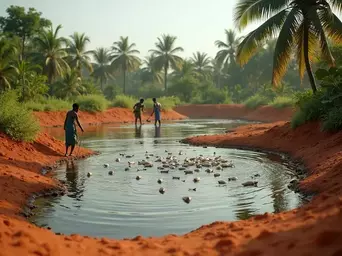
Pond-based farming is the most accessible and widely practised form of aquaculture across Africa. Earthen ponds—essentially shallow excavations filled with water—allow you to stock fish fingerlings, provide supplementary feed, and manage water quality until harvest time. A typical small-scale pond might measure 10 metres by 20 metres and hold around 200 cubic metres of water, sufficient for producing 1,000-2,000 tilapia or 500-800 catfish per cycle.
In Nigeria, earthen pond farming dominates the catfish industry. Farmers might operate 10-15 ponds, staggering their stocking dates so they can harvest continuously throughout the year. Concrete or plastic tank systems offer more control but require higher initial investment, making them popular in urban areas where land is expensive or soil conditions are poor.
Cage Aquaculture
Cage farming represents an ingenious way to utilise existing water bodies—lakes, rivers, or coastal areas—without needing to excavate ponds or build tanks. You suspend large net cages in the water, stock them with fish, and allow natural water currents to flush away waste and bring in oxygen.
Lake Victoria provides Africa's most prominent example of cage aquaculture. In Kenya's Kisumu County, Uganda's Jinja region, and Tanzania's Mwanza area, you'll find hundreds of fish cages dotting the lake's surface. A typical cage might measure 6 metres by 6 metres by 6 metres, holding 15,000-20,000 tilapia. The advantages are compelling—you don't need land, and there's no need to pump water or worry about seepage.
Recirculating Systems and Advanced Methods
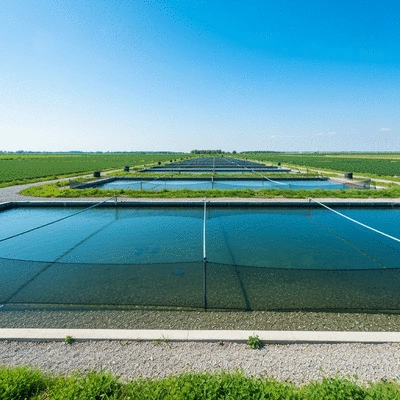
Recirculating Aquaculture Systems (RAS) represent the high-tech end of fish farming. In these systems, you grow fish in tanks where the same water is continuously recycled through mechanical and biological filters. South Africa has several commercial RAS operations producing tilapia and other species for both local and export markets.
Integrated Multi-Trophic Aquaculture (IMTA) takes a different approach, combining several species from different levels of the food chain. Instead of farming just one species, you create a balanced ecosystem where the waste from one becomes food for another. Whilst more complex to manage, IMTA systems can increase overall productivity whilst reducing environmental impact.
Learn More About Systems
Each fish farming system has specific requirements, costs, and management needs. To explore these systems in depth and determine which is right for your situation, read our comprehensive guide on Types of Fish Farming Systems You Can Use (coming soon).
Popular Fish Species in Africa
The success of your fish farming venture depends significantly on choosing the right species for your environment, market, and management capabilities. Across Africa, several species have proven particularly successful for aquaculture.
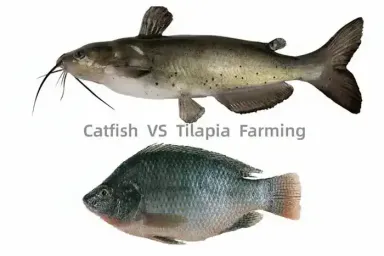
Tilapia: East Africa's Staple
Tilapia, particularly Nile tilapia (Oreochromis niloticus), is arguably the most important aquaculture species in East and Southern Africa. The species' popularity stems from its remarkable adaptability, rapid growth, and acceptance in local markets. Nile tilapia thrives in warm water—ideally 25-30°C—making it perfect for tropical and subtropical African climates.
The species tolerates a wide range of water quality conditions and can reach market size (300-500g) in just 5-6 months under good management. In Kenya's warmer regions, farmers regularly achieve growth rates of 2-3 grammes per day. Tilapia's omnivorous feeding habits also work in your favour—they accept various feeds from formulated pellets to agricultural by-products, helping reduce costs.
Catfish: West Africa's Commercial Champion
African catfish (Clarias gariepinus) dominates aquaculture in Nigeria, Ghana, and other West African countries. The species possesses characteristics that make it ideal for commercial farming, particularly its tolerance of high stocking densities and ability to breathe atmospheric air using an accessory breathing organ.
This adaptation allows catfish to survive in water with lower oxygen levels than most fish, enabling you to stock more fish in your ponds or tanks. Commercial catfish farmers in Nigeria routinely stock 50-100 fish per square metre. Growth is rapid when you provide adequate high-protein feed—starting with 10-15g fingerlings, you can harvest 800g-1kg fish in just 4-5 months.
Other Important Species
Beyond tilapia and catfish, several other species play important roles in African aquaculture. Nile perch, one of Africa's largest freshwater fish, is farmed in cage systems in Lake Victoria and other large water bodies. Ornamental fish farming—species like goldfish and koi—provides niche opportunities near urban centres. In Southern Africa, trout farming serves specialised markets where cold water conditions exist.
Choosing Your Species
Species selection involves considering your climate, water resources, market demand, and management capabilities. For detailed guidance on choosing the right fish species for your farm, including specific requirements and market considerations, explore our article on Selecting Fish Species for Aquaculture.
Why Fish Farming Matters
Fish farming plays a crucial role in Africa's development, contributing to food security, economic growth, and environmental sustainability when practised responsibly. Understanding these benefits helps appreciate aquaculture's significance beyond mere fish production.
Economic Contributions
Fish farming provides income opportunities across a wide spectrum—from supplementary earnings for smallholder farmers to primary livelihood for commercial operators. A rural Kenyan family maintaining two 200-square-metre tilapia ponds might harvest 1,200-1,500kg annually, generating 300,000-525,000 Kenyan Shillings yearly—substantial supplementary income in rural contexts.
Medium-scale commercial operations represent a different economic proposition. A Nigerian catfish farmer operating 15 concrete tanks might harvest 75,000-90,000kg annually, generating gross revenue of 67.5-99 million Naira. Beyond direct farming income, aquaculture creates employment throughout the value chain—hatcheries, feed mills, fish processing, trading, and equipment supply all generate jobs serving the sector.
Nutritional Value and Food Security
Fish provides exceptional nutritional value, particularly in African contexts where animal protein sources may be limited or expensive. Protein content in fish typically ranges from 18-25% by weight, providing high-quality protein containing all essential amino acids humans need. Fish also provides omega-3 fatty acids, vitamin D, B vitamins, and minerals like iron and zinc.
Affordability and accessibility make farmed fish particularly valuable for food security. In Nigerian markets, fresh catfish at 900-1,100 Naira per kilogram competes favourably with chicken, beef, or imported frozen fish. For urban consumers on limited budgets, locally farmed fish represents accessible quality protein. Expanding domestic aquaculture also reduces import dependence, keeping foreign exchange within countries and reducing vulnerability to global price fluctuations.
Environmental Sustainability
When practised responsibly, fish farming can support environmental sustainability rather than harming it. Reducing pressure on wild fish stocks is perhaps aquaculture's most significant environmental contribution. Global marine fisheries are largely fully exploited or overexploited, with many African fisheries facing similar pressures.
Farmed fish provides an alternative that can reduce fishing pressure. Every kilogram of farmed tilapia consumed is potentially one kilogram less wild fish harvested. Fish are also cold-blooded, meaning they don't expend energy maintaining body temperature. This translates to excellent feed conversion efficiency—producing 1kg of fish requires 1.2-2kg of feed, compared to 6-8kg for pork or 10-15kg for beef.
| Benefit Category | Key Contributions |
|---|---|
| Economic | Income generation, job creation, reduced imports, rural development |
| Nutritional | High-quality protein, omega-3 fatty acids, essential vitamins and minerals |
| Food Security | Reliable protein supply, affordability, accessibility in rural and urban areas |
| Environmental | Reduced pressure on wild stocks, efficient resource use, climate adaptation potential |
| Social | Youth employment, women's empowerment, community development |
Key Factors for Successful Fish Farming
Success in fish farming depends on mastering several interconnected factors. Whilst detailed management requires extensive knowledge, understanding the key elements helps you appreciate what's involved in running a productive fish farm.
Water Quality Management
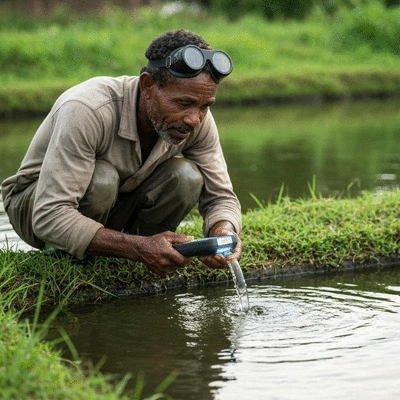
Water quality management is perhaps the single most critical skill you'll need to master. Fish literally live in their environment—they can't escape poor conditions. Temperature, dissolved oxygen, pH, and ammonia levels all profoundly influence fish health and growth. You need to understand how to monitor these parameters and make adjustments to maintain optimal conditions for your fish species.
Feeding and Nutrition
Feed represents your largest operating expense—typically 60-70% of total costs. Understanding fish nutrition and implementing effective feeding strategies directly impacts your profitability. Different species have different nutritional requirements, and you need to provide appropriate feeds at correct rates and frequencies. Overfeeding wastes money and pollutes water, whilst underfeeding slows growth and reduces returns.
Health Management and Disease Prevention
Disease represents one of the most serious threats to fish farming profitability. A single outbreak can kill thousands of fish within days. Understanding common diseases and implementing preventative measures—biosecurity, proper nutrition, stress minimisation—is far more effective and economical than treating established outbreaks. Regular observation of fish behaviour and feeding response helps you detect problems early.
Business Management
Beyond biological factors, business management determines whether your farming success translates into economic viability. This includes record keeping, cost control, market development, and financial planning. Many farmers produce fish successfully but struggle with profitability due to poor business practices. Understanding legal compliance requirements is also essential for sustainable operations.
Essential Success Factors
- Water Quality: Monitoring and maintaining optimal temperature, dissolved oxygen, pH, and ammonia levels
- Nutrition: Providing species-appropriate feeds at correct rates and maintaining proper feeding schedules
- Stocking Density: Avoiding overcrowding whilst maximising productive use of your facilities
- Disease Prevention: Implementing biosecurity measures and monitoring fish health continuously
- Species Selection: Choosing fish suited to your climate, water resources, and market opportunities
- Business Planning: Maintaining records, controlling costs, and developing reliable markets
Getting Started with Fish Farming
Starting a fish farm requires careful planning before you excavate your first pond or purchase fingerlings. Taking time to plan thoroughly significantly improves your chances of success and helps you avoid costly mistakes that derail many beginning farmers.
Planning Your Venture
Your first decision involves choosing what species to farm based on local market preferences, climatic suitability, your available resources, and your personal interests. Site selection is equally critical—you need adequate, reliable water, suitable soil conditions, appropriate topography, and accessibility to markets and inputs. Security considerations and regulatory requirements also influence site viability.
Developing a business plan helps you think through the business logic. What will establishment cost? What are ongoing expenses? How much fish will you produce and at what price? What's your timeline to first revenue, and how will you finance operations until then? Working through these questions with realistic numbers helps you determine whether the venture makes financial sense.
Education and Training
Securing appropriate training and knowledge is crucial before you begin. Fish farming requires understanding water chemistry, fish biology, nutrition, disease recognition, and business management. Seek training from government extension services, aquaculture training centres, or experienced farmers. Many African countries offer short courses covering basic aquaculture—modest investments that can prevent mistakes costing far more.
Starting Small
Starting with 1-3 ponds allows you to learn whilst stakes are lower. You'll make mistakes—everyone does—but small-scale mistakes are affordable learning experiences rather than business-ending disasters. After 1-2 successful production cycles, you'll understand your market, have refined your techniques, and can expand confidently with earned knowledge. Understanding opportunities in African fish farming helps you identify where your venture fits in the growing sector.
Resources and Support
You don't have to navigate fish farming alone. Government fisheries departments provide extension services, training, and sometimes subsidised inputs. Private sector suppliers often provide technical support to customers. Farmer associations offer peer support and collective bargaining power. Online resources, whilst requiring careful evaluation, supplement formal learning and provide forums for ongoing problem-solving.
Frequently Asked Questions
What is the primary difference between fish farming and wild fisheries?
Fish farming involves raising fish in controlled environments such as ponds, tanks, or cages where you actively manage feeding, water quality, stocking density, and health care throughout the production cycle. Wild fisheries harvest fish from their natural habitats where populations, growth, and reproduction occur naturally without human intervention. The key distinction is control—fish farmers manage their stock like agricultural crops with predictable production cycles, whilst fishers harvest wild populations whose numbers and locations they cannot directly control, making aquaculture more predictable and sustainable.
How does fish farming contribute to food security in Africa?
Fish farming enhances African food security by providing reliable, locally produced protein that's often more affordable than imported fish or other animal proteins, improving nutritional access for rural and urban populations. It reduces dependence on wild fish stocks facing overfishing pressure, ensuring protein availability even as natural fisheries decline. In landlocked or rural areas distant from major water bodies, aquaculture provides fresh fish that might otherwise be unavailable or prohibitively expensive. The practice also creates income opportunities across value chains, allowing families to purchase diverse foods and improving overall dietary quality, particularly important for children and vulnerable populations who benefit from fish's high-quality protein, omega-3 fatty acids, and essential micronutrients.
Which fish species are best for beginners in African aquaculture?
For beginning farmers in Africa, Nile tilapia and African catfish stand out as the most forgiving and viable species. Nile tilapia excels in East and Southern Africa where it's culturally accepted, tolerates wide-ranging water quality conditions, accepts various feeds including agricultural by-products, and grows to market size in 5-6 months with strong local demand. African catfish dominates West African aquaculture, particularly Nigeria and Ghana, with its ability to breathe atmospheric air allowing higher stocking densities, rapid growth reaching 800g-1kg in 4-5 months, and consistent market demand. Both species benefit from established production knowledge, commercially available fingerlings, and proven markets, making them safer choices than exotic or uncommon species that lack support systems and market acceptance necessary for beginners learning aquaculture fundamentals.
What are the main costs involved in starting a fish farm?
Starting a fish farm involves both initial establishment costs and ongoing operational expenses. Initial costs include land preparation or pond excavation (150,000-250,000 Kenyan Shillings for a single 200-square-metre earthen pond), water supply infrastructure, and basic equipment like nets and buckets. Ongoing operational costs include fingerlings (10,000-20,000 Shillings for 2,000 tilapia fingerlings), feed representing 60-70% of operating expenses (potentially 100,000-150,000 Shillings over a 6-month growing cycle), water and electricity for pumping or aeration where needed, and labour if you hire workers. Working capital requirements are significant—you'll spend 3-6 months purchasing fingerlings and feed before receiving any revenue from harvest, requiring either savings or credit to carry operations through to the first harvest.
How long does it take to harvest fish after stocking?
Harvest timing varies significantly by species, stocking size, feeding regime, and water conditions. Tilapia typically reach market size (300-500g) in 5-6 months from fingerling stocking under good management with proper feeding, though this can extend to 8-9 months in cooler highland areas or with suboptimal conditions. African catfish grow faster, reaching 800g-1kg in just 4-5 months with intensive feeding, with some farmers achieving harvest in 3.5-4 months using premium feeds and optimal conditions. Nile perch require longer growing periods of 12-18 months to reach market size of 2-5kg. Environmental factors like water temperature significantly influence growth rates—fish grow faster in warmer water within their optimal range, whilst cooler temperatures slow metabolism and growth, affecting your production cycle and planning.
Looking Forward
Fish farming in Africa stands at an exciting threshold with enormous growth potential. The continent currently produces only 2-3% of global aquaculture output despite possessing abundant water resources, suitable climates, and growing fish demand. This gap between potential and current production represents significant opportunity for expansion.
Whether you're considering fish farming as supplementary income, a primary livelihood, or a commercial enterprise, you're joining an industry with tremendous growth potential and positive impact. Every kilogram of fish you produce contributes to food security, every person you employ strengthens your local economy, and every sustainable practice you implement protects Africa's environment for future generations.
Success requires patience, persistence, and continuous learning. Your first production cycle might not be profitable—that's normal. But you'll learn, improve, and gradually master the complex art and science of aquaculture. The farmers producing tonnes of fish and earning substantial incomes today started as beginners, willing to learn and adapt.
Start conservatively, build your knowledge systematically, connect with other farmers, and remember that fish farming is more than business—it's feeding people, creating employment, and stewarding aquatic resources for Africa's future.

Yomi Adisa
Yomi Adisa is the lead researcher at Fish Farming Business, where he studies what makes aquaculture ventures profitable across Africa. His research focuses on market patterns, buyer preferences, and the business decisions that determine success or failure in fish farming.