
Positioning Your Fish Farm Product for Success in Local Markets
Posted on: 2025-10-18
By: Kwame Adom
In the vibrant landscape of African aquaculture, positioning your fish farm product effectively can be the key to unlocking local market potential. Yet, many farmers often misjudge their local markets, leading to missed opportunities and stagnant growth. Have you ever wondered why some fish farms thrive while others struggle?
Understanding the nuances of consumer preferences, distribution channels, and brand identity is essential for success. This blog post will explore various strategies to help you better position your fish farming business in local markets. By learning from real stories and experiences, you can avoid common pitfalls and discover actionable insights tailored for your unique context. Let’s delve into the strategies that could transform your approach and enhance your profitability.
What You Will Learn
- How to understand and adapt to local market trends for increased sales.
- The importance of building a strong brand identity to attract customers.
- Effective distribution strategies to enhance product reach.
- Utilisation of digital marketing to connect with a broader audience.
- Methods for implementing sustainable practices that appeal to conscious consumers.
- Insights on learning from competitors to refine your marketing strategies.
Why Most Farmers Misunderstand Their Local Markets
You want to understand that misjudging your local market is one of the quickest paths to failure in fish farming. Many farmers jump into production without considering who will buy their fish and what those buyers actually want. This oversight often leads to wasted resources and unsold stock. Here’s what you need to know about why this matters.
The Surprising Rise of Aquaculture in Your Region
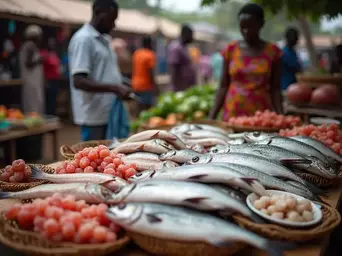
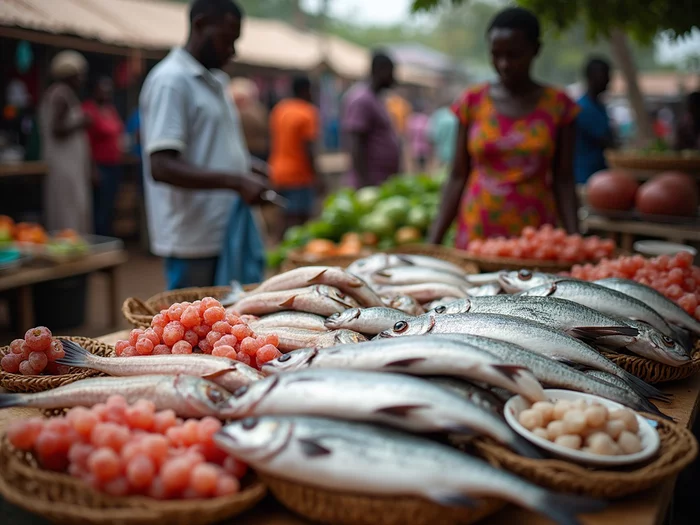
Across Africa, aquaculture is experiencing unexpected growth. For instance, farmers in the Niger Delta are seeing a surge in demand for catfish as urban centres expand. Local markets that once had limited fish options are now bustling with activity, presenting opportunities you might not have anticipated. You need to tap into this trend to ensure you’re producing what the market desires, and a solid fish farming plan is crucial for this.
Consider this: a fish farm in Lagos realised that consumer preferences were shifting towards freshwater fish due to their perceived health benefits. By adapting their production accordingly, they increased their sales by 30% within a year. If you’re not paying attention to these shifts, you risk getting left behind.
The Overlooked Factors That Shape Consumer Preferences
Understanding consumer preferences is crucial. What are buyers in your area looking for? You need to ask yourself:
- What species are most popular in local markets?
- Are there specific sizes or weights buyers prefer?
- What are the price points consumers are willing to pay?
- Do cultural events influence fish purchasing habits?
- How do quality perceptions shape buying decisions?
By answering these questions, you’ll position yourself to meet the market's needs more effectively. A farmer in Kumasi discovered that consumers were willing to pay a premium for sustainably sourced fish, allowing him to charge higher prices and increase his profits significantly. Ignoring these elements could mean missing out on valuable market opportunities.
Key Considerations
- Stay informed about local market trends.
- Engage with consumers to understand their preferences.
- Adapt your production to meet changing demands.
By aligning your fish farming operations with these insights, you can enhance your profitability and avoid significant setbacks. The market is evolving, and your ability to adapt is crucial for success. Ignoring this foundational knowledge could lead to costly mistakes and missed opportunities. Now that you understand the significance of local market dynamics, you want to ensure your fish farming strategy is informed, relevant, and poised for growth.
| Key Points | Details |
|---|---|
| Understanding Local Markets | Recognise consumer preferences and trends to align production with market demand. |
| Brand Identity | Develop a strong brand to stand out and build customer trust. |
| Distribution Channels | Explore diverse channels, including direct sales and e-commerce, to increase reach. |
| Effective Marketing | Utilise digital platforms and engage with the community to boost visibility and sales. |
| Regulatory Awareness | Stay informed about local regulations and infrastructure needs to avoid setbacks. |
| Sustainability Practices | Adopt eco-friendly practices to appeal to environmentally conscious consumers. |
| Competitor Analysis | Learn from competitors to refine strategies and identify market gaps. |
| Continuous Learning | Prioritise ongoing education and adapt strategies based on market feedback. |
The Pitfalls of Choosing the Wrong Distribution Channels
You need to recognise that selecting the wrong distribution channels can be detrimental to your fish farming business. Many farmers rely on traditional methods without exploring alternatives, leading to lost sales and missed opportunities.
When Traditional Channels Fail You
A farmer in Uganda faced this issue when he relied solely on local markets. Sales were inconsistent, and he often had unsold stock at the end of each day. Realising he was missing out on a larger customer base, he switched to selling directly to restaurants and hotels. This move increased his sales by 50% in just three months. You can learn more about effective fish farming techniques to optimise your distribution.
You want to evaluate your current distribution strategy. Consider:
- Are you utilising all potential sales channels?
- Do you have established relationships with local retailers?
- Have you considered direct-to-consumer sales?
How Technology is Reshaping Distribution in Fish Farming
Adopting technology can significantly enhance your distribution strategy. One entrepreneur in Kenya launched an e-commerce platform specifically for fresh seafood. By leveraging social media and online marketing, he reached customers who preferred home delivery, resulting in a 70% increase in orders.
You should explore the following technological avenues:
- Setting up an online store for direct sales.
- Using social media to advertise your products.
- Partnering with delivery services to expand your reach.
Key Information
To optimise your distribution channels, consider these actions:
- Evaluate your existing strategies.
- Explore innovative solutions, such as e-commerce.
- Develop partnerships to enhance reach.
Are You Missing Opportunities with Your Marketing?
Effective marketing is crucial for your fish farm’s success. Many farmers miss opportunities by neglecting modern marketing strategies, leading to lower sales.
The Digital Marketing Mistakes That Cost You Sales
A fish farmer in Ghana ignored social media, assuming it wouldn't bring any customers. After months of poor sales, he realised he was losing out on a vital communication tool. Once he started posting about his fish and sharing recipes, enquiries and orders increased dramatically.
You should assess your marketing strategy by asking:
- Are you using social media effectively?
- Do you have a website to showcase your farm?
- Are you engaging with your audience through newsletters or updates?
Building Community Connections That Lead to Sales
A farmer in South Africa decided to engage with his local community by participating in local festivals and markets. His presence helped build relationships and trust within the community, boosting sales significantly.
You want to consider these community engagement tactics:
- Participating in local events and fairs.
- Collaborating with local chefs or restaurants.
- Hosting tasting events at your farm.
Key Actions
To enhance your marketing effectiveness, keep these points in mind:
- Utilise digital platforms to reach a broader audience.
- Engage actively with your community.
- Monitor and adapt your marketing strategies based on feedback.
What You Need to Know About Policies and Infrastructure
Understanding the regulatory landscape is vital for your fish farming business. Many farmers encounter roadblocks due to a lack of awareness about policies that affect their operations.
The Regulations That Could Hold You Back
A farmer in Nigeria faced difficulties when he expanded his farm without proper permits. The fines and delays in compliance not only cost him money but also affected his market availability. Seeking advice early on could have saved him significant setbacks. You can gain further insight by reading our guide to fish farming permits.
You need to stay informed about:
- Local fishing regulations and permits.
- Health and safety standards for fish sales.
- Environmental regulations that could impact your farming practices.
Infrastructure Challenges That Impact Your Bottom Line
Infrastructure issues can severely affect your operations. A farmer in Kenya struggled with unreliable transportation, causing delays in deliveries. He invested in a local vehicle to ensure timely distribution, which improved customer satisfaction and repeat orders.
Consider these infrastructure aspects:
- Assessing local transport options for transporting fish.
- Identifying storage needs to maintain fish quality.
- Exploring partnerships with logistics companies.
Key Takeaways
To navigate regulatory and infrastructure challenges, focus on:
- Staying updated on relevant laws.
- Investing in necessary infrastructure improvements.
- Building relationships with local authorities and logistics providers.
Why Sustainability Could Be Your Secret Weapon
Embracing sustainability can set your fish farm apart. Consumers increasingly favour eco-friendly practices, and adopting these can enhance your market appeal.
How Eco-Friendly Practices Attract Conscious Consumers
A fish farm in Tanzania adopted sustainable aquaculture practices, such as using organic feed and reducing water waste. This commitment resonated with environmentally conscious consumers, leading to a marked increase in sales.
You should consider these sustainable practices:
- Implementing eco-friendly feeds and farming methods.
- Minimising waste and energy consumption.
- Educating consumers on your sustainability efforts.
Simple Sustainable Practices You Can Implement
A farmer in Ghana integrated rainwater harvesting to ensure water efficiency. This practice not only reduced costs but also attracted customers who valued sustainability, resulting in a 20% increase in sales.
Evaluate how you can integrate sustainability:
- Start with small changes that reduce your environmental impact.
- Engage with local sustainability initiatives.
- Highlight your practices in marketing materials.
Key Actions
To leverage sustainability for growth, focus on:
- Assessing your current practices to identify areas for improvement.
- Communicating your sustainability efforts to customers.
- Building partnerships with other sustainable businesses.
What You Can Learn from Your Competitors
Understanding your competition is essential for refining your strategy. Many farmers overlook the insights that can be gained from observing rival operations.
The Competitive Analysis You Didn’t Know You Needed
A farmer in South Africa took the time to analyse a nearby competitor who was thriving. By examining their marketing strategies and customer engagement tactics, he implemented similar methods and boosted his sales.
You should conduct your competitive analysis by asking:
- What are your competitors doing successfully?
- How do they engage with customers?
- What pricing strategies are they using?
Adapting and Innovating: How to Stay Ahead of the Game
One farmer in Nigeria saw his competitor’s success with value-added products, such as smoked fish. He adapted this strategy and started offering his own line of smoked fish, which was well received by customers and increased his revenue.
You want to embrace innovation by:
- Identifying gaps in the market that you can fill.
- Experimenting with new products based on competitor insights.
- Gathering customer feedback to refine your offerings.
Key Strategies
To leverage competitive insights, focus on:
- Regularly analysing your competitors’ movements.
- Innovating based on market feedback.
- Engaging with customers to understand their needs better.
The Metrics That Matter Most for Your Success
You should track the right metrics to gauge your fish farm’s success. Many farmers overlook critical data that can inform their decisions.
The Real Reasons Your Marketing Efforts Might Be Failing
A farmer in Kenya noticed declining sales but didn't understand why. After analysing his marketing metrics, he realised his target audience had shifted, leading him to adjust his marketing strategy. This change reversed his sales decline.
Consider tracking these key metrics:
- Sales trends over time.
- Customer demographics and preferences.
- Marketing channel performance.
The Importance of Listening to Market Feedback
A fish farmer in Ghana thrived after implementing a feedback system from customers. By addressing their needs and preferences, he tailored his offerings, which led to an increase in customer satisfaction and loyalty.
You need to engage with your customers by:
- Regularly collecting feedback on your products.
- Adjusting your strategies based on customer input.
- Monitoring your reputation online and offline.
Key Metrics to Track
To ensure your success, focus on these metrics:
- Sales and profitability trends.
- Customer engagement levels.
- Market demand fluctuations.
What the Future Holds for Fish Farming in Africa
You should stay abreast of industry innovations to remain competitive. Fish farming is evolving, and being proactive can set you apart.
Innovations You Haven’t Considered Yet
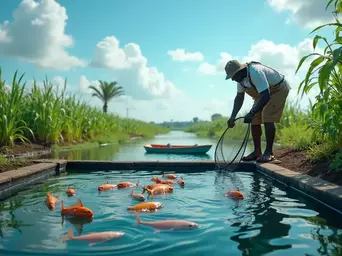
A farmer in West Africa adopted aquaponics, combining fish farming with vegetable cultivation. This innovative approach not only diversified his income stream but also attracted a unique customer base interested in sustainable farming.
Consider these innovations for your farm:
- Exploring integrated farming systems.
- Researching new fish species that may have higher market demand.
- Investing in technology for better monitoring and management.
Predictions You Should Be Prepared For
Market experts predict a shift towards more sustainable practices and the rise of online sales channels. A farmer in Nigeria successfully adapted this trend by launching an online store, which allowed him to reach customers during the pandemic.
You should prepare for potential changes by:
- Staying informed about market trends.
- Being flexible in your operations to adapt quickly.
- Engaging with industry networks for insights.
Future-Proofing Strategies
To navigate future challenges, focus on:
- Investing in innovation.
- Maintaining a flexible business model.
- Continuously engaging with your customer base.
Where Do You Go from Here?
Reflecting on your current positioning strategy is essential for growth. You want to assess where you stand and identify areas for improvement.
Reflecting on Your Current Positioning Strategy
Consider the effectiveness of your current strategies. What’s working well? What isn’t? A farmer in Ghana found value in regularly reviewing his tactics, which led to timely adjustments that improved his market position.
Ask yourself:
- What feedback have you received from customers?
- Are you meeting your sales targets?
- What areas require more focus or resources?
The Journey of Continuous Learning in Fish Farming
One farmer in Nigeria embraced the concept of continuous learning. By attending workshops and networking with other farmers, he discovered new techniques that enhanced his production and profitability.
You should prioritise ongoing education by:
- Attending local training sessions and workshops.
- Connecting with industry experts and peers for insights.
- Staying updated on market research and trends.
Next Steps
To move forward effectively, keep these actions in mind:
- Reflect regularly on your strategies.
- Commit to continuous learning and adaptation.
- Engage with your community for support and insights.
What Happens When You Neglect Your Brand Identity
You want to understand the importance of branding in your fish farming business. Many farmers underestimate how a strong brand can significantly impact sales. Without a clear identity, you risk blending into the background, making it harder for potential customers to choose you over competitors.
The Reputation Game: How Branding Shapes Your Sales
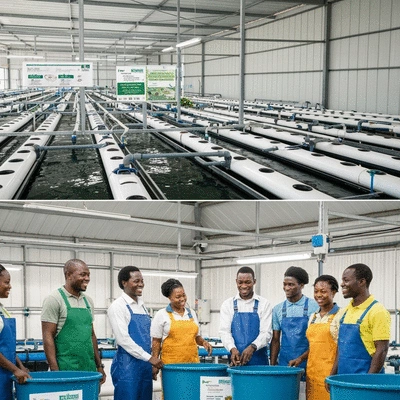
Consider a fish farm in Kumasi that thrived due to a strong branding strategy. This farm invested in creating a unique logo, clear messaging about their sustainable practices, and an engaging social media presence. Customers began to see them not just as another fish seller, but as a trusted source of high-quality fish. In contrast, another farm nearby with no distinct identity struggled to attract customers, often selling at lower prices without success.
Branding goes beyond aesthetics—it's about the perception you create in the minds of buyers. You need to consider:
- What message do you want your brand to convey?
- How does your brand stand out from competitors?
- Are you consistently communicating your brand values?
Discovering Your Unique Selling Proposition (USP)
Your unique selling proposition (USP) is what makes you different. A farmer in Lagos realised their USP was providing fresh, locally sourced tilapia that was free from antibiotics. They marketed this effectively, targeting health-conscious consumers. As a result, they could charge 1,500 naira per kilogram—significantly higher than the standard market price of 1,200 naira.
You should ask yourself what unique aspects of your operation could resonate with your audience. Consider these points:
- What specific needs does your product meet?
- How can you highlight your farming methods?
- What customer feedback indicates a gap in the market?
Key Point
Building a strong brand identity is essential for distinguishing your farm in a crowded market. Here are key actions to take:
- Define your brand values clearly.
- Create visual elements that reflect your farm's identity.
- Engage with customers regularly to build trust.
You must not overlook how branding can be a game-changer in your sales strategy. The farmers who understand this often become the go-to choice in their markets, while others struggle to keep up. In a competitive landscape, your brand can be your most valuable asset.

Frequently Asked Questions
Why is understanding my local market crucial for my fish farm?
Understanding your local market helps you align your fish production with consumer demand and preferences. This prevents wasted resources, ensures you're producing what buyers want, and allows you to set appropriate price points, ultimately driving sales and profitability.
How can I effectively identify consumer preferences in my local African market?
You can identify consumer preferences by asking key questions about popular species, preferred sizes, willingness to pay, and the influence of cultural events. Engaging with buyers directly, observing market trends, and adapting your production accordingly are also vital steps.
What are the common pitfalls of choosing the wrong distribution channels?
Relying solely on traditional, inconsistent distribution methods can lead to unsold stock and missed sales. You might overlook opportunities like direct-to-consumer sales, partnerships with restaurants, or leveraging e-commerce platforms, all of which can significantly expand your reach and improve consistency.
Why should I consider sustainable practices for my fish farm?
Embracing sustainable practices, such as using organic feed and reducing water waste, can attract environmentally conscious consumers who are often willing to pay a premium. This commitment not only benefits the environment but also enhances your brand appeal, differentiates you from competitors, and can lead to increased sales.
How can analysing competitors help my fish farming business?
Analysing competitors allows you to identify successful strategies, understand their customer engagement tactics, and discover their pricing models. By learning from their strengths and identifying market gaps, you can refine your own strategies, innovate with new products, and stay ahead in the competitive landscape.
In conclusion, successfully positioning your fish farm products in local African markets requires a comprehensive understanding of various factors. From recognising shifts in consumer preferences to developing a strong brand identity, the strategies outlined throughout this post can help you navigate the complexities of the market.
Selecting the right distribution channels and embracing technology are equally vital for enhancing your sales potential. Moreover, sustainable practices can set you apart in a growing market that increasingly values eco-friendliness. Engaging with your community and learning from competitors can further strengthen your position.
Now, take a moment to reflect on your current positioning strategy. Are there aspects you could improve or adapt? Consider what steps you can take to ensure your fish farming business not only survives but thrives in this competitive landscape. Your journey of continuous learning in fish farming starts here.

Yomi Adisa Lead Researcher
Yomi Adisa is the lead researcher at Fish Farming Business, where he studies what makes aquaculture ventures profitable across Africa. His research focuses on market patterns, buyer preferences, and the business decisions that determine success or failure in fish farming.