
Essential Disease Prevention and Biosecurity in African Fish Farming

Posted on: 2025-11-06
By: Yomi Adisa
In the world of fish farming, disease outbreaks can spell disaster for your operation. Have you considered how vulnerable your farm might be to these threats? Biosecurity is often overlooked, yet it serves as a critical line of defence against disease that can lead to financial loss and community disruption.
This blog post delves into best practices for disease prevention and biosecurity specifically tailored for African fish farming operations. You'll discover the hidden costs of ignoring these measures and the significant impact they have on both your business and local food security. By understanding the essential protocols and strategies, you can protect your investment and ensure a sustainable future for your farming venture. Let's explore how you can strengthen your biosecurity practices and safeguard your livelihood.
What You Will Learn
- The importance of comprehensive biosecurity measures in preventing disease outbreaks.
- Best practices for managing farm entry protocols to minimise disease risks.
- Effective water quality management techniques for maintaining fish health.
- Strategies for early disease detection and monitoring to protect your stock.
- How collaboration with local farmers can enhance biosecurity efforts.
Why Biosecurity is the Unsung Hero of Aquaculture
You walk into your fish farm one morning and notice something's wrong. The water looks different. Your fish aren't feeding normally. By afternoon, you're watching hundreds of fish floating belly-up, and you realise months of work and investment are disappearing before your eyes. This scenario plays out across African fish farms more often than most farmers want to admit, and it's almost always preventable.
Most farmers focus on feeding schedules, water changes, and growth rates whilst completely overlooking the invisible threats that can destroy their entire operation overnight. Disease outbreaks don't announce themselves with warning signs—they strike fast, spread faster, and leave devastation in their wake. The difference between a thriving farm and a failed one often comes down to biosecurity measures you probably haven't considered yet.
You need to understand that biosecurity isn't just about keeping sick fish out—it's about creating an environment where disease simply cannot take hold. The farmers who grasp this concept early are the ones still operating profitably years later, whilst others are explaining to their families why the farm failed.
What You Might Overlook About Biosecurity
You probably think biosecurity means keeping your ponds clean and buying healthy fingerlings. That's barely scratching the surface. Real biosecurity starts before you even stock your first fish and continues every single day you're in operation. It's about understanding that every person, every tool, every bucket of water, and every new fish represents a potential pathway for disease to enter your system.
Consider what happens when your neighbour visits to see your operation. He walks through his farm, steps in water that might contain pathogens, then walks through yours. His boots, his clothes, even his hands can carry microscopic threats that will devastate your stock within days. You might think this sounds paranoid, but ask any farmer who's lost everything to disease—they'll tell you it's not paranoia, it's reality.
Common Biosecurity Blind Spots
Most farmers miss these critical entry points for disease:
- Shared equipment between farms without proper disinfection
- Wild birds feeding on your fish and carrying pathogens to other water bodies
- Water sources that connect to other farms or natural water bodies
- Feed storage areas that attract rodents and other disease vectors
- Staff moving between different farms without changing clothes or footwear
The most successful farmers treat their operations like sterile environments. They understand that once disease enters their system, it's not just about treating sick fish—it's about preventing total collapse. You need protocols for everything: who enters your farm, how they enter, what they touch, and how equipment moves between different areas of your operation.
How Biosecurity Can Save Your Business
A farmer in Ogun State learned this lesson the expensive way. He'd been operating for two years, producing healthy catfish and building a solid customer base. His neighbour started a new farm and asked to borrow some equipment. Being neighbourly, he agreed. Within a week, both farms were dealing with a bacterial infection that killed 80% of their stock. The borrowed net had carried pathogens between the farms, and neither farmer had proper disinfection protocols.
The financial impact was devastating—over 400,000 naira in losses between them. But the real lesson wasn't about the money. It was about understanding that in aquaculture, your biosecurity is only as strong as your weakest protocol. You can do everything else perfectly, but one contaminated tool or one infected fish can destroy months of careful work.
You need to think of biosecurity as insurance that actually works. Unlike traditional insurance that pays out after disaster strikes, proper biosecurity prevents the disaster entirely. The cost of implementing strong biosecurity measures is minimal compared to the cost of losing your entire stock to preventable disease.
| Biosecurity Investment | Typical Cost | Disease Outbreak Cost |
|---|---|---|
| Footbaths and disinfectants | 15,000 naira annually | 200,000+ naira in lost stock |
| Quarantine facilities | 50,000 naira setup | Complete farm shutdown |
| Staff training programmes | 25,000 naira per year | Months of lost production |
The farmers who understand biosecurity don't just survive disease challenges—they thrive whilst their competitors struggle. They build reputations for consistent, healthy fish that buyers trust. They avoid the boom-and-bust cycle that destroys so many aquaculture operations. Most importantly, they sleep well at night knowing their investment is protected by systems that actually work.
You want to be the farmer who other farmers come to for advice, not the one explaining why your operation failed. That starts with recognising that biosecurity isn't an optional extra—it's the foundation that everything else is built on. Without it, all your knowledge about feeding, water quality, and fish health becomes irrelevant when disease strikes.
| Key Points | Details |
|---|---|
| Importance of Biosecurity | Biosecurity is essential for preventing disease outbreaks and protecting financial investments in fish farming. |
| Common Blind Spots | Farmers often overlook shared equipment, wild birds, and staff movement as critical disease entry points. |
| Core Biosecurity Measures | Implement footbaths, water quality management, early detection protocols, and detailed record-keeping. |
| Financial Implications | Investing in biosecurity is cost-effective compared to the potential losses from disease outbreaks. |
| Community Impact | Biosecurity failures can affect local food security, employment, and economic stability. |
| Continuous Learning | Farmers should engage in training and collaborate with their communities to enhance biosecurity practices. |
What You Need to Know About Core Biosecurity Measures
You need to understand that effective biosecurity measures are your first line of defence against disease outbreaks. By implementing simple yet robust protocols, you can significantly reduce the risk of disease hitting your farm.
The Unexpected Importance of Farm Entry Protocols
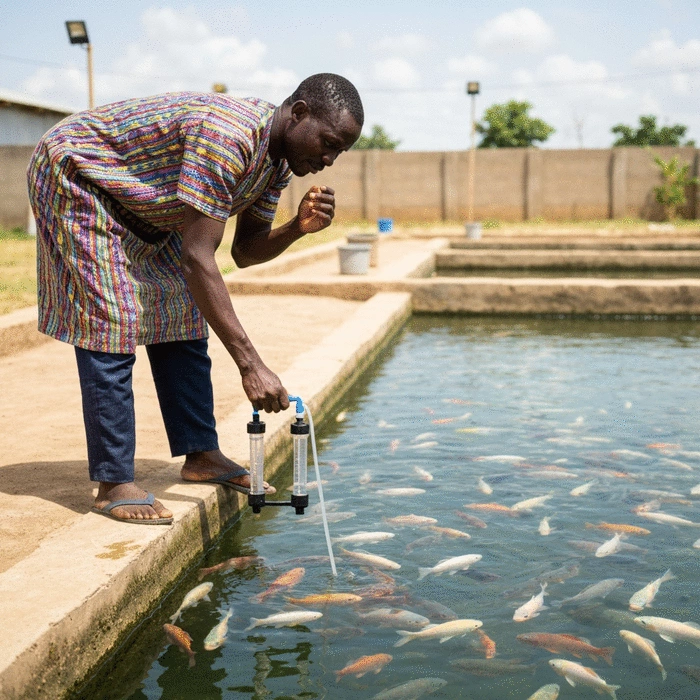
You might underestimate how crucial it is to control who enters your farm. Consider a farmer in Accra who almost lost his stock to a disease outbreak just because he didn't manage visitor access properly. A curious friend came to visit, walked around, and unknowingly transferred pathogens into the farm.
You need to have strict protocols in place for anyone entering your property. This includes footbaths with disinfectants at all entrances, mandatory hand washing before entering fish areas, and clear signage explaining entry protocols. Implementing these measures can prevent disasters before they start.
Why Water Quality Management is Your First Line of Defence
Water quality is essential for healthy fish. Poor water conditions can create an ideal environment for diseases to thrive. A farmer in Kenya learned this the hard way when he neglected to monitor his water pH and ammonia levels. The result? A complete loss of his stock due to a preventable illness.
You should regularly test your water quality, considering pH levels, dissolved oxygen content, and ammonia and nitrite levels. Maintaining optimal water conditions not only keeps your fish healthy but also strengthens your farm's resilience against disease.
The Critical Role of Disease Monitoring and Early Detection
Proactive monitoring can save you from catastrophic losses. A farmer in Ibadan noticed unusual behaviour in his fish early on and implemented routine health checks. His quick action allowed him to treat the issue before it escalated.
You want to establish a routine for regular health checks of your fish, keeping an eye on mortality rates, and reporting any unusual signs to a vet immediately. Early detection can mean the difference between a minor issue and a full-blown outbreak.
What Your Record Keeping Says About Your Farm
Detailed record keeping is more than just paperwork. It's a critical tool for managing fish health. A farmer in Kaduna who meticulously tracked his feeding schedules, breeding cycles, and health records found he could identify trends that helped him prevent future outbreaks.
You need to focus on keeping logs of fish health and treatments, documenting feed types and quantities, and recording water quality tests. Your records are a treasure trove of information that can guide your decisions and improve your farm's biosecurity.
Navigating the Challenges of Biosecurity Implementation
You will face challenges when implementing biosecurity measures, especially as a smallholder farmer. However, overcoming these obstacles can lead to successful operations.
What Smallholder Farmers Face Daily
As a smallholder farmer, you might struggle with limited resources and time. A farmer in Tanzania shared how he found it challenging to maintain strict biosecurity protocols due to a lack of funds for proper equipment.
You need to be aware of common barriers: limited access to disinfectants and equipment, lack of training on biosecurity measures, and time constraints due to daily farm tasks. Identifying these issues will help you find solutions.
Innovative Solutions that Made a Difference
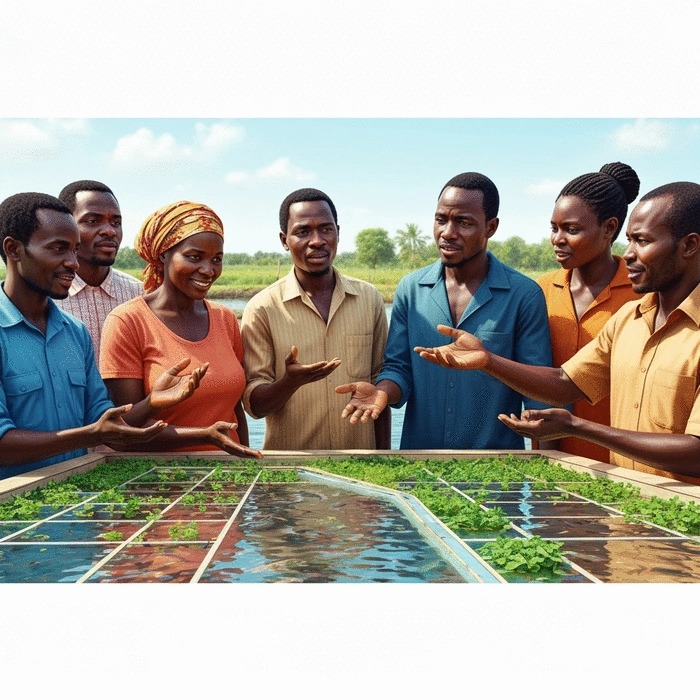
Some farmers have turned these challenges into opportunities. A cooperative in Ghana pooled resources to purchase disinfectants and shared training sessions on biosecurity. This collective effort resulted in healthier fish stocks across the cooperative.
You should consider forming partnerships with neighbouring farmers, sharing resources for biosecurity supplies, and organising training sessions to enhance knowledge. Collaboration can strengthen your operations and boost local community resilience.
How the One Health Approach is Transforming Aquaculture
The One Health approach highlights the interconnectedness of human, animal, and environmental health. This holistic perspective can help you create a more sustainable aquaculture operation.
Why Integrating Health Matters More Than Ever
You need to understand how integrating health considerations can benefit your farm. A farmer in South Africa adopted a One Health strategy, focusing on not just fish health but also ensuring the health of the surrounding ecosystem. His farm thrived, and he became a trusted supplier in the market.
You can apply this integration by monitoring local environments and ecosystems, reducing chemical use that could harm aquatic life, and engaging with local health services. Your farm's health will improve when you consider the broader ecological context.
The Policies Shaping the Future of Fish Farming
You should keep an eye on evolving regulations that can impact biosecurity. New policies often come with guidelines that can support better practices. A farmer in Nigeria benefited from recent government initiatives promoting biosecurity.
Stay informed by following local agricultural policy updates, participating in workshops on new regulations, and engaging with local agricultural agencies. Understanding these policies can provide you with resources and support for implementing effective biosecurity measures.
Why Training and Capacity Building is Your Best Investment
Investing in training and capacity building can equip you with the skills necessary to enhance your farm's biosecurity.
What You Gain from Knowledge and Skills Development
You may be surprised by how much knowledge can change your operations. A farmer in Uganda who attended a biosecurity training workshop reported a marked improvement in his farm's health and productivity.
You should seek opportunities for participating in training programmes, engaging with agricultural extension services, and learning from successful farmers. Knowledge gained will empower you to make informed decisions that positively impact your farm.
The Importance of Including Marginalised Voices
You need to recognise the value of inclusivity in training. A cooperative in Malawi that included women and youth in their training sessions found innovative biosecurity solutions that improved their operations dramatically.
Consider creating space for diverse voices in discussions, encouraging participation from all community segments, and sharing your experiences to foster collective learning. Inclusivity can lead to more comprehensive and innovative approaches to biosecurity.
Lessons from the Ground: Regional Case Studies on Biosecurity Practices
You can learn a lot from the experiences of your peers across Africa. Here are a few valuable lessons.
What Zambia Can Teach Us About Effective Protocols
Farmers in Zambia have successfully implemented strict biosecurity measures that have resulted in minimal disease outbreaks. A key lesson from their practices is the importance of community engagement.
You need to focus on building strong networks with fellow farmers, sharing best practices within your community, and supporting each other in maintaining protocols. Collaborative efforts can lead to a robust biosecurity culture.
Learning from Malawi's Unique Challenges
Malawi's farmers faced specific environmental challenges that led to innovative biosecurity practices. A farmer there utilised local plants for natural disinfectants, proving that resourcefulness can enhance biosecurity.
You can explore using locally available resources for biosecurity, adapting practices to suit local conditions, and sharing successes to inspire others. Innovation often springs from necessity.
Insights from Nigeria vs. Cameroon: A Comparative Narrative
The regulatory environments in Nigeria and Cameroon offer distinct lessons. Nigerian farmers face more stringent regulations, which have led to better compliance and awareness. A farmer in Cameroon, however, highlighted the importance of community-driven initiatives to overcome regulatory challenges.
You should consider adopting best practices from different regulatory environments, learning from both successes and challenges, and engaging with the local community for support. Understanding how regulations differ can help you navigate your own challenges more effectively.
What the Future Holds for Biosecurity in Aquaculture
You need to stay informed about the future of biosecurity in aquaculture, as various factors are shaping its evolution.
The Role of Technology in Shaping Disease Prevention
Digital tools are increasingly being used in aquaculture to monitor fish health. A farmer in Kenya implemented mobile apps for tracking water quality and fish behaviour, significantly reducing his disease outbreaks.
You should explore using technology for real-time data monitoring, engaging with digital platforms for training, and adopting innovative solutions that suit your needs. Technology can be a game-changer in enhancing biosecurity.
Policy Recommendations that Could Change the Game
You should advocate for stronger policies that support biosecurity in aquaculture. Farmers who actively engage in policy discussions have the potential to influence regulations that benefit their operations.
Consider collaborating with local agricultural organisations, participating in forums to voice your concerns, and sharing your experiences to shape future policies. Your input can help create a safer and more sustainable aquaculture environment.
Where Do You Go From Here?
You now have a grasp of the critical aspects of biosecurity in fish farming. It's time to reflect on your practices.
Key Takeaways for Your Fish Farming Journey
You should remember that biosecurity isn't just an extra step. It's the foundation of your farm's success.
Understand the importance of strict protocols, engage with your community for mutual support, and keep learning and adapting to new practices. Investing in biosecurity will pay off in the long run.
Your Role in Building a Sustainable Future
You play a crucial part in ensuring not just your farm's success, but also the health of your community's food supply. By prioritising biosecurity, you contribute to local food security and economic stability.
You want to collaborate with fellow farmers to strengthen community ties, share knowledge and resources for a collective approach, and advocate for policies that support biosecurity standards. Your commitment to biosecurity can lead to a healthier, more sustainable future for all.
What Happens When You Ignore Biosecurity Practices
You think biosecurity is just another expense until disease hits your farm. Then you realise that every corner you cut, every protocol you skipped, and every visitor you let walk through without proper procedures has led to this moment. The fish floating belly-up in your ponds represent more than just livestock—they're your investment, your future, and sometimes your family's only source of income disappearing before your eyes.
Most farmers learn about biosecurity the hard way. You start with healthy fingerlings, watch them grow for months, then wake up one morning to find your ponds filled with dead fish. By then, it's too late to implement the measures that could have prevented the outbreak. The disease has already spread, your neighbours' farms are at risk, and your reputation in the local market is damaged.
The financial devastation extends far beyond the immediate loss of fish. You've invested in feed, labour, electricity for aerators, and months of your time. When disease strikes, all of that investment vanishes, but your debts remain.
The Hidden Costs of Disease Outbreaks
You lose more than fish when disease strikes your farm. A farmer in Ogun State learned this when bacterial infection swept through his catfish ponds, killing 80% of his stock just weeks before harvest. He had invested 800,000 naira in fingerlings, feed, and operational costs over six months. The immediate loss was devastating, but the hidden costs nearly destroyed his business entirely.
The dead fish had to be disposed of properly, requiring additional labour and transport costs. His remaining healthy fish couldn't be sold immediately because buyers feared contamination. Word spread quickly through the local market network, and traders who had previously bought from him started sourcing elsewhere. His farm's reputation, built over three years, crumbled in two weeks.
The True Cost of Disease Outbreaks
When you calculate disease losses, you need to consider:
- Direct fish mortality (your immediate stock loss)
- Feed and operational costs already invested
- Emergency treatment and disposal expenses
- Lost sales from market reputation damage
- Delayed restocking and extended recovery periods
You also face the psychological toll that many farmers underestimate. Watching months of careful work disappear creates stress that affects your decision-making for future cycles. Some farmers become overly cautious, spending excessively on treatments and preventive measures. Others become reckless, assuming that if disease can strike despite their efforts, biosecurity doesn't matter.
The recovery period stretches far longer than most farmers anticipate. You need time to clean and disinfect your ponds, rebuild trust with buyers, and accumulate capital for restocking. Many farmers who experience major disease outbreaks never fully recover their previous production levels.
The Ripple Effects on Local Communities
Your farm doesn't exist in isolation, and neither do your biosecurity failures. When disease spreads from your operation to neighbouring farms, you become responsible for losses that extend throughout your community. A single farm's poor biosecurity practices can trigger outbreaks that affect dozens of other operations within weeks.
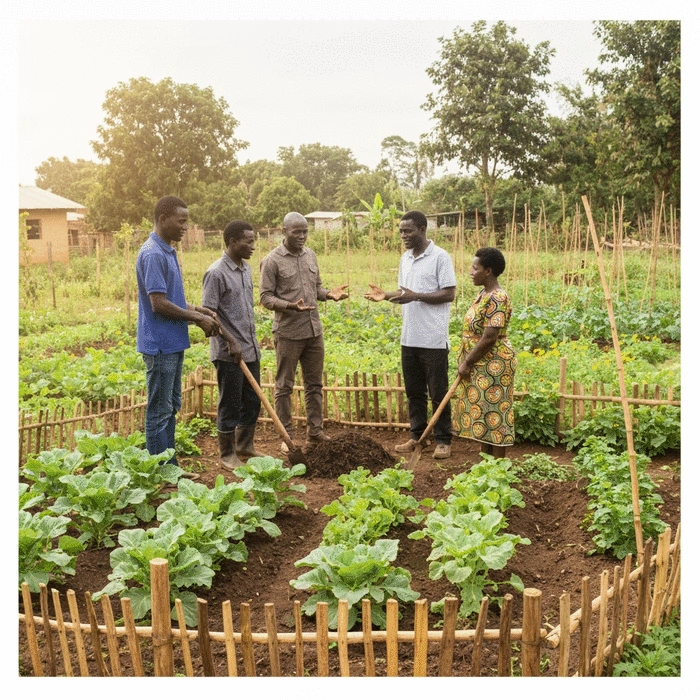
Consider what happened in a fish farming cluster near Ibadan when one farmer ignored quarantine protocols for new fingerlings. The disease spread to twelve neighbouring farms within a month, creating a local crisis that affected not just farmers but the entire supply chain. Feed suppliers lost customers, transporters had no fish to move, and local markets faced shortages that drove prices up for consumers.
The social consequences can be severe. Other farmers may refuse to share resources, information, or cooperative marketing opportunities with you. Your standing in farmer associations diminishes, and you lose access to group purchasing power and collective bargaining with buyers. In tight-knit rural communities, your family's reputation suffers alongside your business.
| Impact Level | Consequences | Recovery Time |
|---|---|---|
| Individual Farm | Direct losses, reputation damage, cash flow crisis | 6-12 months |
| Neighbouring Farms | Disease spread, preventive costs, market disruption | 3-8 months |
| Local Community | Food security, employment, economic stability | 1-2 years |
You need to understand that your biosecurity decisions affect food security in your region. When multiple farms experience disease outbreaks simultaneously, local fish supplies decrease while demand remains constant. Prices rise, making protein less accessible to low-income families who depend on affordable fish. Your individual farm's problems contribute to broader nutritional challenges in your community.
The employment effects ripple through the local economy. Fish farming operations employ not just the owner but workers for feeding, harvesting, processing, and transport. When farms shut down due to disease, these jobs disappear. Local businesses that depend on the fish farming sector—equipment suppliers, feed dealers, transport services—also suffer reduced income. Your biosecurity failure becomes everyone's economic problem.
In conclusion, prioritising biosecurity in your fish farming operation is essential for safeguarding your investment and ensuring the sustainability of your business. By understanding the core biosecurity measures, such as effective water management and vigilant disease monitoring, you can create a robust defence against potential outbreaks.
As you move forward, remember that collaboration and continuous learning are key. Engage with your local farming community, share experiences, and advocate for policies that support better biosecurity practices.
Take the first step today: assess your current biosecurity measures and consider adjustments where necessary. Your proactive approach will not only protect your farm but also contribute to the resilience of the broader aquaculture sector in Africa.
Frequently Asked Questions
What are the most critical biosecurity measures for small-scale fish farmers?
You need to focus on farm entry protocols with footbaths and disinfectants, regular water quality testing, and strict quarantine procedures for new fish. These basic measures can prevent most disease outbreaks whilst remaining affordable for smaller operations.
How much should I budget for biosecurity measures annually?
You should expect to invest approximately 5-10% of your operational costs on biosecurity measures. This includes disinfectants, testing equipment, and quarantine facilities. The investment is minimal compared to potential losses from disease outbreaks.
What are the warning signs that my biosecurity protocols aren't working?
You should watch for increased mortality rates, unusual fish behaviour, recurring health issues, or disease outbreaks affecting neighbouring farms. These signs indicate that your current protocols need immediate review and strengthening.
Can I share equipment with neighbouring farmers safely?
You can share equipment, but only with proper disinfection protocols between uses. Each piece of equipment must be thoroughly cleaned and disinfected before moving between farms. Many farmers create shared disinfection stations to make this process more efficient.
How do I convince my community to adopt better biosecurity practices?
You should lead by example and share your success stories with concrete data about reduced losses and improved profits. Organise training sessions and demonstrate how collective biosecurity efforts protect everyone's investments and strengthen the local fish farming industry.

Yomi Adisa Lead Researcher
Yomi Adisa is the lead researcher at Fish Farming Business, where he studies what makes aquaculture ventures profitable across Africa. His research focuses on market patterns, buyer preferences, and the business decisions that determine success or failure in fish farming.