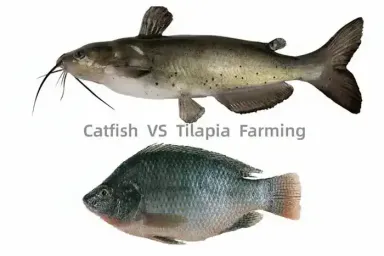

Water Quality Management for Fish Farms: How to Keep Fish Healthy and Profitable

Posted on: 2025-11-04
By: Yomi Adisa
Your fish are gasping at the surface of your pond, and you're watching months of investment swim away. Poor water quality kills more fish than disease, predators, and feed problems combined—yet most farmers only test their water when something goes wrong.
Water quality management isn't just about keeping fish alive; it's about maximising your profits. When dissolved oxygen drops below 4mg/L, your catfish stop feeding and growth slows by 30%. That means longer production cycles and higher feed costs per kilogram of fish you harvest.
In this comprehensive guide, you'll learn how to monitor and manage the four critical water parameters that determine your farm's profitability: dissolved oxygen, ammonia levels, pH, and temperature. You'll discover practical monitoring techniques that work for small-scale operations, cost-effective solutions for common water quality problems, and proven management practices used by successful farms across Nigeria and Ghana.
We'll show you how to interpret water test results, implement effective aeration systems, and establish cleaning protocols that prevent costly fish losses. You'll also learn how investing in proper water quality management can reduce mortality rates from 20% to under 5%—potentially saving you thousands of naira per production cycle.
By the end of this article, you'll understand exactly why water quality is your most important profit factor and have a clear action plan for implementing effective management practices on your farm.
What You Will Learn
- How to monitor critical water parameters that affect fish health and profitability.
- Effective strategies for managing dissolved oxygen, ammonia, pH, and temperature.
- Practical techniques to prevent costly fish losses through systematic monitoring.
- Methods to improve feed conversion efficiency and reduce production cycles.
- Best practices for maintaining optimal water quality in your fish farm.
Understanding Key Water Quality Parameters
You cannot manage what you don't measure, and water quality changes faster than most farmers realise. By the time you notice fish behaving strangely, water parameters may have been deteriorating for days—costing you money in reduced growth rates and increased mortality.
Most fish farmers test water only when problems appear—fish gasping at the surface, unusual mortality, or poor feeding response. This reactive approach means you're always fighting problems instead of preventing them. Smart farmers monitor four critical parameters daily: dissolved oxygen, ammonia levels, pH, and temperature.
The cost of regular testing is minimal compared to the losses from poor water quality. A basic test kit costs around ₦15,000 and can prevent losses worth ₦200,000 or more per production cycle. Understanding these parameters helps you make informed decisions about feeding, stocking density, and pond management before problems become expensive disasters.
Dissolved Oxygen Levels and Their Impact on Fish Health
Your fish need oxygen to survive, but they also need adequate levels to grow efficiently and convert feed into body weight. When dissolved oxygen drops below 5mg/L, catfish reduce their feeding activity by up to 50%. Below 3mg/L, they stop eating entirely and begin using energy reserves just to survive.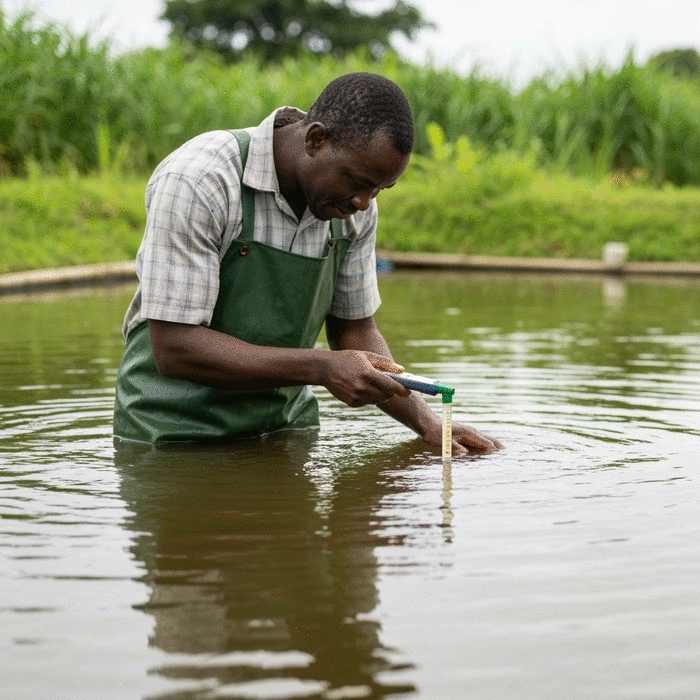
You can measure dissolved oxygen using a simple digital metre (₦25,000-₦40,000) or test strips (₦200 per test). Test early morning when oxygen levels are lowest—typically between 5:00-6:00 AM. If readings consistently fall below 4mg/L, you need immediate intervention to prevent fish losses.
Critical Oxygen Levels for Common Species
- Catfish: Minimum 4mg/L, optimal 6-8mg/L
- Tilapia: Minimum 3mg/L, optimal 5-7mg/L
- Carp: Minimum 4mg/L, optimal 6-9mg/L
Low oxygen levels cause fish to gather at the surface, especially near water inlets or areas with water movement. They may also show reduced appetite, slower growth rates, and increased susceptibility to diseases. A farmer in Ogun State lost 400 catfish worth ₦240,000 because he ignored early morning surface gathering—thinking it was normal behaviour.
You can increase oxygen levels through paddle wheel aerators (₦80,000-₦150,000), venturi systems (₦30,000-₦60,000), or simple air stones connected to blowers (₦15,000-₦25,000). The investment pays for itself through improved feed conversion and faster growth rates.
Managing Ammonia and Nitrite Toxicity
Ammonia builds up from fish waste, uneaten feed, and decomposing organic matter in your pond. Even at low concentrations, ammonia damages fish gills, reduces their ability to absorb oxygen, and makes them vulnerable to bacterial infections. Levels above 0.5mg/L cause stress; above 1.0mg/L can be lethal.
You'll notice ammonia problems when fish become lethargic, show red or inflamed gills, or exhibit erratic swimming behaviour. High ammonia also creates a distinct sharp smell around your pond—similar to household cleaning products. Test ammonia levels weekly using liquid test kits (₦8,000-₦12,000) or digital metres.
Nitrite forms when beneficial bacteria convert ammonia, but it's equally dangerous to fish. It interferes with oxygen transport in fish blood, causing a condition called "brown blood disease." Fish with nitrite poisoning often have brown or chocolate-coloured gills and may gasp at the surface despite adequate oxygen levels.
| Parameter | Safe Level | Danger Level | Action Required |
|---|---|---|---|
| Ammonia | Below 0.25mg/L | Above 0.5mg/L | Reduce feeding, increase aeration |
| Nitrite | Below 0.1mg/L | Above 0.25mg/L | Partial water change, add salt |
You can reduce ammonia through several methods: increase aeration to promote beneficial bacteria growth, reduce feeding by 50% until levels drop, or perform partial water changes (20-30% of pond volume). Adding zeolite or activated carbon to your filtration system also helps absorb excess ammonia.
For nitrite control, add agricultural salt at 1-3kg per 1,000 litres of water. Salt blocks nitrite uptake by fish gills, giving your biological filtration time to establish proper bacteria colonies. This treatment costs around ₦500-₦1,500 per 1,000 litres but can save thousands in fish losses.
The Role of pH in Aquaculture
pH measures how acidic or alkaline your water is, and it affects every biological process in your pond. Most fish species thrive in pH ranges between 6.5-8.5, but sudden changes are more dangerous than slightly suboptimal levels. A pH swing of more than 0.5 units in 24 hours can shock fish and cause mortality.
You can test pH using simple strips (₦100 per test), liquid test kits (₦5,000-₦8,000), or digital pH metres (₦15,000-₦30,000). Test at the same time daily—preferably early morning when pH is typically lowest due to overnight respiration and decomposition processes.
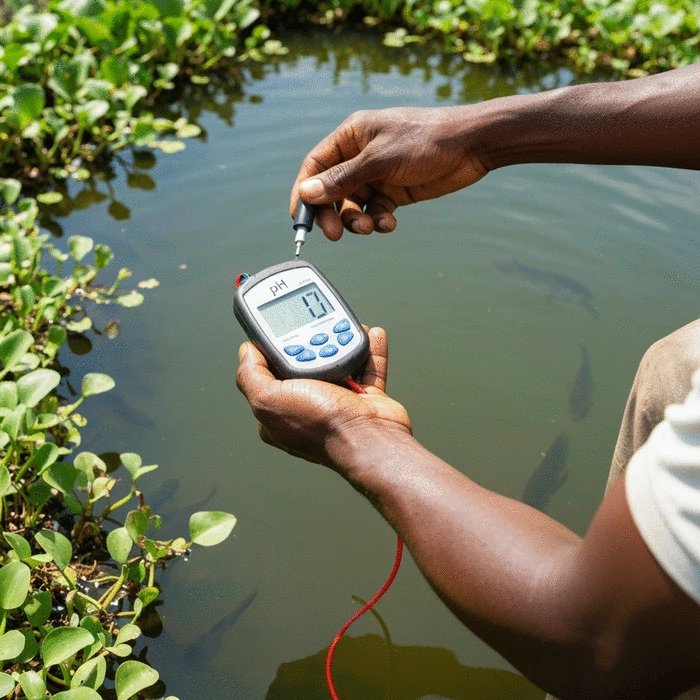
Low pH (below 6.0) makes fish sluggish, reduces their immune response, and can cause fin rot or skin lesions. High pH (above 9.0) increases ammonia toxicity and can cause gill damage. Fish in poor pH conditions often show reduced appetite, abnormal swimming behaviour, and increased susceptibility to diseases.
You can raise pH using agricultural lime (₦800-₦1,200 per 50kg bag) at rates of 100-200kg per hectare. Apply lime gradually over several days to avoid shocking fish with sudden changes. To lower pH, you can add organic matter like rice bran or use commercial pH adjusters, though this is rarely needed in most African pond systems.
Different regions have varying water chemistry challenges. Northern Nigerian waters tend to be more alkaline due to limestone geology, while coastal areas may have naturally acidic water from organic runoff. Understanding your local water characteristics helps you anticipate and manage pH fluctuations more effectively.
Temperature Control for Optimal Growth
Water temperature directly affects fish metabolism, growth rates, and feed conversion efficiency. Catfish grow optimally between 26-30°C, while tilapia prefer 28-32°C. When temperatures drop below optimal ranges, fish become less active, eat less, and convert feed poorly—extending your production cycle and increasing costs.
You should monitor temperature daily using floating thermometers (₦1,500-₦3,000) or digital probes. Record both morning and afternoon readings to track daily fluctuations. Temperature swings greater than 5°C in 24 hours stress fish and make them vulnerable to diseases.
Cold temperatures slow fish growth dramatically. At 22°C, catfish growth rates drop by 40% compared to optimal temperatures. This means a six-month production cycle could extend to eight or nine months, significantly increasing your feed costs and reducing annual profit potential.
You can maintain stable temperatures through proper pond depth (minimum 1.5 metres), windbreaks around pond edges, and strategic pond orientation. Deeper ponds resist temperature changes better than shallow ones. Some farmers use black plastic liners or dark-coloured pond bottoms to absorb more solar heat during cooler months.
During harmattan season in northern regions, temperatures can drop to 18-20°C, severely impacting fish performance. You might need to reduce feeding rates by 30-50% during these periods to prevent waste accumulation and water quality problems. Planning your production cycles to avoid the coldest months can improve overall profitability.
Monitoring Water Quality Effectively
You can have perfect pond design and premium feed, but without consistent monitoring, you're flying blind. Water conditions change hourly based on weather, feeding activity, and fish biomass—yet many farmers test only when fish start dying. This reactive approach costs money because problems compound quickly in aquaculture systems.
Effective monitoring means testing key parameters on schedule, recording results systematically, and interpreting data to make management decisions before problems escalate. A farmer in Kaduna saved ₦300,000 worth of fish by catching rising ammonia levels three days before they would have become lethal—simply because he tested twice weekly instead of waiting for symptoms.
The difference between profitable and struggling farms often comes down to data. Successful farmers know their water chemistry patterns, can predict seasonal changes, and adjust management practices based on trends rather than emergencies. This systematic approach reduces mortality, improves growth rates, and maximises feed conversion efficiency.
Tools and Techniques for Accurate Measurement
You need reliable, affordable testing tools that give consistent results without requiring laboratory expertise. Basic test kits using liquid reagents cost ₦8,000-₦15,000 and provide accurate readings for dissolved oxygen, ammonia, nitrite, and pH. These kits typically include 50-100 tests per parameter, making the cost per test around ₦100-₦200.
Digital metres offer convenience and speed but require higher initial investment. A quality dissolved oxygen metre costs ₦25,000-₦40,000, while pH metres range from ₦15,000-₦30,000. These tools pay for themselves through time savings and consistent accuracy, especially if you manage multiple ponds or test frequently.
| Testing Method | Initial Cost | Cost Per Test | Best For |
|---|---|---|---|
| Test Strips | ₦3,000-₦5,000 | ₦80-₦120 | Quick screening, beginners |
| Liquid Test Kits | ₦8,000-₦15,000 | ₦100-₦200 | Accurate results, regular use |
| Digital Metres | ₦15,000-₦40,000 | ₦50-₦100 | Multiple ponds, frequent testing |
Test strips provide quick results but can be less accurate, especially in turbid water or extreme conditions. They work well for routine screening but shouldn't be your only testing method if you're managing valuable fish stocks. Liquid reagent kits offer laboratory-grade accuracy at reasonable cost and work reliably in various water conditions.
You should calibrate digital metres monthly using buffer solutions to maintain accuracy. Store test kits in cool, dry places away from direct sunlight, and check expiration dates regularly. Expired reagents give false readings that can lead to incorrect management decisions and costly mistakes.
Frequency of Testing and Data Recording
You need to test dissolved oxygen daily during the first month after stocking, then three times weekly once fish are established. Ammonia and nitrite require weekly testing in new ponds, reducing to bi-weekly once biological filtration stabilises. pH should be monitored daily for the first two weeks, then three times weekly thereafter.
Temperature monitoring costs nothing but provides valuable insights into fish behaviour and feeding patterns. Record morning (6:00 AM) and afternoon (2:00 PM) temperatures daily to track fluctuations that might stress fish or affect their appetite. Consistent temperature records help you predict seasonal challenges and adjust management accordingly.
Your testing schedule should intensify during critical periods: after heavy rains, during feeding increases, when adding new fish, or when treating diseases. These events can rapidly alter water chemistry, and frequent monitoring helps you catch problems before they become expensive disasters.
Recommended Testing Schedule
- Daily: Temperature (morning and afternoon), dissolved oxygen (early morning)
- 3x weekly: pH, visual inspection for fish behaviour
- Weekly: Ammonia, nitrite, water clarity
- Monthly: Complete water analysis, equipment calibration
You must record all test results systematically to identify patterns and trends. A simple notebook works, but digital records allow easier analysis and sharing with advisors or veterinarians. Include date, time, weather conditions, and any management activities (feeding, treatments, water changes) that might affect results.
Consistent record-keeping reveals seasonal patterns unique to your location and pond system. You might discover that pH drops predictably during rainy season, or that dissolved oxygen crashes on hot, windless days. This knowledge helps you anticipate problems and take preventive action rather than reacting to emergencies.
Interpreting Water Quality Data for Decision Making
Raw test numbers mean nothing without context and action plans. You need to understand what combinations of parameters indicate specific problems and what management responses will be most effective. For example, high ammonia with low pH suggests inadequate biological filtration, while high ammonia with normal pH might indicate overfeeding or overstocking.
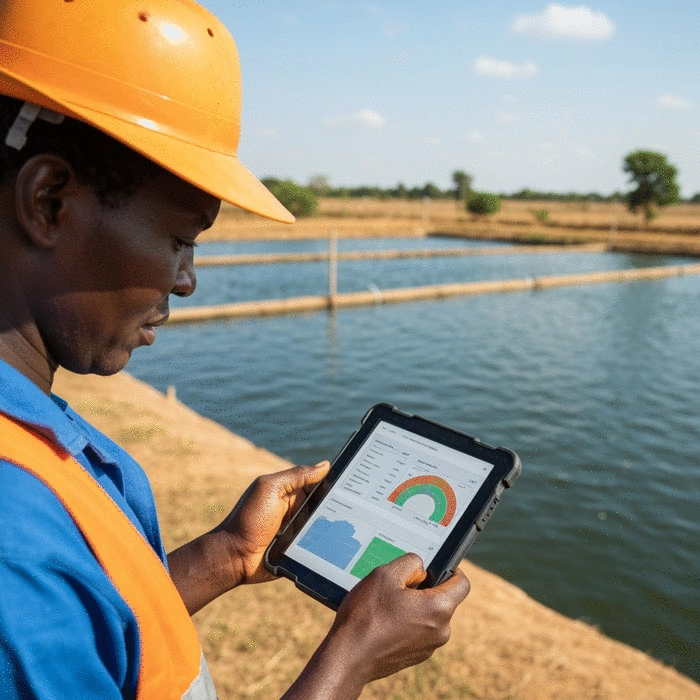
You should establish trigger points for each parameter that prompt specific management actions. When dissolved oxygen drops below 4mg/L, increase aeration immediately and reduce feeding by 50%. When ammonia exceeds 0.5mg/L, stop feeding entirely until levels drop and consider partial water changes if fish show stress symptoms.
Trending data over time reveals more than individual test results. Rising ammonia levels over several days indicate developing problems even if current readings aren't yet dangerous. Gradually declining pH suggests accumulating organic acids that will eventually cause fish stress and poor growth performance.
You can use your data to optimise feeding schedules and quantities. If dissolved oxygen consistently drops below 5mg/L after feeding, you're probably overfeeding or need better aeration. If pH fluctuates widely between morning and evening, excessive algae growth might be consuming carbon dioxide during photosynthesis.
Weather patterns significantly affect water chemistry, and your records help predict these changes. Before heavy rains, you might reduce feeding to prevent ammonia spikes from diluted beneficial bacteria. During hot, calm weather, you can increase aeration proactively rather than waiting for fish to show oxygen stress symptoms.
Best Management Practices for Water Quality
You can test water parameters perfectly, but without proper management practices, you'll still lose fish and money. Water quality management isn't just about monitoring—it's about implementing proven techniques that prevent problems before they start and maintain optimal conditions consistently.
The most successful fish farms across Nigeria and Ghana don't just react to water quality problems; they use systematic management practices that keep parameters stable year-round. These practices include strategic aeration, proper liming schedules, regular cleaning protocols, and controlled feeding strategies that minimise waste accumulation.
Implementing these management practices requires initial investment, but the returns are substantial. A well-managed pond system can reduce mortality from 20% to under 5%, improve feed conversion ratios by 15-25%, and shorten production cycles by 2-4 weeks. These improvements can increase your profit margins from barely breaking even to 40% or more per production cycle.
Aeration Techniques to Enhance Oxygen Levels
You need adequate aeration not just to prevent fish kills, but to maximise growth rates and feed conversion efficiency. Proper aeration maintains dissolved oxygen above 5mg/L throughout the day, supports beneficial bacteria that break down waste, and creates water circulation that distributes nutrients and removes harmful gases.
Paddle wheel aerators are the most efficient option for larger ponds (0.5 hectares or more), providing both oxygenation and water circulation. These units cost ₦80,000-₦150,000 but can support 2,000-3,000kg of fish biomass. They operate on 1-2 horsepower motors and typically run 12-16 hours daily during peak production periods.
| Aeration Method | Initial Cost | Operating Cost/Month | Fish Capacity |
|---|---|---|---|
| Air Stones + Blower | ₦15,000-₦25,000 | ₦8,000-₦12,000 | 500-800kg |
| Venturi System | ₦30,000-₦60,000 | ₦12,000-₦18,000 | 1,000-1,500kg |
| Paddle Wheel | ₦80,000-₦150,000 | ₦25,000-₦35,000 | 2,000-3,000kg |
For smaller operations, venturi systems offer excellent value by using water pumps to create suction that draws air into the water stream. These systems cost ₦30,000-₦60,000 and work well for ponds up to 1,000 square metres. They're particularly effective in concrete ponds where you can control water flow patterns.
Air stone systems with electric blowers provide the most affordable aeration option for small ponds. A 0.5 horsepower blower with multiple air stones costs ₦15,000-₦25,000 and can adequately aerate 200-400 square metres of pond surface. Position air stones at the deepest points and run them continuously during hot weather or high stocking densities.
You should operate aeration systems during early morning hours (4:00-8:00 AM) when oxygen levels are naturally lowest, and during hot afternoons when fish metabolism peaks. Many farmers make the mistake of running aerators only when fish show distress, but preventive aeration maintains better water quality and improves overall fish performance.
Liming and Its Effects on Water Chemistry
You need to understand that liming isn't just about adjusting pH—it's about creating stable water chemistry that supports fish health and beneficial bacteria growth. Agricultural lime (calcium carbonate) neutralises acids, provides essential minerals, and helps maintain alkalinity that buffers against pH swings that can shock fish.
Most African pond soils are naturally acidic, especially in forested regions where organic matter decomposition produces acids. Without proper liming, your pond pH can drop below 6.0, making fish sluggish and reducing their immune response. Low pH also makes ammonia less toxic but increases the toxicity of metals like iron and aluminium.
You should apply lime before filling ponds and annually thereafter to maintain proper alkalinity. Use 100-200kg of agricultural lime per hectare for new ponds, broadcasting it evenly over the dry pond bottom and allowing it to react for 7-10 days before adding water. This initial treatment costs ₦8,000-₦16,000 per hectare but establishes stable water chemistry for the entire production cycle.
Liming Application Guidelines
- New ponds: 150-200kg/hectare applied to dry bottom
- Annual maintenance: 50-100kg/hectare applied to water surface
- Emergency treatment: 25-50kg/hectare for pH below 6.0
- Application timing: Early morning or late evening to avoid fish stress
For established ponds with fish, you can apply lime directly to the water surface at rates of 50-100kg per hectare. Distribute it gradually over 2-3 days to avoid sudden pH changes that might shock fish. The lime will dissolve slowly and raise pH over several days while providing calcium that fish need for bone development and enzyme function.
You'll notice improved fish appetite and growth rates within 2-3 weeks of proper liming. Fish in well-limed ponds show better disease resistance, improved feed conversion, and more consistent growth rates. A farmer in Oyo State increased his catfish survival rate from 75% to 92% simply by implementing annual liming—saving ₦180,000 worth of fish per production cycle.
Solids Removal and Routine Cleaning Protocols
You cannot maintain good water quality without removing accumulated solids that consume oxygen and release toxic compounds as they decompose. Uneaten feed, fish waste, and dead algae settle in pond corners and deep areas, creating anaerobic zones that produce hydrogen sulphide and other harmful gases.
Your cleaning protocol should include daily removal of visible debris, weekly siphoning of settled solids from pond corners, and monthly deep cleaning of the entire pond bottom. This systematic approach prevents organic matter accumulation that leads to ammonia spikes, oxygen depletion, and disease outbreaks.
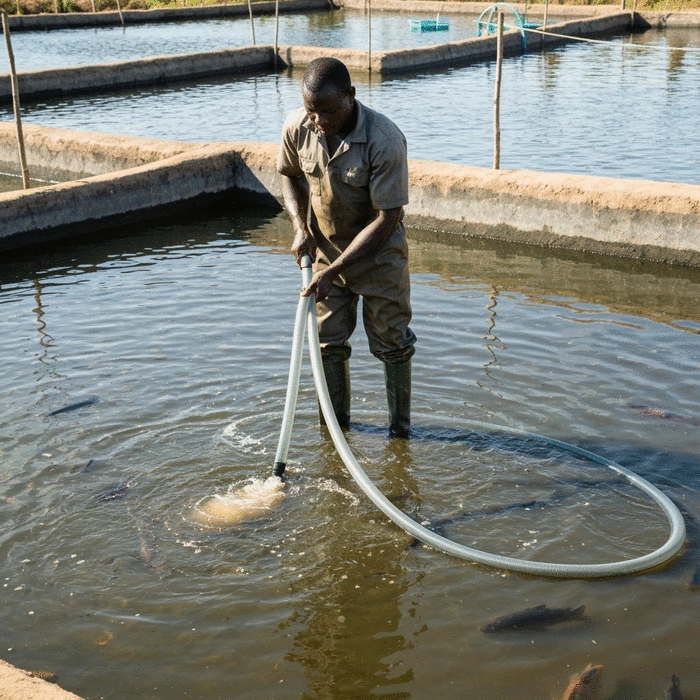
You need basic tools for effective solids removal: a pond vacuum or siphon system (₦8,000-₦15,000), long-handled nets for surface debris (₦2,000-₦3,000), and a water pump for draining and refilling sections of the pond. These tools pay for themselves by preventing water quality problems that could kill hundreds of fish.
Daily cleaning involves removing uneaten feed within 2 hours of feeding, skimming surface debris like leaves or dead insects, and checking for dead fish that must be removed immediately. Dead fish decompose rapidly in warm water, releasing toxins that can trigger disease outbreaks affecting your entire stock.
Weekly deep cleaning focuses on pond corners and areas with poor water circulation where solids accumulate. Use a siphon system to remove settled waste without disturbing fish, and replace the removed water with fresh, treated water. This process typically removes 10-20% of pond volume and significantly improves water quality parameters.
You should establish cleaning schedules based on stocking density and feeding intensity. High-density ponds (above 20 fish per square metre) require daily solids removal and twice-weekly deep cleaning. Lower-density systems can manage with every-other-day surface cleaning and weekly deep cleaning, but consistency is crucial for preventing problems.
Feeding Control to Minimise Waste
You lose money twice when you overfeed: first on wasted feed costs, then on water quality problems that reduce growth rates and increase mortality. Uneaten feed decomposes rapidly, consuming oxygen and releasing ammonia that stresses fish and promotes disease. Proper feeding control prevents these problems while maximising feed conversion efficiency.
Your feeding strategy should match fish appetite, water temperature, and dissolved oxygen levels. Feed only what fish can consume within 15-20 minutes, and adjust quantities based on fish response and environmental conditions. During hot weather or low oxygen periods, reduce feeding by 30-50% to prevent waste accumulation.
You can improve feed utilisation by using high-quality pellets that sink slowly and remain stable in water for 30-45 minutes without dissolving. Cheap feeds often disintegrate quickly, creating fine particles that fish cannot consume efficiently. Investing in quality feed (₦280-₦320 per kg) reduces waste and improves water quality compared to low-grade alternatives (₦200-₦240 per kg).
| Water Temperature | Feeding Rate (%) | Feeding Frequency | Consumption Time |
|---|---|---|---|
| Below 22°C | 1-2% body weight | Once daily | 30-45 minutes |
| 22-28°C | 2-3% body weight | Twice daily | 15-20 minutes |
| Above 28°C | 3-4% body weight | 3-4 times daily | 10-15 minutes |
You should feed at consistent times daily to establish feeding patterns that help fish anticipate meals and improve consumption efficiency. Early morning (6:00-7:00 AM) and late afternoon (4:00-5:00 PM) are optimal feeding times when fish are most active and water temperatures are moderate.
Monitor fish feeding behaviour closely to adjust quantities and timing. Healthy fish should show immediate interest in feed and compete actively for pellets. If fish are slow to respond or leave significant amounts uneaten, reduce the next feeding by 25-30% and investigate potential water quality or health issues that might be affecting appetite.
Linking Water Quality to Fish Health and Profitability
You might think water quality management is just about keeping fish alive, but it's actually your most powerful tool for maximising profits. Every parameter you control—oxygen, ammonia, pH, temperature—directly affects growth rates, feed conversion, mortality rates, and ultimately your bottom line.
Poor water quality doesn't just kill fish outright; it creates chronic stress that reduces growth by 20-40%, extends production cycles by 4-8 weeks, and makes fish vulnerable to diseases that require expensive treatments. These hidden costs often exceed the obvious losses from fish mortality, making water quality management your highest-return investment.
The most profitable fish farms across Africa share one common characteristic: they maintain consistently excellent water quality through systematic monitoring and management practices. These farms achieve 95%+ survival rates, feed conversion ratios below 1.5:1, and production cycles 2-3 weeks shorter than industry averages—advantages that translate directly into higher profits.
Understanding the Cost of Poor Water Quality
You need to understand that poor water quality costs money in multiple ways, not just through obvious fish deaths. Chronic stress from suboptimal conditions reduces growth rates, extends production cycles, increases feed costs, and makes fish susceptible to diseases that require expensive treatments or cause additional mortality.
When dissolved oxygen drops below 4mg/L for just a few hours daily, catfish growth rates decrease by 25-30% even if no fish die. This means a normal 6-month production cycle extends to 7-8 months, increasing your feed costs by ₦200,000-₦300,000 per 1,000 fish while delaying revenue from the next production cycle.
High ammonia levels (above 0.5mg/L) damage fish gills and reduce their ability to extract oxygen from water, even when oxygen levels appear adequate. Fish with ammonia-damaged gills show poor feed conversion, requiring 20-30% more feed to reach market size. For a typical 2,000-fish operation, this represents additional feed costs of ₦400,000-₦600,000 per cycle.
Hidden Costs of Poor Water Quality
- Extended production cycles: 4-8 weeks longer = ₦300,000+ extra feed costs
- Poor feed conversion: 20-30% more feed needed = ₦400,000+ per cycle
- Disease treatments: Antibiotics and chemicals = ₦50,000-₦150,000
- Delayed cash flow: Late harvest delays next cycle revenue
pH fluctuations stress fish and make them vulnerable to bacterial and fungal infections that require expensive treatments. A single disease outbreak can cost ₦50,000-₦150,000 in medications while causing 10-20% mortality that represents direct losses of ₦200,000-₦400,000 in a typical operation.
You also lose money through reduced market prices for stressed fish that show poor body condition, pale colouration, or signs of chronic health problems. Buyers can recognise fish from poorly managed farms and typically offer 10-15% lower prices, reducing your revenue by ₦100,000-₦200,000 per tonne of fish sold.
Strategies for Reducing Mortality Rates
You can reduce mortality from typical rates of 15-25% to under 5% through systematic water quality management that prevents the stress and disease conditions that kill fish. This improvement alone can increase your profit margins by ₦300,000-₦500,000 per 1,000-fish production cycle.
Your mortality reduction strategy should focus on preventing the three main killers: oxygen depletion, ammonia toxicity, and disease outbreaks triggered by poor water conditions. Daily monitoring of dissolved oxygen and weekly ammonia testing catch problems before they become lethal, while proper aeration and waste management prevent these problems from developing.
You need to establish emergency response protocols for water quality crises that can save hundreds of fish if implemented quickly. When dissolved oxygen drops below 3mg/L, immediately increase aeration, reduce feeding by 75%, and consider emergency water changes. These actions can prevent total pond loss that might cost ₦500,000-₦1,000,000.
Disease prevention through water quality management is far more cost-effective than treating sick fish. Maintaining pH between 7.0-8.0, keeping ammonia below 0.25mg/L, and ensuring adequate dissolved oxygen creates conditions where beneficial bacteria thrive and harmful pathogens cannot establish themselves in your pond system.
You should quarantine new fish in separate tanks with excellent water quality for 7-14 days before introducing them to your main ponds. This practice prevents introducing diseases or parasites that could spread throughout your entire stock, potentially causing 30-50% mortality worth hundreds of thousands of naira.
Maximising Growth Rates through Optimal Conditions
You can increase fish growth rates by 30-50% simply by maintaining optimal water quality conditions that allow fish to convert feed efficiently and grow without stress. Faster growth means shorter production cycles, reduced feed costs per kilogram of fish, and more production cycles per year—all factors that dramatically improve profitability.

Catfish growing in optimal conditions (dissolved oxygen above 6mg/L, ammonia below 0.1mg/L, pH 7.0-8.0, temperature 26-30°C) can reach 1kg in 4-5 months compared to 6-8 months in suboptimal conditions. This 2-3 month reduction in production time allows you to complete 2.5-3 cycles annually instead of 1.5-2 cycles.
Your feed conversion ratio improves dramatically with excellent water quality. Fish in optimal conditions convert feed at ratios of 1.2-1.4:1 compared to 1.8-2.2:1 in poor conditions. For a 1,000-fish operation, this difference represents savings of ₦400,000-₦600,000 in feed costs per production cycle.
| Water Quality | Growth Rate | Feed Conversion | Production Cycle |
|---|---|---|---|
| Poor | 4-6g/day | 1.8-2.2:1 | 6-8 months |
| Average | 6-8g/day | 1.5-1.7:1 | 5-6 months |
| Excellent | 8-12g/day | 1.2-1.4:1 | 4-5 months |
You achieve maximum growth rates by maintaining stable conditions rather than just meeting minimum requirements. Fish grow best when water parameters remain consistent day-to-day, avoiding the stress of fluctuating conditions that force them to waste energy adapting instead of growing.
Temperature stability is particularly important for maximising growth. Fish in ponds with daily temperature swings of less than 3°C grow 20-25% faster than those experiencing 5-8°C daily fluctuations. You can achieve this stability through proper pond depth, windbreaks, and strategic pond orientation that minimises temperature extremes.
Case Studies: Profit Increases from Effective Water Management
A catfish farmer in Ibadan transformed his operation from barely profitable to highly successful by implementing systematic water quality management. Before adopting proper monitoring and management practices, he experienced 25% mortality rates, 7-month production cycles, and feed conversion ratios of 2.0:1—barely breaking even on most cycles.
After investing ₦150,000 in water testing equipment, aeration systems, and implementing daily monitoring protocols, his results improved dramatically. Mortality dropped to 8%, production cycles shortened to 5 months, and feed conversion improved to 1.4:1. These improvements increased his profit per cycle from ₦200,000 to ₦800,000—a 300% increase that paid for his water management investments within two production cycles.
The key changes included daily dissolved oxygen monitoring with emergency aeration protocols, weekly ammonia testing with feeding adjustments based on results, and systematic pond cleaning that removed waste before it could decompose and create water quality problems. These practices required discipline but no advanced technical knowledge.
Another example from a tilapia farm in Kumasi shows how water quality management enables higher stocking densities without increased mortality. By maintaining excellent water conditions through intensive aeration and waste management, the farmer increased stocking density from 15 to 25 fish per square metre while actually reducing mortality from 18% to 6%.
This increased production capacity generated an additional ₦600,000 revenue per cycle while the improved survival rates saved ₦300,000 in fish losses. The total benefit of ₦900,000 per cycle easily justified the ₦200,000 investment in additional aeration equipment and more intensive management practices. Understanding disease prevention strategies becomes crucial when implementing these intensive management systems.
| Key Points | Details |
|---|---|
| Importance of Regular Testing | Regular testing of water quality parameters is essential. A basic test kit costs around ₦15,000 and can prevent losses worth ₦200,000 or more. Delayed testing leads to increased mortality and reduced growth rates, costing farmers significantly. |
| Dissolved Oxygen Levels | Dissolved oxygen below 4mg/L can reduce growth by 30% and lead to fish mortality. Investing in aeration systems (₦80,000-₦150,000) enhances growth rates and feed conversion, ultimately preserving your stock and increasing profits. |
| Managing Ammonia Levels | Ammonia levels above 0.5mg/L are harmful. Testing ammonia weekly can prevent fish stress and mortality. Costs for ammonia testing range from ₦8,000-₦12,000. Immediate actions like reducing feeding can save fish worth hundreds of thousands naira. |
| pH Management | pH levels affect fish health. Testing costs ₦100-₦30,000 depending on the method. Sudden pH changes can shock fish, leading to mortality. Regular monitoring and proper liming (₦800-₦1,200) help maintain optimal conditions for growth. |
| Temperature Control | Optimal temperatures for catfish are 26-30°C. Using thermometers (₦1,500-₦3,000) to monitor can prevent growth delays, saving on feed costs of ₦200,000-₦300,000 if temperatures drop below optimal ranges. |
| Monitoring and Recording | Testing frequency should increase during critical times. Consistent data recording helps identify trends and anticipate problems, avoiding costly emergencies that can lead to losing significant stock value. |
| Feeding Control | Tailoring feeding strategies to fish activity and water conditions reduces waste. Using high-quality feed (₦280-₦320/kg) improves feed conversion, potentially saving up to ₦400,000 in production cycles. |
| Case Studies | Farmers who implemented systematic water management saw profits increase significantly. For example, one farmer improved his profit by ₦600,000 per cycle after investing in water quality management, proving the long-term value of these practices. |
Conclusion
You now understand why water quality management determines your farm's profitability more than any other factor. Poor water conditions don't just kill fish—they reduce growth rates by 30%, extend production cycles by 2-3 months, and increase feed costs by ₦400,000-₦600,000 per cycle.
The four critical parameters—dissolved oxygen, ammonia, pH, and temperature—work together to create conditions where fish either thrive or struggle. When you maintain dissolved oxygen above 6mg/L, keep ammonia below 0.25mg/L, stabilise pH between 7.0-8.0, and control temperature fluctuations, your fish convert feed efficiently and reach market size faster.
Your monitoring schedule should include daily temperature and dissolved oxygen checks, three-times-weekly pH testing, and weekly ammonia monitoring. This routine costs less than ₦500 per week but prevents losses worth hundreds of thousands of naira.
The management practices we've covered—proper aeration, strategic liming, systematic cleaning, and controlled feeding—require initial investment but deliver substantial returns. Farms implementing these practices achieve 95%+ survival rates and feed conversion ratios below 1.5:1, compared to 75-80% survival and 1.8-2.2:1 conversion in poorly managed systems.
Start by investing in basic testing equipment: a dissolved oxygen metre (₦25,000-₦40,000), ammonia test kit (₦8,000-₦12,000), and pH strips (₦3,000-₦5,000). These tools will pay for themselves within one production cycle through prevented losses and improved performance. Consider exploring proper farm setup techniques to complement your water quality management efforts.
Your next step is establishing daily monitoring routines and emergency response protocols. When dissolved oxygen drops below 4mg/L or ammonia exceeds 0.5mg/L, you need immediate action plans that can save your entire stock. The difference between profitable and struggling farms often comes down to catching problems 24-48 hours before they become disasters. Learning from successful African fish farmers can provide additional insights into implementing these water quality management strategies effectively.
Frequently Asked Questions
Why is proactive water quality monitoring more effective than reactive testing?
Reactive testing, where you only check water when fish show distress, means problems have likely been developing for days, leading to reduced growth and increased mortality. Proactive daily or weekly monitoring allows you to catch deteriorating parameters early and intervene before they become expensive disasters, saving your fish and your profits.
What are the four critical water parameters I should monitor regularly, and why are they important?
You should consistently monitor dissolved oxygen, ammonia levels, pH, and temperature. Dissolved oxygen is vital for fish respiration and growth, whilst ammonia and its derivative nitrite are toxic waste products. pH affects all biological processes and ammonia toxicity, and temperature influences fish metabolism and feed conversion efficiency.
What are the hidden costs of poor water quality, beyond just fish mortality?
Beyond direct fish deaths, poor water quality leads to extended production cycles, as fish grow slower. It also results in poor feed conversion ratios, meaning you spend more on feed to achieve the same fish weight. Additionally, it increases susceptibility to diseases, incurring treatment costs, and can delay your cash flow.
Why is liming important for my fish pond, and how does it affect water chemistry?
Liming is crucial because it stabilises water chemistry, especially in naturally acidic African pond soils. It neutralises acids, provides essential minerals, and maintains alkalinity, which buffers against sudden pH swings that can shock fish. Proper liming supports fish health and promotes beneficial bacteria growth, improving disease resistance and feed conversion.
What is the significance of controlling feeding to manage water quality?
Controlling feeding is vital because overfeeding leads to wasted feed, which decomposes rapidly, consuming oxygen and releasing toxic ammonia. By feeding only what fish can consume within 15-20 minutes and adjusting quantities based on conditions, you prevent waste accumulation, maintain better water quality, and maximise feed conversion efficiency.

Yomi Adisa
Yomi Adisa is the lead researcher at Fish Farming Business, where he studies what makes aquaculture ventures profitable across Africa. His research focuses on market patterns, buyer preferences, and the business decisions that determine success or failure in fish farming.