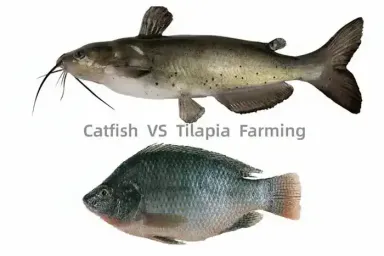

Common Fish Species to Farm for Profit in Africa: A Practical Guide for Fish Farmers
Posted on: 2025-11-04
By: Yomi Adisa
You've probably heard success stories about fish farming in Africa—farmers earning millions from tilapia, catfish operations generating steady monthly income, or ornamental fish breeders commanding premium prices. But here's what those stories don't tell you: choosing the wrong species can turn six months of hard work into barely breaking even.
- Overview of Profitable Fish Species for Farming in Africa
- Importance of Selecting the Right Species
- Key Factors Influencing Profitability
- Regional Variations in Species Suitability
- Tilapia Farming: Characteristics and Profit Potential
- Catfish Farming: A Viable Option for Profit
- Trout Farming: Niche Opportunities in Aquaculture
- Carp Farming: Traditional and Modern Approaches
- Ornamental Fish Farming: High-Value Opportunities
The difference between profitable fish farming and struggling to cover costs often comes down to one critical decision: which species you choose to farm. A farmer in Lagos might earn 1,200 naira per kilogram for well-timed tilapia, while another farmer with the same pond size loses money on carp that nobody wants to buy.
Species selection isn't just about what grows fastest or eats least—it's about matching your production to actual market demand in your region. What sells well in Accra might struggle in Nairobi. What commands premium prices during Ramadan might sit unsold during harvest season.
In this guide, you'll discover the most profitable fish species for African conditions, from the reliable income potential of tilapia and catfish to the high-value opportunities in trout and ornamental fish. You'll learn what makes each species profitable, what market conditions favour them, and how to match your choice to your local buyers' preferences and seasonal demand patterns.
What You Will Learn
- Identify the most profitable fish species for different African markets
- Understand key factors influencing fish farming profitability
- Learn the importance of aligning species selection with market demand
- Explore effective feeding strategies for maximising growth rates
- Analyse regional variations that affect species suitability and market prices
- Gain insights into the challenges and opportunities in ornamental fish farming
Overview of Profitable Fish Species for Farming in Africa
You cannot build a profitable fish farm without understanding which species actually make money in your market. Most new farmers choose species based on what they've heard works elsewhere, or what seems easiest to raise. This approach leads to ponds full of healthy fish that nobody wants to buy at profitable prices.
The reality is that profitability in fish farming depends on matching production to market demand, not just biological success. You might produce the healthiest tilapia in your region, but if local buyers prefer catfish, you'll struggle to achieve the profit margins that make farming worthwhile. Understanding your market's preferences before you stock your first pond can mean the difference between earning 40% profit margins and barely covering your feed costs.
Successful species selection requires analysing multiple factors simultaneously: growth rates, feed costs, disease resistance, market prices, and seasonal demand patterns. Each species performs differently under various conditions, and what works profitably in one region may fail in another due to climate, water quality, or consumer preferences. Identifying profitable fish species requires careful market research before making production decisions.
Importance of Selecting the Right Species
Your species choice determines every aspect of your farm's profitability, from initial setup costs to final selling prices. A farmer in Kumasi discovered this when he invested 500,000 cedis in carp farming, only to find that local markets preferred tilapia and catfish. After eight months, he was selling 2kg carp for the same price that 1.2kg tilapia commanded.
Market demand drives profitability more than production efficiency. You might achieve excellent feed conversion ratios and rapid growth, but if buyers don't want your species, technical success becomes financial failure. This is why understanding your target market's preferences, seasonal buying patterns, and price tolerance levels matters more than focusing solely on production metrics.
The wrong species choice affects your entire operation timeline. Fast-growing species like tilapia can generate income within six months, while slower species like carp might require 12-18 months to reach market size. This timing difference impacts your cash flow, feed costs, and ability to respond to market changes.
Key Factors Influencing Profitability
Growth rate directly impacts your profitability because faster growth means quicker returns and lower cumulative feed costs. Tilapia typically reaches 500g in 6-8 months under good conditions, while some carp varieties need 12-15 months to reach similar weights. This difference means tilapia farmers can complete two production cycles while carp farmers finish one, effectively doubling their annual income potential.
Feed conversion ratio determines your largest operational expense. Species that convert feed efficiently into body weight reduce your production costs significantly. Catfish typically achieve feed conversion ratios of 1.5:1 to 2:1, meaning 1.5-2kg of feed produces 1kg of fish weight. Poor converters might require 3-4kg of feed for the same weight gain, dramatically reducing profit margins.
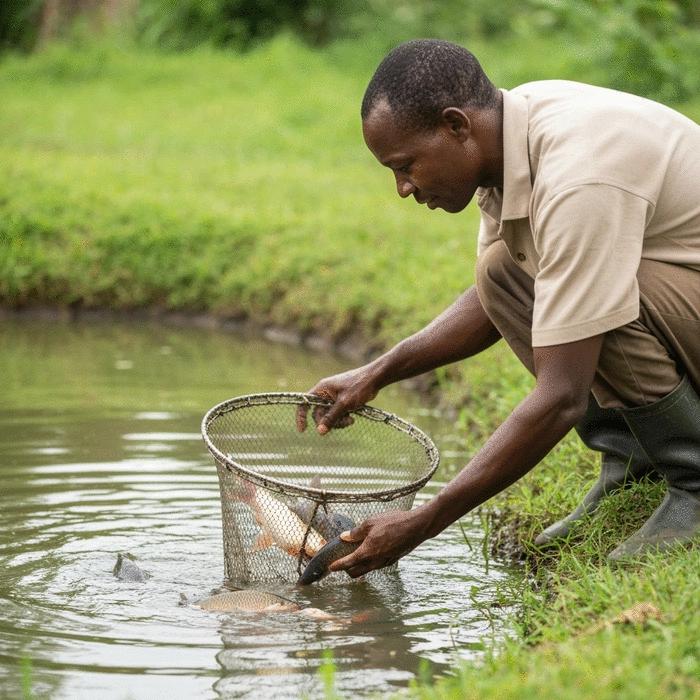
Disease resistance affects both your success rate and insurance costs. Hardy species like African catfish can tolerate water quality fluctuations and resist common diseases, reducing mortality rates and veterinary expenses. Sensitive species might require expensive treatments, climate-controlled environments, or result in significant stock losses during disease outbreaks.
Profitability Calculation Framework
To evaluate species profitability, you need to calculate:
- Time to market weight: How quickly species reach sellable size
- Feed cost per kg produced: Total feed expense divided by final harvest weight
- Survival rate: Percentage of stocked fish that survive to harvest
- Market price stability: How consistent pricing remains throughout the year
- Seasonal demand patterns: When buyers pay premium prices vs. when prices drop
Regional Variations in Species Suitability
Climate differences across Africa create distinct advantages for different species in various regions. Trout farming thrives in the cooler highlands of Kenya and Ethiopia, where water temperatures remain below 20°C year-round. These same conditions would stress tilapia, which prefer temperatures between 25-30°C for optimal growth.
Water quality variations affect species performance dramatically. Areas with naturally alkaline water favour tilapia production, while regions with softer, more acidic water might better suit catfish farming. Understanding your local water chemistry helps you choose species that will thrive rather than merely survive in your conditions.
Market preferences vary significantly between regions, often based on cultural food traditions and economic factors. West African markets typically show strong demand for catfish, while East African consumers often prefer tilapia. These preferences directly impact the prices you can achieve and the consistency of your sales.
| Region | Preferred Species | Climate Advantage | Market Price Range |
|---|---|---|---|
| West Africa | Catfish, Tilapia | Warm, stable temperatures | ₦800-1,400/kg |
| East Africa | Tilapia, Trout | Highland cooling, varied altitudes | KSh 300-600/kg |
| Southern Africa | Trout, Carp | Cooler winters, seasonal variation | R 45-80/kg |
Seasonal patterns also influence species selection strategy. In regions with distinct wet and dry seasons, you want species that can handle water level fluctuations and temperature variations. Some species thrive during specific seasons, allowing you to time production for peak demand periods when prices reach their highest levels.
Tilapia Farming: Characteristics and Profit Potential
Tilapia represents one of the most reliable profit opportunities in African aquaculture, but success depends on understanding exactly what makes this species profitable versus what can destroy your margins. You'll find tilapia in markets from Lagos to Nairobi, but the farmers making consistent money understand specific growth patterns, feeding strategies, and market timing that separate profitable operations from barely breaking even.
The appeal of tilapia lies in its combination of fast growth, market acceptance, and relatively forgiving nature for new farmers. However, these same advantages mean increased competition and price pressure in many markets. You need to understand both the opportunities and challenges before committing your resources to tilapia production.
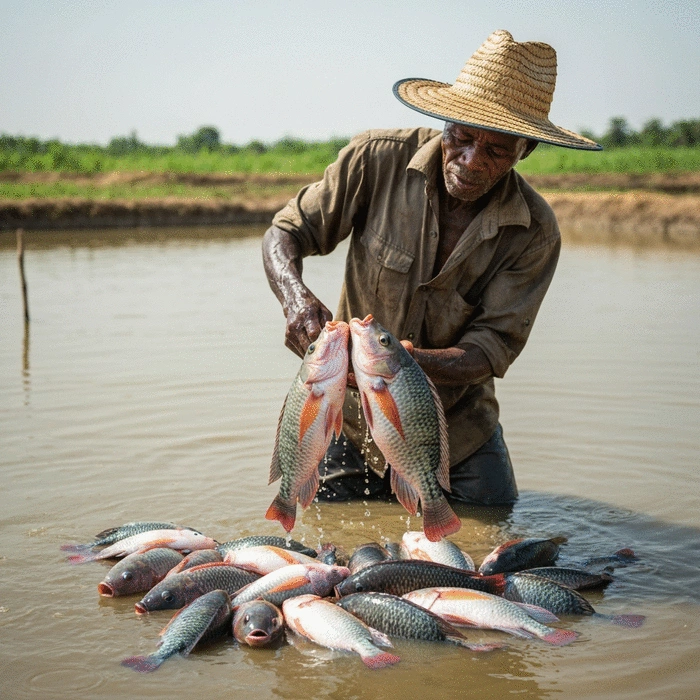
Successful tilapia farming requires matching your production cycle to market demand patterns, optimising feed conversion for maximum profit margins, and managing common health challenges that can wipe out months of investment. The farmers earning 40-50% profit margins on tilapia understand these factors and plan accordingly.
Growth Rate and Feed Requirements
Tilapia typically reaches 500g market weight in 6-8 months under optimal conditions, making it one of the fastest routes to cash flow in fish farming. However, achieving these growth rates requires maintaining water temperatures between 25-30°C and providing consistent, high-quality nutrition. When temperatures drop below 20°C, growth slows dramatically, extending your production cycle and increasing feed costs.
Feed represents 60-70% of your production costs in tilapia farming, making feed conversion efficiency critical to profitability. Well-managed tilapia achieve feed conversion ratios of 1.5:1 to 2:1, meaning 1.5-2kg of feed produces 1kg of fish. Poor feeding practices or low-quality feed can push this ratio to 3:1 or higher, destroying your profit margins even with good market prices.
You want to focus on protein-rich feeds during the first 3-4 months when fish are growing most rapidly. Fingerlings require 35-40% protein content, while market-size fish can thrive on 28-32% protein feeds. Switching to lower-protein feeds too early slows growth, while continuing high-protein feeds longer than necessary wastes money without improving results.
Tilapia Growth Timeline
- Months 1-2: Fingerlings (5-50g) - High protein feed (35-40%), frequent feeding
- Months 3-4: Juveniles (50-200g) - Moderate protein (32-35%), 3-4 times daily
- Months 5-6: Growing fish (200-400g) - Standard protein (28-32%), 2-3 times daily
- Months 7-8: Market size (400-600g) - Maintenance feeding, prepare for harvest
Market Demand and Pricing Trends
Tilapia enjoys consistent market demand across most African regions, with prices typically ranging from ₦800-1,400 per kilogram in Nigerian markets, KSh 300-500 in Kenya, and similar ranges in other countries. However, these prices fluctuate based on seasonal patterns, local competition, and fish size preferences that you need to understand for optimal profitability.
Peak demand periods often coincide with religious festivals and holiday seasons when protein consumption increases. During Ramadan, Christmas, and New Year periods, tilapia prices can increase 20-40% above normal levels. Planning your harvest timing to coincide with these periods can significantly boost your profit margins, but requires precise production scheduling.
Size preferences vary by market segment, affecting the prices you can achieve. Restaurants and hotels often prefer 400-600g fish for portion control, while household consumers might favour larger 600-800g fish for family meals. Understanding your target buyers' preferences helps you optimise harvest timing and achieve premium prices rather than accepting whatever buyers offer. Fish market trends in Africa show increasing demand for consistent quality and size standardisation.
| Market Segment | Preferred Size | Price Premium | Volume Requirements |
|---|---|---|---|
| Restaurants | 400-600g | 15-25% above market | Consistent weekly supply |
| Households | 600-800g | Market rate | Weekend/holiday peaks |
| Processing | 300-500g | 10-15% below market | Large bulk orders |
Disease Resistance and Management
Tilapia demonstrates good disease resistance compared to many other species, but common health challenges can still destroy your profitability if not managed properly. The most frequent problems include bacterial infections, parasites, and stress-related diseases that typically result from poor water quality or overcrowding conditions.
Maintaining proper stocking densities prevents most disease outbreaks while maximising your production efficiency. You want to stock 2-3 fish per square metre in earthen ponds, or up to 5-8 fish per square metre in well-aerated concrete tanks. Exceeding these densities increases stress, reduces growth rates, and creates conditions where diseases spread rapidly through your entire stock.
Water quality management prevents more disease problems than any treatment after problems appear. Regular monitoring of ammonia, nitrite, and oxygen levels allows you to address issues before they affect fish health. A simple test kit costing ₦8,000-12,000 can prevent losses worth hundreds of thousands of naira by catching problems early.
When disease problems do occur, quick identification and treatment can save most of your stock if you act within 24-48 hours. Common treatments include salt baths for external parasites, antibiotics for bacterial infections, and improved aeration for oxygen-related stress. However, prevention through good management practices costs far less than treating sick fish and dealing with mortality losses.
Catfish Farming: A Viable Option for Profit
Catfish farming offers some of the most reliable profit margins in African aquaculture, particularly for farmers who understand how to leverage this species' natural advantages. Unlike tilapia, which faces increasing market competition, catfish maintains strong demand with fewer farmers achieving optimal production levels. This creates opportunities for well-managed operations to capture premium prices and consistent sales.
The profitability of catfish farming stems from exceptional feed conversion efficiency, rapid growth rates, and remarkable disease resistance that reduces operational risks. However, success requires understanding the significant differences between African catfish species and implementing feeding strategies that maximise growth while controlling costs.
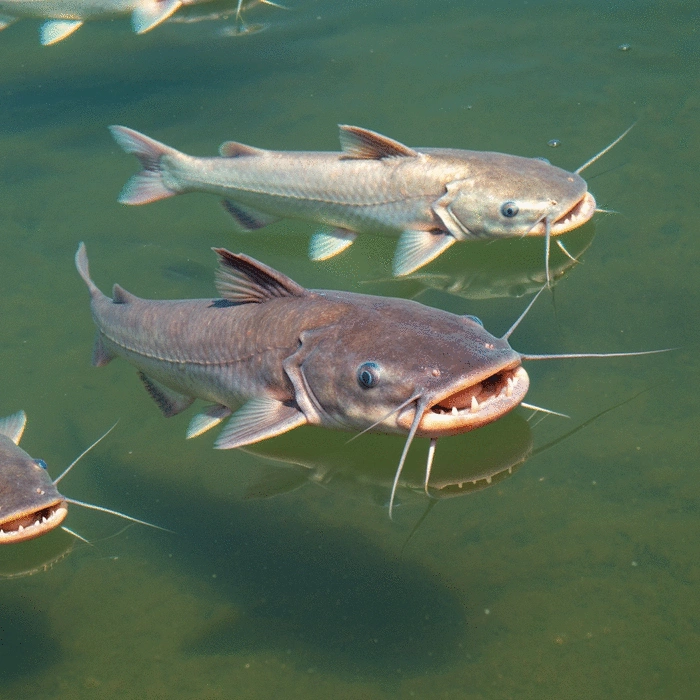
What makes catfish particularly attractive for commercial farming is their ability to thrive in higher stocking densities than most species, allowing you to generate more revenue per pond area. Combined with strong market demand and premium pricing for quality fish, catfish farming can deliver profit margins of 45-60% when managed correctly.
Different Species of Catfish and Their Traits
African catfish (Clarias gariepinus) dominates commercial farming across the continent due to its exceptional growth rate and market acceptance. This species reaches 1kg in 4-6 months under optimal conditions, making it one of the fastest-growing food fish available to African farmers. More importantly, African catfish tolerates crowding better than most species, allowing stocking densities of 10-15 fish per square metre in well-managed systems.
The key advantage of Clarias gariepinus lies in its ability to breathe atmospheric air through a modified gill structure, making it incredibly hardy in low-oxygen conditions that would kill other species. This trait allows you to stock more fish per pond and reduces the risk of overnight mortality from oxygen depletion. However, this same hardiness can lead to overconfidence in pond management, resulting in poor water quality that stunts growth despite fish survival.
Hybrid catfish varieties, created by crossing different Clarias species, often demonstrate even better growth rates and feed conversion than pure African catfish. These hybrids can achieve feed conversion ratios of 1.2:1 to 1.5:1, meaning exceptional efficiency in converting feed to body weight. The challenge lies in sourcing quality hybrid fingerlings, as many suppliers sell inferior crosses that don't deliver promised performance.
| Species Type | Growth Rate | Feed Conversion | Market Price Premium |
|---|---|---|---|
| Pure African Catfish | 1kg in 5-6 months | 1.5:1 to 2:1 | Standard market rate |
| Hybrid Catfish | 1kg in 4-5 months | 1.2:1 to 1.5:1 | 10-20% premium |
| Local Catfish Varieties | 1kg in 6-8 months | 2:1 to 2.5:1 | 5-10% below market |
Feeding Strategies for Optimal Growth
Catfish feeding strategy directly determines your profitability because feed represents 65-75% of total production costs. You want to maximise growth rate while minimising feed waste, which requires understanding catfish feeding behaviour and adjusting your approach accordingly. Catfish are opportunistic feeders that will consume food quickly when hungry but waste significant amounts when overfed.
The most effective feeding schedule involves 3-4 smaller meals daily rather than one or two large feedings. This approach improves feed conversion efficiency and reduces water pollution from uneaten food. You should feed fingerlings 4-6% of their body weight daily, juveniles 3-4%, and market-size fish 2-3%. Adjusting these percentages based on water temperature and fish response prevents overfeeding while maintaining optimal growth rates.
High-protein feeds (35-42% protein) during the first 8-10 weeks accelerate early growth when fish are most efficient at converting protein to body weight. After this period, you can switch to moderate-protein feeds (28-32%) without significantly impacting growth rates. This feeding strategy can reduce feed costs by 15-20% while maintaining harvest weights and timing.
Catfish Feeding Schedule for Maximum Efficiency
- Fingerlings (5-50g): 42% protein feed, 6% body weight daily, 4 times per day
- Juveniles (50-250g): 35% protein feed, 4% body weight daily, 3 times per day
- Growing fish (250-600g): 32% protein feed, 3% body weight daily, 3 times per day
- Market size (600g+): 28% protein feed, 2% body weight daily, 2 times per day
Water temperature affects catfish appetite and digestion significantly, requiring feeding adjustments throughout the year. During cooler months when temperatures drop below 25°C, reduce feeding frequency and amounts as fish metabolism slows. Overfeeding during cool periods leads to water quality problems and increased mortality rather than faster growth.
Economic Considerations and Market Access
Catfish farming requires higher initial investment than tilapia due to more intensive management requirements, but generates superior profit margins when executed properly. Initial setup costs typically range from ₦800,000 to ₦1.5 million for a 1,000 fish operation, including pond construction, fingerlings, and feed for one production cycle. However, well-managed catfish operations can achieve gross margins of 50-65%, compared to 35-45% for tilapia farming.
Market access for catfish depends heavily on establishing relationships with restaurants, hotels, and institutional buyers who value consistent supply and quality. These buyers typically pay 15-25% premiums over market prices for reliable suppliers who can deliver specific sizes on schedule. A restaurant in Abuja might pay ₦1,400 per kilogram for 800g-1kg catfish delivered weekly, while the same fish might sell for ₦1,100 per kilogram in general markets.
The key to catfish profitability lies in achieving rapid turnover through multiple production cycles per year. With 4-5 month production cycles, you can complete 2-3 harvests annually from the same pond space. This frequency allows you to time harvests for peak demand periods and adjust production based on market feedback, maximising both volume and pricing opportunities.
Processing and value addition create additional profit opportunities in catfish farming. Smoked catfish commands premium prices and extends shelf life, allowing you to reach distant markets or store product during low-price periods. A farmer in Ogun State increased profits by 40% by smoking 30% of his harvest and selling directly to urban consumers who paid ₦2,200 per kilogram for processed fish.
Trout Farming: Niche Opportunities in Aquaculture
Trout farming represents the highest-value opportunity in African aquaculture, but success requires understanding exactly why this species commands premium prices and what conditions you must provide to achieve profitable production. Unlike tilapia or catfish, trout farming targets affluent consumers and export markets willing to pay 3-5 times more for quality fish, creating exceptional profit potential for farmers who can meet the technical requirements.
The challenge with trout farming lies in its specific environmental needs and higher technical demands. You cannot succeed with trout using the same approaches that work for warm-water species. However, farmers who master trout production often achieve profit margins of 60-80%, far exceeding returns from conventional fish farming.
What makes trout farming particularly attractive is the limited competition and strong market demand. Few African farmers attempt trout production due to perceived complexity, creating opportunities for knowledgeable producers to capture premium markets with minimal price competition. Selecting fish species for aquaculture requires careful consideration of both environmental conditions and market opportunities.
Ideal Conditions for Trout Farming
Trout requires consistently cool water temperatures between 12-18°C for optimal growth, limiting production to highland areas above 1,500 metres elevation in most African regions. Kenya's central highlands, Ethiopian mountains, and South African high-altitude areas provide ideal conditions, while lowland regions cannot support commercial trout production regardless of other factors.
Water quality standards for trout exceed requirements for other species significantly. You need dissolved oxygen levels above 7mg/L consistently, compared to 4-5mg/L for tilapia or catfish. Ammonia and nitrite levels must remain near zero, requiring excellent filtration and water exchange systems. Poor water quality causes immediate stress in trout, leading to reduced growth, increased disease susceptibility, and potential mortality within days.
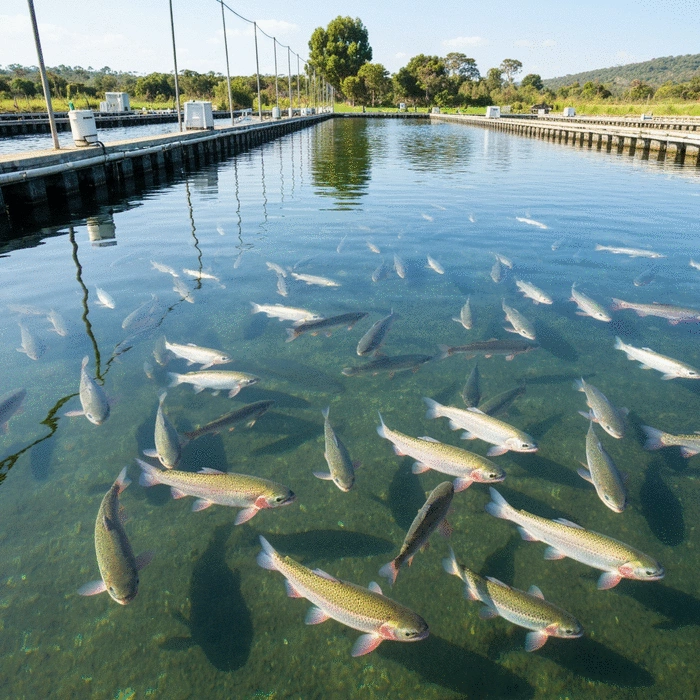
Consistent water flow and temperature control determine your success more than any other factors in trout farming. You want spring-fed systems or well-designed recirculating systems that maintain stable conditions year-round. Seasonal temperature fluctuations that wouldn't affect other species can halt trout growth or cause significant mortality, making environmental control critical to profitability.
Critical Water Parameters for Trout Success
- Temperature: 12-18°C (optimal 14-16°C) - growth stops above 20°C
- Dissolved Oxygen: Minimum 7mg/L, optimal 8-10mg/L
- pH: 6.5-8.0, with 7.0-7.5 being ideal
- Ammonia: Less than 0.02mg/L - higher levels cause stress
- Water Flow: Complete water exchange every 1-2 hours
Growth Performance and Feed Efficiency
Trout demonstrates excellent feed conversion efficiency when conditions are optimal, typically achieving ratios of 1.1:1 to 1.4:1 under good management. This efficiency, combined with rapid growth rates, allows trout to reach 250-300g market size in 8-12 months depending on water temperature and feeding intensity. However, achieving these performance levels requires high-quality feeds and precise feeding management.
Feed costs for trout farming are significantly higher than for other species, with quality trout feeds costing 40-60% more than standard fish feeds. However, the superior feed conversion and premium market prices more than compensate for higher feed expenses. You should budget ₦450-600 per kilogram for quality trout feed, compared to ₦280-350 for standard catfish or tilapia feeds.
Growth rates vary significantly with water temperature, making temperature management crucial for production planning. At 14°C, trout grow steadily and efficiently. At 18°C, growth accelerates but feed conversion decreases. Above 20°C, growth slows dramatically and stress increases. Understanding these relationships allows you to optimise production timing and feeding strategies for maximum profitability.
| Water Temperature | Growth Rate | Feed Conversion | Management Notes |
|---|---|---|---|
| 12-14°C | Moderate, steady | 1.1:1 to 1.2:1 | Optimal efficiency, lower feeding frequency |
| 14-16°C | Fast, efficient | 1.2:1 to 1.3:1 | Ideal conditions for commercial production |
| 16-18°C | Very fast | 1.3:1 to 1.4:1 | Maximum growth but higher feed costs |
| Above 18°C | Declining | Above 1.5:1 | Stress increases, efficiency drops |
Market Demand and Profit Margins
Trout commands premium prices in African markets, typically selling for KSh 800-1,200 per kilogram in Kenya, R 120-180 per kilogram in South Africa, and similar premium rates in other countries. These prices reflect trout's positioning as a luxury product targeting affluent consumers, restaurants, and export markets. The key to profitability lies in accessing these premium markets rather than competing in general fish markets.
Export opportunities create additional profit potential for quality trout producers. European and Middle Eastern markets pay premium prices for African-produced trout, particularly when certified for quality and sustainability. However, accessing export markets requires meeting strict quality standards, cold chain management, and regulatory compliance that add complexity but also create barriers protecting your premium pricing.
Restaurant and hotel markets provide the most consistent demand for trout, with buyers willing to pay premium prices for reliable supply and consistent quality. A hotel in Nairobi might pay KSh 1,000 per kilogram for 300-400g trout delivered twice weekly, compared to KSh 600 per kilogram for similar-sized tilapia. Building relationships with these buyers creates stable income streams that justify the higher investment in trout production systems.
The limited number of trout producers in most African markets creates opportunities for premium positioning and price leadership. Unlike tilapia or catfish markets with numerous competitors, trout farmers often find themselves among only 2-3 suppliers in their region. This market position allows for premium pricing and direct buyer relationships that generate profit margins of 60-80% for well-managed operations.
Carp Farming: Traditional and Modern Approaches
Carp farming presents a complex profitability picture in African aquaculture—while carp species are hardy and grow well in various conditions, market acceptance remains limited in many regions, creating challenges for commercial success. Understanding where carp farming works profitably versus where it struggles can help you make informed decisions about whether this species fits your market and production goals.
The appeal of carp lies in its exceptional hardiness and ability to thrive in extensive, low-input systems that require minimal feeding and management. However, this same low-maintenance approach often results in slower growth and lower market prices that may not justify the extended production cycles required to reach harvest size.

Successful carp farming requires either targeting specific markets that value carp or implementing intensive management systems that accelerate growth and improve profitability. The farmers making money with carp understand these market dynamics and adjust their production accordingly.
Types of Carp Suitable for African Conditions
Common carp (Cyprinus carpio) adapts well to African conditions and tolerates temperature fluctuations, poor water quality, and low oxygen levels that would stress other species. This hardiness makes common carp suitable for extensive pond systems with minimal inputs, but growth rates remain slow unless you provide supplemental feeding and management. Under extensive conditions, common carp might require 12-18 months to reach 1kg, compared to 6-8 months for tilapia or catfish.
Grass carp (Ctenopharyngodon idella) offers unique advantages for integrated farming systems where you want to control aquatic vegetation while producing fish. Grass carp consume large quantities of water plants, helping maintain pond health while converting vegetation to fish protein. However, market demand for grass carp remains limited in most African regions, and growth rates are slower than commercial species like tilapia.
Silver carp and bighead carp thrive in African pond conditions and can achieve reasonable growth rates when managed intensively. These species filter-feed on plankton and organic matter, making them suitable for polyculture systems where they utilise different food sources than bottom-feeding or predatory species. The challenge lies in finding markets that accept these species at profitable prices.
| Carp Species | Growth Rate | Management Level | Market Acceptance |
|---|---|---|---|
| Common Carp | 1kg in 12-18 months | Low to moderate | Limited in most regions |
| Grass Carp | 1kg in 10-15 months | Low (vegetation control) | Very limited |
| Silver Carp | 1kg in 8-12 months | Moderate | Moderate in some areas |
Farming Techniques for Carp
Extensive carp farming relies on natural pond productivity with minimal inputs, making it suitable for farmers with limited capital but extended time horizons. You stock fingerlings at low densities (500-1,000 per hectare) and allow them to grow on natural food sources supplemented with agricultural by-products like rice bran or maize meal. This approach requires 12-24 months to reach market size but involves minimal ongoing costs.
Semi-intensive carp farming increases stocking densities to 2,000-4,000 fish per hectare and provides regular supplemental feeding to accelerate growth. You can achieve harvest weights in 8-12 months using this approach, but feed costs increase significantly. The key is balancing feed inputs against improved growth rates and earlier cash flow to determine optimal management intensity.
Polyculture systems combine carp with other species to maximise pond productivity and diversify income sources. You might stock common carp as bottom feeders alongside tilapia as mid-water feeders and silver carp as filter feeders, allowing each species to utilise different food sources in the same pond. This approach can increase total production per pond area while reducing competition between species.
Carp Polyculture Stocking Strategy
- Common Carp (40%): Bottom feeders, consume organic matter and small invertebrates
- Tilapia (30%): Mid-water feeders, consume plankton and supplemental feed
- Silver Carp (20%): Filter feeders, consume phytoplankton and organic particles
- Grass Carp (10%): Vegetation control, consume aquatic plants
Profitability Analysis and Market Trends
Carp farming profitability depends heavily on finding the right market niche and managing production costs effectively. In regions where carp enjoys cultural acceptance or where processing facilities exist, farmers can achieve reasonable profit margins. However, in markets dominated by tilapia and catfish preferences, carp often sells at discounted prices that barely cover production costs.
The extended production cycle for carp creates cash flow challenges that affect overall profitability. While tilapia farmers can harvest and reinvest profits every 6-8 months, carp farmers might wait 12-18 months for returns. This timing difference means carp farming requires more working capital and generates lower annual returns even when individual harvest margins are comparable.
Processing and value addition offer the best opportunities for profitable carp farming in most African markets. Smoked, dried, or processed carp products can command better prices than fresh fish, particularly when marketed to specific ethnic communities or export markets. A farmer in Ghana increased carp profitability by 50% by smoking and packaging fish for urban markets rather than selling fresh to local traders.
Market trends suggest limited growth potential for carp in most African regions, with consumer preferences strongly favouring tilapia, catfish, and other species. However, niche opportunities exist in specific regions, processing applications, and integrated farming systems where carp's hardiness and low-input requirements provide advantages over more demanding species.
Ornamental Fish Farming: High-Value Opportunities
Ornamental fish farming represents the highest profit-per-fish opportunity in African aquaculture, with individual fish selling for prices that would buy several kilograms of food fish. However, success requires understanding completely different market dynamics, production techniques, and customer relationships compared to food fish farming. The farmers making substantial profits in ornamental fish treat it as a speciality retail business rather than commodity production.
The appeal of ornamental fish lies in premium pricing and year-round demand from aquarium enthusiasts, pet shops, and decorative pond owners. A single breeding pair of quality koi might sell for ₦50,000-200,000, while hundreds of guppy fry from the same breeding investment could generate ₦100-500 each. These price levels create exceptional profit potential for farmers who master breeding and marketing techniques.
What makes ornamental fish farming challenging is the need for specialised knowledge, precise water quality management, and direct marketing skills. You cannot succeed by applying food fish techniques to ornamental species, nor can you rely on traditional fish market channels for sales.
Popular Ornamental Species for Profit
Guppies offer the easiest entry point into ornamental fish farming due to their prolific breeding, hardy nature, and consistent market demand. Quality breeding pairs cost ₦2,000-5,000 but can produce 20-50 offspring every 4-6 weeks. Young guppies sell for ₦100-500 each depending on colour patterns and fin development, creating potential monthly income of ₦5,000-15,000 per breeding pair.
Koi carp represents the premium end of ornamental fish farming, with exceptional specimens selling for hundreds of thousands of naira. However, koi farming requires extensive knowledge of genetics, colour development, and pond management. You need 2-3 years to develop quality breeding stock and another 1-2 years to produce marketable offspring, making koi farming a long-term investment requiring substantial patience and expertise.
Goldfish varieties provide middle-ground opportunities between guppies and koi, with faster breeding cycles than koi but higher prices than guppies. Fancy goldfish varieties like orandas, ryukins, and telescope eyes can sell for ₦1,000-5,000 each when properly developed. The key lies in maintaining genetic lines that produce consistent, attractive offspring rather than random colour variations.
| Species | Breeding Cycle | Price Range | Market Difficulty |
|---|---|---|---|
| Guppies | 4-6 weeks | ₦100-500 each | Easy - consistent demand |
| Goldfish | 3-4 months | ₦1,000-5,000 each | Moderate - seasonal peaks |
| Koi Carp | 12-24 months | ₦10,000-200,000+ each | Difficult - niche market |
Setup and Maintenance of Ornamental Fish Tanks
Ornamental fish farming requires precise water quality control that exceeds food fish standards significantly. You need filtration systems that maintain crystal-clear water, stable pH levels, and zero ammonia or nitrite concentrations. Poor water quality affects colour development, fin condition, and breeding success—factors that directly impact the prices you can achieve for your fish.
Tank setup for ornamental fish emphasises visibility and fish health over maximum stocking density. You want well-lit tanks with excellent filtration, regular water changes, and appropriate decoration that enhances fish colours and behaviour. A basic setup for guppy breeding might cost ₦50,000-100,000 for tanks, filters, heaters, and lighting, but can generate monthly income of ₦20,000-50,000 when properly managed.
Temperature control becomes critical for ornamental fish breeding and development. Most tropical ornamental species require stable temperatures between 24-28°C for optimal breeding and colour development. Temperature fluctuations stress fish, reduce breeding success, and can cause colour fading that reduces market value significantly.
Essential Equipment for Ornamental Fish Farming
- Filtration System: Biological and mechanical filtration for crystal-clear water
- Heating System: Reliable heaters with backup for temperature stability
- Lighting: Full-spectrum LED lights to enhance colours and support plant growth
- Water Testing Kit: Regular monitoring of pH, ammonia, nitrite, and nitrate levels
- Breeding Tanks: Separate systems for breeding pairs and fry development
Marketing Strategies for Ornamental Fish
Ornamental fish marketing requires building direct relationships with customers rather than selling through traditional fish market channels. You need to reach aquarium hobbyists, pet shop owners, and decorative pond enthusiasts who value quality fish and are willing to pay premium prices. Social media platforms, aquarium clubs, and pet industry networks provide the most effective marketing channels.
Online marketing becomes essential for ornamental fish sales, allowing you to reach customers across wider geographic areas and showcase your fish through high-quality photos and videos. A well-maintained Instagram or Facebook page displaying your breeding stock and available fish can generate consistent sales inquiries and build customer relationships that support premium pricing.

Building relationships with pet shops and aquarium retailers creates steady wholesale opportunities, though at lower margins than direct sales. Pet shops typically pay 40-60% of retail prices but provide consistent volume sales and reduce your marketing efforts. You want to establish supply agreements with 3-5 reliable retailers while maintaining direct sales for premium specimens.
Seasonal marketing opportunities around holidays and special events can significantly boost ornamental fish sales. Christmas, Valentine's Day, and graduation seasons often see increased demand for aquarium setups and decorative fish. Planning breeding cycles to have attractive fish available during these peak periods can increase both sales volume and pricing power.
| Key Points | Details |
|---|---|
| Species Selection | Choosing the right species based on market demand affects profitability. A farmer in Lagos earns ₦1,200/kg for tilapia but loses on carp that aren't wanted. Understanding local preferences prevents wasted time and resources. When you know this, you can avoid farming species that won't sell. |
| Growth Rates | Faster growth species like tilapia reach market size in 6-8 months, while carp can take 12-18 months. This timing affects cash flow. Recognising this can save you from being short on funds during critical times. |
| Feed Conversion Ratio | Species like catfish have a feed conversion ratio of 1.5:1 to 2:1, helping to control feed costs which comprise 60-70% of expenses. If poor converters require much more feed, your margins shrink. Monitoring this can prevent financial losses. |
| Disease Resistance | Hardy species like African catfish tolerate poor water quality, reducing mortality and treatment costs. If you neglect water quality, you could face significant stock losses. Regular monitoring prevents costly outbreaks. |
| Market Dynamics | Understanding seasonal demand can increase profits; for example, tilapia prices can spike 20-40% during Ramadan. If you fail to time your harvests, you might miss out on higher profits. Planning ahead can greatly enhance your earnings. |
| Initial Investment | Setting up a catfish operation can cost ₦800,000 to ₦1.5 million. If you don't calculate potential returns carefully, you might jeopardise your financial stability. Understanding your costs helps control your investments and enhances profit margins. |
| Ornamental Fish Farming | Ornamental fish can sell for ₦100-200,000 each; however, success requires specialised knowledge. Mismanagement can lead to poor sales or losses. Investing in proper training can significantly increase your income potential. |
Conclusion
Your success in fish farming depends on matching the right species to your specific market conditions, production capabilities, and profit goals. Tilapia offers reliable returns with moderate investment, catfish provides superior profit margins for intensive operations, while trout and ornamental fish create premium opportunities for farmers willing to master specialised techniques.
The most profitable approach involves understanding your local market preferences, seasonal demand patterns, and price structures before selecting species. A farmer earning ₦200,000 monthly from catfish in Lagos might struggle with the same species in a market that prefers tilapia, while trout farming that generates exceptional returns in Kenya's highlands would fail completely in lowland regions.
Remember that profitability comes from the intersection of production efficiency and market demand, not just biological success. You want to choose species that grow well in your conditions AND sell at prices that justify your investment. The farmers building sustainable, profitable operations focus on market research first, then select species that match their findings rather than hoping markets will accept whatever they produce.
Start by researching your local markets thoroughly—visit traders, talk to buyers, understand seasonal patterns, and identify price premiums for different species and sizes. This knowledge determines which species will actually generate profits in your specific situation. Only after you understand your market should you commit resources to pond construction and fingerling purchases.
Consider starting with one species that matches your market research findings rather than attempting multiple species simultaneously. Master the production techniques, build buyer relationships, and establish consistent profitability before expanding to additional species. This focused approach reduces risks while building the experience and capital needed for larger operations.
Frequently Asked Questions
Why is species selection so crucial for profitable fish farming in Africa?
Choosing the right species is critical because it directly impacts your farm's profitability. It ensures you're producing fish that are in high market demand in your region, aligning your efforts with consumer preferences rather than just biological growth. This decision affects everything from your initial setup costs and feed expenses to your final selling prices and overall cash flow.
What are the key factors that influence the profitability of a fish species?
Several factors influence profitability, including the species' growth rate, feed conversion ratio (how efficiently they convert feed into body weight), and disease resistance. Additionally, you must consider market price stability in your region and seasonal demand patterns, as these dictate when buyers pay premium prices.
Why is African catfish considered a highly profitable species for farming?
African catfish offers high profit margins due to its exceptional feed conversion efficiency, rapid growth rate (reaching 1kg in 4-6 months), and remarkable disease resistance. This species can also thrive in higher stocking densities, allowing you to generate more revenue per pond area, especially when managed with effective feeding strategies.
What are the unique requirements and advantages of trout farming in Africa?
Trout farming requires consistently cool water temperatures (12-18°C) and stringent water quality standards, limiting it to highland regions. Its advantage lies in commanding premium prices from affluent consumers and export markets, with profit margins often exceeding those of other species due to limited competition and high market value.
What makes ornamental fish farming a high-value opportunity in African aquaculture?
Ornamental fish farming offers high profit-per-fish due to premium pricing and consistent demand from aquarium enthusiasts and pet shops. Species like guppies, goldfish, and koi can sell for significantly more than food fish, creating exceptional profit potential for farmers with specialised knowledge in breeding, water quality management, and direct marketing skills.

Yomi Adisa
Yomi Adisa is the lead researcher at Fish Farming Business, where he studies what makes aquaculture ventures profitable across Africa. His research focuses on market patterns, buyer preferences, and the business decisions that determine success or failure in fish farming.