
Chinese Investment in African Aquaculture: A New Frontier
Posted on: 2025-11-20
By: Yomi Adisa
Chinese investment is making waves in African aquaculture, reshaping the landscape of fish farming across the continent. But what does this mean for you as a local farmer? Are you ready to navigate the opportunities and challenges that come with it?
As urban centres like Lagos and Nairobi experience a surge in seafood demand, emerging economies are becoming increasingly attractive to foreign investors. This infusion of capital presents both a chance for growth and a set of complications that could impact your business.
In this post, we'll explore how these investments are transforming local markets, what environmental concerns you should be aware of, and how policy frameworks may shape the future of aquaculture in Africa. Understanding these dynamics is vital for positioning yourself strategically in a rapidly evolving industry.
What You Will Learn
- How Chinese investment is reshaping the aquaculture market in Africa.
- The economic opportunities and challenges presented by large-scale fish farming.
- The environmental implications of intensified aquaculture practices.
- Key policy frameworks influencing investment in the sector.
- Strategies for local farmers to adapt and thrive amidst foreign competition.
Understanding Chinese Investment in African Aquaculture: Implications and Opportunities
Why Chinese Investment is Transforming African Aquaculture
You're witnessing the largest shift in African aquaculture in decades, and most farmers don't realise how dramatically it's changing their business landscape. Chinese investors are pouring billions into fish farming across the continent, from massive tilapia operations in Ghana to catfish processing plants in Nigeria. This isn't just about foreign money—it's reshaping how you'll compete, what technologies you'll need, and where your markets will be in five years.
The numbers tell a stark story. In 2019, Chinese aquaculture investment in Africa totalled $2.3 billion. By 2023, that figure had nearly doubled to $4.1 billion. You're not just competing with your neighbour's pond anymore—you're operating in a market where industrial-scale operations are becoming the norm, and small-scale farmers who don't adapt are getting squeezed out.
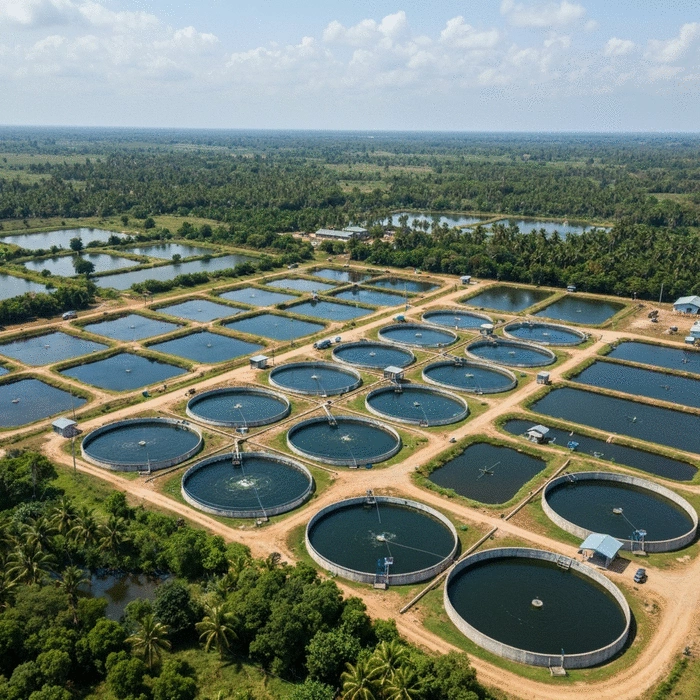
What makes this transformation particularly urgent is the speed at which it's happening. A farmer in Ogun State recently told me he watched three Chinese-backed fish farms open within 20 kilometres of his operation in just 18 months. His buyers started demanding lower prices, citing the competition. Without understanding market dynamics, you're making business decisions based on yesterday's reality.
The Unfolding Tale of Economic Opportunity
You need to understand what's driving this investment wave because it directly affects your market positioning. Chinese investors aren't choosing African aquaculture randomly—they're responding to specific economic signals that you should be tracking too. Urban populations in cities like Lagos, Accra, and Nairobi are growing by 4-6% annually, creating massive demand for affordable protein that traditional fishing can't meet.
The economics are compelling for large-scale investors. A 50-hectare tilapia farm in Kenya can produce 2,000 tonnes annually, generating revenues of approximately $3.2 million at current market prices. Chinese investors bring industrial efficiency that can achieve production costs 30-40% lower than traditional methods. This creates a pricing pressure that trickles down to every farmer in the region.
Key Investment Drivers You Should Monitor
- Urban population growth rates in your target markets
- Import dependency ratios for fish products in your country
- Infrastructure development (roads, cold storage, processing facilities)
- Government policies favouring aquaculture development
- Currency stability and investment protection agreements

What you're seeing isn't just about fish production—it's about entire value chain transformation. Chinese investors are building feed mills, processing plants, cold storage facilities, and distribution networks. They're creating integrated systems that can control costs from fingerling to final sale. If you're operating as an isolated producer, you're competing against vertically integrated operations with significant cost advantages.
The opportunity exists in understanding where you fit in this new ecosystem. Some farmers are becoming contract producers for Chinese operations, guaranteeing sales but accepting lower margins. Others are specialising in premium local varieties that industrial operations can't replicate efficiently. Your choice depends on understanding exactly what competitive advantages you can maintain.
What You Need to Know About Investment Trends
You want to track specific investment patterns because they predict where market competition will intensify next. Chinese aquaculture investment follows predictable patterns: they target countries with large domestic markets, stable governments, and existing infrastructure. Nigeria received $847 million in Chinese aquaculture investment in 2023, followed by Ghana at $312 million and Kenya at $198 million.
The investment focus reveals market opportunities you should consider. Catfish farming in Nigeria attracts the most Chinese investment because the domestic market consumes over 800,000 tonnes annually, with 60% currently imported. Tilapia operations in East Africa target both domestic consumption and export to Middle Eastern markets. Understanding these investment flows helps you identify which species and markets offer the most growth potential.
| Country | 2023 Investment (USD Million) | Primary Species Focus | Market Strategy |
|---|---|---|---|
| Nigeria | 847 | Catfish | Domestic consumption |
| Ghana | 312 | Tilapia | Regional export |
| Kenya | 198 | Tilapia | Export to Middle East |
| Uganda | 156 | Mixed species | Regional distribution |
Success stories from specific regions show both the opportunities and challenges you'll face. In Kebbi State, Nigeria, a Chinese-backed catfish operation produces 15,000 tonnes annually and employs over 400 local workers. Local farmers initially worried about competition, but many now supply fingerlings to the operation or focus on premium live fish sales that the industrial operation doesn't serve.
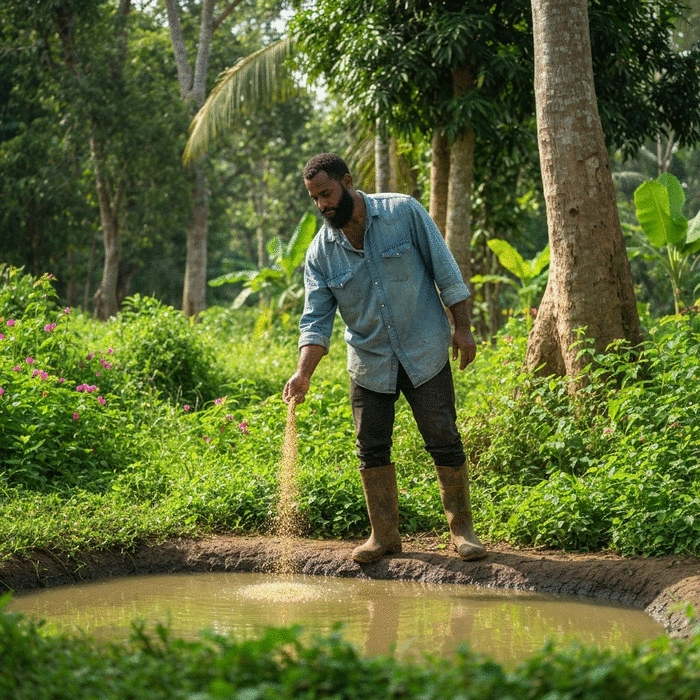
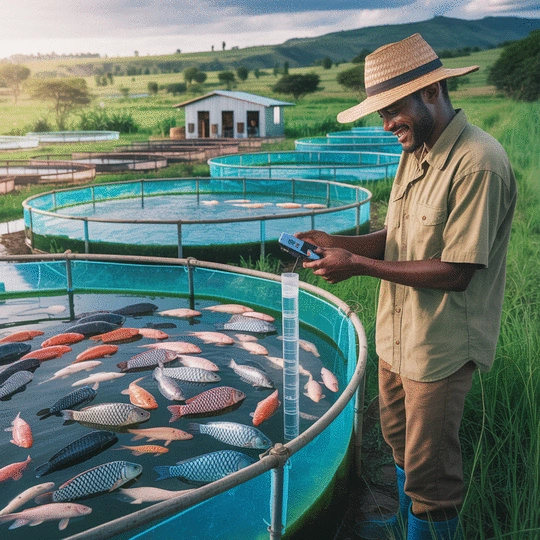
The technology transfer aspect creates opportunities for farmers willing to adapt. Chinese operations introduce recirculating aquaculture systems, automated feeding, and water quality monitoring that can increase productivity by 200-300%. Some local farmers are partnering with Chinese operations to access these technologies, trading some independence for significantly improved efficiency and profitability. You need to decide whether to compete directly, find a niche the large operations can't serve efficiently, or explore partnership opportunities. The farmers thriving in this new environment are those who understood the changes early and positioned themselves strategically rather than simply hoping the competition would go away.
| Key Points | Details |
|---|---|
| Investment Growth | Chinese investment in African aquaculture rose from $2.3 billion in 2019 to $4.1 billion in 2023. |
| Market Transformation | Large-scale operations are reshaping competition, with local farmers needing to adapt to survive. |
| Opportunity and Adaptation | Farmers can either compete directly, find niche markets, or explore partnerships with Chinese operations. |
| Environmental Concerns | Rapid aquaculture expansion raises issues related to water quality and local ecosystems. |
| Policy Influence | Bilateral agreements and local policies will shape the investment landscape and local farmers' roles. |
| Community Dynamics | Local farmers are forming alliances to strengthen their market position against larger competitors. |
| Long-Term Implications | Balancing economic gains with environmental responsibilities is crucial for sustainable aquaculture growth. |
How Policy Frameworks Shape the Landscape of Investment
You want to understand how policies influence the influx of Chinese investment in African aquaculture. Various bilateral agreements and governmental frameworks create the environment for these investments to flourish, directly impacting your operations as a local farmer. The Belt and Road Initiative (BRI) is a key player in this narrative. This Chinese strategy aims to enhance global trade routes, making countries like Nigeria and Ghana attractive to investors. As part of these frameworks, you might find that your market is inundated with cheaper fish from large-scale Chinese operations, which can threaten your income if you're not prepared.
The Role of Bilateral Agreements in Aquaculture Growth
You need to consider the treaties that facilitate these investments. These agreements often include provisions for infrastructure development, capital flow, and technology transfer. Chinese investors are frequently attracted to countries with supportive policies, and this trend can impact your business model. A farmer in Ghana recently shared that the establishment of a Chinese-owned processing plant not only opened new markets but also provided training on effective farming techniques. This highlights the potential benefits of such agreements.
Key Takeaways About Policy Frameworks
- Understand the local laws and regulations governing aquaculture.
- Monitor bilateral agreements that might impact your business.
- Engage with governmental initiatives to explore funding or training opportunities.
What Local Governments Are Saying
Local policymakers are increasingly vocal about the balance between foreign investment and supporting local farmers. They recognise the potential economic benefits but are also concerned about the sustainability of these investments. You should keep an eye on recent discussions in your region. For example, in Kenya, the government is pushing for regulations that require foreign investors to partner with local farmers. This is an opportunity for you to engage and potentially secure a partnership that is mutually beneficial.
You want to ensure you're involved in these conversations. Attend community meetings or local forums to voice your concerns and learn about upcoming regulations that could affect your operations.
Voices from the Ground: The Impact on Local Communities
You might be curious about how these investments are shaping the lives of small-scale farmers. The narratives emerging from communities provide insight into the real impacts—both positive and negative. In many regions, the arrival of large-scale operations has altered local economies. Some farmers have struggled to compete with the lower prices set by Chinese-backed farms. However, others have adapted successfully, using the presence of these companies to pivot their strategies.
The Stories of Small-Scale Farmers Amidst Big Investments
Consider the story of a farmer in Ogun State who began diversifying his offerings after a large Chinese catfish operation moved nearby. Initially worried about competition, he found a niche by supplying organic feed to local fish farms, including the new operation. This adaptability has allowed him to maintain a stable income. You want to think critically about your unique selling points. What can you offer that large-scale operations cannot? Identifying your strengths will help you navigate this shifting landscape effectively.
Community Dynamics to Watch
- Collaborate with local cooperatives to strengthen market position.
- Look for opportunities to supply goods or services to larger operations.
- Stay informed about changes in local policies that could impact your role.
Adapting to New Realities: Community Resilience

You must recognise that resilience is a key theme for local communities facing rapid changes. Many farmers are forming alliances to create stronger bargaining power against larger competitors. For instance, in Uganda, farmers have banded together to share resources and knowledge, thus enhancing their competitiveness. These grassroots movements are crucial for your survival in an industry that is becoming increasingly industrialised.
You want to explore the potential for collaboration within your community. Are there opportunities for collective marketing or shared resources that could reduce costs and increase your market presence?

Yomi Adisa
Yomi Adisa is the lead researcher at Fish Farming Business, where he studies what makes aquaculture ventures profitable across Africa. His research focuses on market patterns, buyer preferences, and the business decisions that determine success or failure in fish farming.