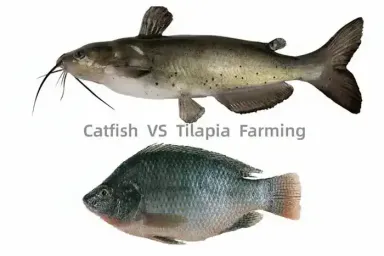

Understanding Fish Biology: Essential Guide for Profitable Farming

Posted on: 2025-11-02
By: Yomi Adisa
Fish farming is a gateway to sustainable livelihoods, particularly for many African farmers. By understanding the fundamentals of fish biology, you can improve your farming practices, maximise growth, and enhance your profitability. Whether you're in Nigeria, where catfish is a staple, or in Kenya, where tilapia reigns supreme, knowing how your fish function can make all the difference.
In this blog post, you'll discover how a solid grasp of fish biology can inform your decisions, from optimising feeding strategies to managing water quality. You'll learn about the critical stages of fish growth, stress responses, and the anatomy that influences health and viability. This knowledge not only helps prevent costly mistakes but also positions you to make informed choices that boost your business's bottom line.
As you navigate the realities of fish farming, such as disease outbreaks and fluctuating water conditions, understanding these biological concepts will empower you to address challenges effectively. By the end of this post, you'll be equipped with the insights needed to transform your fish farming venture into a more profitable and sustainable operation.
What You Will Learn
- How to optimise feeding strategies for different growth stages of fish.
- The significance of water quality management for fish health and growth.
- Key anatomical features of fish and their impact on overall well-being.
- Understanding fish stress responses and how to mitigate them.
- The importance of recognising optimal harvest times to maximise profits.
What is Fish Biology and Its Importance in Aquaculture
Definition of Fish Biology
Fish biology is the study of various aspects of fish, including their anatomy, physiology, behaviour, and ecology. Understanding these components is crucial in aquaculture as they directly influence your farming practices. For instance, knowing how fish interact with their environment helps you create optimal conditions for their growth.
The Role of Fish Biology in Aquaculture
Knowledge of fish biology enhances your farming decisions by allowing you to optimise conditions for growth. When you understand how fish develop and thrive, you can adjust feeding practices, improve water quality, and ultimately increase profitability. This knowledge can be the difference between a thriving business and a struggling one.
Relevance to African Fish Farmers
In Africa, fish farmers face unique challenges, such as disease prevalence and suboptimal water quality. By grasping fish biology, you can mitigate these issues more effectively. For example, a farmer in Nigeria noted a 25% increase in fish health after learning about the importance of water temperature and pH levels on fish well-being.
This kind of knowledge can save you thousands of naira in potential losses. To avoid common pitfalls, it is crucial to avoid these fish farming mistakes to ensure your operations are resilient and profitable.
Fish Anatomy Basics
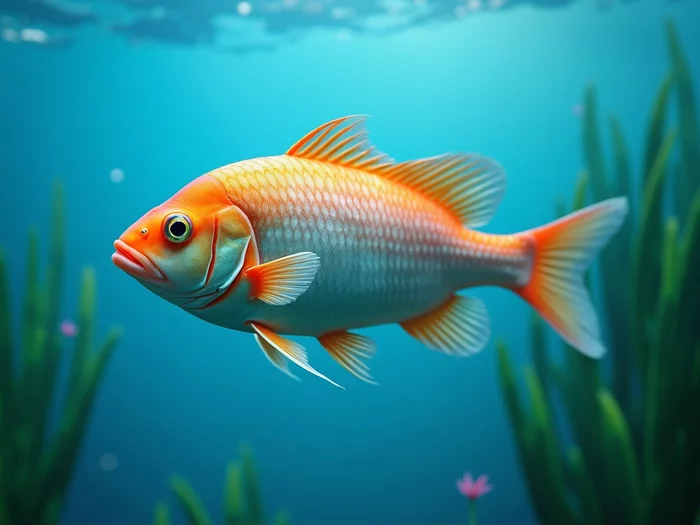
External Anatomy of Fish
The external anatomy of fish includes scales, fins, and gills, each serving crucial functions related to health and growth. Scales act as a protective barrier against parasites and physical damage, while fins are essential for movement and stability in water.
Understanding these structures helps you monitor fish health; for example, damaged fins could indicate stress or disease, leading to potential losses.
You want to inspect your fish regularly for any signs of wear on their fins or scales. If you notice abnormalities, it could be a signal that your fish are under stress, possibly from poor water quality or overcrowding. Addressing these issues promptly can save you from losing valuable stock and ensure your fish grow to market size.
Internal Anatomy of Fish
Internally, key organs like the heart and liver play vital roles in maintaining fish health. The heart circulates oxygen-rich blood throughout the body, while the liver processes waste and detoxifies harmful substances. If your fish exhibit lethargy or poor appetite, this could indicate internal health issues that stem from inadequate nutrition or water quality.
You should monitor your feeding practices closely to ensure your fish receive a balanced diet. For instance, a farmer in Uganda improved his fish health significantly after switching to a high-quality feed, resulting in healthier fish and a projected increase in profits of ₦150,000 over six months.
This emphasises the importance of understanding internal anatomy and its connection to management practices. For further insights into establishing your farm, explore setting up a fish farm effectively to achieve long-term success.
The Importance of Gill Function
Gills are essential for the uptake of oxygen in fish. When water quality declines and oxygen levels drop, your fish may struggle to breathe, leading to stress and potential mortality. You need to regularly monitor water quality parameters, such as pH and ammonia levels, to ensure your fish thrive.
For example, if your water's ammonia levels exceed 0.02 mg/L, your fish can experience gill damage, leading to poor growth and increased mortality rates. By testing your water weekly, you can catch issues early and prevent losses that could amount to hundreds of thousands of naira. Establishing a routine for water quality checks is an essential step in protecting your investment.
Physiological Systems That Affect Fish Growth and Health
Digestive System and Feeding Strategies
The digestive system of fish directly influences their growth rates. Efficient digestion ensures optimal nutrient absorption, which is critical for maintaining health and promoting growth. You want to adopt feeding strategies that maximise these processes; for instance, providing high-quality feed specifically formulated for the fish species can significantly enhance growth rates.
Consider the feeding frequency as well. Research shows that feeding smaller amounts several times a day can lead to better digestion and growth compared to larger, less frequent meals. By optimising your feeding strategies, you can improve your fish's growth rates, potentially increasing profits by up to 30% over time.
Circulatory and Respiratory Systems
The circulatory and respiratory systems are crucial for a fish's ability to respond to stress and resist disease. Poor water quality can overwhelm these systems, leading to increased vulnerability to infections. As a farmer, maintaining clean, oxygen-rich water is essential for enhancing your fish’s resilience.
If you find your fish are more susceptible to diseases, check for signs of stress in their environment. Regular water changes and proper aeration can help maintain optimal conditions, ultimately protecting your investment and improving your productivity. Understanding types of fish farming systems can help you choose the best approach for your specific needs.
Stress Responses in Fish
Fish exhibit physiological stress responses that can stunt growth and lead to health issues. Identifying stressors—such as overcrowding, poor water quality, or abrupt environmental changes—is essential for minimising their impact. By implementing effective management practices, such as ensuring adequate tank space and stable water conditions, you can enhance productivity.
For example, overcrowding not only stresses your fish but can also lead to disease outbreaks. A farmer in Akwa Ibom reported losing ₦100,000 worth of fish due to overcrowding in his tank. By understanding stress responses, you can take proactive measures that lead to healthier fish and higher profits.
Growth and Development Stages of Fish
Life Cycle of Fish
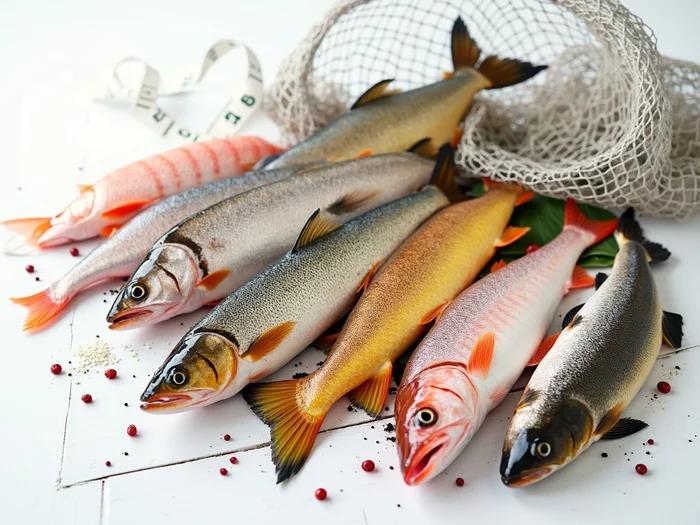
Understanding the life cycle of fish—from egg to adult—is crucial for successful fish farming. Fish generally undergo several stages, starting as eggs, then hatching into fry, transitioning to fingerlings, and finally maturing into adults. Each stage has specific environmental requirements for optimal growth, such as water temperature and quality, which you must monitor closely.
For instance, tilapia eggs hatch within 2-4 days, depending on water temperature, while catfish require around 24-72 hours. During the fry stage, fish are particularly vulnerable and need stable water conditions to thrive. Knowing these timelines and conditions helps you plan your production schedule and prepare for potential challenges.
Why does this matter to your profits? If you can time your production to coincide with market demand for specific sizes, you can maximise your sales potential. Missing these windows can result in lower prices at market or even unsold stock, costing you significantly.
Factors Influencing Growth Rates
Several factors influence the growth rates of fish, including water quality, temperature, and diet. Poor water quality can lead to stunted growth or increased mortality rates. Regular testing of water parameters like pH, ammonia, and nitrite levels is vital. For example, if ammonia levels exceed 0.02 mg/L, your fish may experience stress, leading to poor health and growth.
Temperature is another crucial factor. For instance, tilapia grow best at temperatures between 28°C and 32°C. Deviations from this range can slow growth or even lead to mortality. You should use water heaters or coolers to maintain ideal temperatures, which may require an initial investment but can pay off through increased growth rates.
When do you need to know this? Implementing effective water management and ensuring the correct diet from the start can lead to a 20-30% increase in growth rates, directly impacting your profitability.
Identifying Optimal Harvest Times
Knowing when to harvest your fish is just as important as growing them. Monitoring growth metrics such as size and weight will help you determine the best harvest times. For instance, catfish are often ready for harvest when they reach around 1-1.5 kg, typically taking 6-8 months from stocking.
To assess whether your fish are ready for market, you should regularly weigh samples and compare them against market demands. Being able to offer a consistent size can attract better prices, as buyers prefer uniformity. If you miss the optimal size, you might have to sell at lower prices or hold your fish longer than necessary, incurring extra feed costs.
This can save you money. If you can harvest 1,000 catfish at ₦1,200 each rather than waiting and risking price drops, you stand to gain ₦1,200,000 instead of potentially lower prices when the market saturates.
Linking Fish Biology to Practical Farming Applications

Integrating Biology Knowledge into Daily Farming Practices
Integrating your knowledge of fish biology into daily farming practices can drastically enhance your operation's efficiency. For example, you can tailor feeding schedules based on growth stages. Younger fish require more frequent feeding with smaller portions, while adults can be fed less frequently with larger portions.
Implementing these practices not only optimises fish health but can significantly reduce feed costs. If you overfeed, it leads to wasted feed and poor water quality, which in turn stresses your fish and affects growth. Conversely, underfeeding can stunt growth rates and reduce your overall yield.
Consider this: adjusting your feeding strategy can improve growth rates by 15-20%, translating to higher profits. Therefore, investing time in understanding your fish's needs pays off.
Adapting to Environmental Conditions
Your understanding of local water conditions and climate is fundamental to successful fish farming. For instance, if you are farming tilapia in Ghana where the water is generally warmer, you may need to adjust your feeding and care methods to accommodate quicker growth rates. Recognising how these factors influence biology allows you to adapt your practices accordingly.
In addition, you need to be aware of seasonal changes that affect fish behaviour and health. For example, fish might become less active during colder months, impacting feeding schedules and growth rates. Planning for these shifts can prevent losses and ensure steady production throughout the year.
What problem does this solve? Proper adaptation to environmental conditions can save you from unexpected losses, ultimately leading to a more consistent and profitable operation. By responding to local conditions, you can maintain healthy stocks and meet market demands effectively.
Sustainable Practices in Fish Farming
Implementing sustainable practices is not only environmentally responsible but also beneficial for your business. For instance, responsible breeding techniques help maintain healthy stock and can lead to better growth rates. By selecting broodstock with desirable traits, you can enhance the quality of your fish.
Feed management is also crucial. Opting for high-quality, sustainable feed can lead to better growth rates and reduce waste. Additionally, implementing practices like rotifer and artemia culturing can provide live food for young fish, ensuring a nutrient-rich diet that promotes faster growth.
Why does this matter to your profits? Sustainable practices can attract environmentally conscious consumers and lead to premium pricing for your products. Establishing your farm as a leader in sustainability can also build brand loyalty and open up new market opportunities, which is vital in a competitive market.
Conclusion and Call to Action
Understanding fish biology is crucial for your success in aquaculture. By grasping the anatomy, physiology, and life cycle of the species you farm, you can make informed decisions that lead to healthier fish and higher profits. If you fail to monitor water quality or recognise growth stages, you risk losing stock and income.
It's essential to apply this knowledge in practical ways—optimising feeding schedules, managing stress levels, and determining the right time to harvest can significantly impact your bottom line. Ignoring these aspects could mean the difference between a thriving business and one that struggles to break even.
As you move forward, seek out resources and training opportunities that deepen your understanding of fish biology in the context of local farming practices. Workshops, online courses, and community programmes can equip you with the skills to enhance your operations and build a more profitable fish farming business.
Stay proactive in your learning journey, and continually seek ways to integrate biological insights into your daily farming practices. This investment in knowledge will pay off in the long run.
Frequently Asked Questions
Why is understanding fish biology essential for African fish farmers?
Understanding fish biology is crucial because it enables you to make informed decisions about feeding, water quality, and disease prevention, which are especially vital given the unique challenges faced in Africa. This knowledge helps you optimise growth, reduce losses, and increase profitability by tailoring your farming practices to the specific needs of your fish.
How does external fish anatomy inform my farming practices?
Your fish's external anatomy, including scales, fins, and gills, serves as an indicator of their health. Regularly inspecting these structures for damage or abnormalities can help you detect stress, parasites, or diseases early. This allows you to intervene promptly, preventing significant losses and ensuring your fish develop properly.
What role do gills play in fish health and what should I monitor?
Gills are vital for oxygen uptake, making them critical for fish survival and health. You should regularly monitor water quality parameters like oxygen levels, pH, and ammonia. Poor water quality can damage gills, leading to breathing difficulties, stress, and increased mortality, which directly impacts your farm's productivity and profitability.
How can I optimise feeding strategies based on fish physiology?
Optimising feeding strategies involves understanding your fish's digestive system and growth stages. Providing high-quality, species-specific feed and adjusting feeding frequency (e.g., smaller, more frequent meals for younger fish) can significantly enhance nutrient absorption and growth rates. This approach minimises feed waste and improves overall fish health and yield.
Why is it important to identify optimal harvest times?
Identifying optimal harvest times is crucial for maximising your profits. By monitoring growth metrics like size and weight, you can harvest your fish when they meet market demand for specific sizes and command better prices. Missing this window can lead to lower sales prices or increased feed costs if you hold fish longer than necessary.

Yomi Adisa
Yomi Adisa is the lead researcher at Fish Farming Business, where he studies what makes aquaculture ventures profitable across Africa. His research focuses on market patterns, buyer preferences, and the business decisions that determine success or failure in fish farming.