
What Is Fish Farming? An Overview of Aquaculture
Posted on: 2025-10-27
By: Yomi Adisa
Have you ever wondered how fish farming works and why it has become a crucial part of food production in Africa? At its core, fish farming, or aquaculture, involves the breeding and rearing of fish in controlled environments, offering a sustainable source of protein for millions.
In this blog post, you will explore the fundamentals of fish farming, from understanding various aquaculture practices to examining the different systems employed across the continent. You’ll gain insights into common fish species cultivated in Africa, discover the benefits that fish farming brings to local economies, and learn about the environmental impacts associated with these practices.
Whether you’re an aspiring fish farmer in Nigeria or an established producer in Kenya, this guide aims to equip you with the essential knowledge to navigate the complexities of the fish farming business effectively.
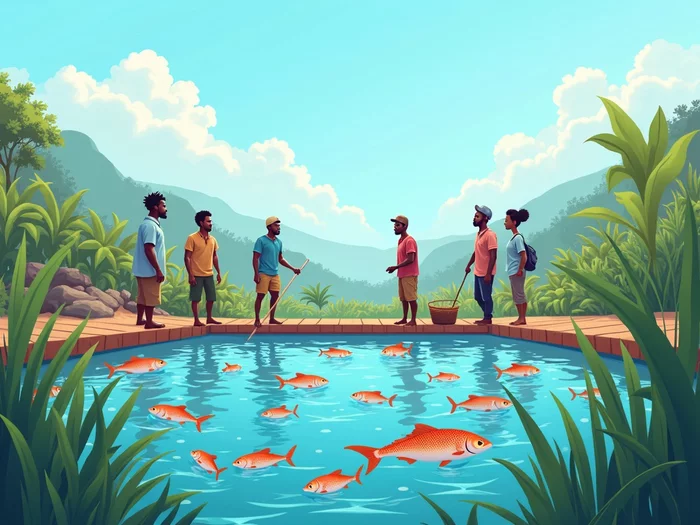
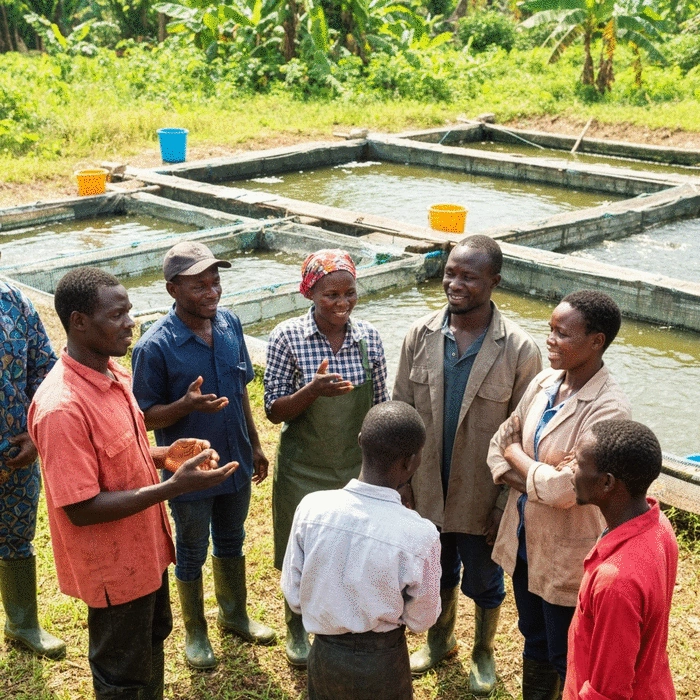
Create a professional and educational hero image illustrating the concept of fish farming, featuring a vibrant aquaculture setting in Africa. The scene should depict a diverse group of local fishermen and aquaculture experts collaborating at a well-maintained fish farm, with clear tanks filled with healthy fish, lush greenery, and a bright blue sky in the background. Ensure the lighting is bright and natural, highlighting the colours and textures of the fish and the surrounding environment, while maintaining high clarity for an informative visual. The composition should convey a sense of community and sustainability, making it suitable for an educational blog focused on aquaculture practices in Africa.
Understanding the Basics of Fish Farming
Fish farming, often referred to as aquaculture, is the practice of cultivating fish in controlled environments. This method can be applied in various settings, such as freshwater ponds, lakes, rivers, or marine environments. Unlike traditional fishing, which relies on wild-caught species, fish farming ensures a steady supply of fish through breeding, feeding, and harvesting within a managed ecosystem. This approach not only provides food for human consumption but also supports economic development in many communities, particularly in Africa.
In Africa, the demand for fish is significant. Countries like Nigeria, Ghana, and Kenya are increasingly turning to fish farming to meet local consumption needs. Fish farming can help reduce the pressure on wild fish stocks, which have been overexploited in many regions. By establishing fish farms, you can contribute to food security while also exploring a viable business opportunity.
Key Concept
Fish farming allows for the sustainable production of fish, providing a consistent food source and economic opportunities while reducing dependency on wild fisheries.
Aquaculture practices vary widely, depending on the species being farmed, local conditions, and market demands. Common methods include pond culture, cage culture, and recirculating aquaculture systems (RAS). Each method has its own set of requirements and can be tailored to fit different scales of operation, from small family-run farms to large commercial enterprises.
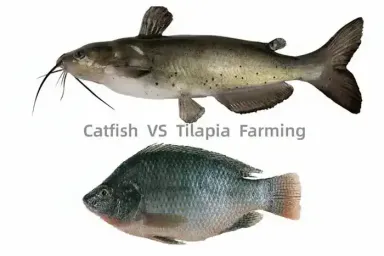
In Nigeria, for example, the fish farming industry has gained traction with the rise of catfish and tilapia production, two species that are well-suited to local conditions. Farmers often start small, learning the nuances of fish care and management while also assessing market conditions. These experiences can provide valuable insights that inform future production decisions.
As you explore fish farming, it's crucial to understand the specific practices that will best suit your local environment and market needs. This knowledge will form the foundation of a successful fish farming venture, allowing you to navigate the complexities of aquaculture effectively. You can learn more about effective fish farming techniques to optimise your operations.
Types of Fish Farming Systems
In aquaculture, the choice of farming system significantly influences your operational efficiency and productivity. Each system has its own advantages and challenges, catering to different scales of production and species of fish.
Pond Systems
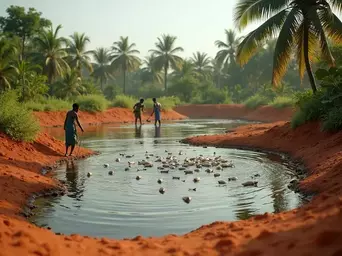
Pond systems are among the most traditional forms of fish farming and remain popular in many African countries. These systems involve creating artificial ponds specifically designed for fish cultivation. You can stock various fish species in these ponds, with tilapia and catfish being common choices in Nigeria and Ghana.
The advantages of pond systems include lower initial investment costs and the ability to manage large volumes of fish in a controlled environment. However, they require diligent management of water quality, feeding strategies, and fish health. Regular monitoring of parameters like pH and dissolved oxygen levels is essential to ensure optimal growth conditions.
One key aspect of pond systems is the natural food chain. Organisms like plankton can thrive in these environments, which can supplement the fish diet and reduce feed costs. However, this requires a balanced approach to stocking densities and feeding to maintain water quality.
Cage Systems
Cage systems involve raising fish in floating enclosures, typically placed in larger bodies of water, such as lakes or coastal areas. This method is popular in regions with sufficient water bodies, such as Lake Victoria, where many Kenyan farmers use cages to cultivate tilapia and Nile perch.
The major benefit of cage farming is the efficient use of space, allowing for higher stocking densities. However, this system can pose risks, including exposure to environmental factors and disease transmission from wild fish. Farmers must implement strong biosecurity measures and monitor fish health closely.
Cage farming allows for the easy exchange of water, which can help maintain better water quality. However, you will need to consider the impact of environmental conditions, such as currents and temperature fluctuations, which can affect fish growth and survival rates.
Recirculating Aquaculture Systems (RAS)
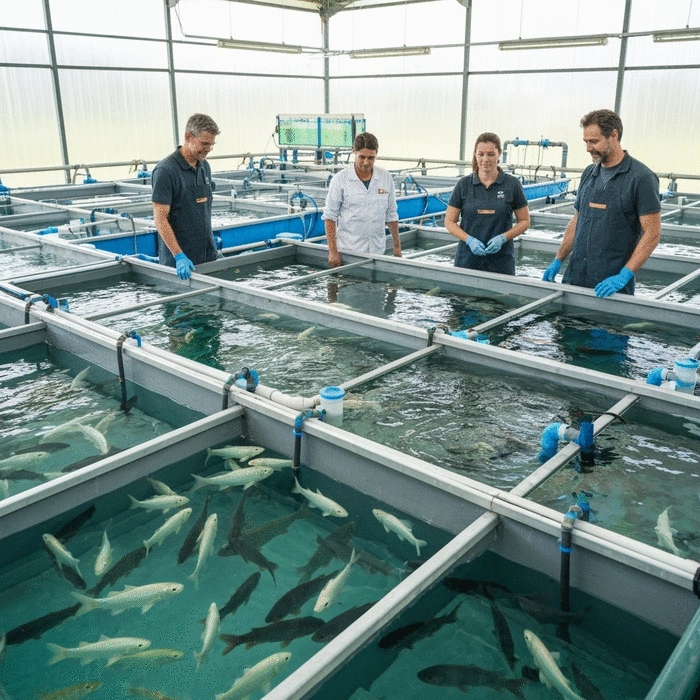
Recirculating aquaculture systems (RAS) represent a more advanced approach to fish farming, utilising technology to create a controlled environment. These systems recirculate water through filtration and treatment processes, allowing for intensive fish farming in smaller spaces. RAS is gaining traction in urban areas of Africa where land is limited.
The primary advantage of RAS is its ability to maintain optimal water quality and reduce water usage, making it an environmentally sustainable choice. However, the initial setup costs can be high, and farmers need a good understanding of technology and management practices to operate them effectively.
In South Africa, RAS has been adopted for species such as trout and tilapia, demonstrating its versatility. By ensuring precise control over environmental conditions, RAS can lead to faster growth rates and higher fish yields. Despite the challenges, RAS offers a pathway to sustainable fish farming, particularly in regions facing water scarcity. To avoid major setbacks, it's wise to be aware of common fish farming mistakes when setting up your system.
Common Fish Species in Aquaculture
Understanding the fish species that thrive in aquaculture is essential for selecting the right species for your farm. Different species have varying requirements and market demands, which can significantly affect your profitability.
Freshwater Fish: Tilapia and Catfish
Tilapia is one of the most popular freshwater fish for farming in Africa. This species is known for its rapid growth, hardiness, and ability to thrive in various environmental conditions. In Nigeria, tilapia has gained popularity due to its favourable market prices and high demand among consumers.
Catfish is another common choice among fish farmers, particularly in Nigeria and Ghana. Its high market value and adaptability to different farming systems make catfish an attractive option. Farmers appreciate its resilience and the ease with which it can be cultivated in pond systems.
Both tilapia and catfish provide a steady source of protein and have become staples in local diets. Understanding the specific needs of these species, including optimal water conditions and feeding requirements, is crucial for successful farming.
Marine Fish: Salmon and Others
While freshwater fish dominate aquaculture in Africa, marine fish farming is also growing, particularly in coastal regions. Salmon is a well-known marine species, although it's more commonly farmed in cooler climates. In some parts of Africa, such as Morocco, efforts are underway to cultivate marine species that suit local conditions.
Other marine species like barramundi and red drum are becoming popular due to their market potential and adaptability to farming systems. As demand for high-quality protein rises, you may find opportunities to diversify into marine fish farming, particularly if you have access to coastal waters.
Focusing on species that are in demand in your region allows you to better align your production with market trends, which is essential for maximising profitability in your fish farming venture.
Benefits of Fish Farming
Fish farming offers numerous advantages that extend beyond just providing a source of protein. Understanding these benefits can help you appreciate the role of aquaculture in economic and community development.
Contributions to Food Security
One of the most significant benefits of fish farming is its contribution to food security. As the global population continues to grow, the demand for sustainable protein sources increases. By engaging in fish farming, you can help meet local dietary needs and reduce reliance on wild fish stocks, which are often overexploited.
In many African countries, fish farming can significantly increase the availability of affordable protein, particularly in urban areas where access to fresh fish can be limited. By producing fish locally, you can contribute to a more resilient food system that supports community health and nutrition.
Furthermore, fish farming provides a consistent food supply, which is essential for maintaining stable prices in local markets. This predictability benefits both consumers and farmers alike.
Economic Opportunities for Farmers
Fish farming presents various economic opportunities, allowing you to create a viable business while contributing to local economies. The aquaculture sector can generate income for families, create jobs, and stimulate local economies through the sale of fish and related products.
As a fish farmer, you can tap into local and regional markets, increasing your financial independence. With careful planning and market research, you can identify profitable niches and establish buyer relationships that enhance your revenue potential.
Investing in fish farming can lead to diversification of income sources, particularly for small-scale farmers who may also engage in crop production. This integration can help mitigate risks associated with market fluctuations and agricultural challenges.
Environmental Considerations and Sustainability
Fish farming, when practised responsibly, can have positive environmental impacts. By adopting sustainable aquaculture practices, you can help reduce overfishing pressures on wild stocks while promoting biodiversity and ecosystem balance.
Sustainable fish farming techniques include integrated aquaculture, which combines fish production with other agricultural practices, allowing for efficient resource use. For example, using fish waste as fertiliser for crops can create a closed-loop system that benefits both fish and plant production.
Additionally, responsible farming practices can minimise water usage and reduce pollution, contributing to the overall health of local ecosystems. By prioritising sustainability, you help ensure that fish farming remains a viable and eco-friendly food production method for future generations.
Environmental Impact of Fish Farming
While fish farming has many benefits, it is essential to consider its environmental impacts. Understanding these aspects will help you adopt practices that mitigate negative effects while enhancing the sustainability of your operations.
Pollution and Water Quality Issues
One of the primary concerns associated with fish farming is the potential for water pollution. The accumulation of waste, uneaten feed, and chemicals can lead to degraded water quality, affecting both fish health and the surrounding ecosystem. It is crucial to implement effective waste management strategies to minimise these impacts.
Monitoring water quality parameters is essential to ensure a healthy environment for your fish. Regular testing for parameters like pH and dissolved oxygen levels is necessary to maintain optimal conditions. In Nigeria, many farmers use simple water testing kits to stay informed about their pond conditions.
By adopting practices such as effective feed management and ensuring proper stocking densities, you can reduce pollution levels and promote a healthier aquatic environment. This can enhance fish growth and productivity while benefiting the surrounding ecosystem.
Fish Welfare and Ethical Concerns
Fish welfare is an important consideration in aquaculture, as fish are living creatures requiring care and respect. Poor handling, overcrowding, and inadequate living conditions can lead to stress and disease in fish populations.
It's essential to adhere to best practices for fish husbandry, including proper stocking densities, appropriate feed, and regular health monitoring. By prioritising fish welfare, you contribute to the sustainability of your farming operation and the ethical considerations of aquaculture.
Incorporating humane practices in your farming methods can also enhance consumer confidence, as more buyers are increasingly concerned about the ethical implications of their food sources. By demonstrating a commitment to fish welfare, you may find opportunities to access premium markets.
Sustainable Practices in Fish Farming
Implementing sustainable practices is key to minimising the environmental impact of fish farming. Techniques such as integrated aquaculture, which combines fish farming with crop production, can lead to more efficient resource utilisation.
Utilising local feed ingredients can also enhance sustainability by reducing reliance on imported feeds. Many farmers in Africa are exploring the use of agricultural by-products as fish feed, contributing to a circular economy.
Furthermore, promoting biodiversity by incorporating a variety of species in your farming systems can help maintain ecosystem balance. By adopting these sustainable practices, you can contribute to a more responsible approach to fish farming that benefits your business and the environment.
How to Start a Fish Farm: Step-by-Step Guide
Starting a fish farm requires careful planning and execution. By following a structured approach, you can establish a successful aquaculture operation that meets your goals.
Assessing Market Demand and Species Selection
Before diving into fish farming, it's essential to assess market demand in your area. Research which fish species are popular among consumers and identify any gaps in the local market. This information will guide your species selection and production strategy.
For instance, in Nigeria, tilapia and catfish are in high demand. Understanding seasonal trends and consumer preferences will enable you to align your production with market needs. Engage with local buyers, traders, and consumers to gather insights that can inform your decisions.
Once you have a clear understanding of market demand, select fish species that are not only commercially viable but also suited to your local environment. Consider factors like growth rates, feeding habits, and water quality requirements to choose species that will thrive in your farm.
Setting Up Your Fish Farming System
After selecting your species, the next step is to establish your fish farming system. This involves choosing the right farming method—pond, cage, or RAS—based on your resources and goals.
When setting up your system, ensure that you have access to clean water and adequate space for your fish. For pond systems, this may involve excavation and pond lining, while cage systems require proper anchoring and buoyancy considerations. If you opt for RAS, prepare for the investment in technology and equipment.
Additionally, invest time in designing your system for optimal management. Incorporate features such as aeration, filtration, and monitoring tools to maintain water quality and fish health effectively.
Stocking Your Farm: Best Practices
Once your farm is set up, it's time to stock your fish. Acquire fingerlings from reputable hatcheries to ensure healthy stock. In Nigeria, many farmers start with catfish fingerlings, while others may prefer tilapia, depending on market demand.
When stocking, follow best practices for density to avoid overcrowding, which can lead to stress and disease. Monitor fish growth and adjust feeding strategies accordingly to optimise performance.
Regularly observe your fish for signs of health issues and make necessary adjustments to your management practices. By prioritising careful stocking and monitoring, you can set the foundation for a successful fish farming venture.
Common Challenges in Fish Farming
While fish farming can be rewarding, it also presents several challenges that require attention and management. Understanding these challenges will help you navigate potential obstacles effectively.
Disease Management and Biosecurity
Disease management is a critical aspect of fish farming, as outbreaks can lead to significant losses. Implementing robust biosecurity measures is essential to prevent disease introduction into your farm.
This includes regular health monitoring of your fish and maintaining proper hygiene in your farm environment. Quarantine protocols for new stock and strict entry policies for equipment and personnel can help reduce the risk of disease transmission.
Incorporating vaccinations and preventive treatments can further enhance your farm's resilience against disease outbreaks. By prioritising health management, you can maintain robust fish populations and protect your investment.
Market Fluctuations and Economic Challenges
Market fluctuations can impact your profitability in fish farming, as prices for fish can vary significantly based on demand and supply dynamics. Staying informed about market trends is crucial for making timely decisions regarding production and sales.
Engage with local traders and buyers to gain insights into pricing patterns and consumer preferences. By understanding the timing of peak demand periods, you can strategise your production schedules to maximise profits.
Additionally, consider diversifying your product offerings to include value-added products such as smoked or processed fish. This can provide alternative revenue streams and reduce reliance on fluctuating fresh fish prices.
Environmental Regulation Compliance
As a fish farmer, you must adhere to environmental regulations to ensure sustainable practices. This can involve obtaining necessary permits, following local guidelines on water usage, and managing waste effectively.
Familiarising yourself with the regulatory landscape in your region will help you maintain compliance and avoid potential legal issues. Engaging with local agricultural or aquaculture organisations can provide valuable resources and support in navigating these requirements.
By prioritising compliance and sustainability, you can contribute to the long-term viability of your fish farming operation while protecting the environment.
Fish Farming Around the World
Fish farming is a global industry that varies in practice and scale across different regions. Understanding regional practices and global trends can provide valuable insights into your fish farming strategy.
Regional Practices in Africa
In Africa, fish farming practices differ based on local cultures, resources, and environmental conditions. Countries like Nigeria, Ghana, and Kenya have developed unique aquaculture approaches that cater to their specific needs.
For example, Nigeria has seen significant growth in catfish farming, with farmers adopting various techniques to enhance production efficiency. In contrast, Ghana has focused on tilapia cultivation, leveraging its favourable climate and market demand.
Exploring regional practices can offer you valuable lessons and inspiration for improving your own fish farming operations. Engaging with local farming communities can foster knowledge exchange and collaborative opportunities.
Global Trends and Innovations
Globally, fish farming is evolving with technological advancements and innovative practices. Trends such as sustainable aquaculture, precision farming, and aquaponics are gaining popularity as farmers seek to enhance efficiency and reduce environmental impact.
These innovations can inform your practices and offer opportunities for improvement. For instance, aquaponics combines fish farming with plant cultivation, creating a symbiotic system that maximises resource use and minimises waste. You can gain further insights by exploring current fish market trends in Africa.
By staying informed about global trends, you can position your farm for future success and sustainability. Participating in workshops, conferences, and online forums can help you connect with industry experts and learn about emerging practices.
Future of Fish Farming in Developing Countries
The future of fish farming in developing countries looks promising, driven by increasing demand for sustainable protein sources. As populations grow and urbanisation accelerates, the need for efficient food production methods becomes more critical.
Investments in aquaculture infrastructure, training, and technology will play a significant role in shaping the future of fish farming. Collaborating with government agencies, NGOs, and educational institutions can provide valuable resources and support for your farming endeavours.
By embracing innovation and sustainability, you can contribute to the growth of aquaculture as a vital component of food security and economic development in your region.
Next Steps for Aspiring Fish Farmers
As you consider embarking on your fish farming journey, taking proactive steps can help ensure your success. By utilising available resources and building a supportive network, you can enhance your farming capabilities.
Resources and Support for New Farmers
Several resources are available to assist aspiring fish farmers in Africa. Local agricultural extension services often provide training, technical support, and access to funding opportunities. Engage with these services to gain valuable insights and guidance tailored to your region.
Additionally, online platforms, including forums and social media groups, can connect you with other farmers and industry experts. Participating in discussions and sharing experiences can enhance your learning and expose you to diverse perspectives.
Consider joining local fish farming associations or cooperatives. These organisations can offer networking opportunities, training workshops, and access to shared resources, all of which can bolster your farming efforts.
Networking and Community Building
Building a network of fellow fish farmers and industry professionals can provide invaluable support as you navigate your fish farming journey. Attend local aquaculture events and workshops to meet other farmers and exchange ideas.
Collaborating with others in your community can lead to joint ventures, resource sharing, and collective problem-solving. This sense of community can enhance the sustainability of your farming practices and contribute to the overall growth of the aquaculture sector in your region.
Utilising social media to connect with other fish farmers can also broaden your network and provide access to a wealth of knowledge and experience.
Continuous Learning and Development Opportunities
The aquaculture industry is constantly evolving, with new technologies and practices emerging regularly. As an aspiring fish farmer, it is essential to stay informed and engage in continuous learning.
Consider pursuing further education in aquaculture, business management, or sustainable farming practices. Various online courses and training programmes can provide you with relevant knowledge and skills to enhance your farming operations.
Engaging with research and industry publications will keep you up to date with the latest trends and innovations in fish farming. By committing to ongoing education, you can position yourself for long-term success in the ever-changing aquaculture landscape.
How Does Fish Farming Work?
Fish farming is a structured process that involves several critical steps to ensure the successful cultivation of fish. Understanding this process will help you make informed decisions as you embark on your aquaculture journey.
The Fish Farming Process
The fish farming process typically begins with site selection. You need to choose a location that offers access to clean water, ample space, and the right climate for the species you intend to farm. For instance, tilapia thrives in warm waters and is often farmed in tropical regions like Nigeria and Ghana, where temperatures are consistently suitable for their growth.
Once the site is selected, the next step is to prepare the farming system. This may involve constructing ponds, installing cages, or setting up recirculating aquaculture systems (RAS). Each of these systems has its own advantages and challenges. For example, pond systems are generally less expensive to set up but require careful management of water quality and fish density. On the other hand, RAS can be more costly to establish but offer greater control over environmental conditions, making them particularly suitable for high-value species like salmon.
After setting up the system, you’ll need to stock your farm with fish. This involves acquiring healthy fingerlings from reputable hatcheries, which is essential for ensuring robust growth and disease resistance. In Nigeria, many farmers opt for catfish fingerlings, while those in Uganda may prefer tilapia, depending on market demands. Proper stocking densities should be maintained to prevent overcrowding, which can lead to stress and disease.
Feeding your fish is a critical component of the farming process. You must provide a balanced diet that meets the nutritional requirements of the species you are farming. In many cases, commercial fish feeds are used, but some farmers in Kenya have begun integrating local ingredients to reduce costs and enhance sustainability. Monitoring feed conversion rates and growth patterns will help you assess the effectiveness of your feeding strategy.
Finally, as the fish grow, regular monitoring is vital. You should track their health, growth rates, and water quality parameters, adjusting your management practices accordingly. For instance, if you notice a drop in water quality due to high stocking densities, you might need to implement aeration strategies or reduce the biomass in the system.
Key Components of Successful Fish Farming
Several key components determine the success of your fish farming venture. First and foremost is water quality management. Clean, oxygenated water is essential for fish health and growth. Regular testing for parameters like pH, ammonia, nitrite, and dissolved oxygen should be a routine part of your farming operations. In Nigeria, many farmers utilise simple testing kits to keep track of these parameters, ensuring their fish have optimal living conditions.
Another crucial aspect is biosecurity. This involves implementing measures to prevent disease outbreaks, which can devastate fish stocks. For example, creating barriers to avoid contamination from wild fish or integrating quarantine protocols when introducing new fish can significantly mitigate risks. Farmers should also observe their fish daily for signs of illness, as early detection is key to preventing widespread issues.
Lastly, having a solid understanding of market dynamics is vital. You should stay informed about demand trends for the species you are farming. In Ghana, for instance, the popularity of tilapia has surged, which has led to increased competition among farmers. By understanding market demands, you can time your harvests to coincide with peak prices, maximising your profitability.
Implementing these components effectively can set the foundation for a successful fish farming enterprise. By focusing on water quality, biosecurity, and market awareness, you position yourself to navigate the complexities of fish farming with greater ease.
Frequently Asked Questions
Question 1: What exactly is fish farming?
Fish farming, also known as aquaculture, is the practice of cultivating fish in controlled environments, usually for commercial purposes. It involves breeding, rearing, and harvesting fish in various types of water bodies, including ponds, rivers, and ocean enclosures. In Africa, fish farming is becoming increasingly vital for food security and economic development, providing a sustainable source of protein and income for many communities. This method allows for the production of fish species that meet local market demands while helping to reduce overfishing in natural waters.
Question 2: What are the main types of fish that are farmed?
There are several species commonly farmed, including tilapia, catfish, and trout. In Africa, tilapia is particularly popular due to its fast growth rate and adaptability to various environmental conditions. Catfish farming also thrives, especially in countries like Nigeria, where it is a staple protein source. Understanding which species are most suitable for your region's climate and market demand is crucial for your success as a fish farmer.
Question 3: What are the benefits of fish farming compared to wild fishing?
Fish farming offers numerous advantages over wild fishing, including a more stable supply of fish and better control over breeding and feeding practices. This leads to healthier fish stocks and consistent quality. Additionally, fish farming helps alleviate overfishing pressures on natural populations, thus contributing to the conservation of aquatic ecosystems. In many African countries, fish farming can also generate employment opportunities and support local economies through the establishment of fish markets and related businesses.
Question 4: How can I ensure the profitability of my fish farming business?
To ensure profitability in your fish farming venture, you need to conduct thorough market research to understand demand, pricing, and buyer preferences in your area. Timing your production to align with peak demand seasons can significantly boost your sales. Building relationships with local buyers, such as markets and restaurants, will also enhance your ability to negotiate better prices for your fish. Additionally, focusing on sustainable practices not only helps in maintaining fish health but can also attract a growing segment of environmentally-conscious consumers.
Question 5: What are the key challenges faced in fish farming?
Fish farming can present several challenges, including disease management, water quality maintenance, and feed costs. In Africa, limited access to quality resources, equipment, and training can also hinder success. Proper management practices, such as regular monitoring of water quality and fish health, are essential to mitigate these challenges. Moreover, staying informed about market trends and potential regulatory changes can help you adapt your business strategies effectively, ensuring long-term sustainability and profitability.
Conclusion
Understanding fish farming is crucial for anyone considering this venture. From the basics of aquaculture practices to the various systems and species available, you now have a clearer picture of what it entails. The benefits of fish farming, including food security and economic opportunities, are significant, but so are the challenges, such as disease management and market fluctuations.
As you contemplate starting your fish farming journey, remember to assess market demand and choose the right species for your region. Establishing a sustainable and profitable business requires continuous learning and adaptation to environmental considerations and ethical practices.
Take the next step by exploring resources specific to your needs and connecting with fellow farmers. Building a network and seeking out support can provide valuable insights and help you navigate the complexities of fish farming successfully.

Yomi Adisa
Yomi Adisa is the lead researcher at Fish Farming Business, where he studies what makes aquaculture ventures profitable across Africa. His research focuses on market patterns, buyer preferences, and the business decisions that determine success or failure in fish farming.