
Types of Fish Farming Systems Explained
Posted on: 2025-10-28
By: Yomi Adisa
Fish farming, or aquaculture, is a vital practice that contributes significantly to global food security. By understanding the various types of fish farming systems available, you can make informed decisions to enhance your operations and profitability. This blog post will guide you through the different fish farming systems, including pond, cage, and recirculating aquaculture systems, among others.
As you explore these systems, you will discover their unique setups, advantages, and challenges. For instance, in Nigeria, pond farming is popular for local consumption, while cage systems in Lake Victoria have gained traction for higher density production. By the end of this post, you will have a clearer understanding of how to choose the right fish farming system based on your resources and market demands, helping you to craft a robust fish farming plan.
What You Will Learn
- The different types of fish farming systems and their specific setups.
- Advantages and challenges associated with pond, cage, and recirculating aquaculture systems.
- How to select the right fish farming system based on local resources and market demands.
- Practices for maintaining water quality and ensuring sustainable aquaculture.
- Innovative approaches like Integrated Multi-Trophic Aquaculture (IMTA) and biofloc technology.
Types Of Fish Farming Systems
Overview of Fish Farming Systems
Definition of Fish Farming
Fish farming, also known as aquaculture, involves the breeding, rearing, and harvesting of fish in controlled environments. This practice ranges from small-scale operations to large commercial enterprises, and it plays a vital role in meeting global seafood demand. With over 50% of fish consumed worldwide now sourced from aquaculture, understanding the different systems available is crucial for your success.
Importance of Fish Farming in Global Food Security
As the global population continues to rise, the demand for protein sources such as fish increases. Fish farming offers a sustainable solution to food security, particularly in Africa, where fish is a staple in many diets. For instance, Nigeria's fish consumption is around 2.5 million tonnes annually, highlighting the significant role aquaculture can play in supporting local communities.
Key Principles of Sustainable Aquaculture
Sustainable aquaculture focuses on maintaining ecological balance whilst ensuring profitability. You want to adopt practices that enhance the health of aquatic environments and benefit local economies, which includes avoiding common pitfalls in sustainable practices. This approach not only secures fish stocks but also supports the livelihoods of farmers by ensuring responsible sourcing of feed, efficient water use, and minimising pollution.
| Key Points | Details |
|---|---|
| Importance of Fish Farming | Contributes to global food security and meets rising protein demand. |
| Pond Systems | Common in Africa; low cost; tilapia and catfish are popular species. |
| Cage Systems | High-density production; efficient resource usage; requires monitoring. |
| Recirculating Aquaculture Systems (RAS) | Water conservation; controlled environment; high initial investment. |
| Integrated Multi-Trophic Aquaculture (IMTA) | Resource efficiency; diverse products; requires species knowledge. |
| Biofloc Technology | Utilises microorganisms for waste breakdown; increases growth rates. |
| Best Practices | Consider local resources, water availability, and market access. |
Cage Fish Farming Systems
Structure and Operation of Cage Systems
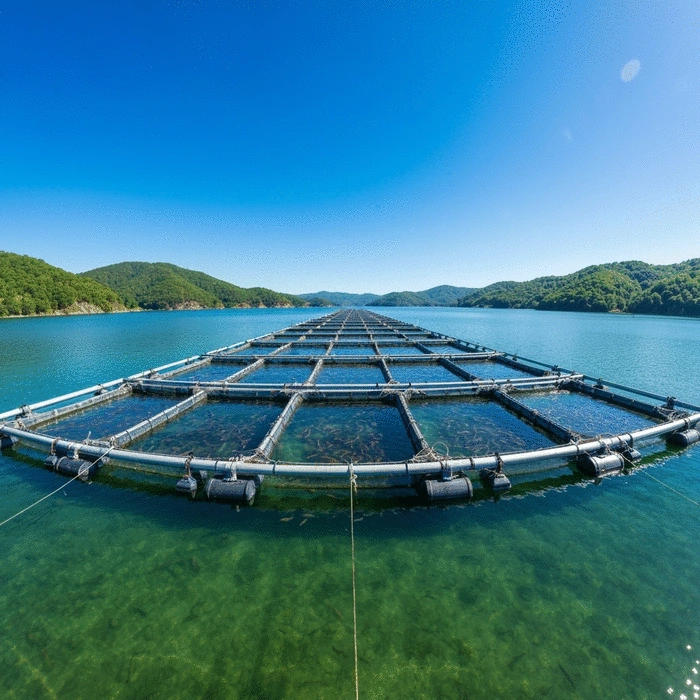
Cage fish farming involves placing nets or cages in natural water bodies where fish are raised in a controlled environment. These cages can be constructed from various materials, including metal or plastic, and are designed to float on the water's surface. The size and shape of the cage depend on the species being farmed and the local environmental conditions.
To set up a cage system, you first need to identify a suitable water body, such as a lake or river, with adequate water flow and quality. It is essential to ensure that the cage is anchored securely to prevent it from drifting. Stocking densities should be carefully planned to avoid overcrowding, which can lead to poor growth rates and increased disease susceptibility.
Suitable Water Bodies for Cage Farming in Africa
In Africa, various lakes and rivers are suitable for cage fish farming. For instance, Lake Victoria is an excellent location due to its vast expanse and nutrient-rich waters. The region supports high-density cage farming, particularly for tilapia and Nile perch, which are in high demand in local and international markets. Similarly, rivers like the Niger offer opportunities for cage farming, as long as the water quality is monitored regularly.
When selecting a water body, you should consider factors such as accessibility for feeding and harvesting, water depth, and potential environmental impacts. It is also important to evaluate the local regulations regarding cage farming to ensure compliance.
Benefits of Cage Systems for High-Density Production
Cage systems provide several benefits for high-density fish production. They allow for better control over feeding and growth, leading to faster harvest times and improved feed conversion rates. Additionally, these systems can be established at a lower cost compared to traditional pond farming, as they require less land and infrastructure.
Moreover, cage farming can be more efficient in terms of resource usage. Since the cages are located in natural water bodies, they can take advantage of the natural food supply, reducing the need for supplementary feeding. Farmers in East Africa have reported significant increases in production using cage systems, demonstrating their potential for profitability.
Environmental Concerns and Mitigation Strategies in Cage Farming
Whilst cage farming offers various advantages, it is essential to address potential environmental concerns. One of the primary issues is the accumulation of waste and uneaten feed beneath the cages, which can lead to water pollution and affect the surrounding aquatic ecosystem. To mitigate this, you should regularly monitor water quality and implement practices such as rotating cage locations.
Additionally, selecting appropriate stocking densities can help reduce stress on the fish and decrease the likelihood of disease outbreaks. Implementing biosecurity measures, such as quarantining new fish before introducing them into the cages, can further protect your operation from pathogens. By prioritising environmental sustainability, you can ensure the long-term success of your cage farming venture.
Recirculating Aquaculture Systems (RAS)
Explanation of RAS Technology and Its Components
Recirculating Aquaculture Systems (RAS) are innovative fish farming technologies that allow for the sustainable rearing of fish in a closed-loop system. In RAS, water is continuously recirculated, cleaned, and reused within the system. The key components include fish tanks, biofilters, aeration systems, and water treatment systems.
The initial setup for RAS requires careful design to ensure water quality is maintained. Fish waste is broken down by beneficial bacteria in the biofilter, converting harmful ammonia into less toxic nitrates. This process allows for a high stocking density whilst minimising environmental impact. Regular monitoring of water parameters, such as pH, ammonia, and oxygen levels, is crucial for maintaining optimal conditions for fish health.
Advantages of RAS in Sustainable Fish Farming
RAS offers several advantages that make it an attractive option for fish farmers. One of the primary benefits is its ability to conserve water. The system recycles water, which reduces the amount needed for farming and minimises discharge into the environment. This is particularly beneficial in regions where water scarcity is a concern.
Additionally, RAS allows for precise control over the farming environment, enabling farmers to optimise growth conditions and reduce the risk of disease. With appropriate management, RAS can lead to faster growth rates and higher yields, making it a profitable option for serious aquaculture operations in urban areas. You may want to compare this system further by exploring RAS vs. Ponds: Key Insights for Farmers.
Challenges and Limitations of RAS, Including Initial Investment
Despite its numerous advantages, RAS comes with challenges, particularly regarding initial investment costs. Setting up a RAS can be capital-intensive due to the need for advanced technology and equipment. This can be a barrier for smaller farmers or those without access to financing.
Moreover, the technical knowledge required to operate and maintain RAS can be substantial. Farmers must be familiar with water quality management and system maintenance to ensure the sustainable operation of the system. Access to training and support from experienced practitioners can help mitigate these challenges, allowing farmers to reap the benefits of RAS.
Case Studies of Successful RAS Implementations in African Contexts
Several successful RAS implementations in Africa demonstrate the system's potential. For example, in South Africa, a fish farm in Gauteng has efficiently produced tilapia using RAS, significantly reducing its water usage and operational costs. The farm has benefited from partnerships with local universities, providing expertise and research support.
In Kenya, an aquaculture initiative using RAS has shown promising results by producing fish in urban areas, reducing transportation costs and providing fresh fish directly to consumers. These examples illustrate that with the right support and management, RAS can be a viable and sustainable fish farming option in Africa.
Integrated Multi-Trophic Aquaculture (IMTA)
Concept and Benefits of IMTA for Resource Efficiency
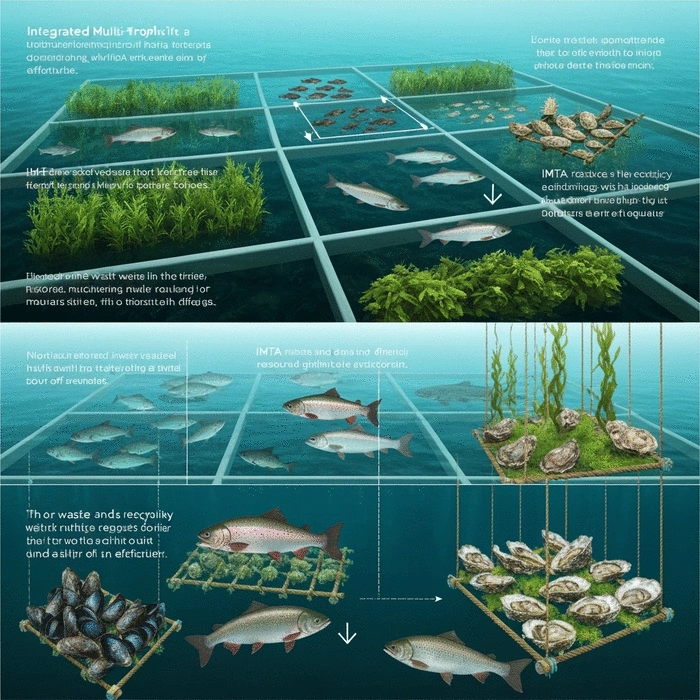
Integrated Multi-Trophic Aquaculture (IMTA) is an innovative farming approach that involves cultivating different species of aquatic organisms at varying trophic levels within the same system. This method promotes resource efficiency by allowing waste from one species to serve as a nutrient source for another. Typically, fish are farmed alongside shellfish and seaweed, creating a balanced ecosystem.
The benefits of IMTA include improved water quality and increased overall productivity. By integrating multiple species, you can enhance the sustainability of your aquaculture practices whilst providing a diverse product range for consumers. For example, in West Africa, farmers have successfully combined tilapia with shrimp and seaweeds, utilising the different nutrient requirements of each species.
Species Combinations Used in IMTA, Including Fish and Shellfish
Common species combinations in IMTA include fish, such as tilapia or salmon, alongside shellfish like mussels or oysters, and macroalgae like seaweed. The fish produce waste rich in nutrients, which feeds the shellfish, whilst the seaweed absorbs excess nutrients, contributing to cleaner water and a healthier environment.
In various African countries, farmers have explored these combinations. For instance, in Egypt, tilapia is often farmed alongside shrimp and seaweed, capitalising on the nutrient cycling benefits whilst catering to local market preferences for diverse seafood products.
Environmental and Economic Advantages of IMTA
IMTA offers both environmental and economic advantages. By reducing waste and promoting biodiversity, it supports ecosystem health whilst enhancing farm productivity. This method can lower feed costs as various species utilise different food sources, ultimately improving profitability.
Farmers adopting IMTA often find they can market a wider range of products, appealing to various consumer preferences. This diversification can lead to increased resilience against market fluctuations, allowing for stable income throughout the year.
Challenges in Implementing IMTA Systems in Local Contexts
Whilst IMTA offers numerous benefits, there are challenges in its implementation. Farmers may require additional training to understand the interactions between species and how to maintain a balanced ecosystem. Knowledge gaps can lead to inefficiencies or degraded water quality if not managed properly.
Furthermore, access to suitable species and market knowledge can be limited in some regions. Collaborating with research institutions or local aquaculture groups can help bridge these gaps, providing the necessary support for successful IMTA implementation.
Flow-Through Systems and Biofloc Technology
Overview of Flow-Through Systems and Their Applications
Flow-through systems are aquaculture setups where water continually flows through the rearing tanks, providing a constant supply of fresh water and maintaining optimal environmental conditions for fish. These systems are particularly beneficial in areas with abundant water resources and can be used for various species, including trout and catfish.
To set up a flow-through system, you need to ensure a reliable water source, such as a river or spring, and design your tanks to facilitate efficient water flow. Regular monitoring of water quality is essential, as the continuous flow helps dilute waste products and maintain healthy conditions for fish growth.
Explanation of Biofloc Technology and Its Benefits
Biofloc technology is a modern aquaculture practice that involves cultivating beneficial microorganisms in the water. These microorganisms help break down organic matter and convert it into a food source for fish. By managing the carbon-to-nitrogen ratio in the water, farmers can enhance microbial growth, leading to improved water quality and fish nutrition.
This technology is particularly suitable for species like tilapia and shrimp. It allows for higher stocking densities and shorter production cycles, contributing to increased profitability. Additionally, biofloc systems can reduce feed costs, as the microorganisms serve as an additional food source.
Fish Stocking and Feed Management in Biofloc Systems
In biofloc systems, stocking densities can be higher than traditional systems. However, careful management is necessary to avoid overcrowding and ensure optimal growth. You should monitor water quality parameters closely and adjust feeding strategies based on microbial growth. This includes providing supplemental feeds that complement the microbial community, helping you to select the right fish species for aquaculture based on your chosen system.
Farmers using biofloc technology have reported increased growth rates and better feed conversion ratios, highlighting the effectiveness of this approach. Those in regions like Nigeria have successfully implemented biofloc systems for tilapia production, demonstrating its viability in local contexts.
Comparative Advantages of Flow-Through and Biofloc Technologies
Both flow-through and biofloc technologies offer unique advantages for fish farming. Flow-through systems provide a continuous supply of clean water, making them ideal for species requiring stable conditions. In contrast, biofloc technology promotes sustainability by recycling nutrients and reducing waste.
The choice between these systems depends on factors such as water availability, market demand, and the farmer's experience. By understanding the specific benefits and challenges of each system, you can select the most suitable approach for your fish farming operation.
Comparison of Fish Farming Systems
Key Differences Between Pond, Cage, RAS, and IMTA
| System Type | Advantages | Challenges |
|---|---|---|
| Pond | Low setup cost, local market suitability | Water quality management required |
| Cage | High-density production, lower land use | Environmental impact potential |
| RAS | Water conservation, controlled environment | High initial investment |
| IMTA | Resource efficiency, diverse products | Requires species knowledge |
Best Practices for Selecting a Fish Farming System Based on Local Resources
When selecting a fish farming system, you should consider your local resources, including water availability, land area, and market access. Each system has its unique advantages that align with different farm sizes and operational goals. It is essential to evaluate the initial investment needed and ongoing management requirements to choose the most appropriate option for your circumstances.
Engaging with local aquaculture groups or extension services can provide valuable insights into which systems have proven successful in your area. Networking with other farmers can also help you learn from their experiences and adapt best practices to suit your context.
Future Trends in Fish Farming Systems, Including Sustainable Practices
The future of fish farming is likely to see a growing emphasis on sustainability and environmental responsibility. Advances in technology, such as automated monitoring systems and improved breeding techniques, will further enhance efficiency in aquaculture practices. Farmers are becoming increasingly aware of the importance of sustainable practices to ensure long-term viability and marketability.
Moreover, consumers are showing a preference for sustainably sourced seafood, which can drive demand for environmentally friendly farming methods. By adopting innovative approaches and focusing on sustainability, you can position your fish farming business for success in a competitive market.
Conclusion
Summary of Key Points
Understanding the various types of fish farming systems is essential for making informed decisions that affect your business's success. From pond systems to innovative technologies like RAS and IMTA, each approach has unique advantages and challenges that can impact profitability. By carefully considering your local context and resources, you can select the most appropriate system for your needs.
The Future of Fish Farming: Embracing Sustainable Practices in Africa
The future of fish farming in Africa is promising, with increasing demand for sustainable seafood and a growing awareness of the benefits of responsible aquaculture practices. As you navigate your fish farming journey, embracing innovation and sustainability will be crucial to ensuring the long-term success of your operations and contributing to the greater goal of global food security.
Pond Fish Farming Systems
Description and Setup of Pond Systems
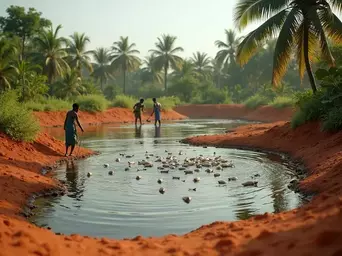
Pond fish farming is one of the most common aquaculture systems, especially in Africa. In this method, fish are raised in natural or artificial ponds where their environment can be regulated. Setting up a pond system requires choosing a suitable location, ensuring water supply, and possibly constructing a dam or embankment to hold water. You need to consider factors like depth and surface area to optimise conditions for fish growth.
When planning your pond, it is crucial to ensure that water quality is maintained, which includes monitoring parameters such as pH, dissolved oxygen, and ammonia levels. Regular maintenance of the pond is also essential to keep it free from pollutants and control algae growth. You might want to use aerators or implement water exchange systems to improve conditions for your fish.
Common Species Farmed in Ponds, Including Tilapia and Catfish
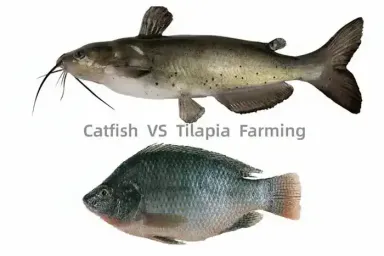
In African ponds, tilapia and catfish are the most commonly farmed species. Tilapia is favoured for its hardiness and rapid growth; it can reach a marketable size of around 1-2 kg in just six months. Catfish is another popular choice, known for its adaptability and high demand in local markets. You want to select species that align with your target market's preferences and dietary habits, as this can significantly affect your profitability.
Advantages of Pond Systems for Local Markets
Pond systems offer several advantages, particularly for local markets. They are generally more cost-effective to establish and maintain compared to other aquaculture systems. Many farmers can start with a smaller financial investment, making it accessible. Additionally, pond farming can generate a consistent supply of fish, allowing you to build reliable relationships with local traders and consumers.
Moreover, as tilapia and catfish are staple proteins in many African diets, there's a steady demand for these species. For example, a farmer in Uganda selling tilapia directly to consumers can earn about 7,000 shillings per kg, which translates into decent profits if production is timed well with local market demand.
Challenges and Considerations in Pond Farming, Including Water Quality Management
Whilst pond fish farming presents numerous opportunities, it also comes with challenges. Water quality management is paramount; poor water conditions can lead to diseases and even fish kills. You need to establish a regular monitoring routine to check for contaminants and ensure optimal conditions. Understanding the ecological balance within the pond is vital—overcrowding and excess feed can deteriorate water quality.
Furthermore, seasonal changes can affect your operations, particularly during dry seasons when water levels might drop. You want to plan for these fluctuations and consider supplementary water sources or storage solutions. By addressing these challenges proactively, you can enhance the sustainability and profitability of your pond farming venture.
Conclusion
Summary of Key Points
In summary, various fish farming systems each offer distinct advantages and challenges. From pond systems that support local markets to recirculating aquaculture systems that emphasise sustainability, understanding these options is crucial for your success as a fish farmer. Integrated Multi-Trophic Aquaculture (IMTA) and biofloc technology further demonstrate innovative approaches to enhance resource efficiency and productivity.
As you contemplate the best fish farming system for your context, consider factors such as species suitability, environmental impacts, and market demands. The future of fish farming in Africa hinges on adopting practices that not only support profitability but also promote sustainability.
Next, take some time to explore your local market conditions and the specific needs of potential buyers. This foundational knowledge will guide you in selecting the most appropriate fish farming system for your business.
Frequently Asked Questions About Explore Various Fish Farming Systems for Sustainable Aquaculture
Why is understanding different fish farming systems important for my business?
Understanding various fish farming systems (like pond, cage, RAS, IMTA) is crucial because each has unique advantages and challenges. By choosing the system that best aligns with your resources, market demands, and operational goals, you can optimise profitability and ensure the sustainability of your aquaculture venture.
What are the main advantages of cage fish farming in Africa?
Cage fish farming offers several benefits in Africa, including high-density production and lower land use compared to traditional pond farming. These systems can be established at a lower cost, utilise natural water bodies efficiently, and allow for better control over feeding and growth, leading to faster harvest times.
What are the primary challenges of implementing a Recirculating Aquaculture System (RAS)?
The main challenges of RAS include high initial investment costs due to the advanced technology and equipment required. Additionally, operating a RAS demands substantial technical knowledge in water quality management and system maintenance. However, with proper training and support, these can be overcome.
How does Integrated Multi-Trophic Aquaculture (IMTA) promote sustainability?
IMTA promotes sustainability by cultivating different aquatic species at various trophic levels within the same system. This approach allows waste from one species to be a nutrient source for another, reducing pollution, improving water quality, and enhancing resource efficiency. It also diversifies products and improves ecosystem health.
Which factors should I consider when selecting a fish farming system for my local context?
When selecting a fish farming system, you should consider local resources such as water availability, land area, and market access. Evaluate the initial investment, ongoing management requirements, and the suitability of species for your chosen system. Engaging with local aquaculture groups can also provide valuable insights.

Yomi Adisa
Yomi Adisa is the lead researcher at Fish Farming Business, where he studies what makes aquaculture ventures profitable across Africa. His research focuses on market patterns, buyer preferences, and the business decisions that determine success or failure in fish farming.